Self - Interviewer
Self - Narrator (voice)
Five Guamanians interviewed in the early 2000s recall the Japanese bombing of Guam on 7 December 1941, and the years of food shortages, abuses, and other hardships that followed. They describe their childhood lives before, during, and after the island's occupation by Japanese soldiers.
Stories from those who were there. A unique insight into what it was really like to be there. Interviews with the pilots , cut with archive footage paint the picture from one of History's greatest ever Air Battles.
Veterans of World War II describe their experiences of the retreat to Dunkirk in 1940 and the evacuation. On 10 May, the German Army invaded Holland and Belgium. The Blitzkrieg had begun, an entirely new way of fighting war. For the young men aged 18 and 19 who joined up to 'do their bit', it was a terrifying baptism of fire, and for the British Army a shattering blow. Within three weeks, it was a crushing defeat, leading to the largest military evacuation in history. This film is the story, told in their own words, of a group of young men, now veterans, and their first experience of modern mechanised warfare.
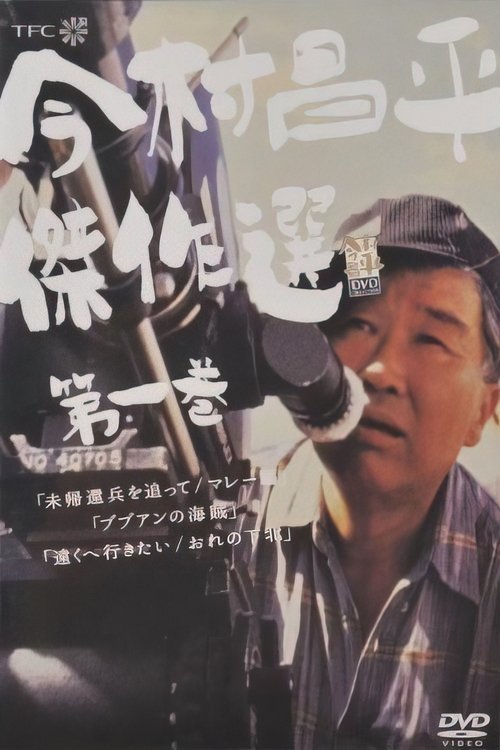
Famed filmmaker tracks down former Japanese soldiers in Malaysia.
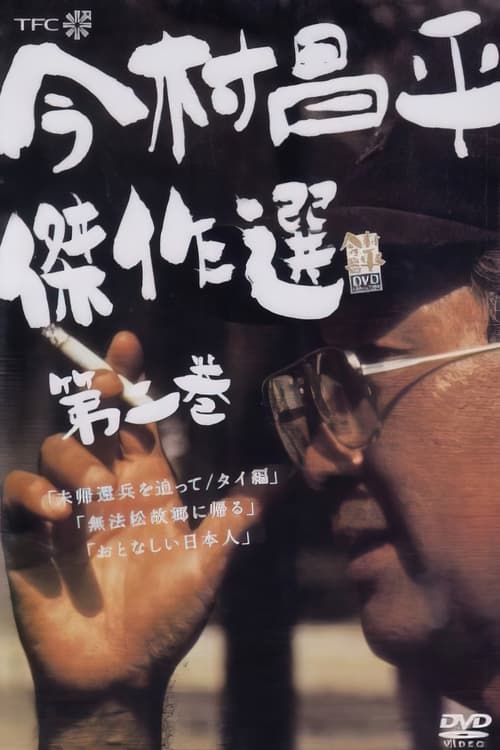
“In Search of Unreturned Soldiers was about former soldiers of the Japanese army who chose not to return to Japan after the war. I found several of them who had remained in Thailand. Two years later, I invited one of them to make his first return visit to Japan and documented it in Outlaw-Matsu Returns Home. During the filming, my subject Fujita asked me to buy him a cleaver so that he could kill his ‘vicious brother.’ I was shocked, and asked him to wait a day so that I could plan how to film the scene. By the next morning, to my relief, Fujita had calmed down and changed his mind about killing his brother. But I couldn’t have had a sharper insight into the ethical questions provoked by this kind of documentary filmmaking.” —Shôhei Imamura
No overview available.
Return to Guam is a 1944 short propaganda film produced by the US Navy about the taking and recapture of the island of Guam. The film starts when a convoy of ships nearing the island sees strange lights flashing from the island in Morse code "information". After cautiously investigating the signal, they find that it was made by a white man, George Tweed, the last survivor of the original garrison at Guam. Tweed relates his harrowing story of how he survived in the bush for 31 months with the help of the natives, Chamorros.
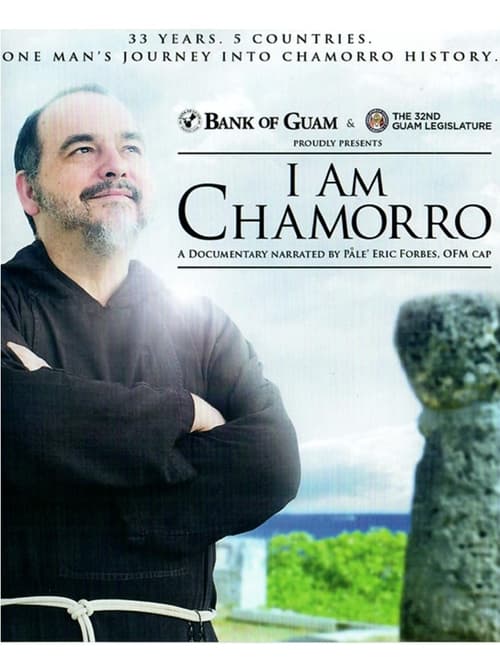
Join us as we follow one man's steps over 4000 years of Chamorro history, to understand who we are, what we have become and who we want to be. For 33 years, Pale' (Father) Eric Forbes, a Capuchin priest from Guam, has made Chamorro history his passion. Raised by his Chamorro grandmother, he started by listening to the stories passed down to him by his manaina (elders). Collecting photographs, mementos and books as time went by, he began to research in archives in Guam, Saipan, Spain, Italy, Germany, the Philippines, and the United States. He has written books, numerous articles and edited for www.guampedia.com, an online Guam resource site. His work extended to the Chamorro communities in the mainland where he has given Chamorro culture and history workshops. He has a Chamorro resource blog, www.palericblogspot.com. Now he makes this knowledge available in this documentary to inspire people to treasure and keep alive their precious heritage.
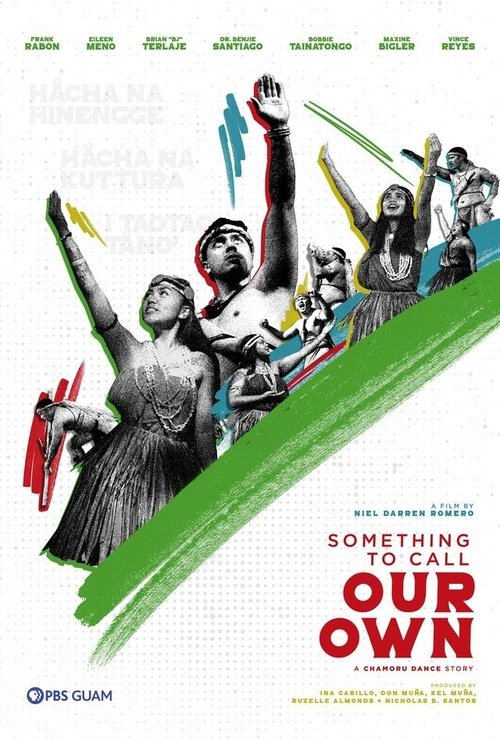
"Something to Call Our Own" is a compelling documentary that delves into the origins, obstacles, and evolution of modern CHamoru dance. From the small island of Guam to the international stage of FestPAC, the documentary showcases the inspiring story of cultural revival, resilience, and the ongoing journey to reclaim and preserve a tradition that belongs to the CHamoru people. Once silenced by colonization, the CHamoru people rise—through song, chant, and dance. At the heart of this revival stands Master Frank Rabon, who dared to reimagine a lost tradition, giving it back to the generations who longed for it. From the shores of Guam to the world stage of FestPAC the CHamoru people reclaim their identity, their language, their pride. Through every movement, there’s a dance and with every dance they declare: We are still here and this is Something to Call Our Own.
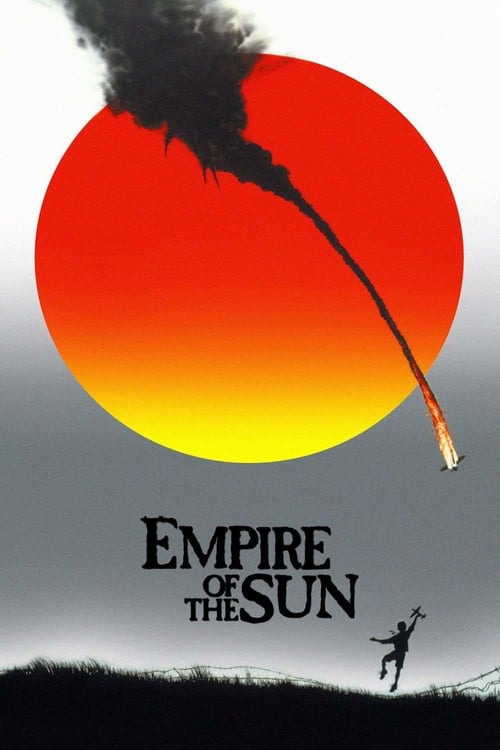
Jamie Graham, a privileged English boy, is living in Shanghai when the Japanese invade and force all foreigners into prison camps. Jamie is captured with an American sailor, who looks out for him while they are in the camp together. Even though he is separated from his parents and in a hostile environment, Jamie maintains his dignity and youthful spirit, providing a beacon of hope for the others held captive with him.
Even though Gennosuke and Oboro are from rival ninja villages, they are secretly in love. At an annual conference with the Lord, it is dictated that a competition--a fight to the death--will take place between the five best shinobi from each village. Gennosuke and Oboro's love is made even more impossible when they each got picked as the leader of the five to represent their respective villages.
It's the hope that sustains the spirit of every GI: the dream of the day when he will finally return home. For three WWII veterans, the day has arrived. But for each man, the dream is about to become a nightmare.
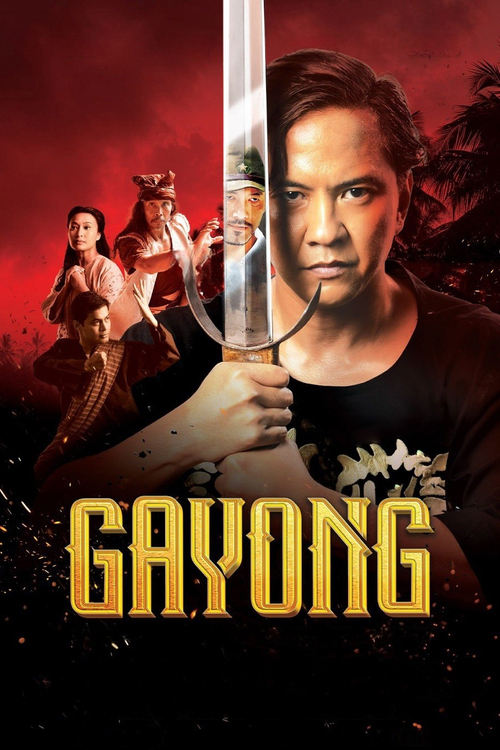
Biography about the late great Dato' Meor Abd Rahman, grandmaster and founder of Silat Gayong Malaysia.
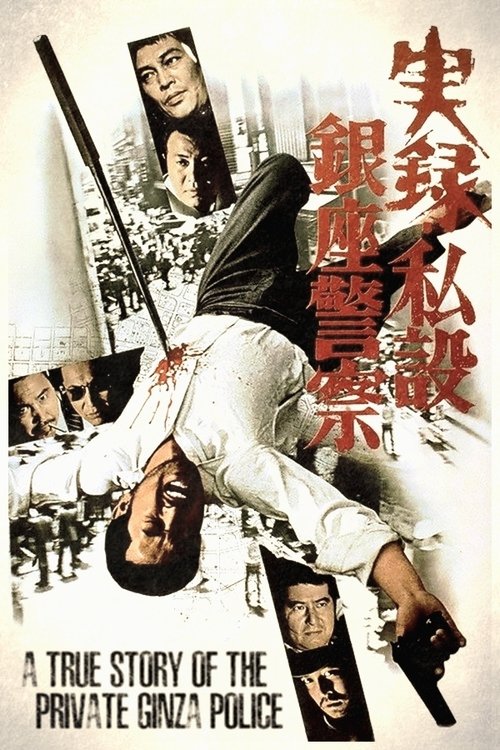
Japan, 1946, just after the end of World War II. As the US occupation army patrols the dilapidated streets of Tokyo, a desperate and ambitious group of war veterans and gamblers struggle to take control of the Ginza district's underworld with the help of a deranged soldier.
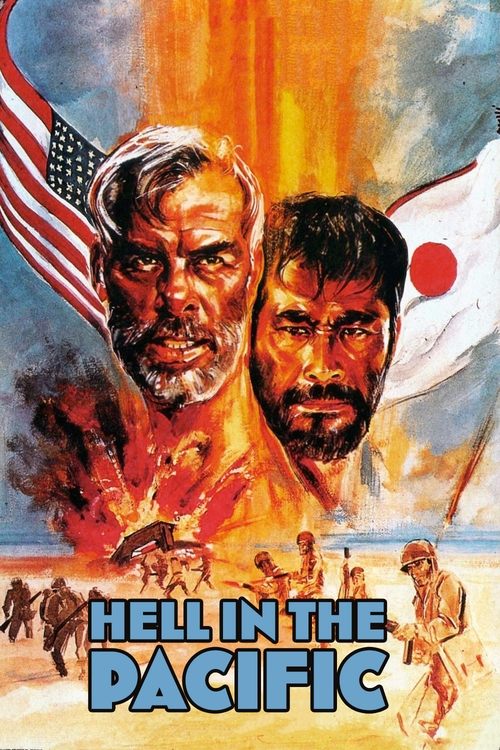
During World War II, a shot-down American pilot and a marooned Japanese navy captain find themselves stranded on the same small uninhabited island in the Pacific Ocean.
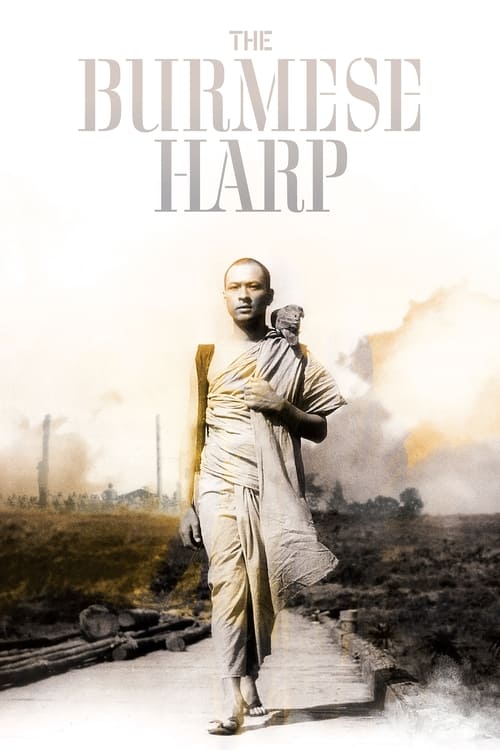
In Burma during the closing days of WWII, a Japanese soldier separated from his unit disguises himself as a Buddhist monk to escape imprisonment as a POW.
Following the detonation of the atomic bombs on Hiroshima and Nagasaki, the Japanese military and the government clash over the demand from the Allies for unconditional surrender. Minister of the Army Anami leads the military officers who propose to fight on, even to the death of every Japanese citizen. Emperor Hirohito, however, joins with his ministers in asking the unthinkable, the peaceful surrender of Japan. When the military plots a coup to overthrow the Emperor's civilian government, Anami must face the choice between his desires and loyalty to his Emperor.
Japanese soldiers stranded in Manokwari, New Guinea, improvise a theater play to keep their spirits up and endure the extremely difficult conditions.
In the closing days of WWII, a Japanese soldier afflicted with tuberculosis is abandoned by his company and left to wander the Philippine island of Leyte.
A businessman's professional struggles begin to conflict with his personal life over the course of two days.
No Trailers found.