No Cast found.
1954 - Panic erupts when the citizens of Bellingham, Washington notice strange cracks in their car windshields. What is causing this mysterious phenomenon?
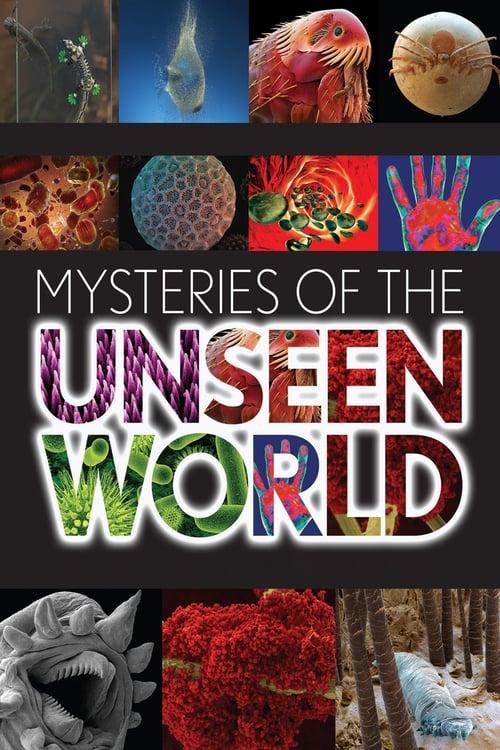
Mysteries of the Unseen World transports audiences to places on this planet that they have never been before, to see things that are beyond their normal vision, yet literally right in front of their eyes. Mysteries of the Unseen World reveals phenomena that can't be seen with the naked eye, taking audiences into earthly worlds secreted away in different dimensions of time and scale. Viewers experience events that unfold too slowly for human perception
When Dortmund is playing against Schalke, riots and brawls are destined to happen. The fans of both clubs are shown during soccer matches and asked where the abysmal hatred against the opposing club comes from.
The National Iranian Oil Company (NIOC), formed upon nationalization of the British Anglo-Iranian Oil Company, employed film systematically, producing many films on oil and petrochemical subjects. It also made films depicting Iran's progress and modernization, highlighting the role of the Shah and NIOC in that direction. Under its auspices, Ebrahim Golestan directed A FIRE (1961), a highly visual treatment of a seventy-day oil well fire in the Khuzestan region of southwestern Iran. This film was edited by the Iranian poet Forough Farrokhzad and won two awards at the Venice Film Festival in 1961.
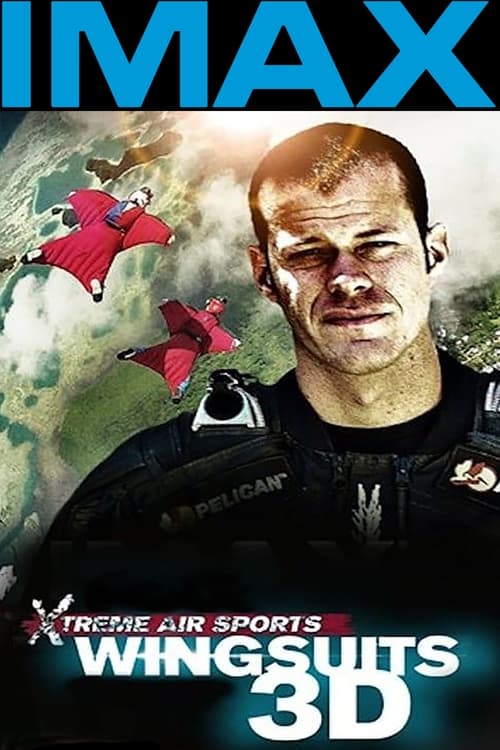
Base jumper Jeb Corliss sustained grave injuries on a crash in South Africa. Through rehab, Jeb relearns the sport to tackle mountains in Europe.
Documentary on the making of Hammer's adaptation of "The Hound of the Baskervilles".
A short film about the changing face of London Soho and the implications of gentrification on Mimi, an aging transvestite.
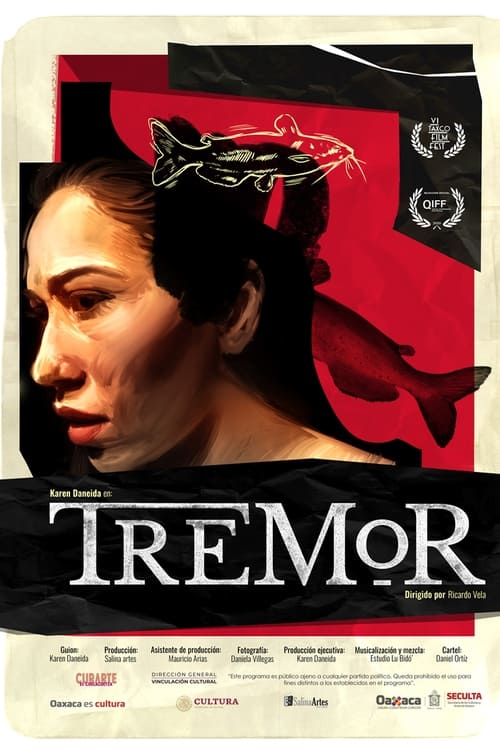
The anguish a woman experienced on the night of September 7, 2017, caused by the 8.2 magnitude earthquake that struck southern Mexico and the danger of another impending disaster.
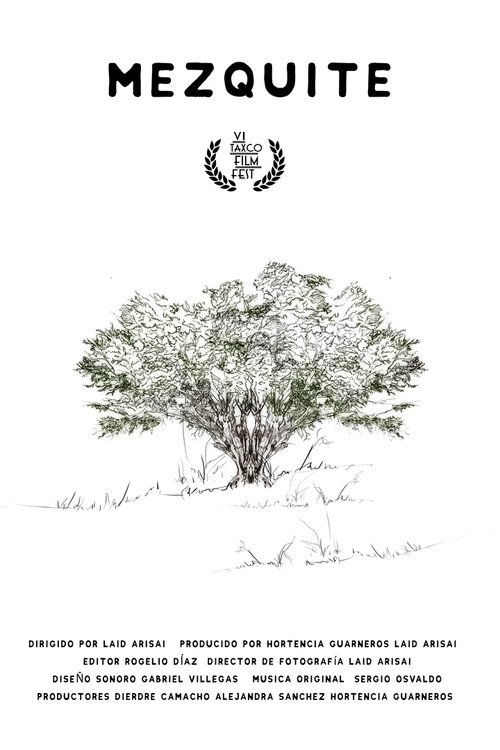
Mezquite is a large tree with many virtues and is in danger due to the neglect that has been had with its species in recent years.
Three former victims of incest relationships with their fathers speak openly about their experiences, their feelings and their psychological adjustment.
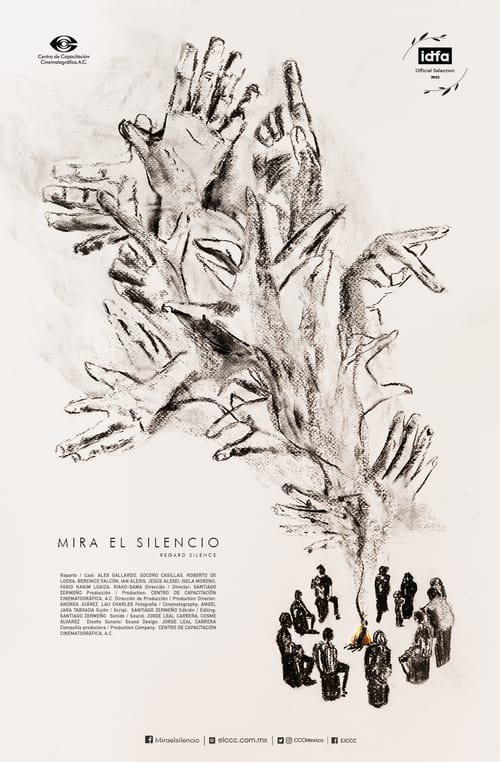
“I love poetry because it makes me feel like my mind expands.” In Regard Silence, that's the very first sentence expressed—in sign language of course. Watching the poems signed by deaf people in this film has a similarly mind-expanding effect. That’s because sign language—the Mexican version in this case—is a very different means of communication than written or spoken language.
As technology accelerates, our species' collective imagination of the future grows ever more kaleidoscopic. We are all haunted by temporal distortion, perhaps no more than when we attempt to remember what the future looked like to our younger selves. As the mist of time devours our memories, the future recedes; each of us burdened by the gaping mouth of entropy. Yet, emerging technology provides a glimmer of hope; transhumanism promises a future free from mortality, disease and pain. Does our salvation lie in digital simulacra? We're here to sell you the answer to that question, for the low, low price of four hundred and seventy seconds.
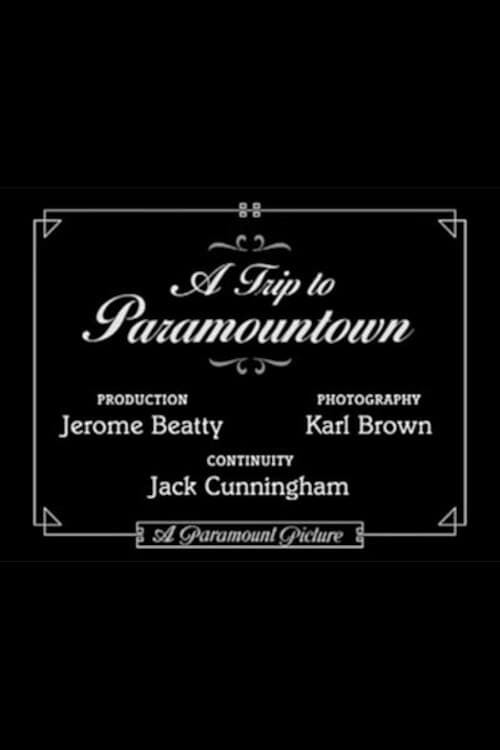
Documentary short film depicting the filmmaking activity at the Paramount Studios in Hollywood, featuring dozens of stars captured candidly and at work.
No overview available.
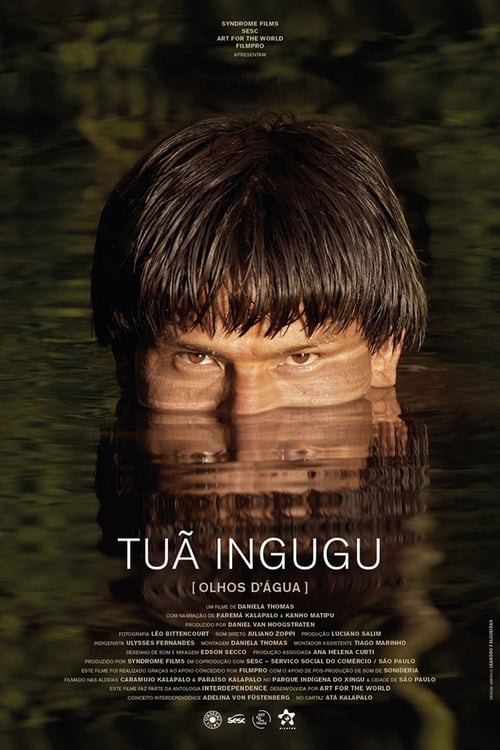
In the Kalapalo cosmogony (an ethnic group that lives in the Xingú Indigenous Park), water is as old as humans and is the source of life. That is where all their sustenance comes from, their food, their drink, their joy. The idea of using water as a dumpster, of poisoning water is a dystopia. In this documentary Chief Faremá —from Caramujo village on the banks of the Kuluene River— tells us about the birth of water and warns us about the consequences of disrespecting it.
The comparative quality of workmanship in American car factories compared to foreign car manufacturers is examined.
A critique of several aesthetically unpleasant architectural elements in American cities and suburbs of the 20th century.
A day in the life of the truck driver Tom.
This short documentary introduces us to a town where no one pays rent: Simoom Sound in central British Columbia, where loggers live on sturdy river craft. Every week there are visitors: the general storekeeper, the flying postman and most importantly, the forest ranger, who is ever alert to the threat of fire.
No Trailers found.