The extraction of flight feathers from birds of prey, as practiced by Neanderthal man, is revived in the Fumane Cave in Lessinia.
No Cast found.
No Trailers found.
No overview available.
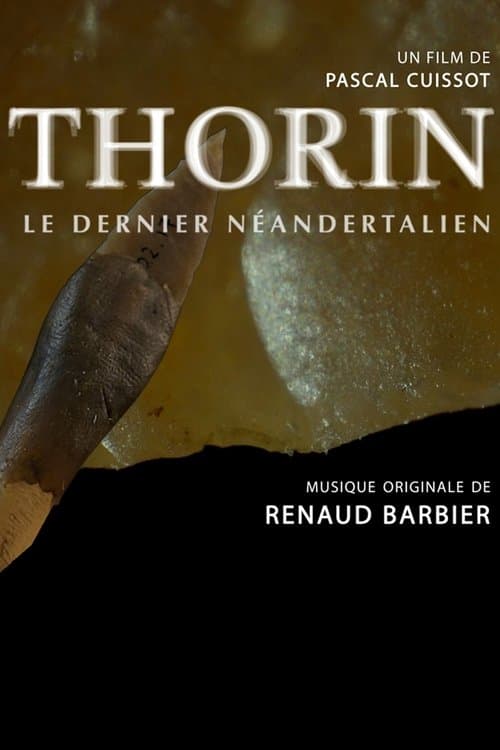
The Mandrin Cave in the Rhône Valley is a fascinating excavation site. Archaeologist Ludovic Slimak discovered fossils and flints here, proving that Neanderthals inhabited the cave for over 80,000 years. The first Neanderthal in France for half a century was also unearthed in the cave: He was given the name Thorin.
Over 60,000 years ago, the first modern humans left their African homeland and entered Europe, then a bleak and inhospitable continent in the grip of the Ice Age. But when they arrived, they were not alone: the stocky, powerfully built Neanderthals had already been living there for hundreds of thousands of years. So what happened when the first modern humans encountered the Neanderthals? Did they make love or war?
"The Last Dragon" is a nature mockumentary about a British scientific team that attempts to understand the unique incredible beasts that have fascinated people for ages. CGI is used to create the dragons.
In 1907 Herman Hesse spent a few days mediating and fasting in a cave near Monte Verità. During these days he collected the visions and insights that went on to be very influential in his thinking and shaped some of the most important works of his literary career. The images and sounds of this film were shot there and are a homage to this cave and its possible invocations. Grotta is part of Fieldworks, an ongoing experiment with ambient video and radio frequencies.
Journey into Amazing Caves is an extraordinary IMAX adventure into the depths of the earth to uncover the secrets to life underground.
A journey into four classical elements through the four main characters of the film. The main characters in the movie represent each of their own elements.
What would have happened if the Neanderthals had prevailed over Homo Sapiens? How would our species have evolved? How does art relate to evolution, and why in the world does evolution behave like a bricoleur? Last of all, just what does Marcel Duchamp have to do with all of this? This film is neither a documentary nor a portrait of the artist Pable Echaurren; it’s a kaleidoscopic meditation on our past, present and future.
Werner Herzog gains exclusive access to film inside the Chauvet caves of Southern France, capturing the oldest known pictorial creations of humankind in their astonishing natural setting.
It has been almost thirty years since Filippo Dobrilla started to sculpt a giant male nude inside a cave 650 metres deep in the Apuan Alps. This almost inaccessible place has jealously protected his secret: his youthful passion for a fellow climber, a passion Filippo was only able to indulge in here in the intimacy of this cave. Even after it was over and ever since then, Filippo has been returning regularly to the cave to work on the most important sculpture of his life, a masterpiece no one will see.
A special document of a 9-day Thai cave rescue mission in 2018
What do we have to learn from dead things and the people who love them? For some, vulture culture offers a deeper connection to nature. For others, it is a way of confronting death and processing grief. For others, the ultimate form of artistry.
A Hungarian explorer claims to have discovered a "Gold Library" inside a cave. Lacking evidence, he tries to get the recognition he believes he deserves but struggles to get support from the local governments and religious leaders.
49,000 year old Neanderthal bones have been discovered by chance in a remote, mountainous region of Northern Spain. The bones may help solve the biggest Neanderthal puzzle of all – why we are here today and Neanderthals are not. ‘The Neanderthals’ dark Secret’ revolves around ongoing investigations deep inside the forbidding subterranean cave system called El Sidrón. Here, Palaeontologist Antonio Rosas and Archaeologist Marco de la Rasilla are in their 11th year of excavation. Bones from at least 12 people and 400 stone tool fragments have been recovered. We’ll bring these people back from the past. Our haunting, hologram-like Neanderthal characters, will communicate to the scientists of today, as they unlock the secrets of El Sidrón. Many mysteries surround the site, foremost, how the bones and tools came to be here in the first place. The remains aren’t weathered nor do they show signs of scavenging from large animals.
This series incorporates the latest animated 3D films to explore recent discoveries about human history, especially in Asia.