No overview available.
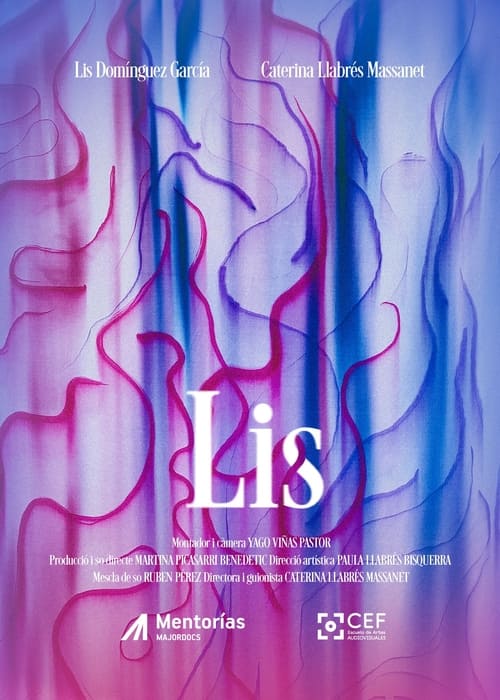
The reunion of a childhood friendship. Lis, a current fashion designer, meets with Caterina, a filmmaker, to jointly create the documentary and a costume for the premiere.
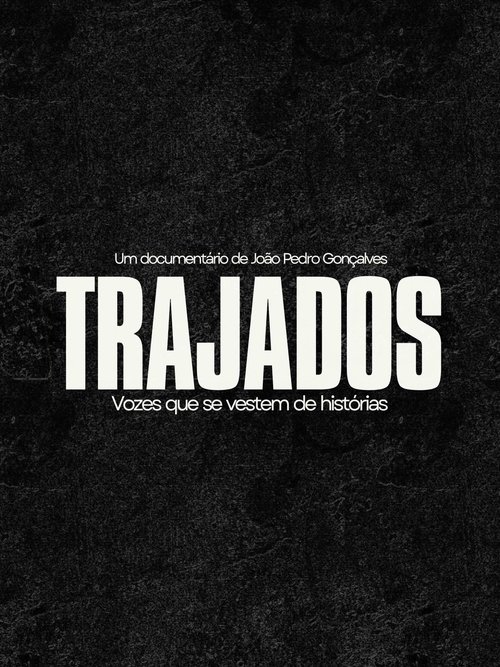
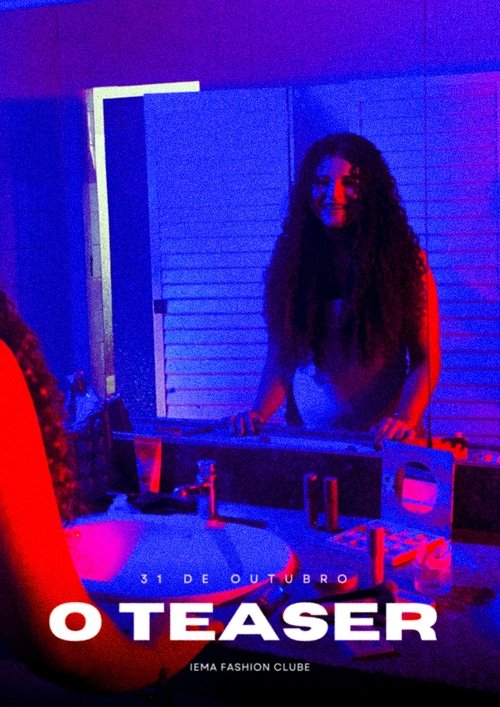
A documentary that explores how queer fashion, often born on the streets and in underground niches, has become a viral phenomenon on social media, shaping the aesthetics of global pop culture. Through the interaction between LGBTQIA+ influencers, content creators, and digital platforms such as Instagram, TikTok, and YouTube, trends that were once marginalized now occupy the center of the fashion industry. The film investigates how this evolution impacts not only the visibility of the queer community but also the consumption and creation of contemporary fashion
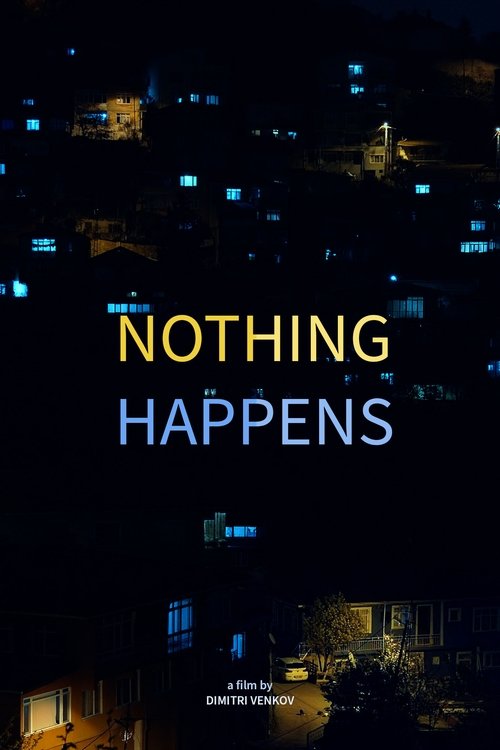
An immigrant in Istanbul, the Russian filmmaker finds himself caught between a rock and a hard place: on the one hand, his legal status becomes uncertain amid the turbulence of Turkish presidential elections, on the other hand, the crackdown on dissent in Russia makes his return impossible. In these circumstances he turns to the legacy of Moscow conceptualism, an art movement, which existed under the radar of Soviet authorities, to make a film that would convey his sentiment yet pass through the needle’s eye of censorship.
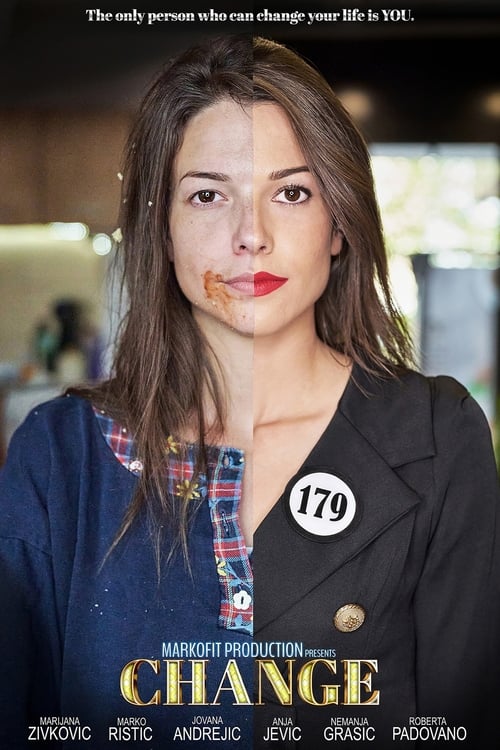
The movie is set in Nis, Serbia. A girl from Pittsburgh called Sophia, who lives and works as a designer in an international construction company in Nis, decides to change her bad habits and her life for the better, after hearing an advertisement on the radio and applying for a huge international casting for top models. Until the day of the casting, Sophia is working on herself and is making changes in her life that she never imagined she would. However, after the casting and the CEO Marc’s decision, as well as the decision of his assistant Jenny and the whole ‘Markofit’ team, Sophia is faced with true disappointment and goes back to her old ways. Nonetheless, this soon changes after one conversation with Jenny, the assistant. The movie ‘Change’ was created with a goal to show support to all the people around the world, who do not believe in themselves and lack motivation. The film puts forth the idea that anything is possible in life if we are willing to make changes.
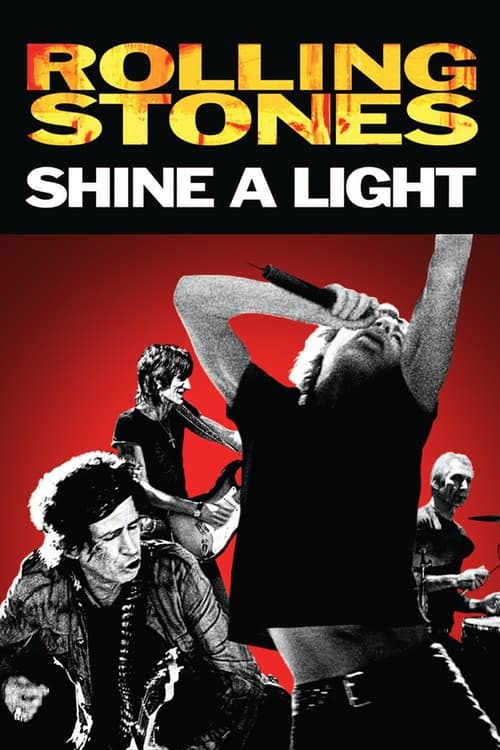
Martin Scorsese’s electrifying concert documentary captures The Rolling Stones live at New York’s Beacon Theatre during their A Bigger Bang tour. Filmed over two nights in 2006 with an all-star team of cinematographers, the film combines dynamic performances with archival footage and rare glimpses behind the scenes, offering a vibrant portrait of the band’s enduring energy and legacy.
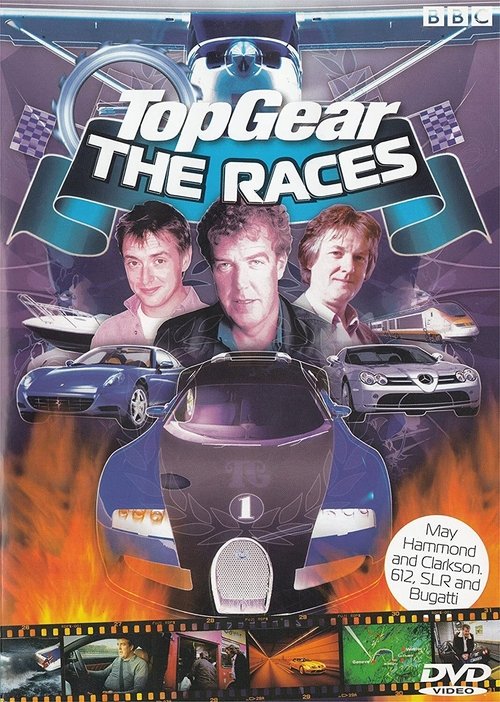
Le Mans? Not gruelling enough. Indy 500? Too slow. Monaco? No glamour. Forget them all - here are the three greatest races ever filmed. Somebody made the mistake of telling Jeremy that the car isn't a fast enough way to cover distance anymore. He took serious exception. He also took a Ferrari 612 Scaglietti, a McLaren SLR and a Bugatti Veyron on three legendary transcontinental blasts to prove his point. The competition? Richard and James driving planes, trains and boats. And not having as much fun...
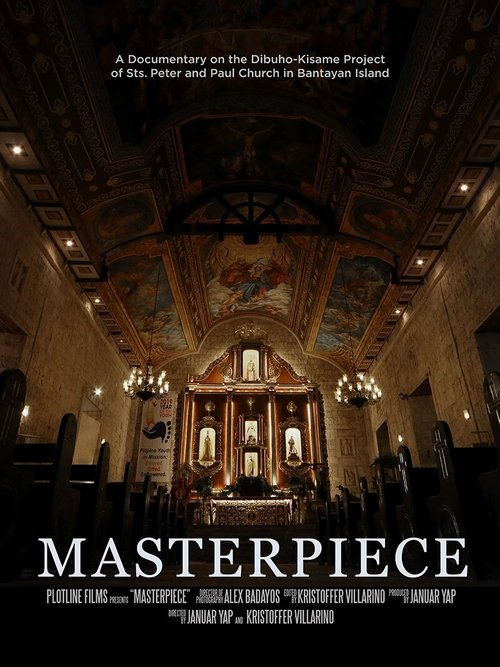
Inspired by the ceiling paintings of the old churches in Cebu and abroad like the Sistine Chapel, a parish priest in Bantayan Island embarks on his own ceiling painting project of epic proportions with the help of a ragtag bunch of artists on an evangelical mission through visual catechism.
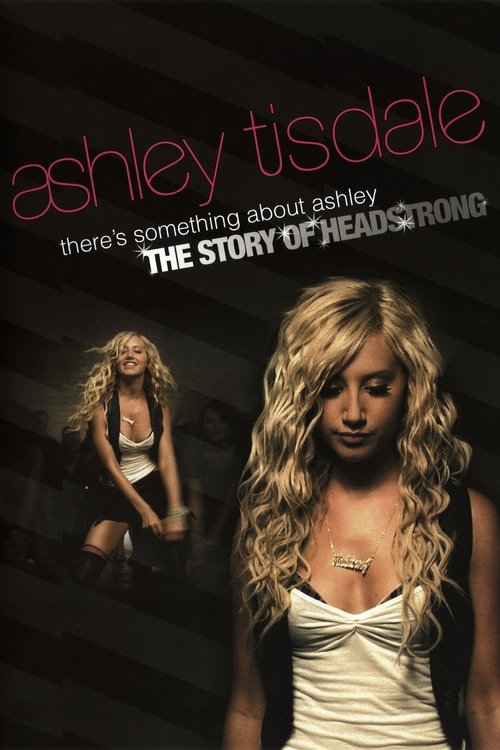
Follow Ashley Tisdale, young pop icon and star of the smash hit High School Musical, as she makes her first solo album on this documentary tracing the entire process, including picking and recording the songs and planning the official release. The film also features three music videos from the album, "Headstrong," and exciting footage as Tisdale joins the rest of the cast for the High School Musical road tour.
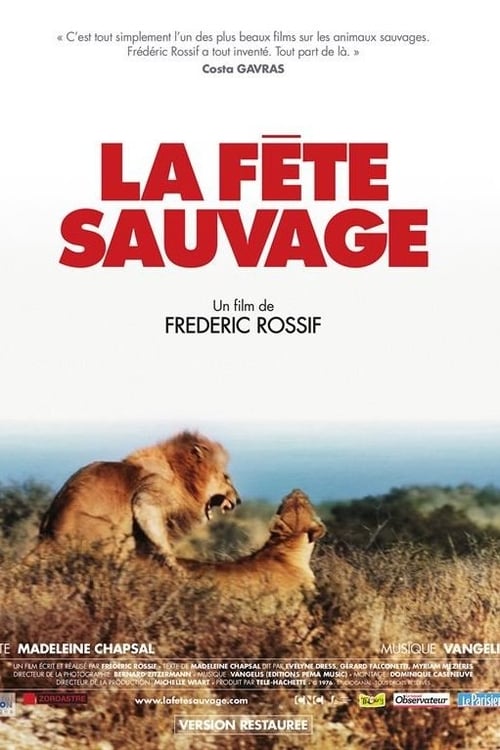
A documentary film inspired by themes of love, death and dreams. A hymn to beauty featuring animals in their native sphere: the world of nature.
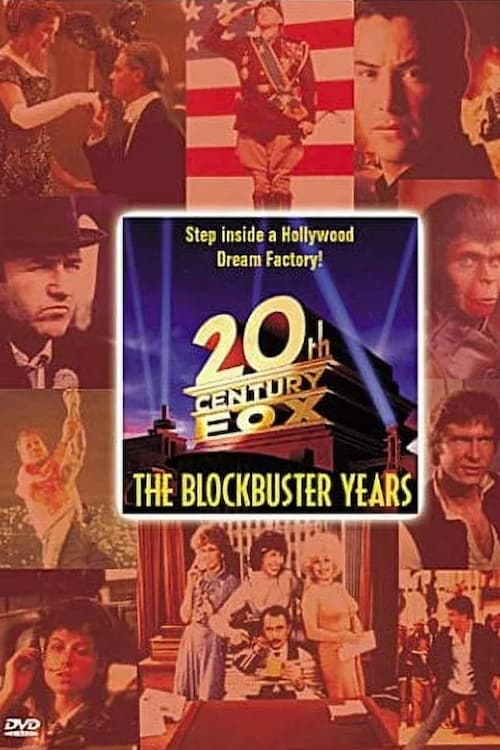
Behind-the-scenes footage, rare screen tests and insightful interviews highlight this engrossing two-hour look at one of Hollywood's greatest dream factories. Such film luminaries as Tom Hanks, William Friedkin, George Lucas, Oliver Stone and Robert Altman discuss their work at the studio. Clips include scenes from Butch Cassidy and the Sundance Kid, Patton, Young Frankenstein, Star Wars, Alien, Big, Home Alone, Die Hard and dozens more.
Legendary opera singer Maria Callas had an extraordinary career, colored as much by supreme success as it was by terrible heartache. Yet despite her tumultuous private life, Callas's powerful soprano voice rarely faltered. Narrated by Rosalie Crutchley, this well-rounded documentary features extensive interviews and numerous performances, including the diva's final concert in Tokyo and a rare recording taken a class at the Julliard School.
A documentary produced by PBS affiliate WNYC, intended to serve as an introduction to their 1987 re-broadcast of the 1960s gothic daytime soap opera Dark Shadows.
Clara Nunes
Narradora
No Trailers found.