Midcentury Canadian Petrocinema
The work of an oil-drilling crew. Audiences will relish this tale of tough roustabouts who bulldoze a wilderness in a push for liquid wealth.
No Trailers found.
Filmed over a period of 3 years, this video work is a meditation on the borderline of the river Tejo, between Marvila and Barreiro. A psychogeographic piece that seeks out a feeling of doubt, inertia, and waiting. "Two sides, along the boundary line All the weight of the water above Metal arms extended to the heavens As if the sky was tilting to meet them And those giants again; Four by four . . . . all in a line, up against the tide."
An overview of the lobster fishing industry in Nova Scotia.
No overview available.
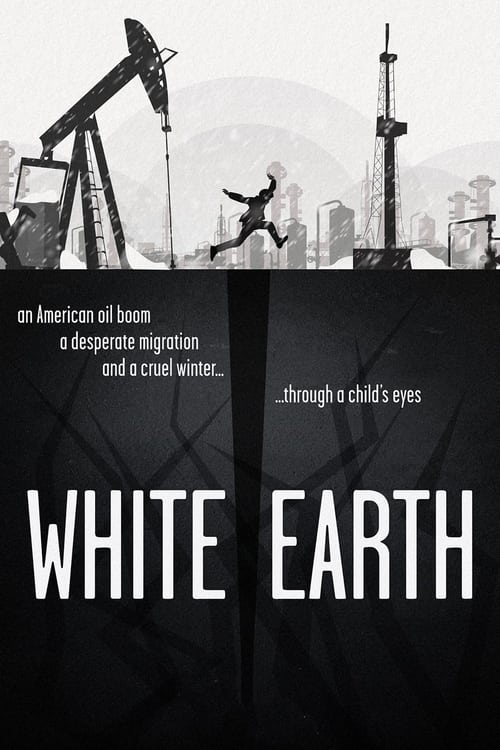
An oil boom has drawn thousands to America’s Northern Plains in search of work. Against the backdrop of a cruel North Dakota winter, the stories of three children and an immigrant mother intertwine among themes of innocence, home, and the American Dream.
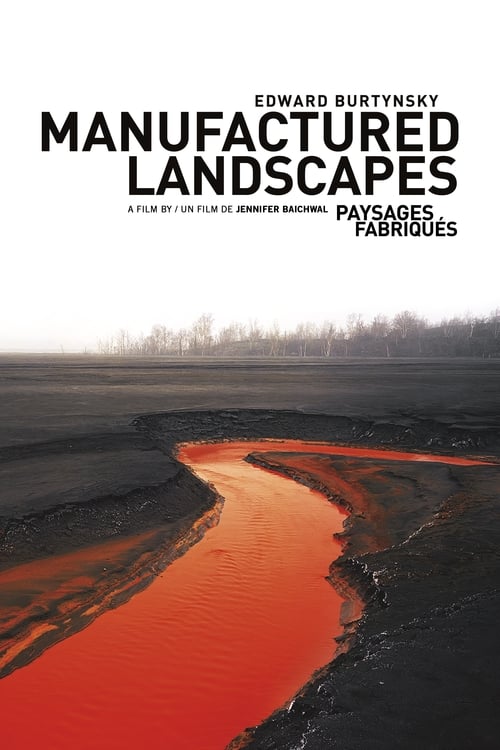
MANUFACTURED LANDSCAPES is the striking new documentary on the world and work of renowned artist Edward Burtynsky. Internationally acclaimed for his large-scale photographs of “manufactured landscapes”—quarries, recycling yards, factories, mines and dams—Burtynsky creates stunningly beautiful art from civilization’s materials and debris.
oil workers, builders, geologists
A promotional video produced by the Alberta government in 1975, "The time of the tar sands", featuring Gordon Pinsent. credit: Archives of Alberta.
In the cobalt mining areas of Katanga in the Democratic Republic of the Congo (DRC), babies are being born with horrific birth defects. Scientists and doctors are finding increasing evidence of environmental pollution from industrial mining which, they believe, may be the cause of a range of malformations from cleft palate to some so serious the baby is stillborn. More than 60% of the world’s reserves of cobalt are in the DRC and this mineral is essential for the production of electric car batteries, which may be the key to reducing carbon emissions and to slowing climate change. In The Cost of Cobalt we meet the doctors treating the children affected and the scientists who are measuring the pollution. Cobalt may be part of the global solution to climate change, but is it right that Congo’s next generation pay the price with their health? Many are hoping that the more the world understands their plight, the more pressure will be put on the industry here to clean up its act.
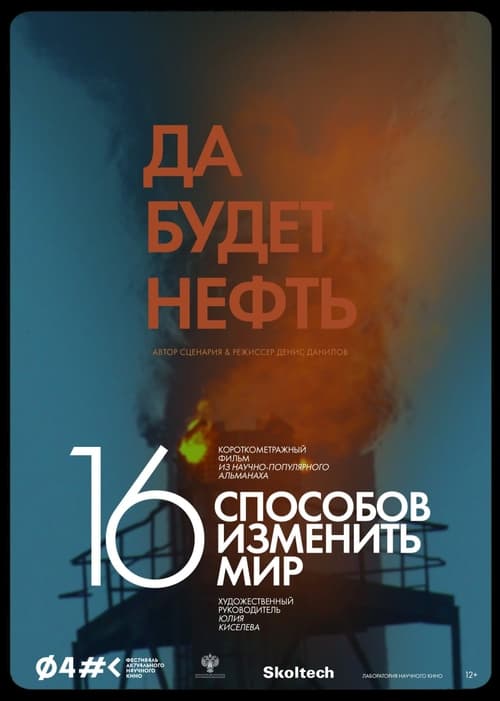
Oil is a primary energy source in the world. Global oil consumption reached approximately 95 million barrels per day but oil fields' quality is constantly declining. A team of Russian scientists came up with more accurate, cheaper, and faster technology that can increase the oil production rate. After all, modern civilization is built in the way that 'to live well' means 'consume more oil'
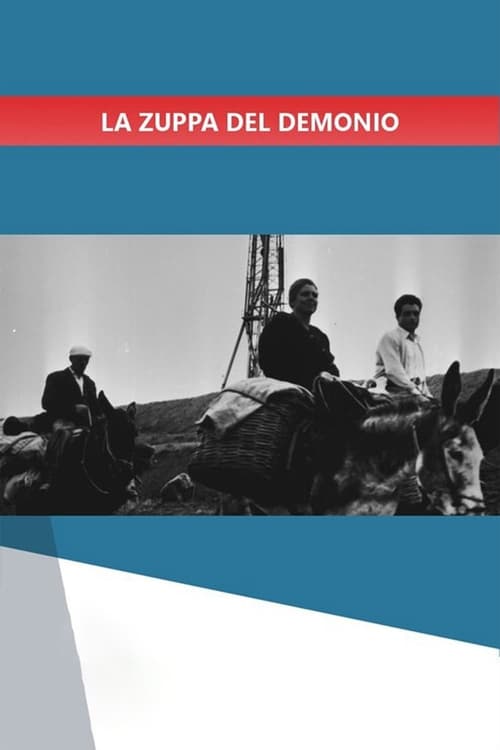
A story of the exploits carried out by the oil technicians of Baku for the exploitation of the black gold deposit of the Caspian Sea.
Whales beached after ingesting plastic, oceans soiled: a quarter of marine waste today comes from cans and plastic bottles. The drinks industry produces 470 billion single-use bottles each year, 25% of which come from Coca-Cola. Although the world's largest soft drink producer has set ambitious targets to prevent this environmental pollution, it has often failed to do so. In the 1950s, the company sold its drink exclusively in returnable glass bottles, which it washed and refilled. Two decades later, these were replaced by disposable bottles - a decision whose devastating effects still linger.
Lee Anne Schmitt explores California's landscape and past to document the history of one-time boom towns built and abandoned by the industries that necessitated their creation. Sold as a limitless land expansive with free opportunity, California was actually, from its onset, fissured by the interwoven needs of private and public interests. Schmitt's film covers various locations through time, as the major industries of the early 20th century (mining, lumber, oil) give way to the military, eventually leading to multinational corporations, and the use of small towns as satellites for growing urban metropolises.
The “Prophecy of the 7th Fire” says a “black snake” will bring destruction to the earth. For Winona LaDuke, the “black snake” is oil trains and pipelines. When she learns that Canadian-owned Enbridge plans to route a new pipeline through her tribe’s 1855 Treaty land, she and her community spring into action to save the sacred wild rice lakes and preserve their traditional indigenous way of life. Launching an annual spiritual horse ride along the proposed pipeline route, speaking at community meetings and regulatory hearings. Winona testifies that the pipeline route follows one of historical and present-day trauma. The tribe participates in the pipeline permitting process, asserting their treaty rights to protect their natural resources. LaDuke joins with her tribe and others to demand that the pipelines’ impact on tribal people’s resources be considered in the permitting process.
This 10-minute short documentary exploring the shifting state of the American poultry industry was preserved in 2015 from an original nitrate print. More information is available on the film's page in the National Film Preservation Foundation's website, where this version can be found featuring original music by Michael D. Mortilla.
An engineering feat: Second city civil engineers complete a new bridge to carry traffic over New Street's tangled railway intersections.
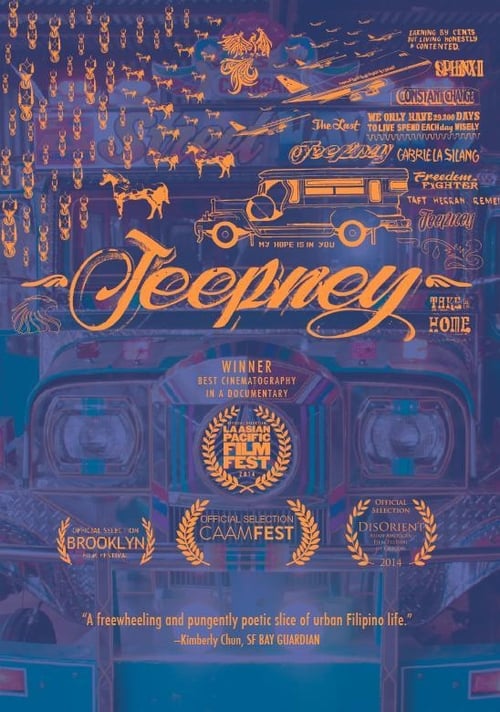
JEEPNEY visualizes the richly diverse cultural and social climate of the Philippines through its most popular form of mass transportation: vividly decorated ex-WWII military jeeps. The film follows jeepney artists, drivers, and passengers, whose stories take place amidst nationwide protest against oil price hikes that pressure drivers to work overseas to earn a living, far from their homes for years at a time. Lavishly shot and cut to the rhythm of the streets, JEEPNEY provides an enticing vehicle through which the rippling effects of globalization can be felt.
It's the musical phenomenon of the moment: K-Pop, short for "Korean Pop," has taken the world by storm in just a few years. But behind the powerful lyrics, elaborate choreography, and polished looks lies a ruthless industry.
No Cast found.