FILM TO PASS TIME
Experimental documentary dissecting artistic inspiration through raw imagery and collage, aiming to answer a defining question for artists: What to film?
No Trailers found.
Narrator
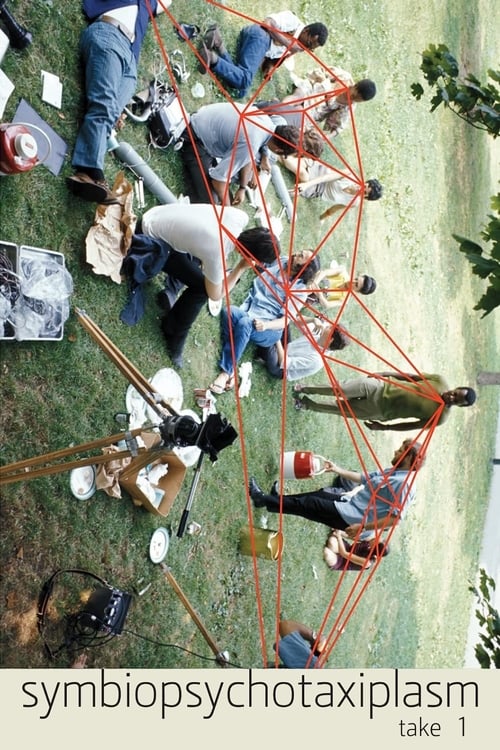
In Manhattan's Central Park, a film crew directed by William Greaves is shooting a screen test with various pairs of actors. It's a confrontation between a couple: he demands to know what's wrong, she challenges his sexual orientation. Cameras shoot the exchange, and another camera records Greaves and his crew. Sometimes we watch the crew discussing this scene, its language, and the process of making a movie. Is there such a thing as natural language? Are all things related to sex? The camera records distractions - a woman rides horseback past them; a garrulous homeless vet who sleeps in the park chats them up. What's the nature of making a movie?
Belfast-born actor Stephen Rea explores the impact of Brexit and the uncertainty of the future of the Irish border in a short film written by Clare Dwyer Hogg.
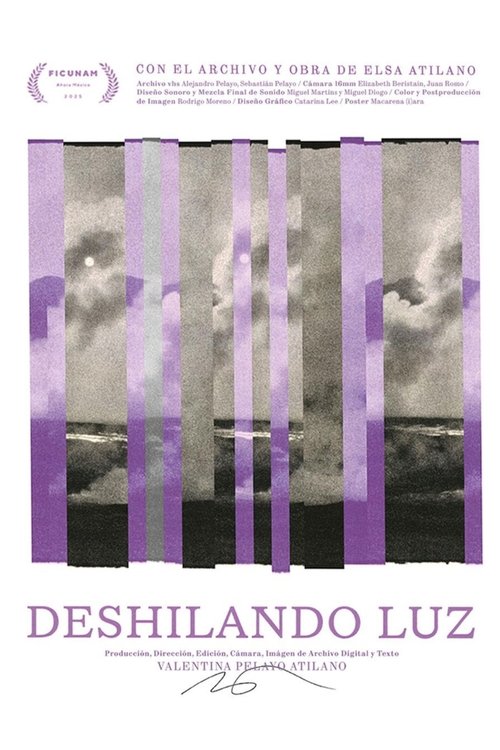
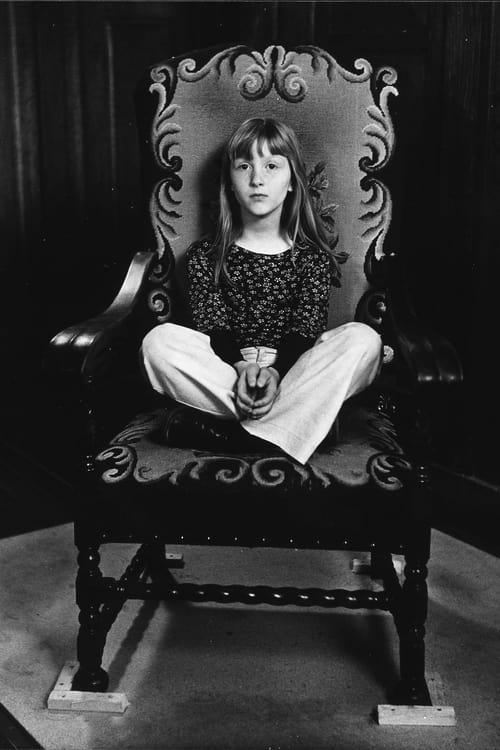
A film essay that intertwines the director's gaze with that of her late mother. Beyond exploring mourning and absence as exclusively painful experiences, the film pays tribute to her mother through memories embodied by places and objects that evidence the traces of her existence. The filmmaker asks herself: What does she owe her mother for who she is and how she films? To what extent does her film belong to her?
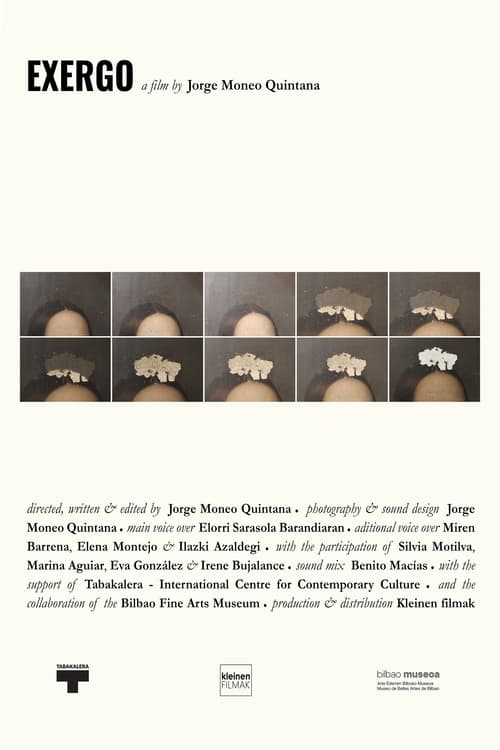
Departing from peripheral details of some paintings of the Bilbao Fine Arts Museum, a female narrator unravels several stories related to the economic, social and psychological conditions of past and current artists.
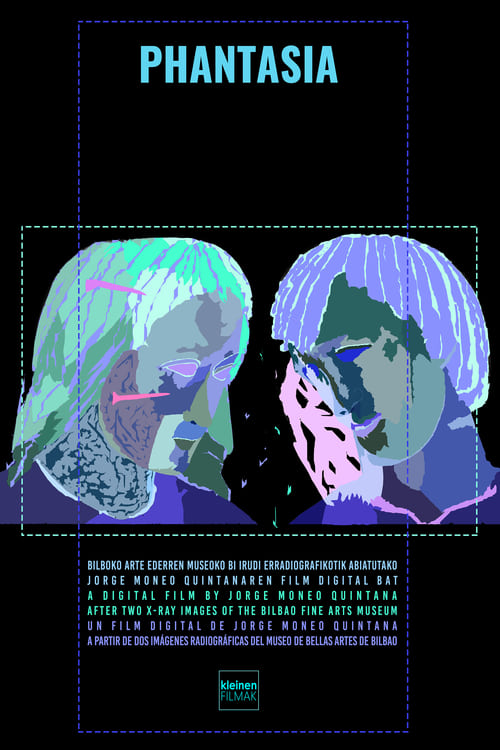
X-ray images were invented in 1895, the same year in which the Lumière brothers presented their respective invention in what today is considered to be the first cinema screening. Thus, both cinema and radiography fall within the scopic regime inaugurated by modernity. The use of X-rays on two sculptures from the Bilbao Fine Arts Museum generates images that reveal certain elements of them that would otherwise be invisible to our eyes. These images, despite being generally created for technical or scientific purposes, seem to produce a certain form of 'photogénie': they lend the radiographed objects a new appearance that lies somewhere between the material and the ethereal, endowing them with a vaporous and spectral quality. It is not by chance that physics and phantasmagoria share the term 'spectrum' in their vocabulary.
No overview available.
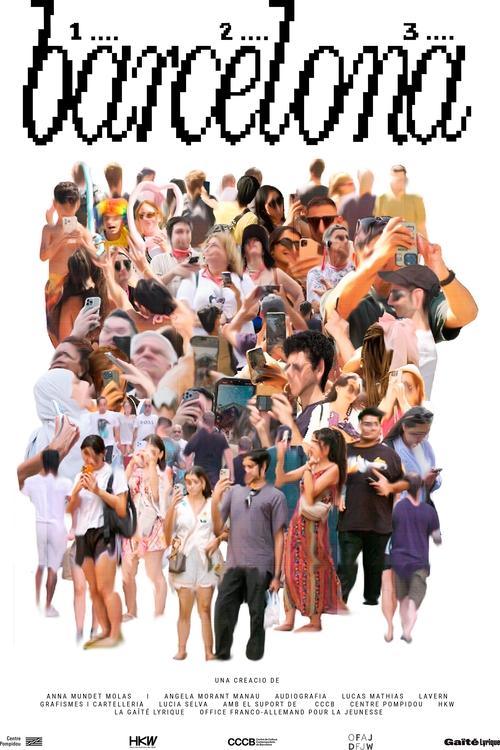
Tourists eating and taking photos. Tourists strolling and taking photos. Tourists bathing on the beach and taking more photos. Barcelona has become an overexploited photocall to the point of paroxysm, and this is what this film shows by turning the camera and pointing towards the visitors. A small gesture that, added to a powerful sound contrast and a caustic sense of humour, exposes without subterfuge a grotesque normality.
In July of 2021 there was a flood of catastrophic scope in the Ahrtal Region of Germany. 135 people lost their lives and countless others lost their possessions, their homes, their most treasured mementos. Three years later the reconstruction is progressing slowly. This is an attempt at exploring, what it means to irretrievably lose a part of ones’ past.
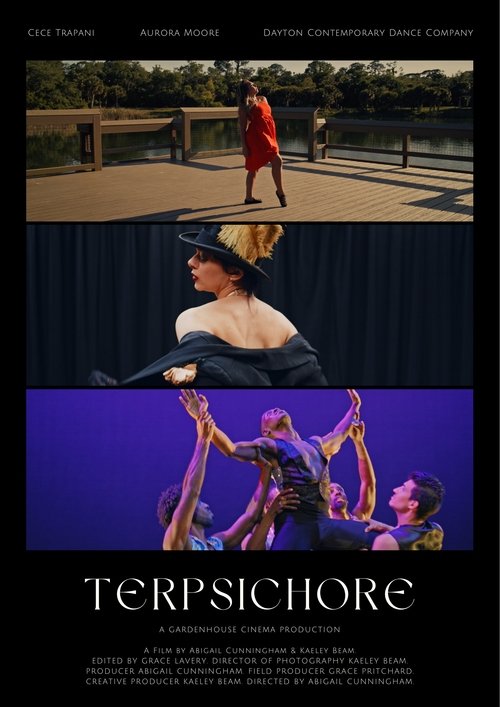
Terpsichore is a captivating exploration of dance as an art form, illuminating the passion, discipline, and vulnerability that transform movement into poetry. The documentary follows three distinct yet interconnected artists: Cece Trapani, an Irish dancer; Aurora Maur, a burlesque performer; and the Dayton Contemporary Dance Company (DCDC), a renowned contemporary dance ensemble. Through their stories, Terpsichore reveals the universal language of dance—one that transcends genre and speaks to the depths of human emotion. Intimate interviews and behind-the-scenes rehearsal footage offer a raw, unfiltered look at the artistry behind each performance, capturing the essence of dance as both personal expression and a bridge between artist and audience. More than a showcase of technique, Terpsichore delves into the soul of movement, celebrating its power to connect, inspire, and reveal the unspoken truths of the human spirit.
Brazilian documentary short about the life of Edna — actress of Iracema.
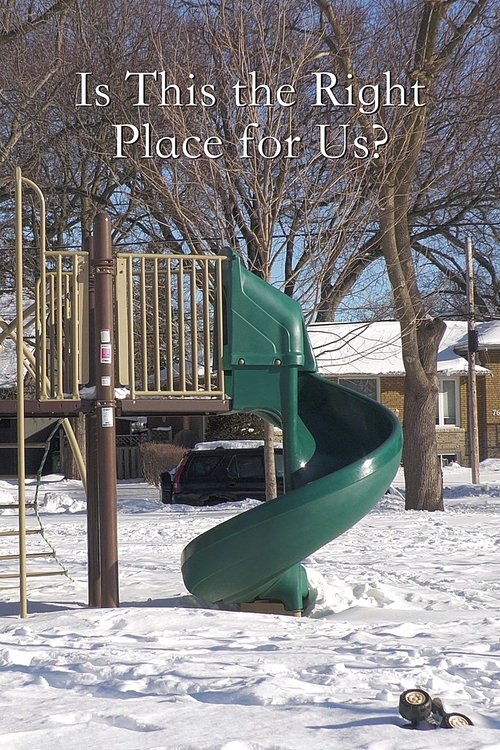
A short experimental documentary that interrogates how the modernization of parks and playgrounds in Long Branch (a neighbourhood in South Etobicoke in Toronto, Canada) both reflects and contributes to the overall rise in the cost of living in the area by exploring children's relationships to the community spaces around them. The film includes footage from four local parks and playgrounds, personal archival materials, interviews with five South Etobicoke locals, and an art-based workshop at a local junior middle school.
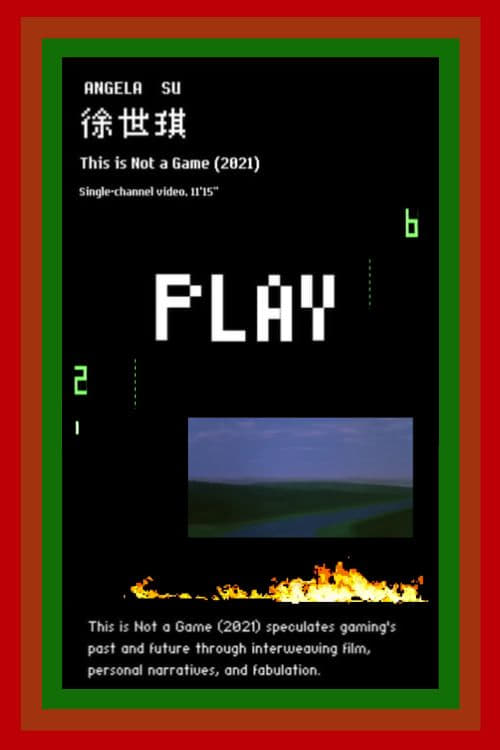
Angela Su’s fictional artist Rosie Leavers is the last remaining person to upload her consciousness to a video game. Contemplating during a pandemic year which also saw people’s resistance movements in many parts of the world, the work pinpoints the uncanny affinities between gaming and warfare strategies. They have mutually informed the infrastructure of both worlds since time immemorial when diplomatic conflicts played out on the battlefield of the 64 squares of a chess board to flight simulation technologies which were adapted to shape gaming experiences as we know it now. When the conflict is between the state and its people, she speculates that gaming strategies empower civilians in resistance movements to counter imperialism through its own operative logic. But once we upload our consciousness, are we able to return to the sensibilities and political motivation that inspired the revolution to begin with?
Residents of the same street in Haarlem, and acquaintances and relatives of Kees Hin, together tell the story of Little Red Riding Hood, each in fifteen words.
Four filmmakers working in the region of Galicia (in the northwest of Spain) follow and portray on the screen Galician artists working in disciplines of different nature. The result is four pieces around the creative process of these artists. Lois Patiño film their parents working on their paintings in their studio in Vigo, Jaione Camborda films dancer Janet Novás rehearsing for one of her pieces, Xisela Franco follows film director Margarita Ledo revisiting the location of her latest film Nation and Alfonso Zarauza reflects on the relationship between actress-director by putting together the work of Melania Cruz in two of their collaborations.
In 1829 the naturalist Alexander von Humboldt attempted a russian-siberian expedition. Humboldt travelled to obtain a clear view of nature, people and life in this immense country. 2019 naturalists and humanists attempted a transdisciplinary expedition on the trails of Humboldt. To capture the events various cameras were taken along. A non-chronological narration.
An experimental portrait of Fernando Fernán Gómez, one of the most renowned Spanish artists of all time.
An experimental half-documentary half-fiction about a young person’s routine of getting to sleep and waking up.