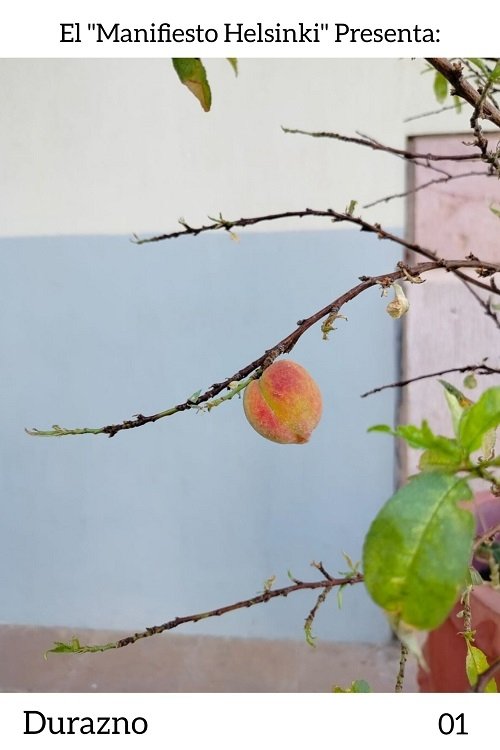
First part of "La trilogía de las frutas" and the first short film belonging to the "Manifiesto Helsinki" film movement.
No Trailers found.
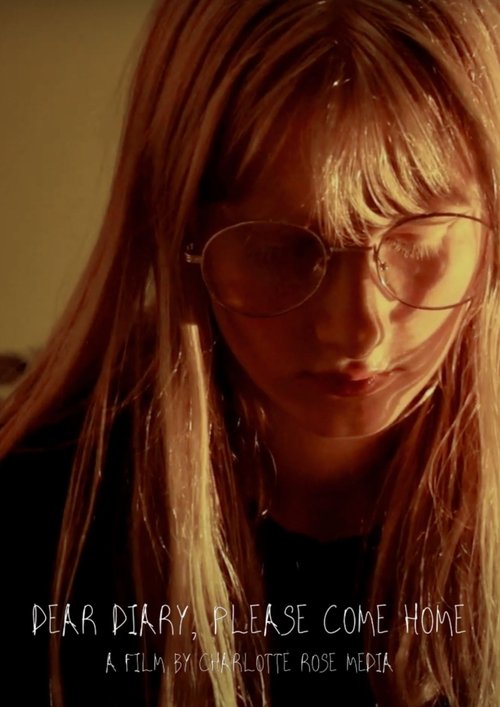
A young girl turns into an A-List celebrity over night when her private journal is accidently published and becomes a best-seller.
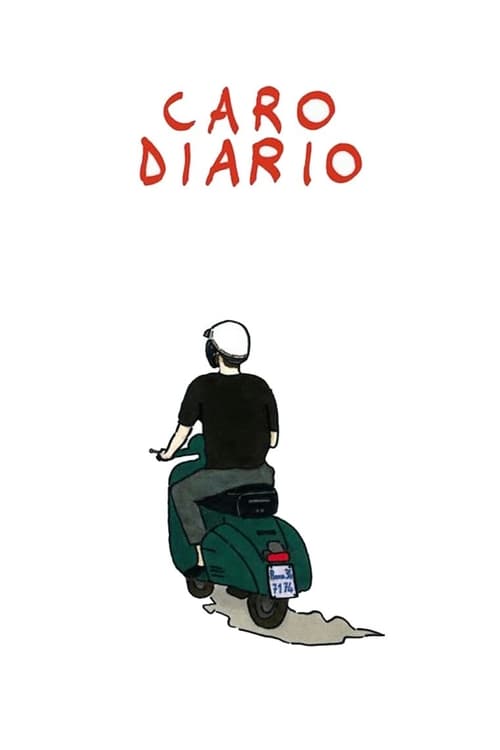
Nanni Moretti recalls in his diary three slice of life stories characterized by a sharply ironic look: in the first one he wanders through a deserted Rome, in the second he visits a reclusive friend on an island, and in the last he has to grapple with an unknown illness.
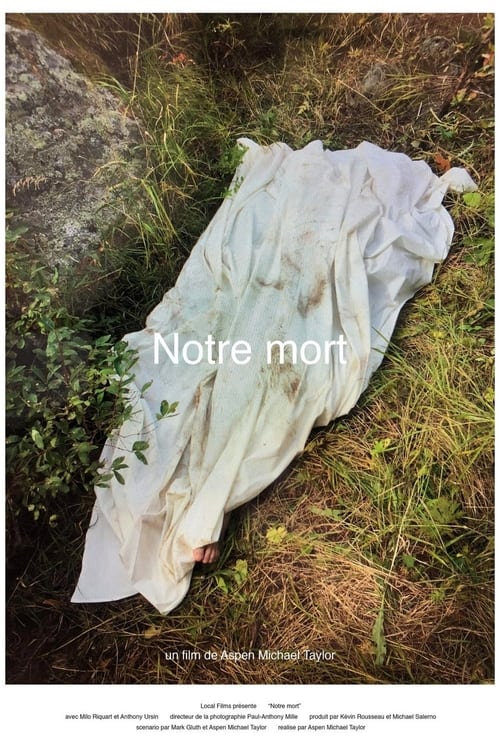
Two teen boys living in an isolated house in the mountains contemplate their existence while maintaining a video diary of their daily lives.
An old man comes across a fascinating archive, then meets a woman who introduces him to the life of a banker, patron and philanthropist. A moving essay that is part documentary, part film diary.
cellular memories, schizophrenia, and emancipatory masculinity.
An experimental coming-of-age odyssey through someone's troubled mind, going from country to country, landscape to landscape, growing up in the process. A documentary, travelogue, vlog, dream and self-portrait. A reflection on life, death and history.
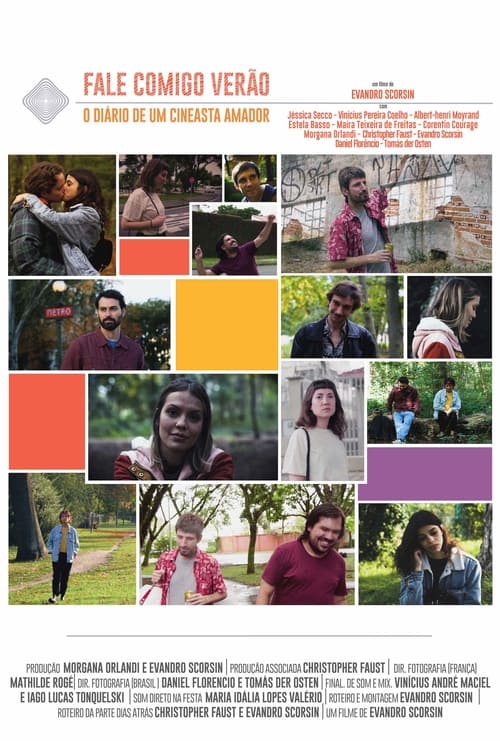
For years, together with his partners from the production company O Quadro, he has been betting on cinema as a tool to explore the typical issues of youth. In this film, Evandro Scorsin turns the cameras on himself as he deals with the dilemmas of the passing of time and the imposition of adulthood. In an exercise in autofiction where cinema and life merge, the film is also a cinematic love letter to the beloved masters (especially Nicholas Ray). Coming and going between two countries and times, it records the vertigo of displacement and the reinventions inherent to an immigrant experience.
It has been a year since Juliette’s sister has passed and she hasn’t been doing so well since that day, but she must learn how to be kind to herself.
A passionate foodie loses his beloved hawker stalls to corporate pressure, he reluctantly turns to processed food he calls 'trash' in a moment of deep sorrow and disappointment as he grieves the loss of his favourite food stalls.
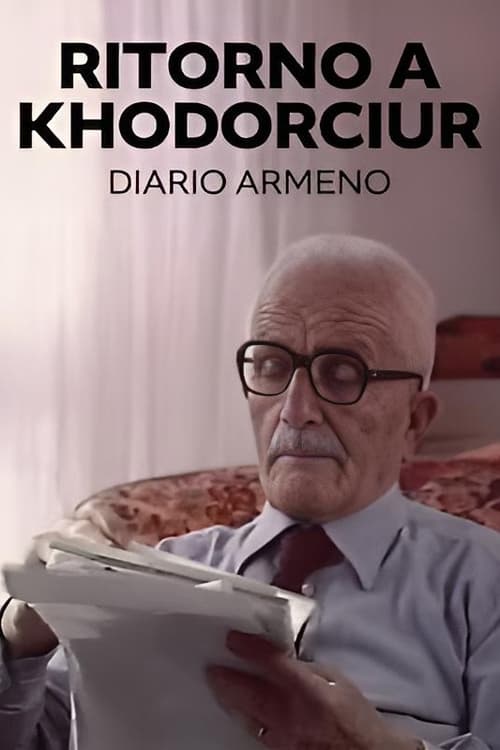
Raphael, Yervant Gianikian's father, survived the Armenian genocide in 1915 in Eastern Turkey. In April 1988, while living in Venice, he sat for his son's camera and read an excerpt from his memoirs, translated from Armenian into Italian.
This short, started early on into sobriety, finished about nine months in, is a collage of diaries and notes, collected from within addiction and into recovery.
A twentysomething spends a year closer and further from friends. A unique look at the Philly scene in the year 2021.
Through phone call conversations, an aspiring Ilocano filmmaker relates to his mother working in Italy about his dreams and struggles while documenting the invisible betweenness of their language and distance.
Jonas Mekas assembles 160 portraits, appearances, and fleeting sketches of underground and independent filmmakers captured between 1955 and 1996. Fast-paced and archival in spirit, the film celebrates the avant-garde as its own “nation of cinema,” a vital community existing outside the dominance of commercial film.
'Eigi Sylhet' is a journey of my self-discovery. With no narrative, this two-minute diary film paints a portrait of my resilience and artistic awakening, weaving together my self-portraits and cityscapes captured in 2018, a year I spent in oblivion, solitude and contemplation. It's a letter I wrote to my future self.
Also known as Walden, Jonas Mekas’s first diary film is a six-reel chronicle of his life in 1960s New York, interweaving moments with family, friends, lovers, and artistic idols. Blending everyday encounters with portraits of the avant-garde art scene, it forms an epic, personal meditation on community, creativity, and the passage of time.
On January 1st, 1999, Caveh Zahedi started a one-year video diary. The idea was to shoot one minute each day. This is the result.
A compilation of over 30 years of private home movie footage shot by Lithuanian-American avant-garde director Jonas Mekas, assembled by Mekas "purely by chance", without concern for chronological order.
Drawn from footage shot between 1949 and 1963, Jonas Mekas’s autobiographical diary film chronicles his early years in exile, capturing the struggle to build a new life in New York and his gradual discovery of a vibrant artistic community.
Homeo is a mental construction made from visual reality, just as music is made from auditive reality. I put in this film no personal intentions. All my intentions are personal. I’ve made this film thinking of what the audience would have liked to see, not something specific that I wanted to say: what the film depicts is above all reality, not fiction. Homeo is, for me, the search for an autonomous cinematographic language, which doesn't owe anything to traditional narrative, or maybe everything. Cinema is, above all, part of a way of life which will become more and more self-assured in the years and century to come. We are part of this change, and that’s why I tried in Homeo to establish a series of perpetual changes, in constant evolution or regress, which tries, above all, to focus on things.
Él
Ella