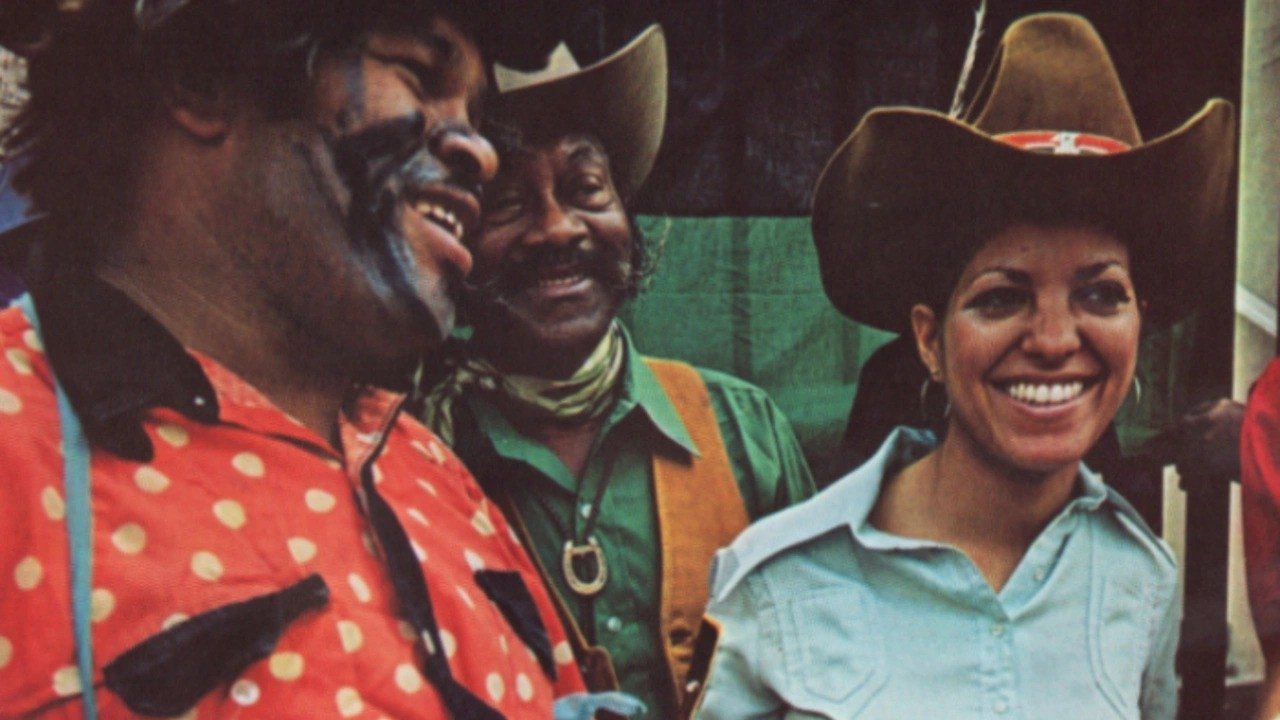
Nobody ever told you there were Black Cowboys.
Documentary about a rodeo that takes place, for the most part, in Harlem.
Narrator (voice)
Self
Bud
Cleo
James
Rocky
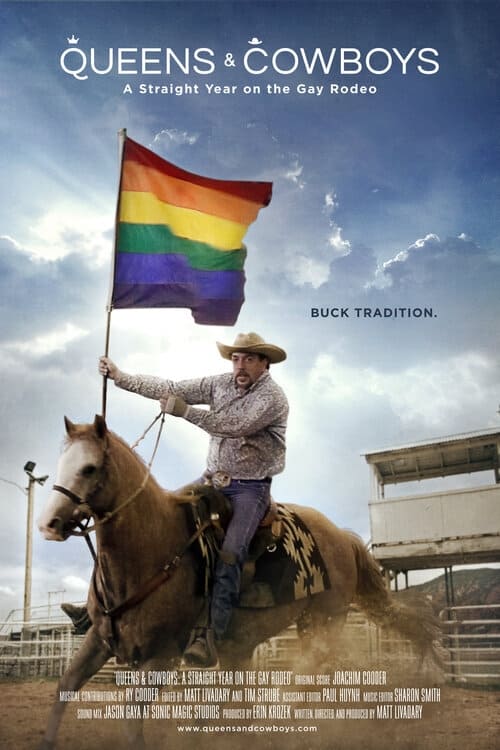
A feature film that chronicles a complete season of the International Gay Rodeo Association. Roping and riding across north America for the past 30 years, the IGRA's courageous cowboys and cowgirls brave challenges both in and out of the arena on their quest to qualify for the World Finals at the end of the season. And along the way, they'll bust every stereotype in the book.
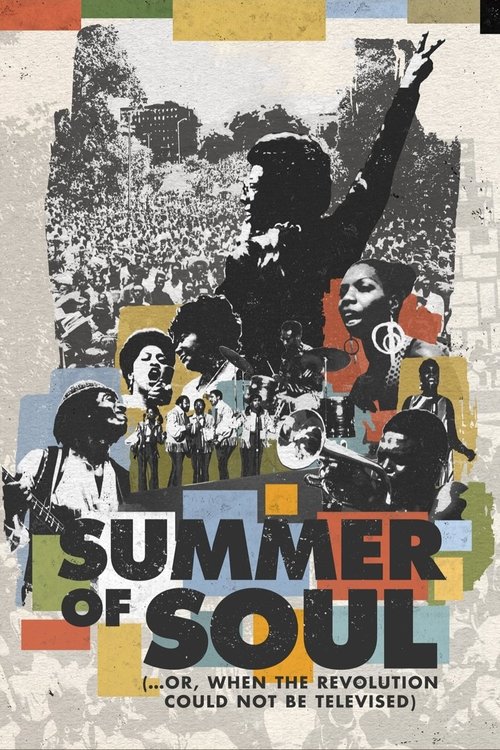
During the same summer as Woodstock, over 300,000 people attended the Harlem Cultural Festival, celebrating African American music and culture, and promoting Black pride and unity. The footage from the festival sat in a basement, unseen for over 50 years, keeping this incredible event in America's history lost — until now.
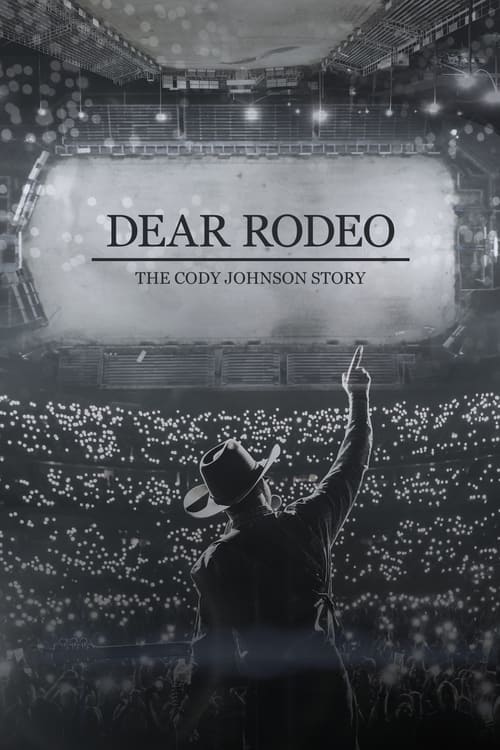
Dear Rodeo: The Cody Johnson Story, a brand-new cinematic feature-length documentary, is the much bigger picture, recounting Johnson’s real-life journey from the dusty rodeo arenas of rural Texas to some of the biggest musical stages in America. Every emotion Johnson felt over the past 20 years – whether he was standing in the back of the chute at the rodeo or singing about it in front of 75,000 fans – is captured vividly in this big screen experience, with all the highs and lows that come from the dreams you cling to and the dreams you ultimately let go of. Featuring interviews with Reba McEntire, Taya Kyle (the widow of “American Sniper” Chris Kyle), and more, this evocative and celebratory film is a love letter to everyone who has had to abandon a dream in order to find true purpose.
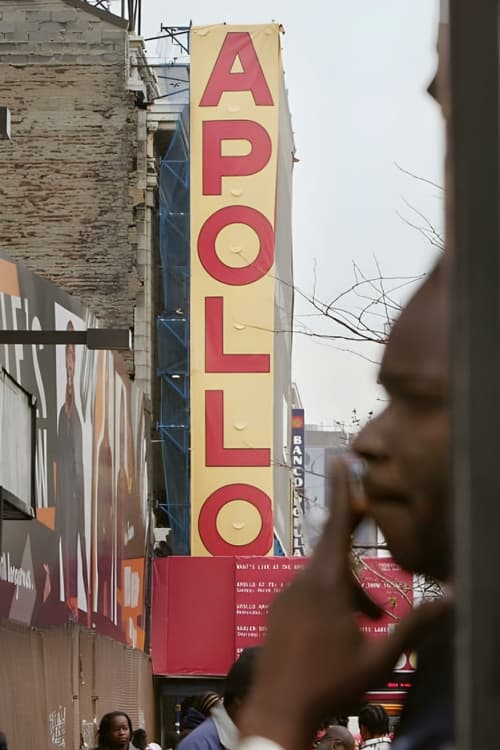
Some of the world's best jazz, R & B, hip-hop, rap, gospel and Latin musicians perform classic and modern songs in this 2004 benefit show celebrating the 70th year of Harlem's famed Apollo Theater. Performers include Natalie Cole, Ashanti, Brian McKnight, Yolanda Adams with the Abyssinian Baptist Choir, James Ingram, Herbie Hancock, Branford Marsalis, Doug E. Fresh, Slick Rick, Patti LaBelle, Angie Stone and Arturo Sandoval.
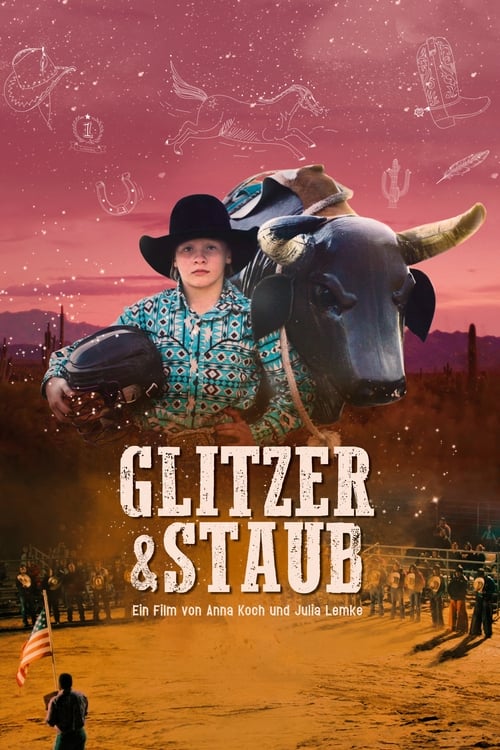
Four girls living in the lonely vastness of the USA share one passion: The wild world of rodeo. Although they move about in the powerful imagery of the American prairie and the myths of the Wild West, they give it new resonance and break free of it. In a world which used to belong to their fathers and brothers, they prove that "you ride like a girl" is not an insult but a compliment.
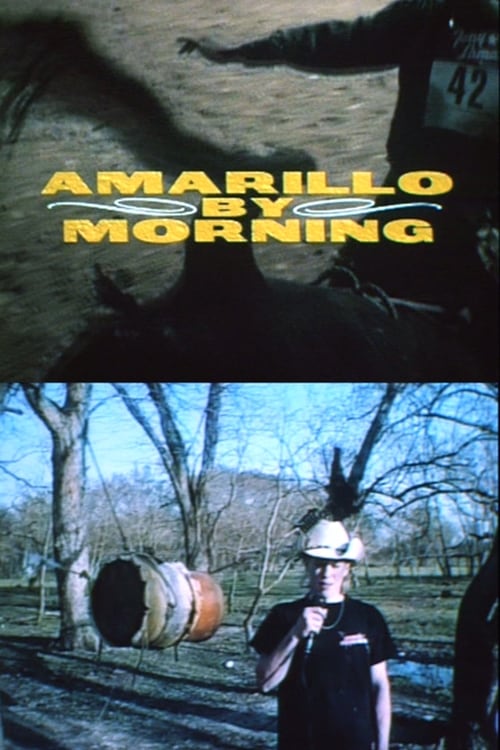
While filming professional bullriders for a commercial at the national rodeo in Houston, Texas, Spike Jonze befriended two suburban teenagers who aspired to be cowboys. The documentary chronicles an afternoon in their lives.
Bronco riders travel through South Dakota and round up 400 wild horses in danger of extinction, then bring them to Fort Pierre where they are ridden by broncobusters in rodeo competition.
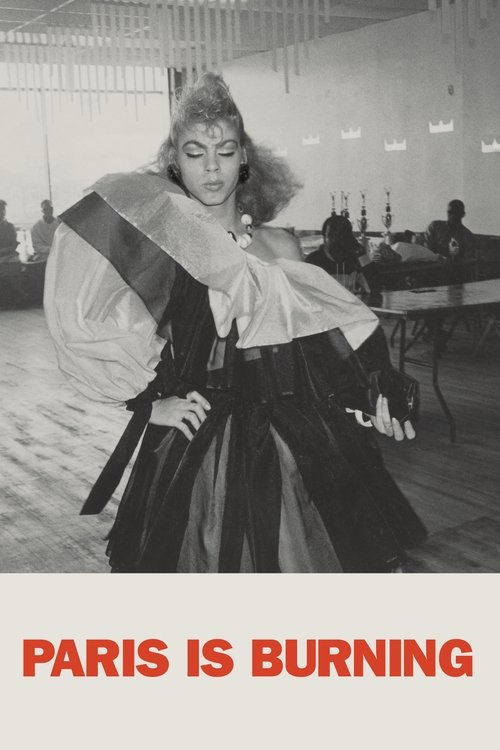
Where does voguing come from, and what, exactly, is throwing shade? This landmark documentary provides a vibrant snapshot of the 1980s through the eyes of New York City's African American and Latinx Harlem drag-ball scene. Made over seven years, PARIS IS BURNING offers an intimate portrait of rival fashion "houses," from fierce contests for trophies to house mothers offering sustenance in a world rampant with homophobia, transphobia, racism, AIDS, and poverty. Featuring legendary voguers, drag queens, and trans women — including Willi Ninja, Pepper LaBeija, Dorian Corey, and Venus Xtravaganza.
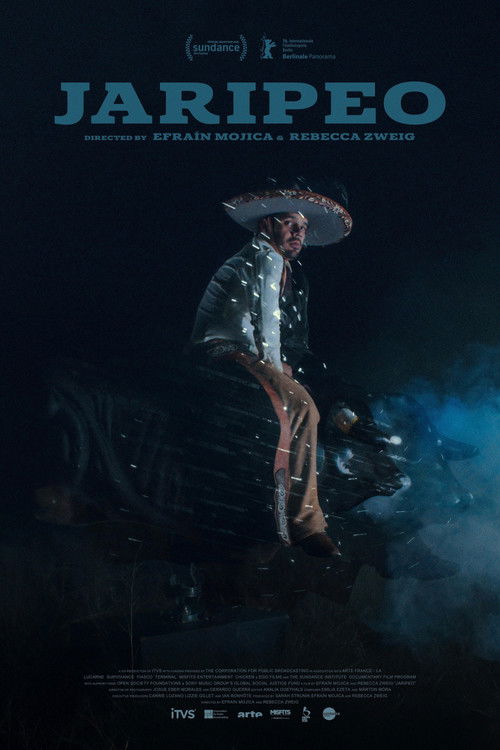
Set against the vibrant spectacle of the jaripeo, a symbol of Mexican cowboy tradition and machismo, this story unveils a hidden world of queer desire and quiet rebellion. As glances and gestures disrupt the rigid norms of masculinity, the rodeo becomes a stage for our protagonists to navigate identity, community, and the search for belonging in an oppressively traditional space.
RODEO ROAD explores the unique cowboy culture of Australia's remote north west in the pursuit of the rodeo dream - eight seconds of bull riding glory. Each year cowboys from across the Kimberley load up their saddles, chaps and wranglers and go rough-riding. Some are born and bred in the saddle, while others are young ringers from over east who come to muster through the dry season. Come rodeo time they are chasing the dream, gripped by the rodeo fever of the wild north west.
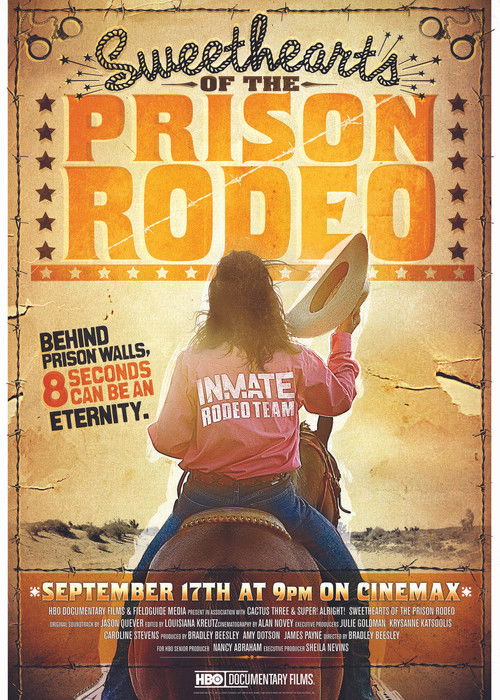
Sweethearts of the Prison Rodeo' goes behind prison walls to follow convict cowgirls on their journey to the 2007 Oklahoma State Penitentiary Rodeo. In 2006, female inmates were allowed to participate for the first time. In a state with the highest female incarceration rate in the country, these women share common experiences such as broken homes, drug abuse and alienation from their children. Since 1940, the Oklahoma State Penitentiary has held an annual 'Prison Rodeo'. Part Wild West show and part coliseum-esque spectacle, it's one of the last of its kind - a relic of the American penal system. Prisoners compete on wild-broncs and bucking bulls, risking life-long injuries. For inmates like Danny Liles, a 14-year veteran of the rodeo, the chance to battle livestock offers a brief respite from prison life. Within this strange arena the prisoners become the heroes while the public and guards applaud
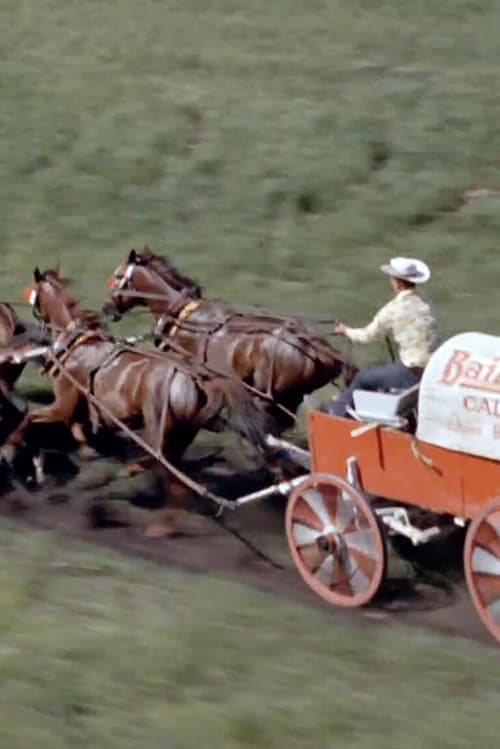
Focusing on the sport of chuckwagon racing at the Calgary Stampede, captured through a mix of aerial, POV, and ringside footage, the film is ahead of its time in the way it captures adrenaline-pumping action. This short documentary offers a ringside view of the chuckwagon race, star attraction of the world-famous Calgary Stampede. Once ponderous Percheron and Clydesdale draught thundered around the course. Now they are racers, and it takes a firm hand to guide such horsepower.
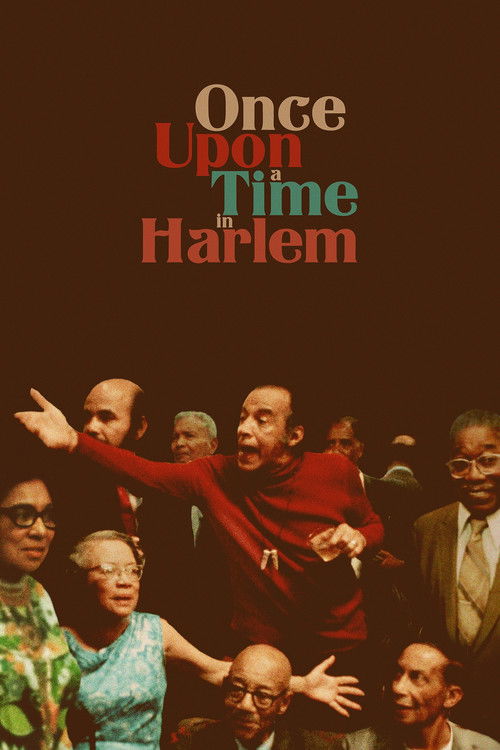
A decade after his death, genre-defying filmmaker William Greaves has one last trick up his sleeve with what he considered the most important event he captured on film: a 1972 party he engineered with the living luminaries of the Harlem Renaissance.
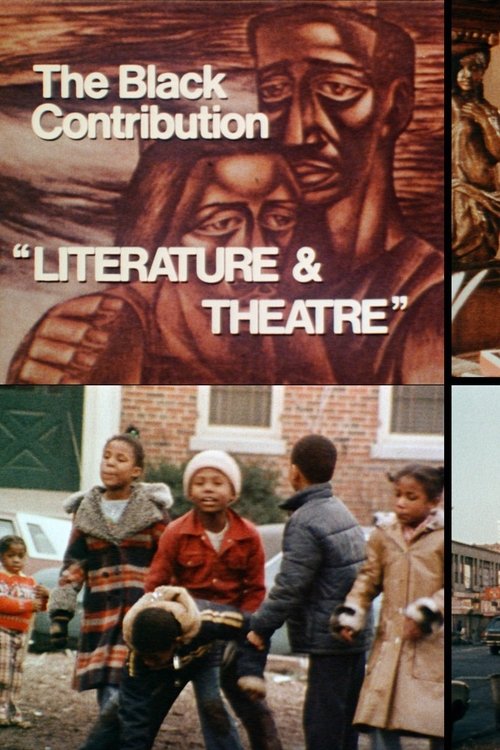
The Black Contribution – Literature and Theater 1978 is a rare documentary highlighting the voices and cultural impact of African American writers and performers during the civil rights era. Introduced by NAACP leader Benjamin Hooks and narrated by Roscoe Lee Brown, the film weaves together dramatic readings, theatrical excerpts, and candid urban street footage. Margaret Walker’s poem For My People is performed alongside scenes of daily Black life in New York City — children playing, families on stoops, open fire hydrants, and the realities of poverty in 1970s neighborhoods. James Baldwin appears in interview footage, while signs for his play The Amen Corner and stage excerpts from Lorraine Hansberry’s A Raisin in the Sun underscore the powerful presence of Black voices in American theater. With rare shots of Harlem life, literature, and performance, this film documents the enduring contributions of African American artists to U.S. culture and history.
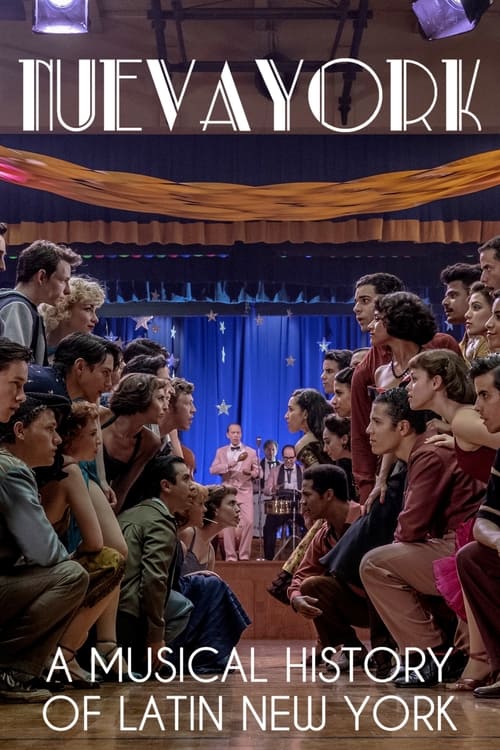
When the film West Side Story was released in 1961, New York's reviled Puerto Rican community gained some visibility and, over time, both in Spanish Harlem and the Bronx, neighborhoods plagued by poverty, drugs and crime, Hispanic identity was reborn and strengthened, thanks to a syncretic and intentionally popular music that eventually conquered the entire city.
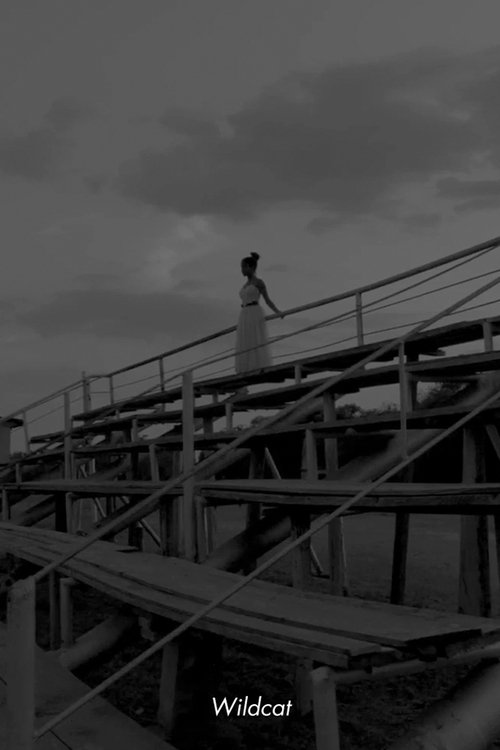
Filmed in Grayson, Oklahoma, Wildcat meditatively combines documentation of a Black rodeo subculture with an abstract portrait of Joseph’s aunt who helped found the event.
The Harlem Blues & Jazz Band during its sunset years: 87-year-old Al Casey, who had worked closely with Fats Waller throughout the 1930s; guitarist Lawrence Lucie, 95 years young, from the bands of Louis Armstrong, Benny Carter and Duke Ellington; saxophonist Bubba Brooks, 79, who was with Bill Doggett; Edwin Swanston, 80, pianist with Louis Armstrong's Orchestra; 91-year-old drummer Johnny Blowers, ex-Bunny Berigan, Billie Holiday and Frank Sinatra; Ivan Rolle, 85, bassist with Jonah Jones; and 88-year-old Laurel Watson, one-time vocalist with Duke Ellington and Count Basie. Baron's cameras record the musicians through their tours and concerts, capturing their joy in performing together. A celebration of the jazz spirit.
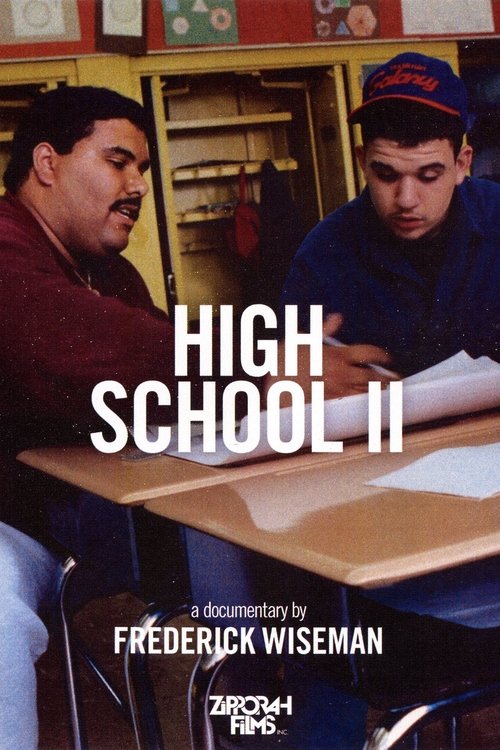
HIGH SCHOOL II is a film about Central Park East Secondary School (CPESS), a successful alternative high school in New York's Spanish Harlem, 85-95% of whose graduates go on to four year colleges. The film illustrates the school's emphasis on the “Habits of Mind” program (weighing evidence; awareness of multiple points of view; seeing connections and relationships; speculating on possibilities; and assessing values.) Sequences illustrating the school's approach to learning include: classroom activities in the humanities and sciences; family conferences; discussions of race, class, and gender; faculty meetings; disciplinary problems; sex education; conflict resolution by students; and student council meetings.
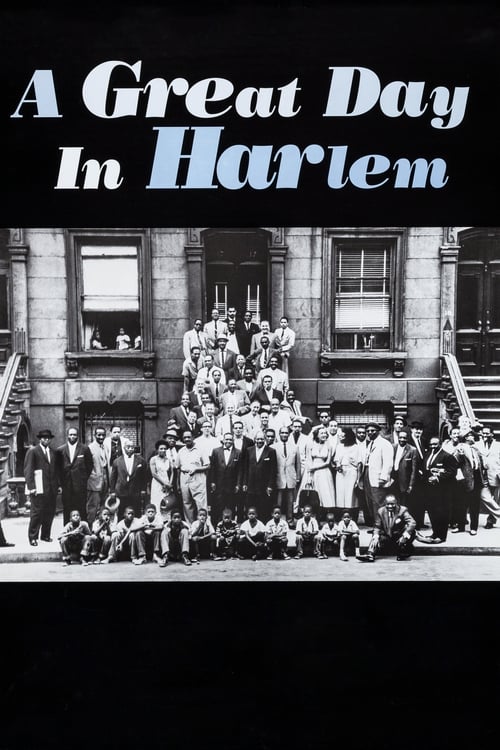
Art Kane, now deceased, coordinated a group photograph of all the top jazz musicians in NYC in the year 1958, for a piece in Esquire magazine. Just about every jazz musician at the time showed up for the photo shoot which took place in front of a brownstone near the 125th street station. The documentary compiles interviews of many of the musicians in the photograph to talk about the day of the photograph, and it shows film footage taken that day by Milt Hinton and his wife.
This acclaimed documentary depicts the sad life of the greatest of all jazz singers, Billie Holiday, a life engraved with personal tragedy and ultimately shortened by drug abuse and alcoholism. Her story and career are portrayed through rare archival film and television appearances, memorable renditions of her greatest songs, and interviews with friends and colleagues.
Trailer