No Trailers found.
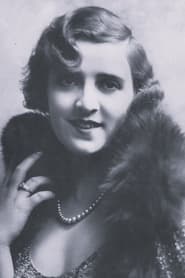
Maria Renal
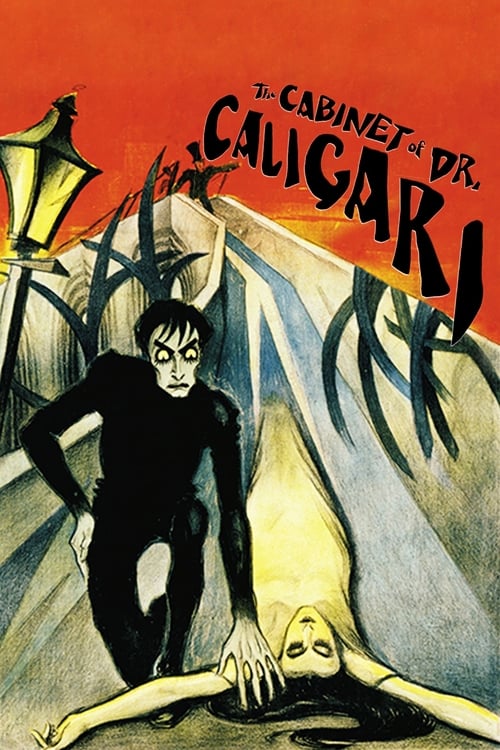
Francis, a young man, recalls in his memory the horrible experiences he and his fiancée Jane recently went through. Francis and his friend Alan visit The Cabinet of Dr. Caligari, an exhibit where the mysterious doctor shows the somnambulist Cesare, and awakens him for some moments from his death-like sleep.
The 27 minute precursor to "Heavy" (1995) made under the mentorship of Miloš Forman, Mangold very focused on expression versus dialogue, especially in the character of Victor; Mangold stated that he was striving to create a "silent film, with sound." Peter Bogdanovich's The Last Picture Show (1971) and Martin Ritt's Hud (1963) served as specific influences.
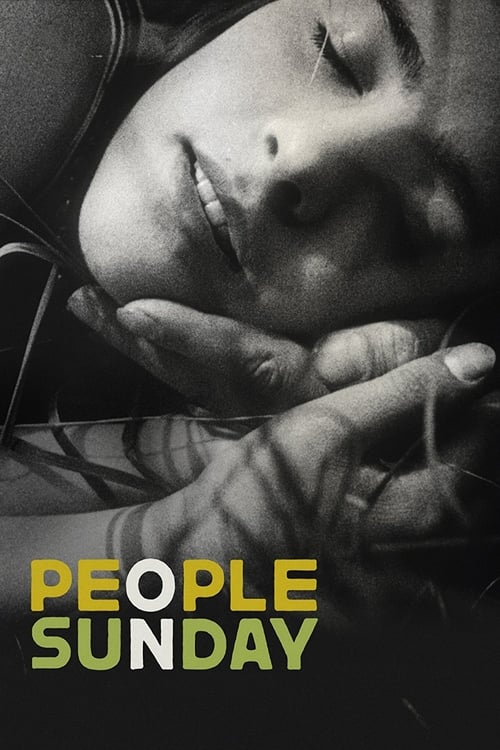
A semi-documentary experimental 1930 German silent film created by amateurs with a small budget. With authentic scenes of the metropolis city of Berlin, it's the first film from the later famous screenwriters/directors Billy Wilder and Fred Zinnemann.
A warlord's nephew lusts for farmer Song Ke's sister. When Song refuses, the whole family is thrown into jail and the sister commits suicide. The father dies of grief and Song lives with his cousin abroad. The warlord's nephew loses power and also escapes to the same country.
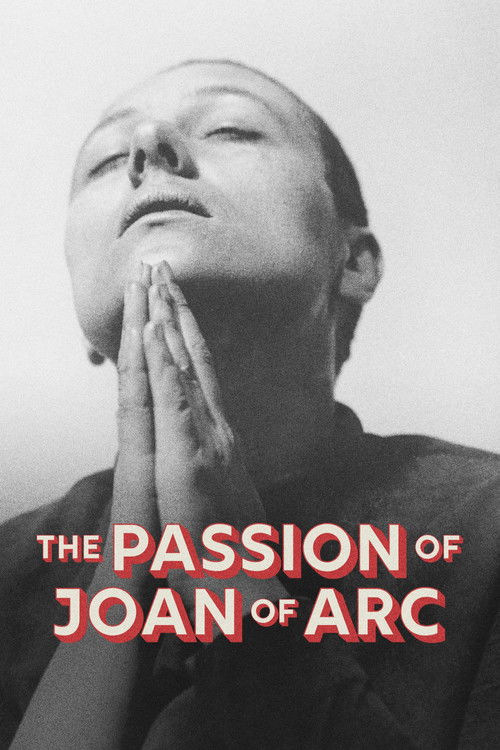
A classic of the silent age, this film tells the story of the doomed but ultimately canonized 15th-century teenage warrior. On trial for claiming she'd spoken to God, Jeanne d'Arc is subjected to inhumane treatment and scare tactics at the hands of church court officials. Initially bullied into changing her story, Jeanne eventually opts for what she sees as the truth. Her punishment, a famously brutal execution, earns her perpetual martyrdom.
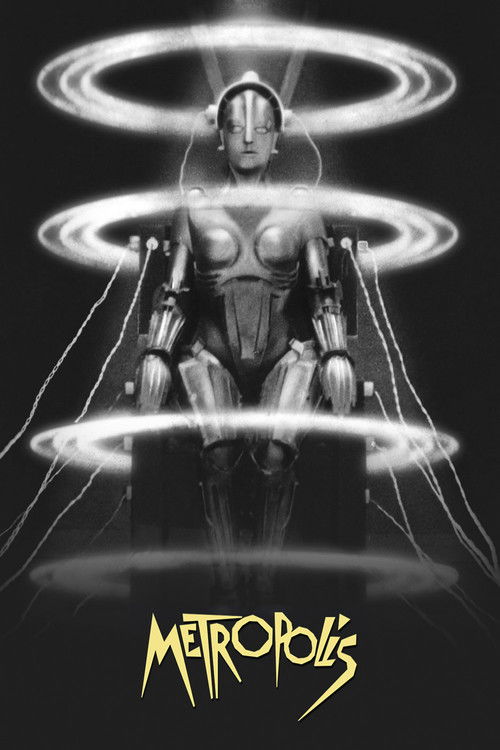
In a futuristic city sharply divided between the rich and the poor, the son of the city's mastermind meets a prophet who predicts the coming of a savior to mediate their differences.
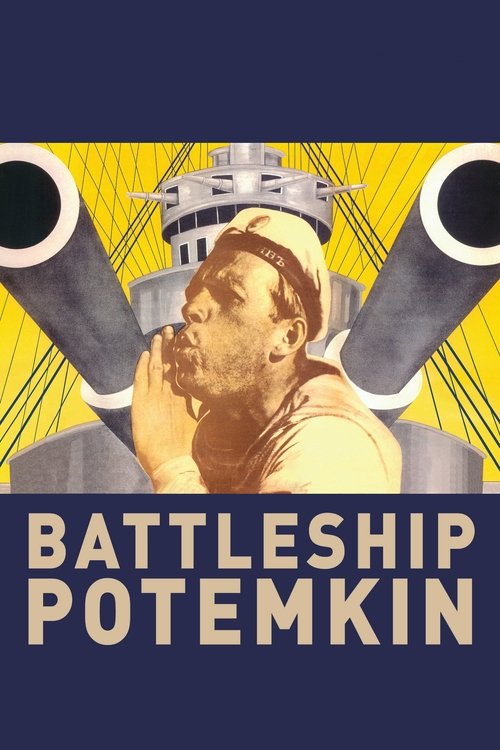
A dramatized account of a great Russian naval mutiny and a resultant public demonstration, showing support, which brought on a police massacre.
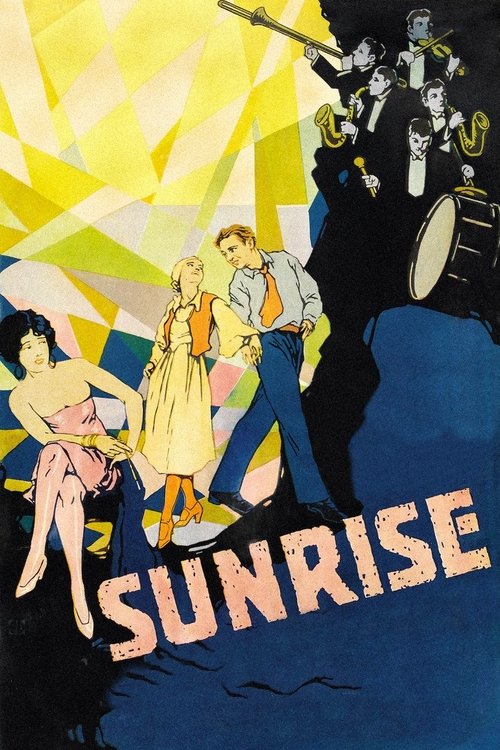
A married farmer falls under the spell of a slatternly woman from the city, who tries to convince him to drown his wife.
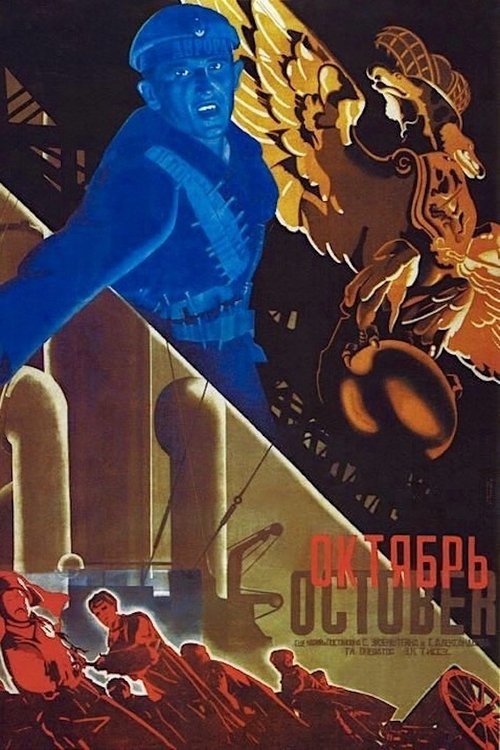
Sergei M. Eisenstein's docu-drama about the 1917 October Revolution in Russia. Made ten years after the events and edited in Eisenstein's 'Soviet Montage' style, it re-enacts in celebratory terms several key scenes from the revolution.
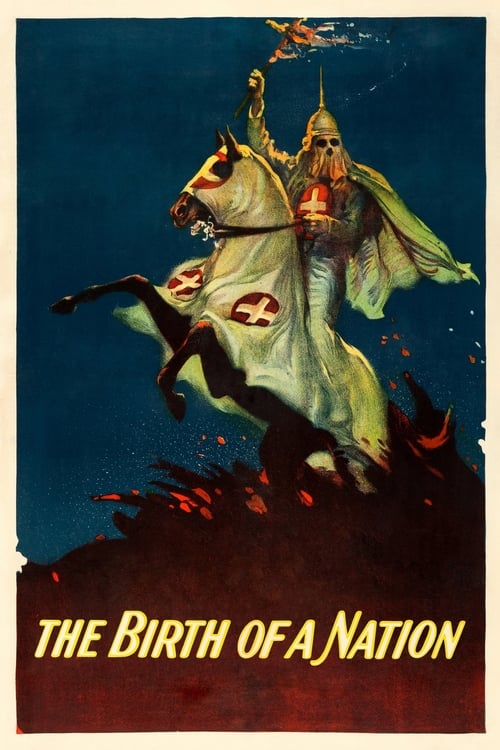
Two families, abolitionist Northerners the Stonemans and Southern landowners the Camerons, intertwine. When Confederate colonel Ben Cameron is captured in battle, nurse Elsie Stoneman petitions for his pardon. In Reconstruction-era South Carolina, Cameron founds the Ku Klux Klan, battling Elsie's congressman father and his African-American protégé, Silas Lynch.
This pioneering documentary film depicts the lives of the indigenous Inuit people of Canada's northern Quebec region. Although the production contains some fictional elements, it vividly shows how its resourceful subjects survive in such a harsh climate, revealing how they construct their igloo homes and find food by hunting and fishing. The film also captures the beautiful, if unforgiving, frozen landscape of the Great White North, far removed from conventional civilization.
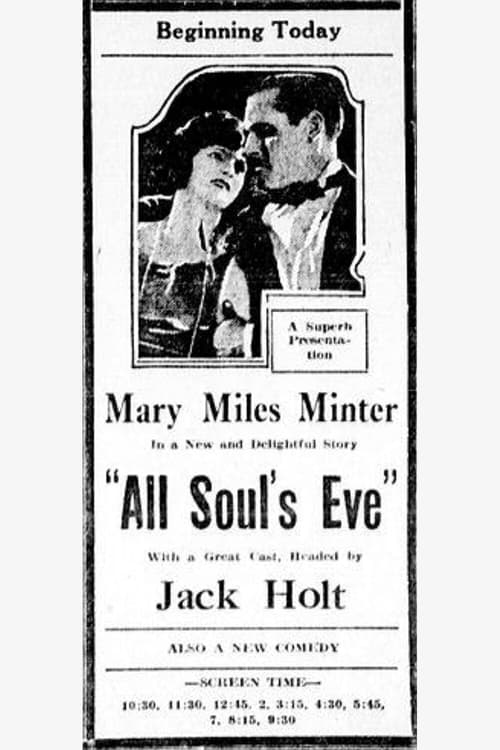
The wife of sculptor Roger Heath is killed by a maniac because of Roger's madly jealous admirer Olivia Larkin. To care for his home and son Peter, Roger hires Irish immigrant Nora O'Hallahan as a nursemaid whom he realizes is possessed by the soul of his departed wife.
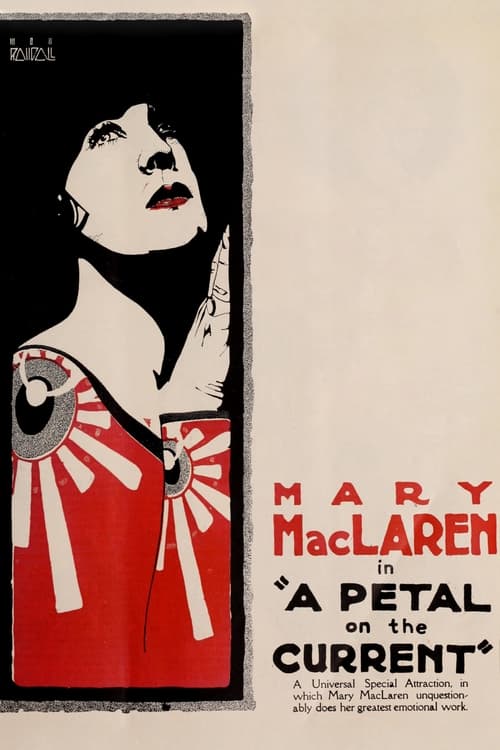
A shop girl finds herself disgraced after being pressured into drinking too much at a party and getting arrested for public drunkenness.
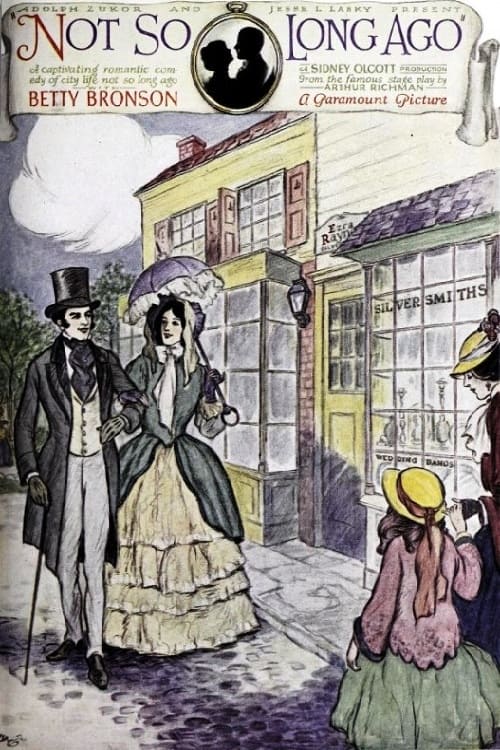
Against the backdrop of New York City of the early 1850s, a young woman -- naively seeking to win the love she reads about in the romance novels she devours -- finds one prospect in an earnest denizen of the Bowery, and another in an elegant young aristocrat. Focusing on the bygone era's fashions, the novelty of the bicycle-built-for-two, and an inventor's quest for the horseless carriage, the film gently stirs the audiences' nostalgia for simpler times.
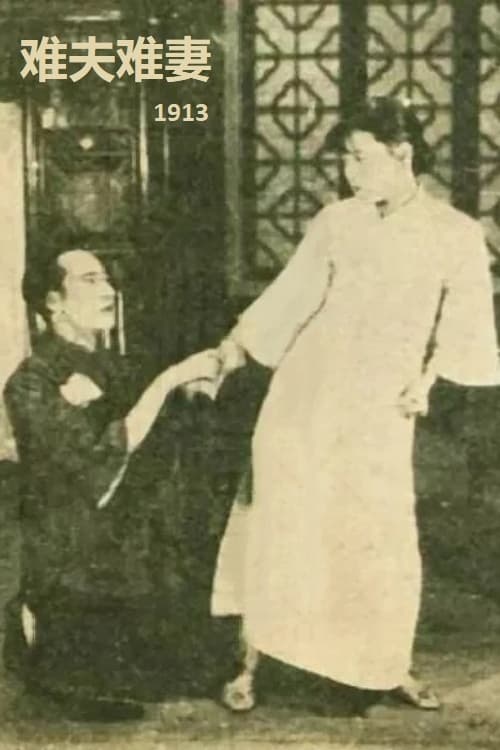
The film tells the story of a man and woman who don't know each other. After being matched by a matchmaker, after going through a series of red tape, they were sent to the bridal chamber and began a difficult life as a couple. Despite the primitive shooting methods and lack of training of the actors, the film has a very important place in the history of Chinese film. The film has now been lost.
After returning home to his long-estranged mother upon a request from her deathbed, a man raised by his parents in an orphanage has to confront the childhood memories that have long haunted him.
After a baron steals his scientific discoveries, runs away with his wife, and slaps him in public, a man joins a Parisian circus sideshow as a clown whose act consists of being slapped repeatedly and becomes infatuated with a showgirl colleague whose father intends to marry her off to the baron.
Gerald Stanley (John Gilbert) is an English gentleman who is engaged to Beatrice Joyce (Alma Frances). But Stanley's personality changes whenever he drinks, and his brother (who also loves Beatrice) uses this to his advantage.
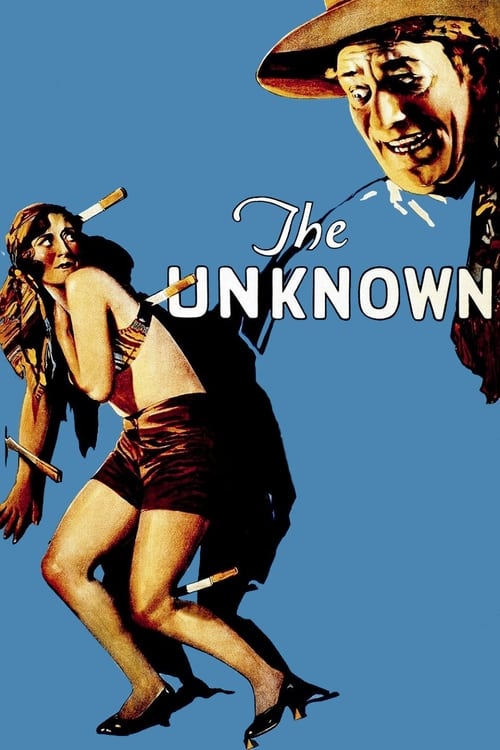
On the lam, criminal Alonzo hides in the circus as The Armless Wonder – a performer who uses his feet to hurl knives. Alonzo keeps the arms he really has concealed to hide his identity. Meanwhile, ringmaster's daughter Nanon has a phobia of being touched by men, but is romantically pursued by not only Alonzo but the strongman Malabar. Alonzo's desperation to remain with Nanon will only end in tragedy.
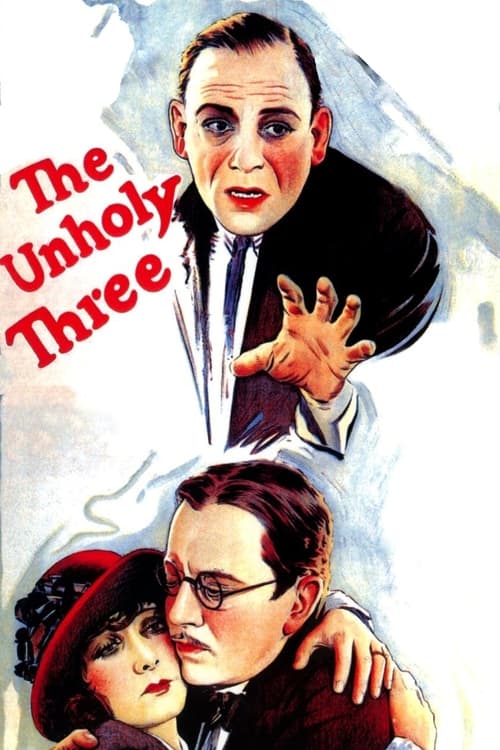
Three sideshow performers form a conspiracy known as "The Unholy Three" - a ventriloquist, midget, and strongman working together to commit a series of robberies.