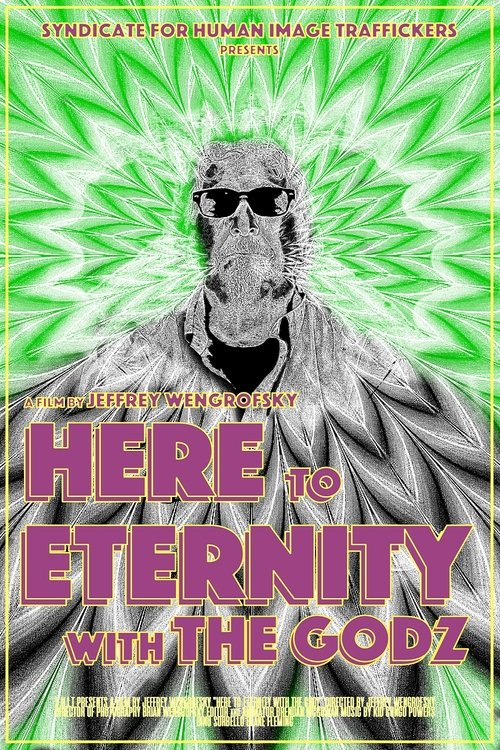
Here to Eternity with The Godz is a psychoactive documentary about The Godz, one of the first psychedelic rock bands.
No Trailers found.
An intimate look at the Woodstock Music & Art Festival held in Bethel, NY in 1969, from preparation through cleanup, with historic access to insiders, blistering concert footage, and portraits of the concertgoers; negative and positive aspects are shown, from drug use by performers to naked fans sliding in the mud, from the collapse of the fences by the unexpected hordes to the surreal arrival of National Guard helicopters with food and medical assistance for the impromptu city of 500,000.
An experimental and iconoclastic journey through the Spanish Holy Week in the late sixties.
A documentary about Edie Sedgwick featuring photos of her and clips from Factory Girl, narrated by her real-life friends and loved ones, including her brother Jonathan, cousin John Sedgwick, roommate Danny Fields, artists Richie Berlin and Gerard Malanga, photographer Nat Finkelstein, designer Betsey Johnson, and others.
This documentary on the "youth movement" of the late 1960s focuses on the hippie pot smoking/free love culture in the San Francisco Bay area.
For all its talk of racial, spiritual, and physical purity, the self-anointed “Master Race” harbored a secret…theirs was an axis of drug addicts. This two-hour special explores the origin, impact, and lasting effects of the state-sponsored drug use that helped build—and eventually burned—the Third Reich. Incredible new sources of information, including a detailed journal maintained by Hitler’s personal physician, reveal the extent of not just his, but the entire Nazi Party’s reliance on drugs to power their war effort.
Cocaine has always gotten a bad rap, and for a reason. It is a drug used by the rich and the poor legally and illegally, Mexican cartels fought over it with Colombia once associated with the brutal cocaine wars, and a source of tension between the American and Mexican borders on the people who are illicitly bringing in cocaine from one side of the border to another and will do anything to do it. So it can be surprising at times to the viewer throughout the course of the documentary special, that it was never always like this.
In 1972, officer Frank Serpico exposes the corruption which poisons the roots of the NYPD and becomes famous in 1973 when director Sidney Lumet tells his story in the classic film “Serpico,” starring Al Pacino.
No overview available.
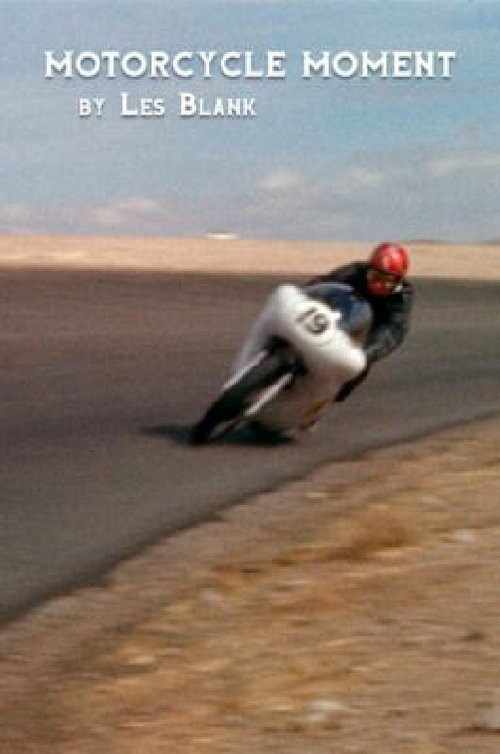
In 1964, Les Blank filmed 45 minutes of motorcycles for a documentary film that was never completed. Before his death in 2013, he asked his son Harrod Blank to cut the footage to the music of The 13th Floor Elevators. Edited by Ben Abrams, this film captures the vastness of the American West at a time when the motorcycle was the ultimate in highway adventure.
The life and career of the hailed Hollywood movie star and underappreciated genius inventor, Hedy Lamarr.
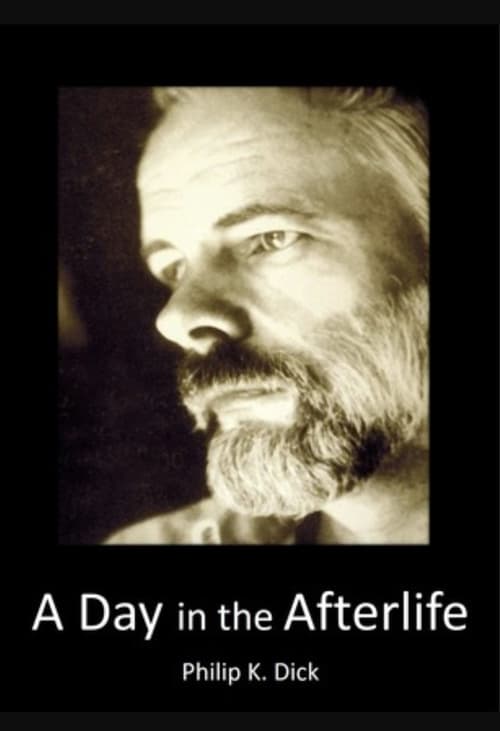
A poetic look at the life and legacy of legendary author Philip K. Dick (1928-1982), who wrote over a hundred short stories and 44 novels of mind-bending sci-fi, exploring themes of authority, drugs, theology, mental illness and much more.
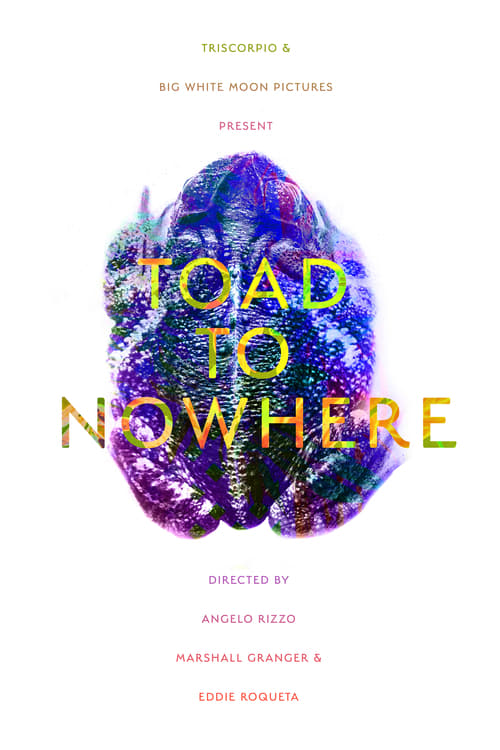
Two filmmakers journey to Arizona's Sonoran Desert to find bufo alvarus, a psychedelic toad. TOAD TO NOWHERE is a documentary about healing, hallucinogens, and looking within to explore the unknown.
This refreshingly frank and impartial study of the discovery and development of the notorious hallucinogenic drug is notably free of moral judgmental, and features contributions from such legendary heroes of psychedelia as Albert Hoffman - the Swiss scientist who discovered the drug - Aldous Huxley - author of 'The Doors of Perception' - Ken Kesey - author of 'One Flew Over the Cuckoo's Nest.
A future classic was unleashed in January 1967 as the Doors released their eponymously titled debut album. This documentary in the Classic Albums series takes an in-depth look at the album, with commentary from Bruce Botnick, who worked on the album, and the three remaining Doors--guitarist Robbie Krieger, keyboard player Ray Manzarek, and drummer John Densmore. The three band members also play some of their instrumental parts from the album, offering invaluable insight into how the songs were constructed.
Children as young as seven are being groomed to sell drugs for 'county lines' drugs gangs in towns and villages all over the UK. This film follows four young people trapped in this world.
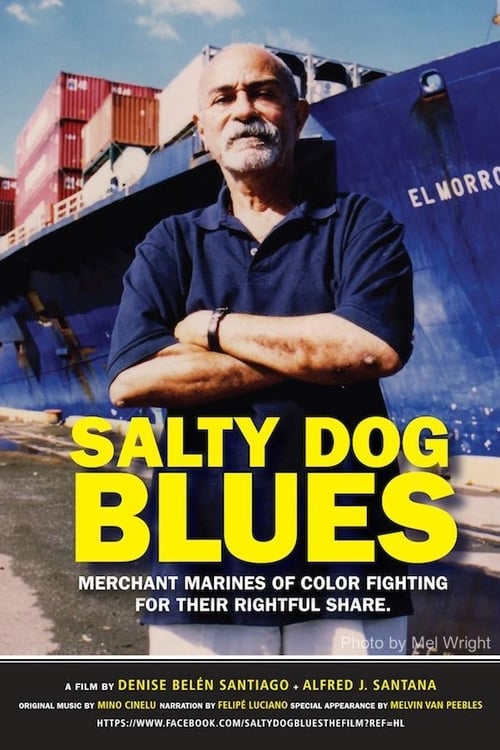
The film looks at men and women of color in the U.S. Merchant Marine from 1938-1975. Through chronicling the lives of these men and women who, with a median age of 82, are beset with a host of life-threatening illnesses, the movie tells how they navigated issues of racism, disparities in the workplace, gender and familial relations.
Tucumán, Argentina, 1965. Three years before George A. Romero's Night of the Living Dead was released, director Ofelio Linares Montt shot Zombies in the Sugar Cane Field, which turned out to be both a horror film and a political statement. It was a success in the US, but could not be shown in Argentina due to Juan Carlos Onganía's dictatorship, and was eventually lost. Writer and researcher Luciano Saracino embarks on the search for the origins of this cursed work.
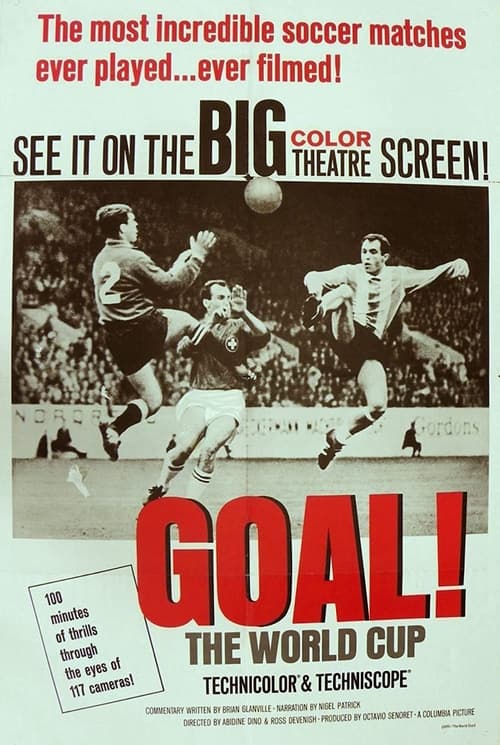
This entertaining documentary of the World Cup Soccer tournament of 1966 follows the 15 countries competing for the sport's most coveted prize. Nigel Patrick narrates, with commentary provided by Brian Glanville. The executive producer spent $336,000 on the production and used 117 cameras to record nearly 48 hours worth of action. Four editors were employed to create the final 108-minute feature.
The Hypergaussian Wars is an AI-generated feature-length audiovisual work exploring algorithmic warfare, obsolete media and the transformation of images through repetition, saturation and collapse. Built from thousands of generated images, synthetic landscapes and references to 14th–16th century painting, the film stages a continuous conflict between historical visual culture and contemporary computational systems. Fragments of obsolete video games, ruined architectures, military simulations and post-human figures circulate through increasingly unstable environments. Rather than telling a linear story, the film operates as an image system in which visual excess progressively erodes meaning. The Hypergaussian Wars reflects on memory, obsolescence, artificial intelligence and the persistence of images after their original function has disappeared.
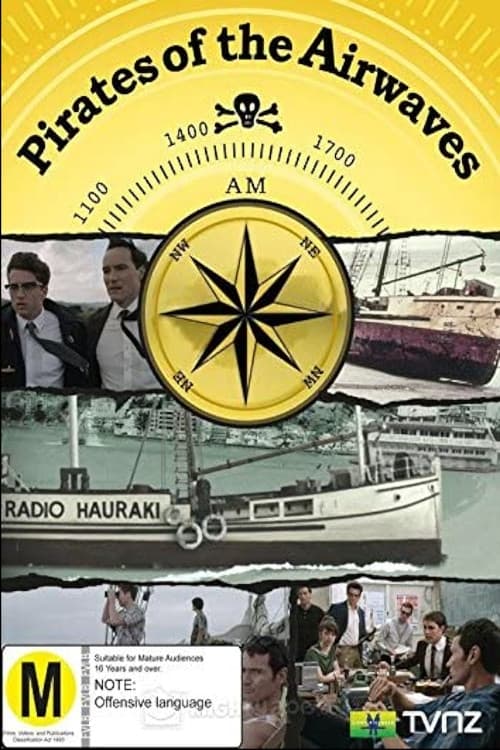
In 1966 a group of determined young men defied the New Zealand government and launched a pirate radio station aboard a ship in the Hauraki Gulf.
self