The successor to Powerful Stuff, this safety film demonstrates the dangers of high voltage electricity.
No Cast found.
Trailer
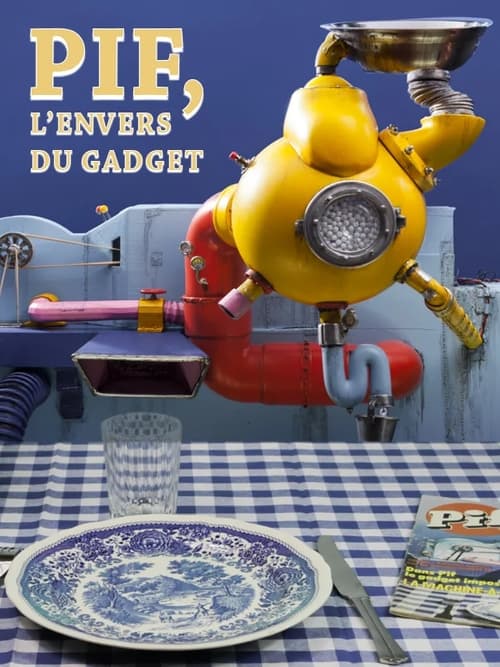
Taking stock of the extraordinary adventure of "Pif Gadget", a French publishing phenomenon of the 1970s-80s and even of the whole history of children's press. For the comic-strip magazine with the iconic dog, created in 1969 by the French Communist Party, often reached a million copies. With editions available for all of Europe (including Germany, under the title Yps), and on both sides of the Iron Curtain.
This brief workplace and occupational safety video shows various types of amputation injuries, how they can be caused, procedures to treat them, what aftercare can look like, and the steps you can take to prevent such injuries from occurring in the first place.
With unprecedented access to the nuclear industry in France, Russia, and the United States, Nuclear Now explores the possibility for the global community to overcome the challenges of climate change and energy poverty to reach a brighter future through the power of nuclear energy. Beneath our feet, Uranium atoms in the Earth’s crust hold incredibly concentrated energy. Science unlocked this energy in the mid-20th century, first for bombs and then to power submarines. The United States led the effort to generate electricity from this new source. Yet in the mid-20th century as societies began the transition to nuclear power and away from fossil fuels, a long-term PR campaign to scare the public began, funded in part by coal and oil interests.
This anti-smoking public information film has the kind of stylistic sheen often associated with 1980s British advertising, with its sci-fi setting, filtered smoke and gloomy aesthetics clearly inspired by the works of Ridley Scott (although it’s directed by his contemporary, Barry Myers). It imagines a genetically advanced future humanoid who’s evolved to be a ‘natural born smoker’ – complete with enlarged nostrils and tapping finger - before reminding us that no such creature yet exists. While we expect smoking adverts to be disturbing, the titular character is disquieting in a refreshingly unusual sense.
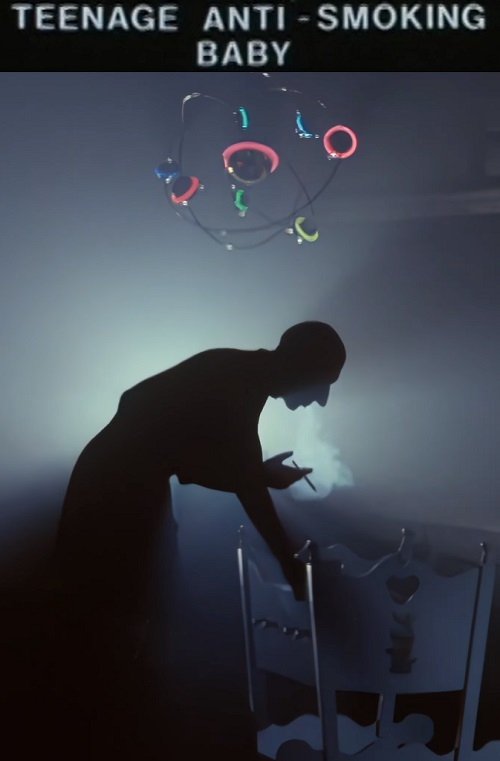
The sequel to Smoker of the Future, in which he has a child who will take after his father.
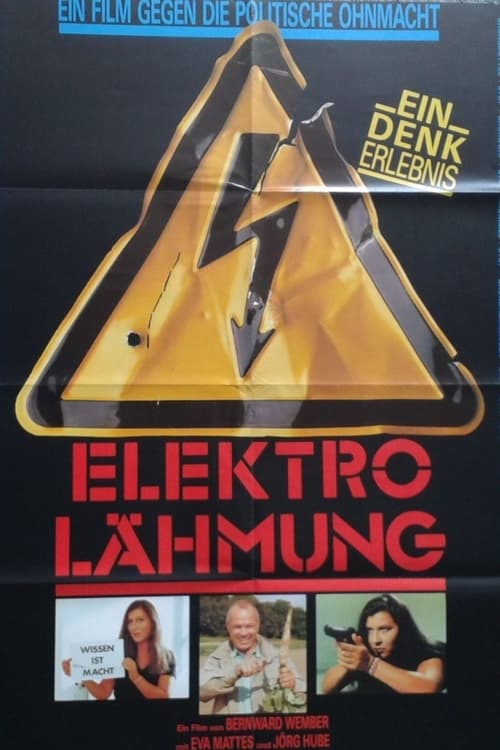
An initiative discusses a videotape in which a group of activists portrays themselves and their work against the "nuclear power mafia." After argumentatively and polemically confronting the economic and political power of the energy industry, the activists call for the shutdown of escalators to counteract people's electro-paralysis.
Describes how to resist the deception and pressure used to recruit members into cults and keep them there. It also provides advice on how to resist these tactics. The video is designed for young people, parents, educators, counselors, clergy, law enforcement officials, and others.
No overview available.
Why would a handsome lifeguard stress electrical safety in the home? Because he's a lifeguard for life! Together with input from Safety Man, Melinda and Aaron tour Melinda's home in an effort to convince her 'blockhead' brother about household electrical hazards. A short question-and-answer session with Safety Man follows the program.
Young sweethearts Billy and Kate move to the Big Apple, land jobs in a high-tech office park and soon reunite with the friendly and lovable Gizmo. But a series of accidents creates a whole new generation of Gremlins. The situation worsens when the devilish green creatures invade a top-secret laboratory and develop genetically altered powers, making them even harder to destroy!
Women's civil defense activities, especially in case of gas attacks.
Created in 1963 at the height of the Cold War, this Civil Defense training film uses a dramatic premise to show how emergency staff should manage and organize a large public fallout shelter during a crisis. A Shelter Manager is shown immediately taking control of the situation in the shelter, speaking calmly to those who have made it into the facility, closing the door promptly once the shelter is full, and sticking to the "shelter plan" as the situation unfolds. Some of the areas discussed in this nuclear war drama are the safety plan, regular inspections, supervised public entry into shelters, ventilation, first aid, sanitation, fire prevention, decontamination of personnel, and more. "Shelter living is different," the Manager states, "But we have a trained staff that will make your stay in this shelter livable for us all."
A heavily dramatized Civil Defense film that demonstrates how a public fallout shelter is supposed to function after a nuclear attack. This scenario takes place in a fictional any town called "Middlebury". The film describes the situation in a public shelter in Middlebury following an attack on the United States.
This Cold War civil defense film attempts to persuade viewers that building a home fallout shelter is a smart thing to do, and they are easy and economical to build. The film shows how to construct a durable, concrete shelter suitable for surviving a nuclear blast; it was made in 1963 and presented by the Department of Defense. The basic premise of the film is that it follows Civil Defense Director Hank Adams as he guides the Warren Family through construction of their own basement fallout shelter. The original catalog entry for this movie noted that: "This film is designed not only for those living in suburban or rural areas too far removed from the nearest community shelter-but also for those in urban sections who, for reasons of personal preference or convenience, would rather rely on a family shelter for fallout protection."
Training film for shelter managers. Food, water, sanitation, medical, and radiation detection systems are explained.
This Cold War film "Information Within Public Shelters" (1953) takes place in a fallout shelter, showing how a well-trained staff that provides information to shelter occupants, can keep them busy and calm during nuclear armageddon. This film was produced as the U.S. Government began to shift from promoting privately-owned "family" fallout shelters to the concept of large, public shelters.
The film features a meeting led by Dave Taylor, the shelter manager, discussing the protocols and responsibilities for staff members involved in managing a public shelter. Key participants, including operations deputy Harvey Johnson and health leader Mrs. Carter, outline their roles in ensuring a smooth entry for occupants during an emergency. The meeting emphasizes the importance of organization, communication, and the distribution of supplies. Staff members are encouraged to familiarize themselves with each other's duties and prepare for potential scenarios, including managing newcomers and ensuring safety and sanitation within the shelter.
A training film for public shelter managers explaining when people should be allowed to leave the shelter after a disaster.
As part of a wider anti-litter message, this film addresses the problems of rubbish left on beaches.
Basil Brush comes to the rescue of potential careless bathers.