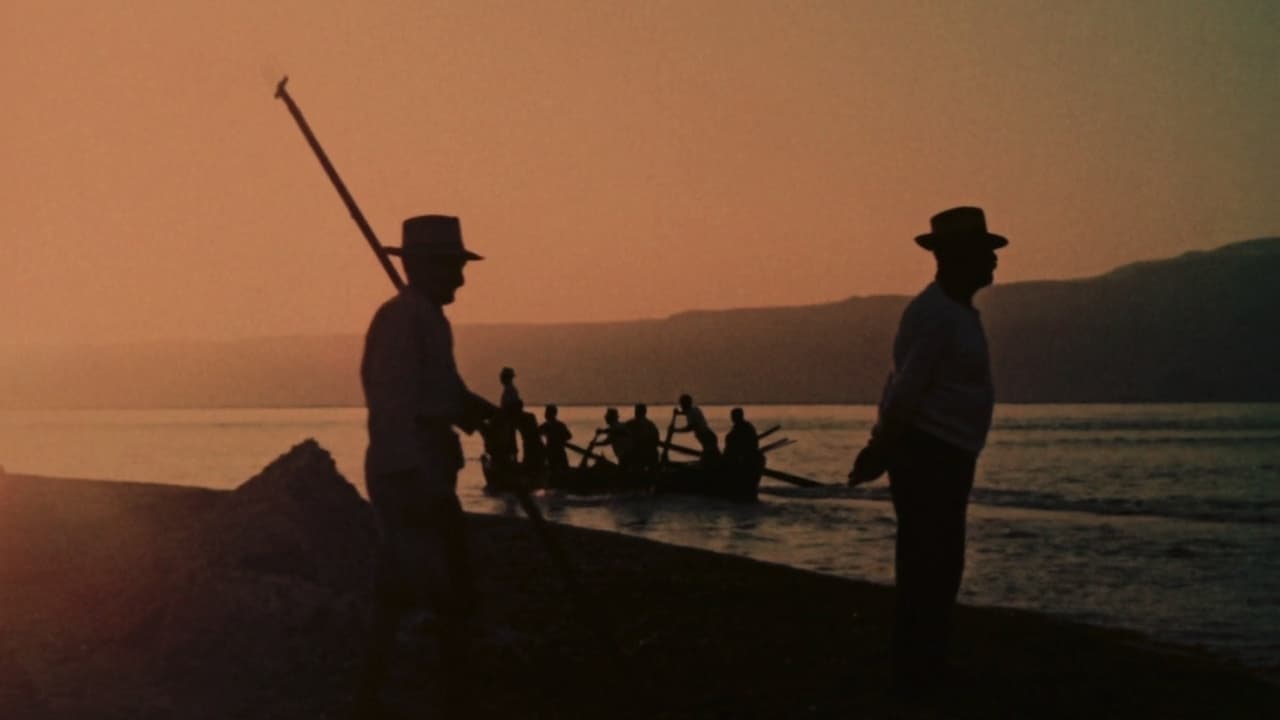
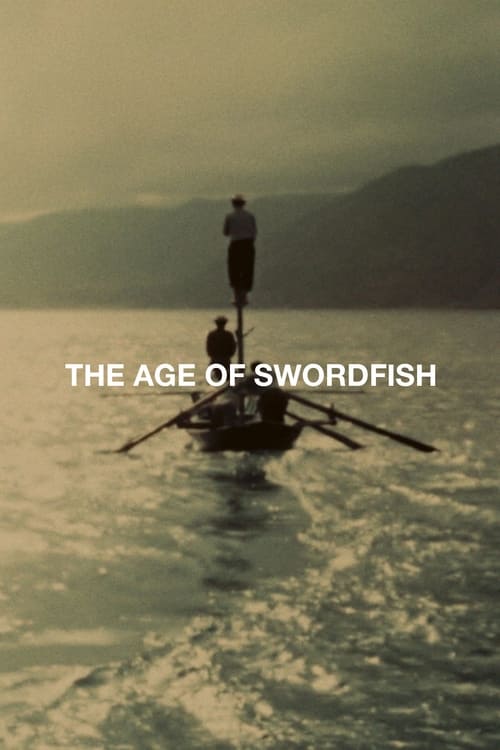
A short anthropological documentary from 1954. Director De Seta was fortunate enough to document swordfish fishing; by 1956 it no longer existed.
No Cast found.
No Measure of Health profiles Kyle Magee, an anti-advertising activist from Melbourne, Australia, who for the past 10 years has been going out into public spaces and covering over for-profit advertising in various ways. The film is a snapshot of his latest approach, which is to black-out advertising panels in protest of the way the media system, which is funded by advertising, is dominated by for-profit interests that have taken over public spaces and discourse. Kyle’s view is that real democracy requires a democratic media system, not one funded and controlled by the rich. As this film follows Kyle on a regular day of action, he reflects on fatherhood, democracy, what drives the protest, and his struggle with depression, as we learn that “it is no measure of health to be well adjusted to a profoundly sick society.”
A tourist's view of Ontario, with magnificent visuals of the province's lakes and rivers, and a delicious hint of easy summer days, vacations, and boating. Viewers fish for salmon, idle their boats through the locks, and watch sailboats and steamships travel the Great Lakes against a background of granite rock and craggy coastlines.
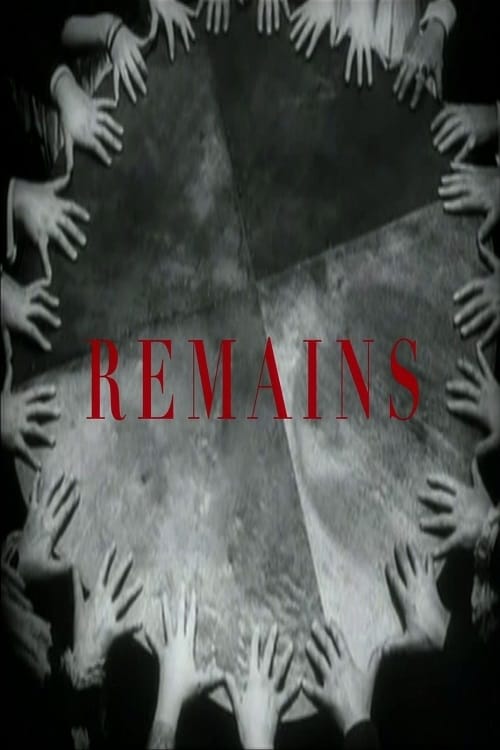
Something takes us underground, where gods and monsters are active, amid the ruins of a world they move around with their innumerable hands. Inspired by Fritz Lang and Richard Wagner, Remains is a daydream.
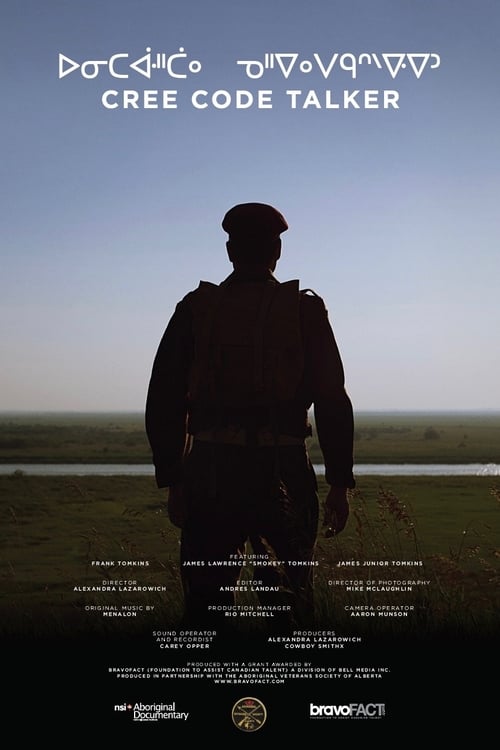
CREE CODE TALKER reveals the role of Canadian Cree code talker Charles 'Checker' Tomkins during the Second World War. Digging deep into the US archives it depicts the true story of Charles' involvement with the US Air Force and the development of the code talkers communication system, which was used to transmit crucial military communications, using the Cree language as a vital secret weapon in combat.
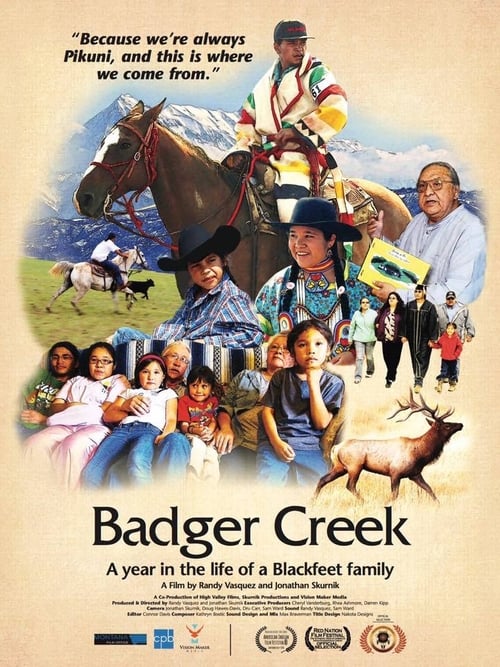
Badger Creek is a portrait of Native resilience as seen through a year in the life of three generations of a Blackfeet family living on the rez in Montana. The Mombergs are a loving, sober family who run a successful ranch, live a traditional worldview and are re-learning their language.
The urge to relieve a winter valley of permanent shadow and find gold in alluvial gravel is part of a long history of desire and extraction in the far Canadian north. Cancan dancers, curlers, smelters, former city officials, and a curious cliff-side mirrored disc congregate to form a town portrait. Shot on location in Dawson City, Yukon Territory.
Argentina, 1960: a true crime story of how secret agent Zvi Aharoni hunts down one of the highest-ranking Nazi war criminals on the run.
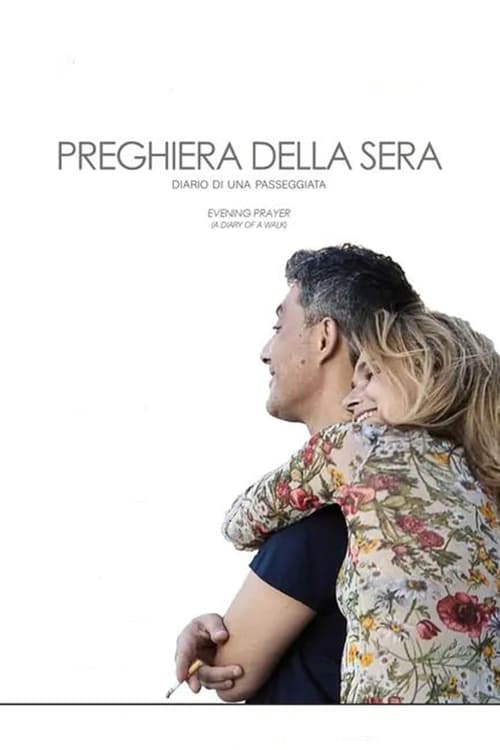
The film recounts an experience, that of a director and his two actors at grips with a play: from the first meeting to the initial readings, the rehearsals done at home, the ones done on stage and finally the first performance. But an experience that took place in the peculiar situation in which the whole of Italian culture found itself in the days between the first and second wave of the pandemic, when it really seemed possible to restart and the feeling of euphoria was accompanied by the illusion that the worst was behind us. Once again we were suddenly checked in our desire for beauty, for life.
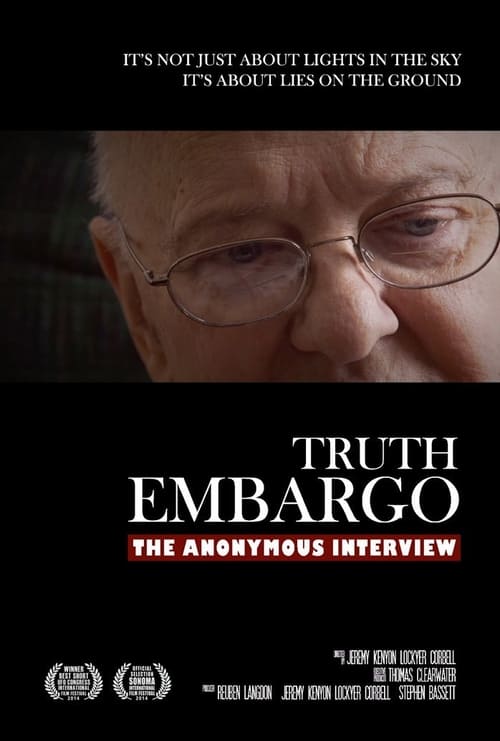
An interview with an UFO whistleblower.
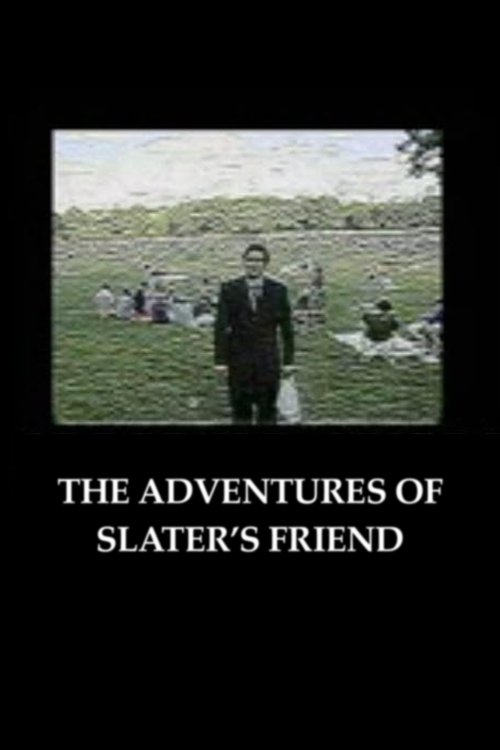
A film crew trails Philbert Powell through his morning, from the supermarket to his job at a video store. Along the way, he crosses paths with several individuals all named “Slater.” His interactions with them raise the central question: who, among those Slaters, is his friend? The narrative unfolds across a single morning, blending encounters and identity as Philbert’s journey reveals the shifting dynamics of connection.
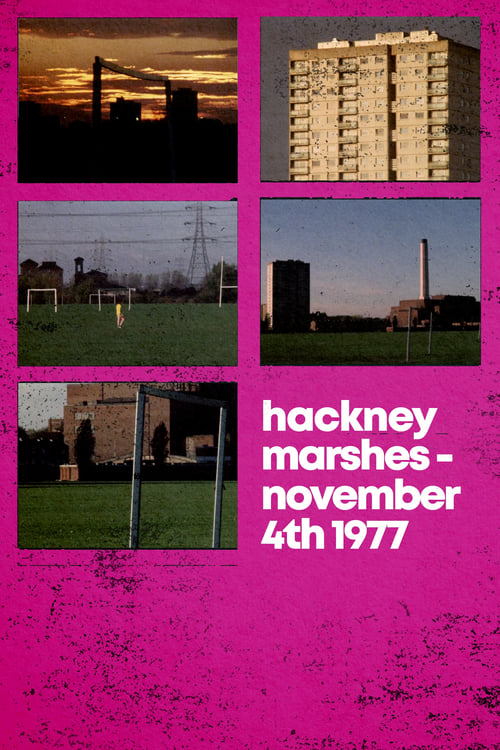
An improvisation recorded over the course of one day, starting at dawn and finishing after dusk. The film was edited in camera and shot from one camera position in the middle of one of the 112 football pitches that cover Hackney Marsh, a location chosen because of the similarities between the surrounding buildings and objects (identical blocks of flats, goalposts etc.). By cutting between precisely matched framings of similar objects, illusions of movement were produced, disrupting representational readings of the landscape. Unforeseen events occurring in the vicinity were also recorded, determining to some extent the subsequent filming. Through selection of shots and changes in cutting pace and speed of camera movement, the film fluctuates between record and abstraction.
Four experts in different areas such as religion, philosophy and thanatology, share their wisdom when it comes to death.
Fusing documentary and fiction, the film depicts the lives of children trying to survive the aftermath of war in Kosovo by selling cigarettes on the street. Through monologues performed by the children against the eerie backdrops of Pristina, the film tells their gripping and sad story of memory, loss and fear.
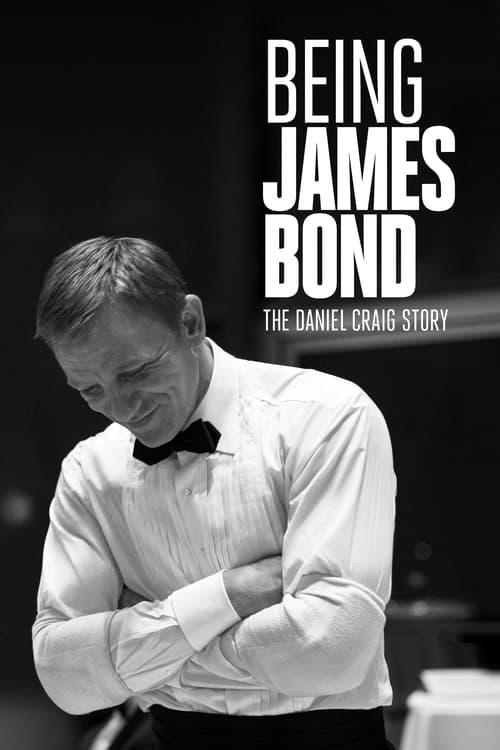
Daniel Craig candidly reflects on his 15 year adventure as James Bond. Including never-before-seen archival footage from Casino Royale to the upcoming 25th film No Time To Die, Craig shares his personal memories in conversation with 007 producers, Michael G Wilson and Barbara Broccoli.
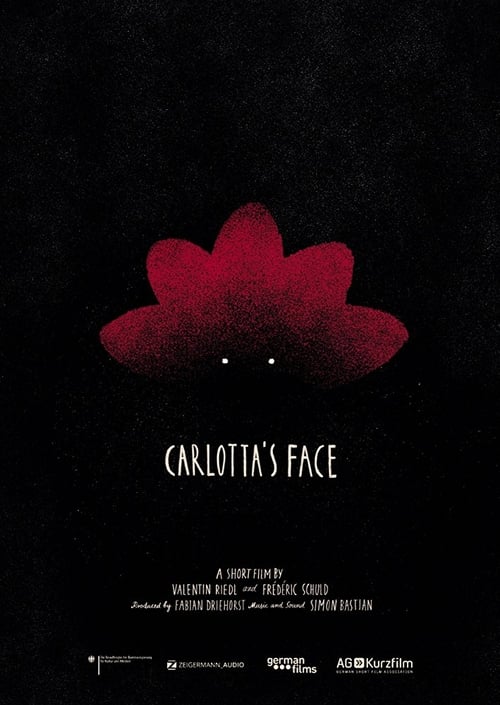
We all share the same kind of brain yet everybody has a different view of the world around us. As a very intriguing example, Carlotta vividly explains how a world without faces does look like. She suffers from the miswiring of a tiny brain region that makes it impossible for her to see and remember faces as a complete construct, called prosopagnosia or face blindness.
For time immemorial, the indigenous peoples of Latin America have used and venerated the coca plant, affording it the same respect as a person. Jiíbie is the Uitoto word for the powder made from the plant, which is produced here in the domestic setting of a Muiná-Muruí family (in the Colombian Amazon). A spiritual guide, a healer, a teacher and a communicator: these are just some of the roles assigned to this “plant of power”.
Mick Glasheen, an architect and pioneer of early cinema and experimental film, created work that was heavily influenced by media theorists. His video Teleologic Telecast from Spaceship Earth: On Board with Buckminster Fuller, 1970, is a re-mixed recording of a Buckminster Fuller’s lecture given at UNSW, presenting Fuller’s ideas on science, metaphysics and the universe, merged with just as radical techniques of moving image production, creating a multi-layered expression of image, voice, and sound.
The nuns of the Anglican Benedictine Community at St. Mary's Abbey, West Malling, reflect on their calling and the joys and challenges of their way of life. In this short documentary, directed by Jamie Hughes, the nuns' voices are complemented by images from the life of the Abbey.
The short documentary looks at some innovative approaches to providing services and accommodation for battered women in rural, northern, and Native communities. Filmed in Thompson and Portage La Prairie, Manitoba, and West Bay Reserve, Ontario, the film introduces the women who operate and use various types of accommodation such as transition houses, transition apartments, and safe houses. The shelter on West Bay Reserve is singled out as a project that was built by women for women to stand as a reminder that the Reserve will not tolerate violence against women. A Safe Distance is part of the The Next Step, a 3-film series about the services needed by and available to battered women.
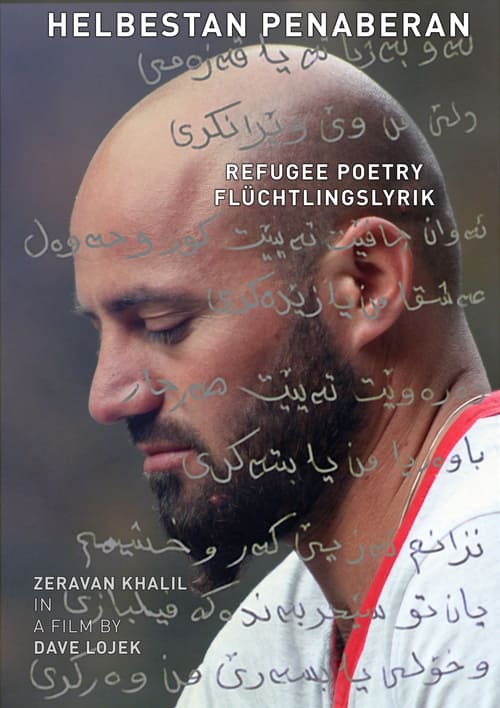
The Kurdish Iraqi poet and actor Zeravan Khalil travels with his dog through an Alpine gorge after fleeing from IS war and genocide. As he remembers the abomination, he writes a poem with the title “You drive me mad” in Kurmanji Kurdish. In his home country, Yazidic Kurds are forbidden to work in his profession. Then he eats his apple and wanders through Europe’s middle with more hope.
No Trailers found.