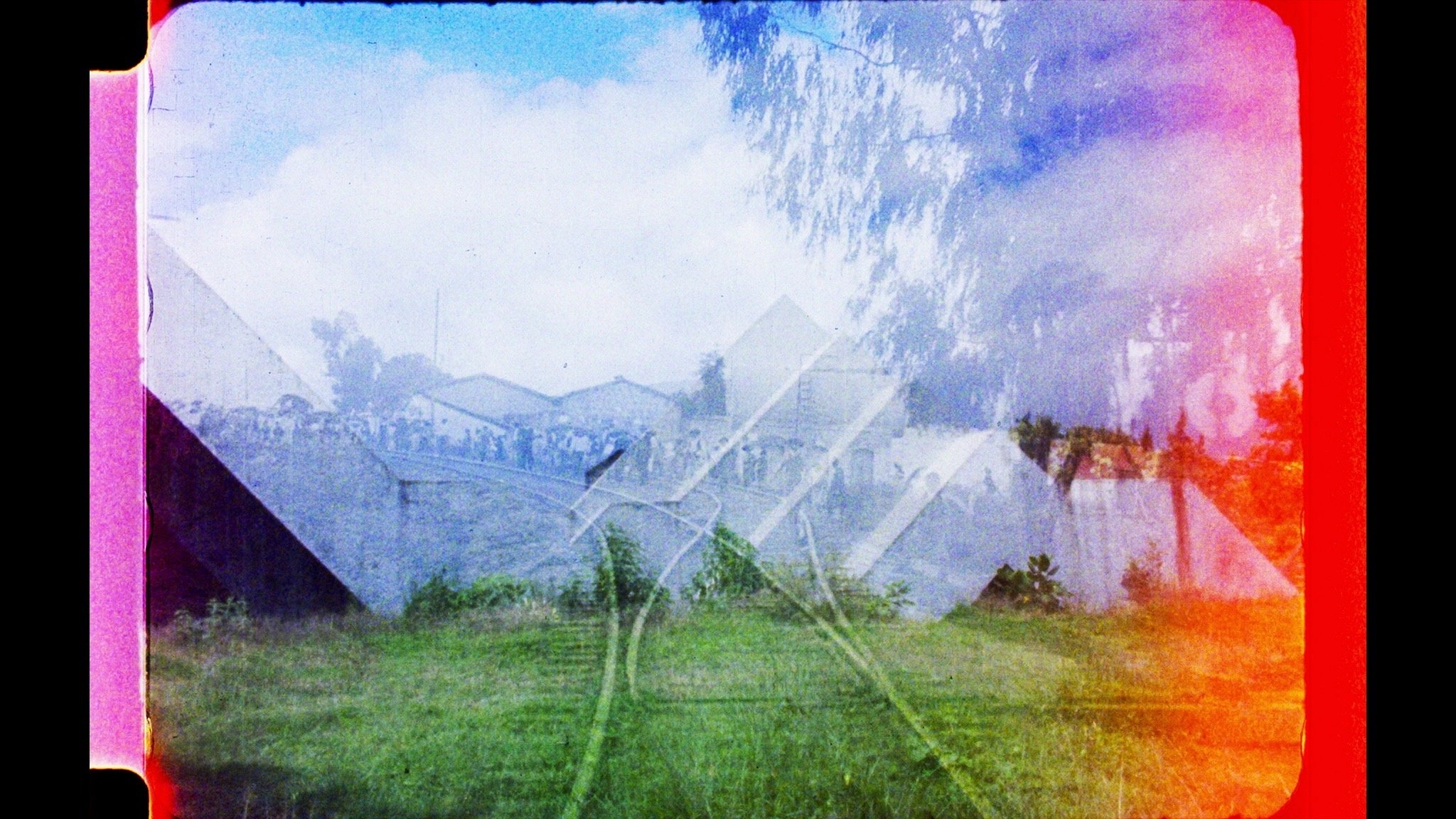
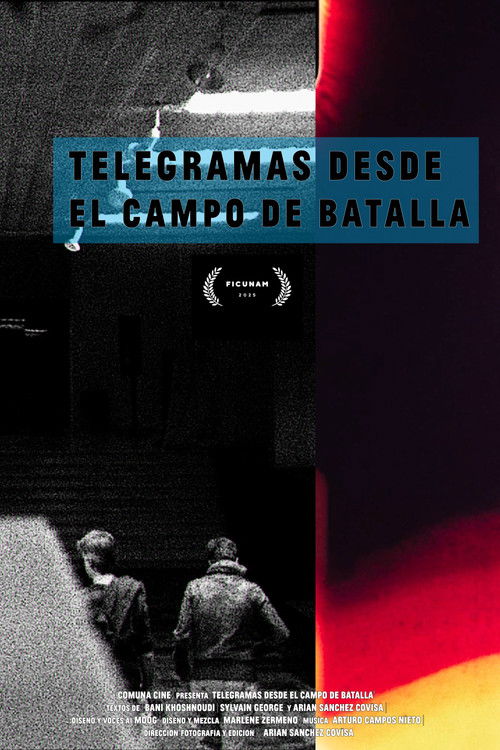
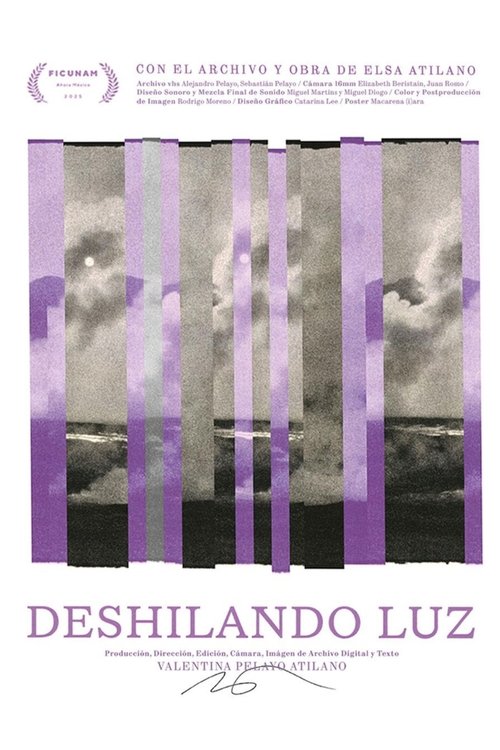
For twenty years, three filmmakers in resistance exchange a series of documentary and fictional telegrams from different parts of the world, in the midst of a war of colonization waged by the Western powers.
No Trailers found.
Born from steel and glass Kino Kopf is created by two inventors. They are assembled by their mother, a nurturing artist, and their Father a greedy entrepreneur. Kino Kopf is the first of its kind a sentient humanoid VHS camera. They are given a life by their mother but presented to the world by their father. Kino Kopf is the next big sensation and spurs a technological revolution. They are soon forgotten and alone as new models surpass them. Kino Kopf is left alone to contemplate if they ever had a soul, as visions of an electric cowboy dance through their dreams.
A psychological sci-fi drama about love, identity, and the unknown. After a mysterious encounter with an otherworldly light, Mia wakes up feeling unfamiliar in her own body and life. As she pieces together the events of the night before, she faces her partner, Haley, with a newfound sense of self—and a secret hidden behind glowing eyes. Is she still the same person, or has something else arrived in her place?
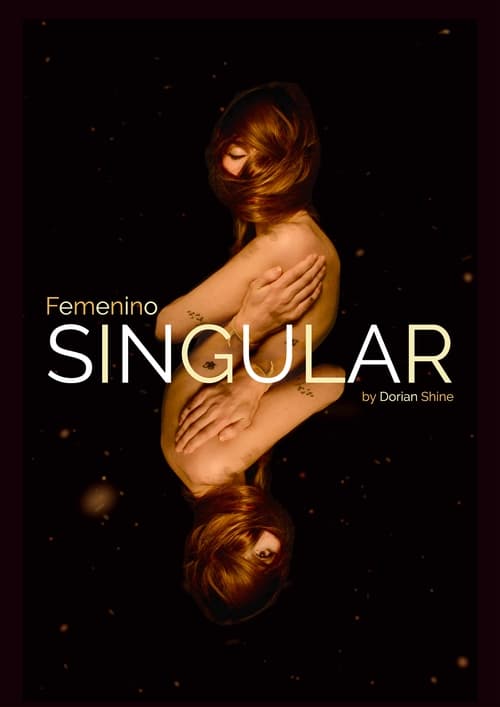
A documentary featuring 30 Argentinian women aged between 4 and 80, sharing their stories of resilience, strength, and unique perspectives on womanhood through performance art.
In the late 1970’s and after a traumatic event on their honeymoon, a struggling couple visit an experimental, and borderline unethical memory research facility.
A film essay that intertwines the director's gaze with that of her late mother. Beyond exploring mourning and absence as exclusively painful experiences, the film pays tribute to her mother through memories embodied by places and objects that evidence the traces of her existence. The filmmaker asks herself: What does she owe her mother for who she is and how she films? To what extent does her film belong to her?
An experience of a camera swinging in different gestures facing the optical distortion of the Sun. The last appearance of the smudge.
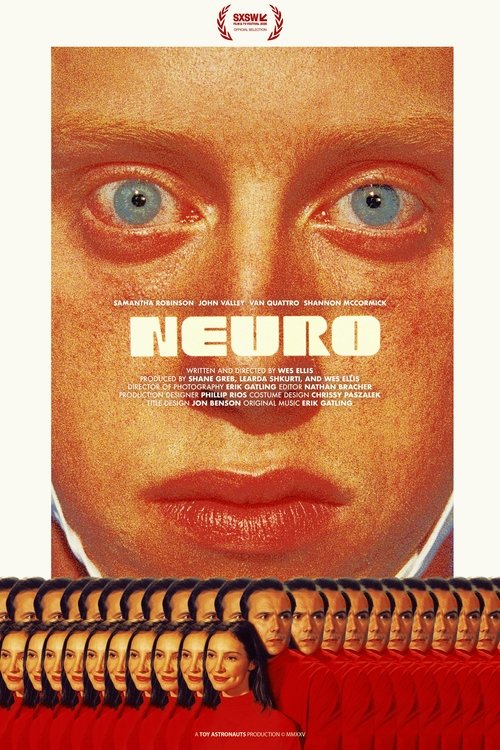
In a first person shooter game leaked to the dark web, a group of mercenaries disguised with baby faces invade mansions of the wealthy and powerful with murderous intent. However, as gamers livestream the game, the protagonists’ gang of horrific murders may or may not be happening in real life.
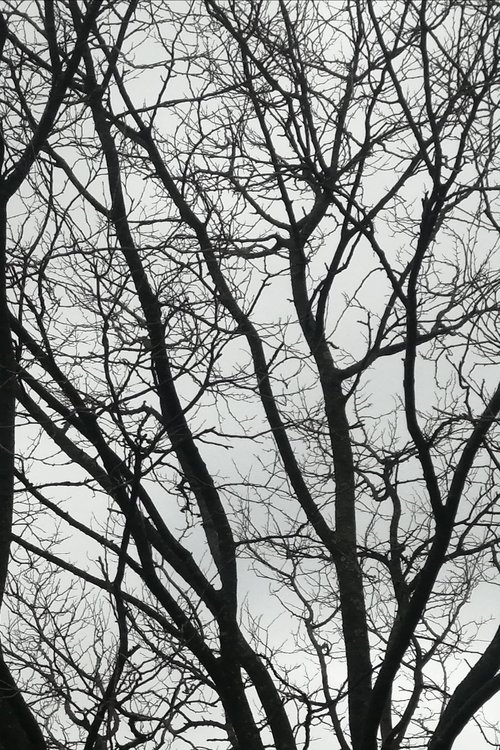
A homogeneous structure of wind and light across tree branches in the South region of Isère
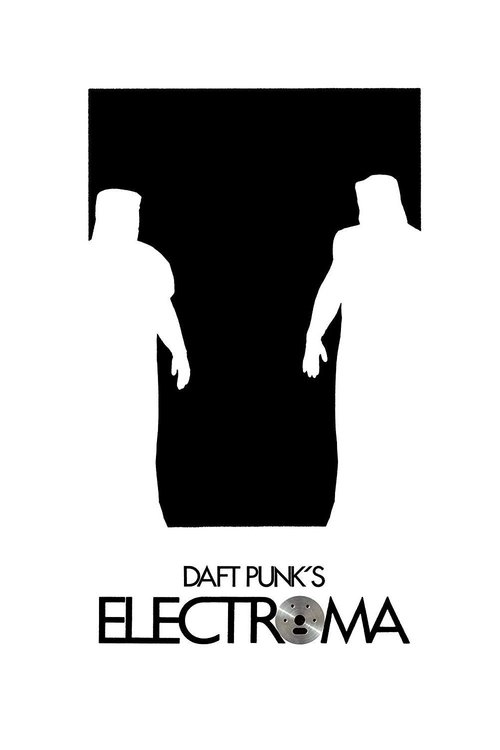
Two robots embark on a quest to become human.
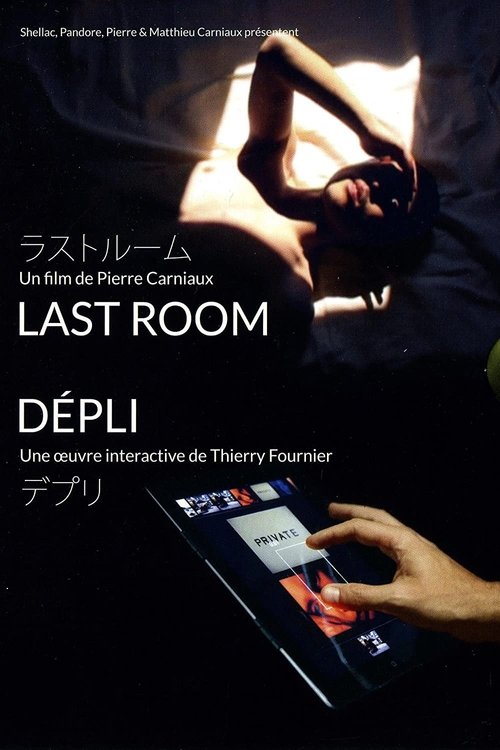
Made in Japan, Last Room is both fiction and documentary. The occupants of the love-hotels and capsule-hotels tell their own intimate, dreamlike stories, interspersed with journeys through the archipelago's landscapes. Soon, these personal stories resonate with a collective history: that of Gunkanjima, the abandoned ghost island of Nagasaki, and then that of Japan as a whole.
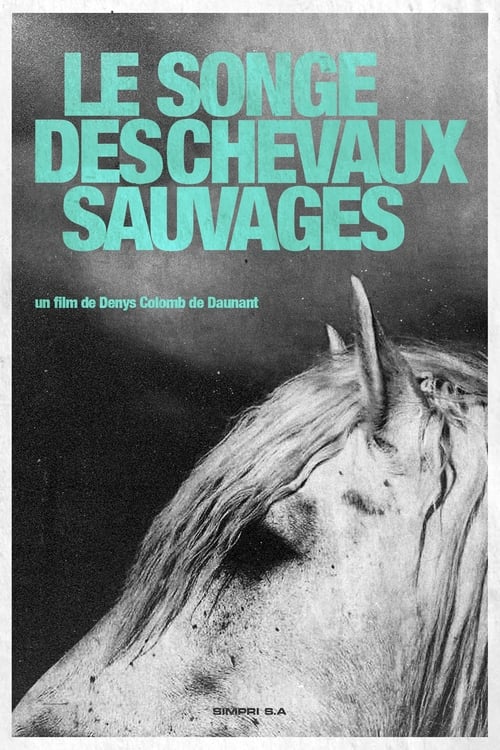
The horses in Denys Colomb Daunant’s dream poem are the white beasts of the marshlands of the Camargue in South West France. Daunant was haunted by these creatures. His obsession was first visualized when he wrote the autobiographical script for Albert Lamorisse’s award-winning 1953 film White Mane. In this short the beauty of the horses is captured with a variety of film techniques and by Jacques Lasry’s beautiful electronic score.
People leave (and return) from a church after Sunday Mass more than 120 years ago. The creaking of time and the darkness behind the ancient ritual of praying for our existence dance eternally, like a river of souls. Liz Taylor's visualy noisy reinterpretation of the film "Congregation Leaving St. Mary's Pro-Cathedral, Dublin" (1901) by the Edwardian filmmaking duo James Kenyon and Sagar Mitchell.
In a last-ditch effort to save earth, a man sacrifices himself and is forced to relive a series of suppressed memories that become smeared by the detonation of a stellar bomb. This paranormal explosion of thoughts begin to blur the lines between reality and fiction; the only way out is forward.
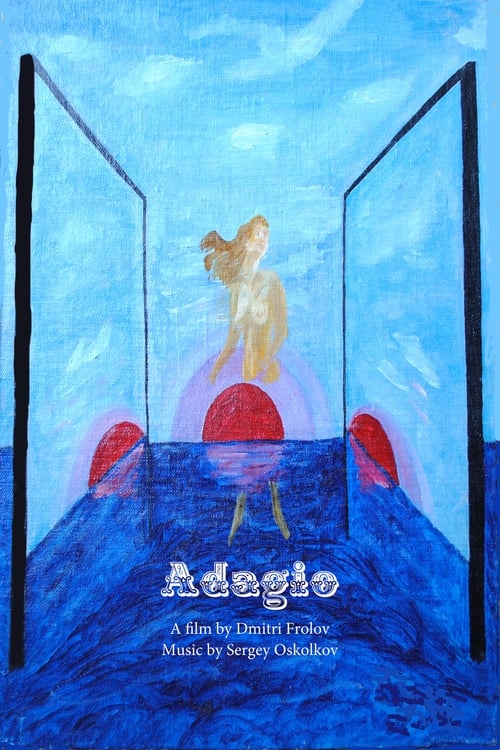
«I often have dreams. Careless dreams. When the sun was shining. It was calm and quiet. And a peaceful sky overhead.» An experimental musical film on the theme of love. Memories of the past excite the imagination and make you evaluate what is happening in the present in a new way.
Five inmates recite poetry while time keeps passing by.
The story of two young single mothers who join forces to make a new kind of family unit for themselves and their children.
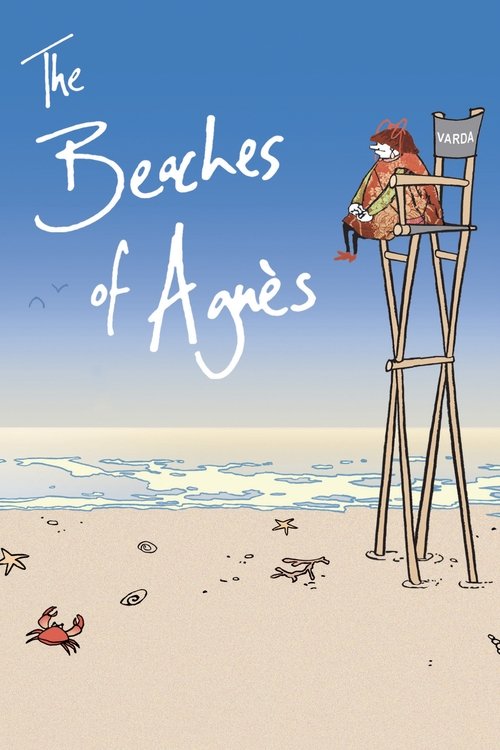
Filmmaking icon Agnès Varda, the award-winning director regarded by many as the grandmother of the French new wave, turns the camera on herself with this unique autobiographical documentary. Composed of film excerpts and elaborate dramatic re-creations, Varda's self-portrait recounts the highs and lows of her professional career, the many friendships that affected her life and her longtime marriage to cinematic giant Jacques Demy.
Clouds forming and moving through the summer sky.
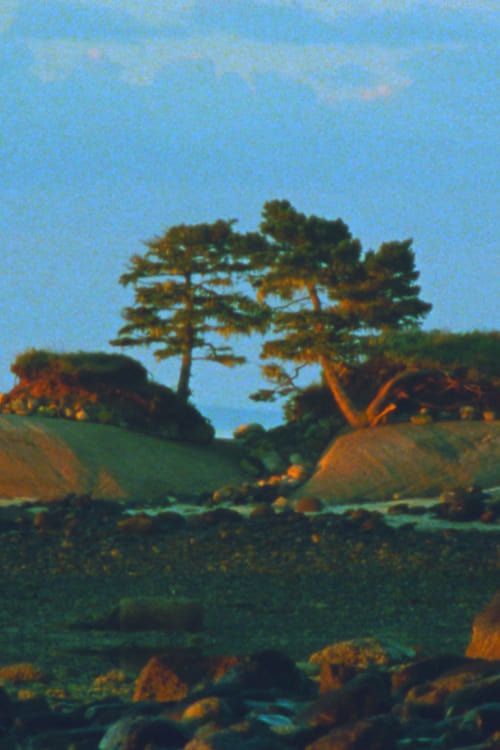
In the early 1900s commercial loggers cut down an old growth spruce tree growing on a small island surrounded by tide pools on the coast of Maine. Out of the trunk of this ancient tree grew two new trees, side by side.
Mountain wildflowers in a dense fog.