No Trailers found.
Narrator (voice over)
Self
Self : Didier Morville
Self : Kévin Valleray
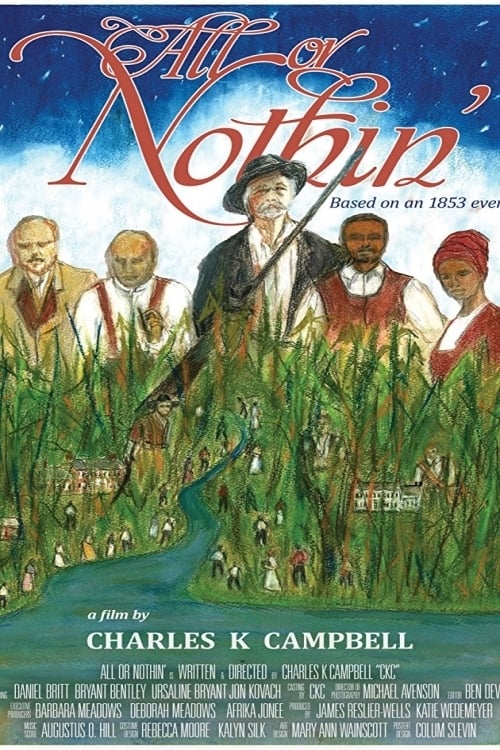
In 1853, 28 slaves escaped from Boone County, Kentucky. Unwilling to accept their departure, wealthy plantation owners set out to locate the 28, following them through Ohio, Indiana and Michigan.
One who doesn't have roots won't be able to grow wings-a documentary project about a man tracking his origins to the Middle East and establishing a connection with his father, whom he have never met before.
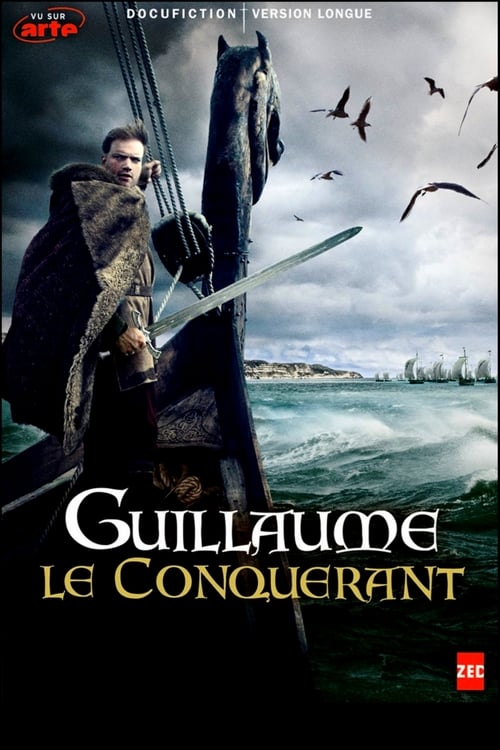
England, 11th century. William the Conqueror (ca. 1027-1087) wins the Battle of Hastings (1066), changing the shape of medieval Europe and the course of English history. An account of the life of the extraordinary Norman warrior who became king.
While being imprisoned on a remote island for leading a naval-yard workers' strike, a man reminisces about his former days as a naval mechanic and the life back in his hometown.
Warren Maxwell, the owner of a run-down plantation, pressures his son, Hammond, to marry and produce an heir to inherit the plantation. Hammond settles on his own cousin, Blanche, but purchases a sex slave when he returns from the honeymoon. He also buys his father a new Mandingo slave named Mede to breed and train as a prize-fighter.
Long live the strike! Lucie Baud, one of the pioneers of the women's movement, went with creativity, fighting spirit and the power of singing against the weapons of male-dominated capitalist society in nineteenth-century France. The film, based on true events, describes the ambitious fight of a silk moth. She stood up for the rights of the female working class to end maltreatment and oppression once and for all. For the revolution in women's rights, she even put her family back and fought to the end for their beliefs.
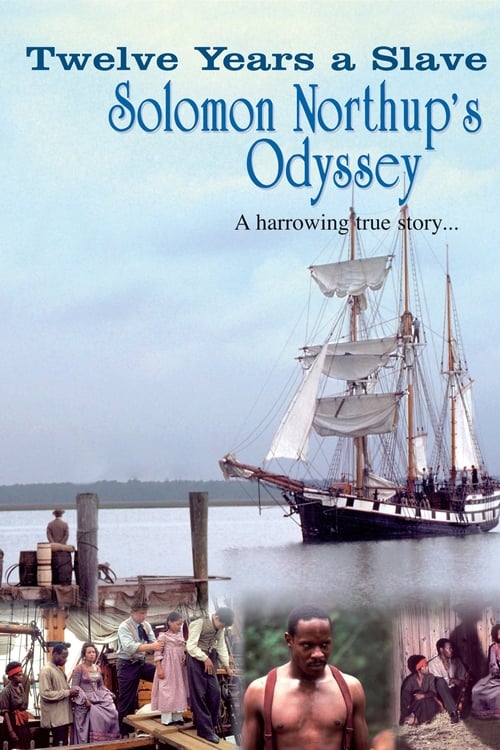
This is based on a true story. Solomon Northrop is a black man in the mid 19th century before slavery was abolished. He's a born free man who works as a carpenter and is also a part time musician. One day he is approached by some men who want him to play for them. However, that is not their intention; they have kidnapped him and sold him into slavery. Now he has to endure the hardships that he has been spared because of his status as a free man. And his family who don't know what happened to him is searching for him but where do they go? And Solomon also wishes to let them know where he is so that they could get him but unfortunately no one believes his story or is willing to help him.
In 1375, China was in chaos between Yuan Dynasty and Ming Dynasty. Coryo (an ancient kingdom of Korea then) sent a delegation of many diplomats, soldiers and a silent slave to make peace with the new Chinese government. However, this delegation got charged as spies and sent in exile to a remote desert.
Green Flake, a southern slave, joins Church of Jesus Christ of Latter Day Saints as a child. Later on in his life he is sent to pave the way to what is now the Salt Lake Valley and his faith sustains him.
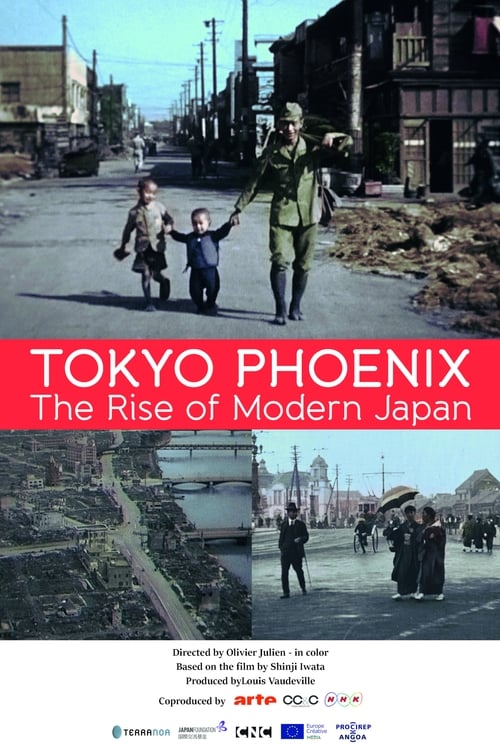
In 150 years, twice marked by total destruction —a terrible earthquake in 1923 and incendiary bombings in 1945— followed by a spectacular rebirth, Tokyo, the old city of Edo, has become the largest and most futuristic capital in the world in a transformation process fueled by the exceptional resilience of its inhabitants, and nourished by a unique phenomenon of cultural hybridization.
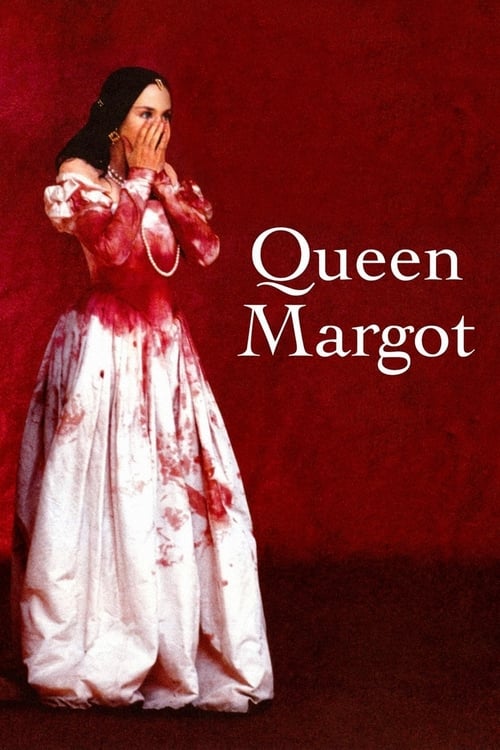
Paris, Kingdom of France, August 18, 1572. To avoid the outbreak of a religious war, the Catholic princess Marguerite de Valois, sister of the feeble King Charles IX, marries the Huguenot King Henry III of Navarre.
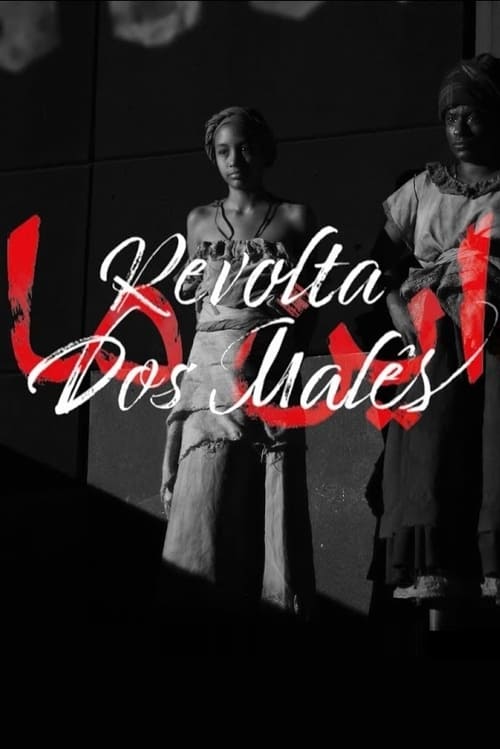
Salvador, Bahia, January 1835. After more than a decade of hard work, Guilhermina, 27, a slave of Muslim origin, finally gets the resources to buy her manumission, as well as that of Teresa, 11, her teenage daughter. But, contrary to an old promise, his “lord”, farmer Souza Velho, refuses to sell the girl's letter. When Pacific Licutan, Salvador's most esteemed Islamic leadership, is arrested by the Bahian authorities, the Muslim community goes into a boiling state and begins to articulate a jihad. In desperation, Guilhermina sees in the uprising the only way to win her daughter's freedom.
No overview available.
Escaping death, a Hebrew infant is raised in a royal household to become a prince. Upon discovery of his true heritage, Moses embarks on a personal quest to reclaim his destiny as the leader and liberator of the Hebrew people.
This documentary by director Claire Billet and historian Christophe Lafaye details the massive and systematic use of chemical weapons during the Algerian War. Algerian fighters and civilians, sheltering in caves, were gassed by "special weapons sections" of the French army. The gas identified on military documents is CN2D, whose widespread use forced insurgents to flee "treated" sites, at the risk of dying there. The method is reminiscent of the "enfumades" used by the French expeditionary force during the conquest of Algeria in the 19th century. Between 8,000 and 10,000 such operations are believed to have taken place on Algerian soil between 1956 and 1962. This historical aspect is little known due to the difficulty of accessing archives, many of which are still classified, raising questions about memory, historical truth, and justice.
Paris, France, during the First World War. While thousands of soldiers die every day on the battlefields, Henri Landru, a seemingly respectable furniture dealer, married and father of four children, relentlessly feeds his own sinister factory of death.
A history of the French Revolution beginning from the decision of the king to convene the Etats-Generaux in 1789 in order to deal with France's debt problem. Part one spans the event until August 10, 1792 (when the King Louis XVI lost all authority and was imprisoned). Part two carries the story through the end of the terror in 1794.
In 1894, French officer Alfred Dreyfus is wrongly convicted for the treasonous acts of another man, Major Esterhazy. When investigations begin into the dubious evidence used in the trial, an institutional coverup begins, aided by fears of army disgrace and anti-Semitic paranoia against Dreyfus. But a determined group, headed by prominent author Émile Zola, leads a mounting public call to reopen the Dreyfus case.
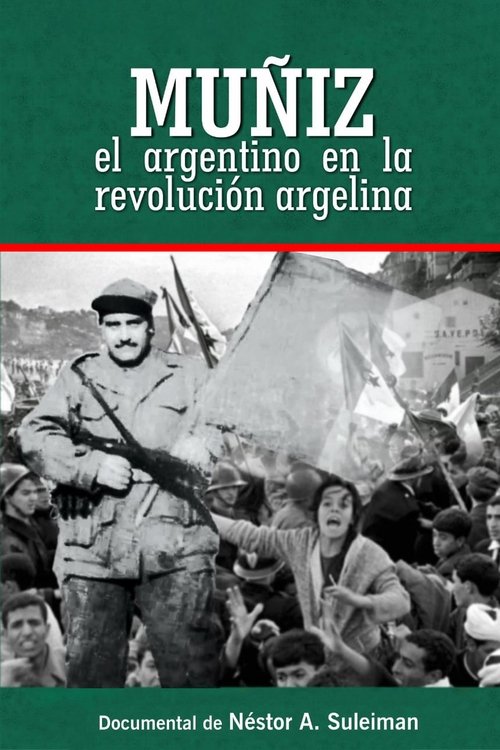
Roberto Muniz, nicknamed "Mahmoud the Argentinian," was a revolutionary fighter who joined the National Liberation Army in 1959 to support the Algerian cause in the war of independence against France. He joined a clandestine group that manufactured weapons and ammunition to be transported to Algeria to support the revolution that began in 1954. After the war, the Algerian government invited the mujahid to stay, an offer he accepted to begin a new life as an employee of Sonnelgaz and a member of the General Union of Algerian Workers (UGTA), accompanied by his wife Alfonsa, a textile union activist who came from Argentina to join this North African adventure.