Hand-drawn animation tests, trials and experiments from way back when, with some water color, cut into a sweet. little. diddle. diddy. biddy. beep beep. boop boop. video.
No Cast found.
No Trailers found.
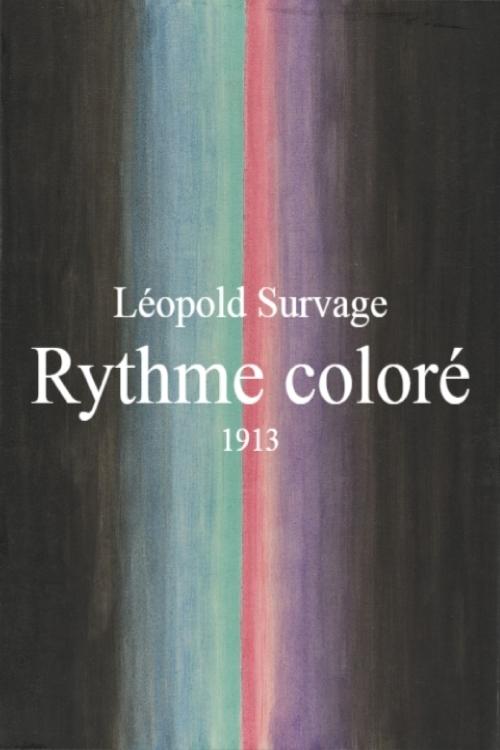
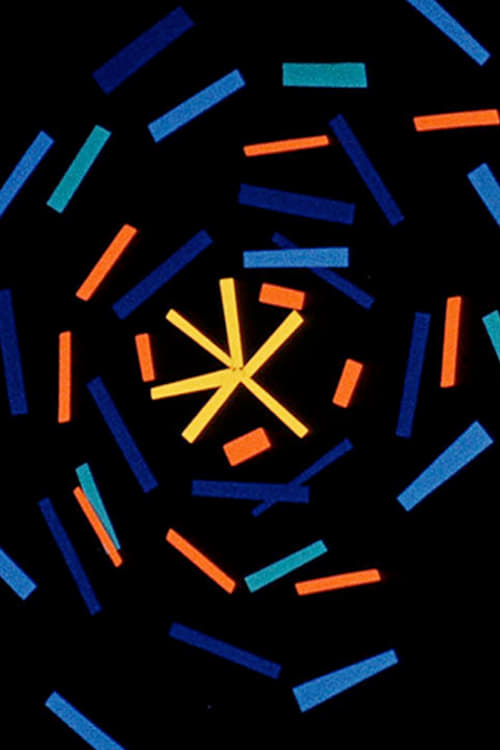
A film unmade-- That is, Survage's film was never realized in the traditional sense-- At the time, such a project was beyond technological possibility. His pioneering efforts to combine luminous, expressive painting and the moving picture were further curtailed by the outbreak of WWI. Some have taken it upon themselves to 'animate' his watercolor plates in attempts to set his dream into motion.
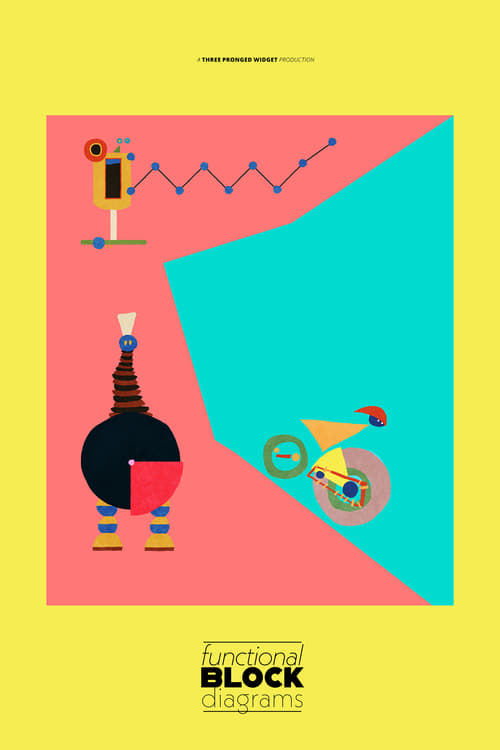
A synthesis of sound and movement; colourful characters dance and move in repetitive patterns to percussive and melodic elements. A combination of motion and music that is hypnotic and beautiful. At first it feels structured and orderly but as more elements are added becomes quixotically expressive.
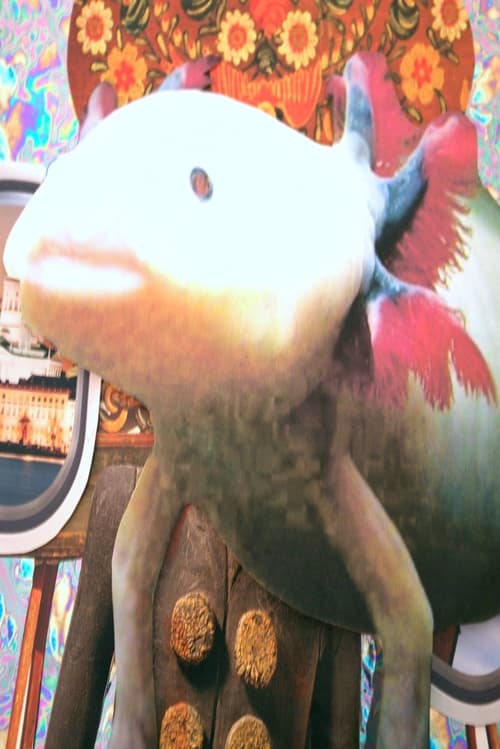
Emerging from the sea onto land an axolotl swims through complex terrain parallel to a man searching for an encounter with God.
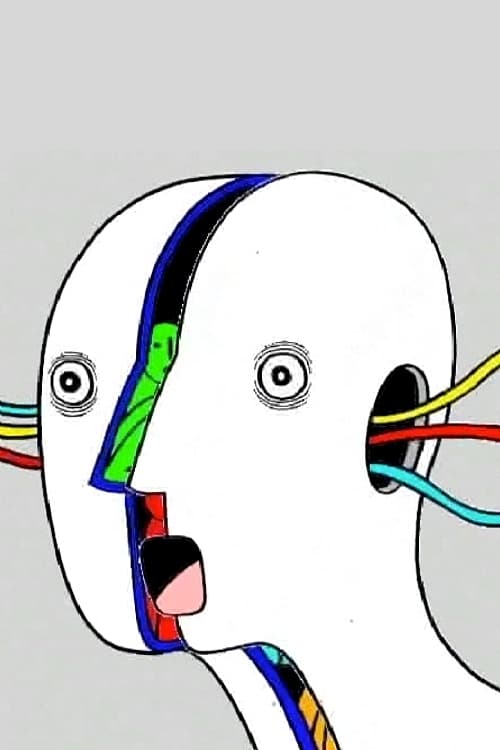
In the darkness of a cave, one man who had never seen even his own figure found a hollow flooded with light. An expression of a chaotic world. This experimental graduation film is a mixture of different animation techniques
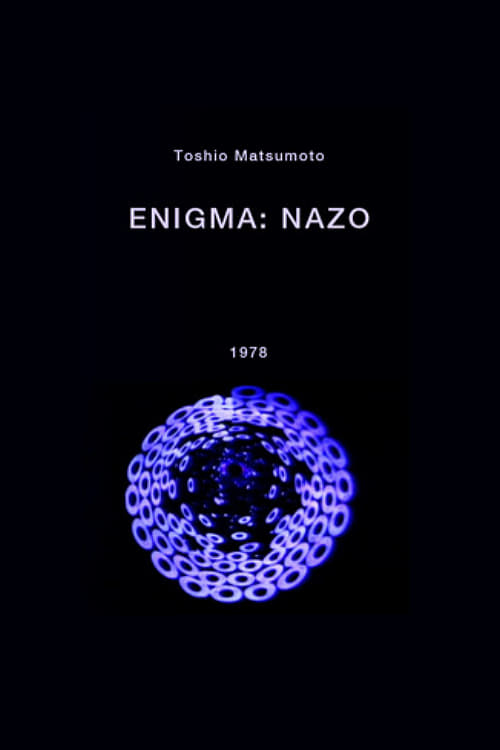
Enigma is something of a more glamorous version of White Hole, with a wide variety of elaborate textures (often composed of iconographic and religious symbols) converging towards the centre of the screen.
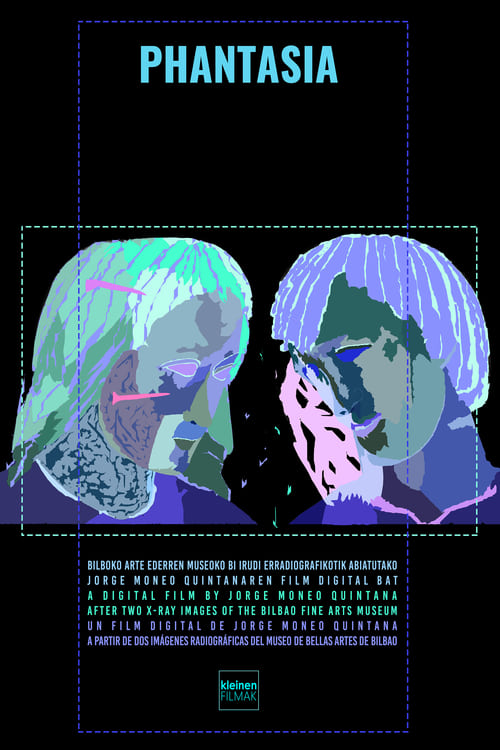
X-ray images were invented in 1895, the same year in which the Lumière brothers presented their respective invention in what today is considered to be the first cinema screening. Thus, both cinema and radiography fall within the scopic regime inaugurated by modernity. The use of X-rays on two sculptures from the Bilbao Fine Arts Museum generates images that reveal certain elements of them that would otherwise be invisible to our eyes. These images, despite being generally created for technical or scientific purposes, seem to produce a certain form of 'photogénie': they lend the radiographed objects a new appearance that lies somewhere between the material and the ethereal, endowing them with a vaporous and spectral quality. It is not by chance that physics and phantasmagoria share the term 'spectrum' in their vocabulary.
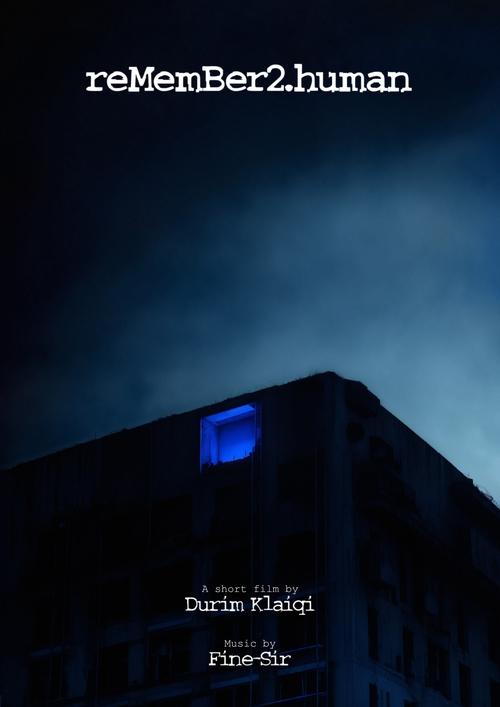
In an indeterminate future, forbidden memories challenge a database containing all human memories. An experimental cinematic search between past and future, fiction and fact, Prishtina and Tirana. The future, a glitch.
This newly rediscovered short was created in Jim's home studio in Bethesda, MD around 1961. It is one of several experimental shorts inspired by the music of jazz great Chico Hamilton. At the end, in footage probably shot by Jerry Juhl, Jim demonstrates his working method.
This is no animation, it's one picture. Short experimental film by Mirai Mizue
This short experiments with the flow of oil ink over the surface of the water. Mizue manipulated the ink by blowing with straws or stirring with toothpicks and used stop motion animation techniques to shoot the resulting effects.
An abstract animated film inspired by the work of jazz musician Chico Hamilton.
A surreal short animation by Mirai Mizue.
After a flat tire leaves her stranded in the woods, a woman revisits haunting memories of her self-destructive tendencies on the finger nails. As she peels the skin from her fingers, each strip draws her deeper into the past. With every layer, she steps closer to the hidden child within herself.
A space occupies it, awaiting to be unlocked by a freeing action or notion. What lies ahead is its determination.
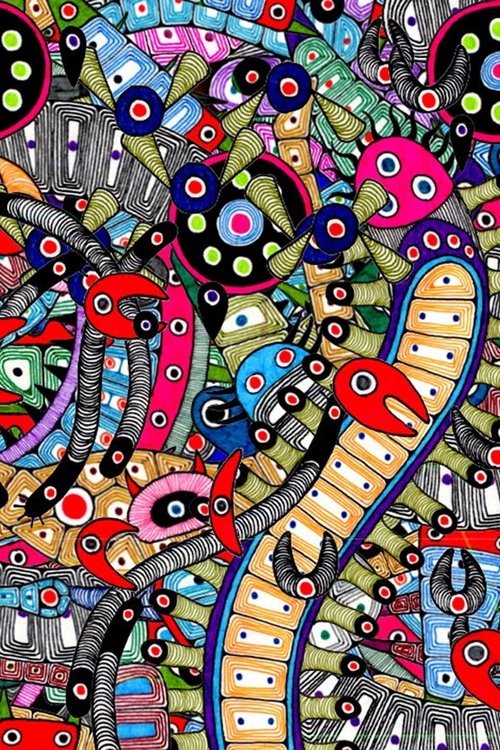
The idea of JAM was conceived while I was attending the Ottawa International Animation Festival in 2008.After returning to Japan, I soon began making the film and completed it in four months.This film is based on a very simple idea: the increasingly varied the sounds, the greater is the number of creatures. I wanted to rid myself of the frustrating experience of making Devour Dinner, which was highly unsatisfactory from the viewpoint of the movement in the film. My intention in this film was to fill the screen with chaotic movements.
A group of partygoers consider what awaits them after death.
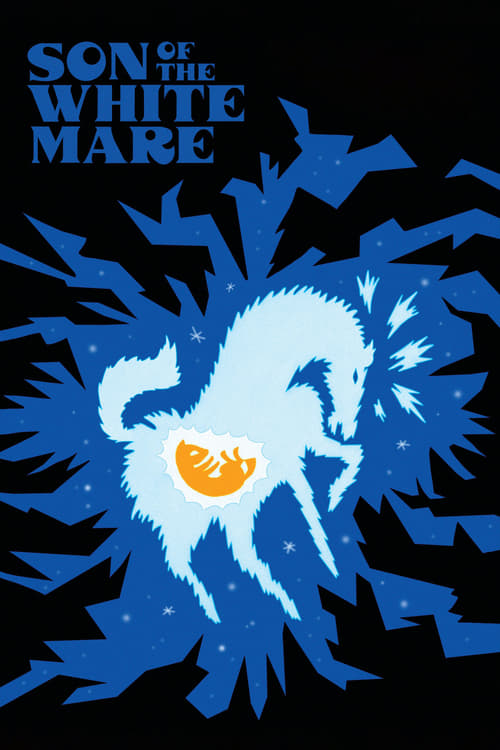
A horse goddess gives birth to three powerful brothers who set out into the Underworld to save three princesses from three evil dragons and reclaim their ancestors' lost kingdom.
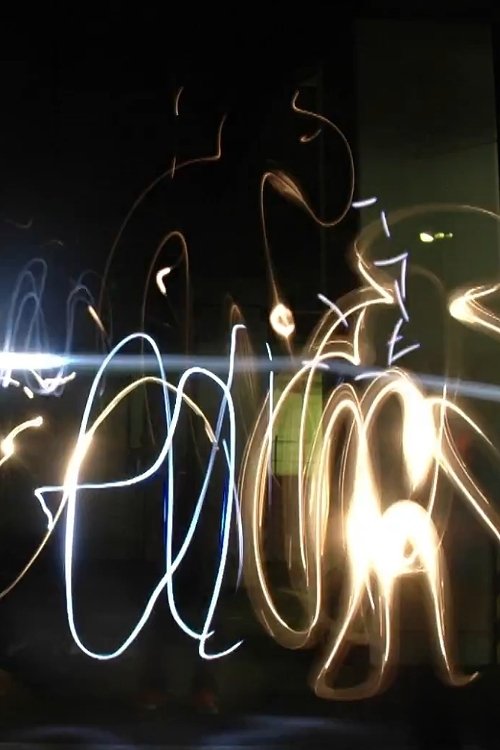
Astract stop-motion short film using "lightning doodles" by Tochka.
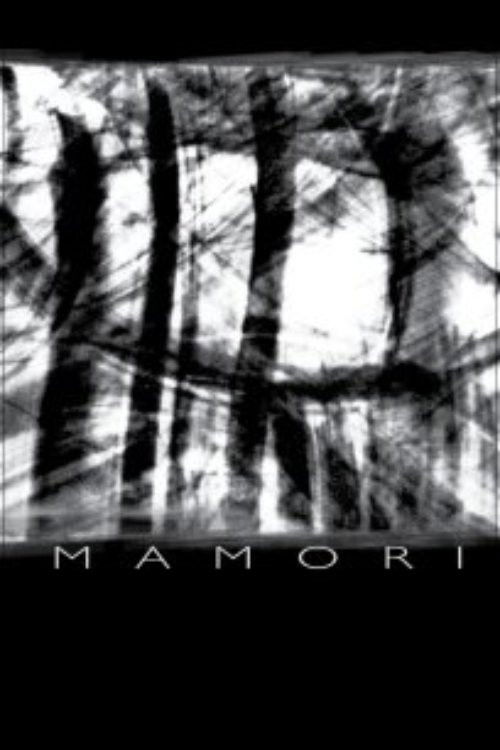
Mamori transports us into a black-and-white universe of fluid shapes, dappled and striated with shadows and light, where the texture of the visuals and of the celluloid itself have been transformed through the filmmaker’s artistry. The raw material of images and sounds was captured in the Amazon rainforest by filmmaker Karl Lemieux and avant-garde composer Francisco López, a specialist in field recordings. Re-filming the photographs on 16 mm stock, then developing the film stock itself and digitally editing the whole, Lemieux transmutes the raw images and accompanying sounds into an intense sensory experience at the outer limits of representation and abstraction. Fragmented musical phrases filter through the soundtrack, evoking in our imagination the clamour of the tropical rainforest in this remote Amazonian location called Mamori.
High Voltage is constructed from footage James Whitney contributed to Belson for use in one of his Vortex concerts.