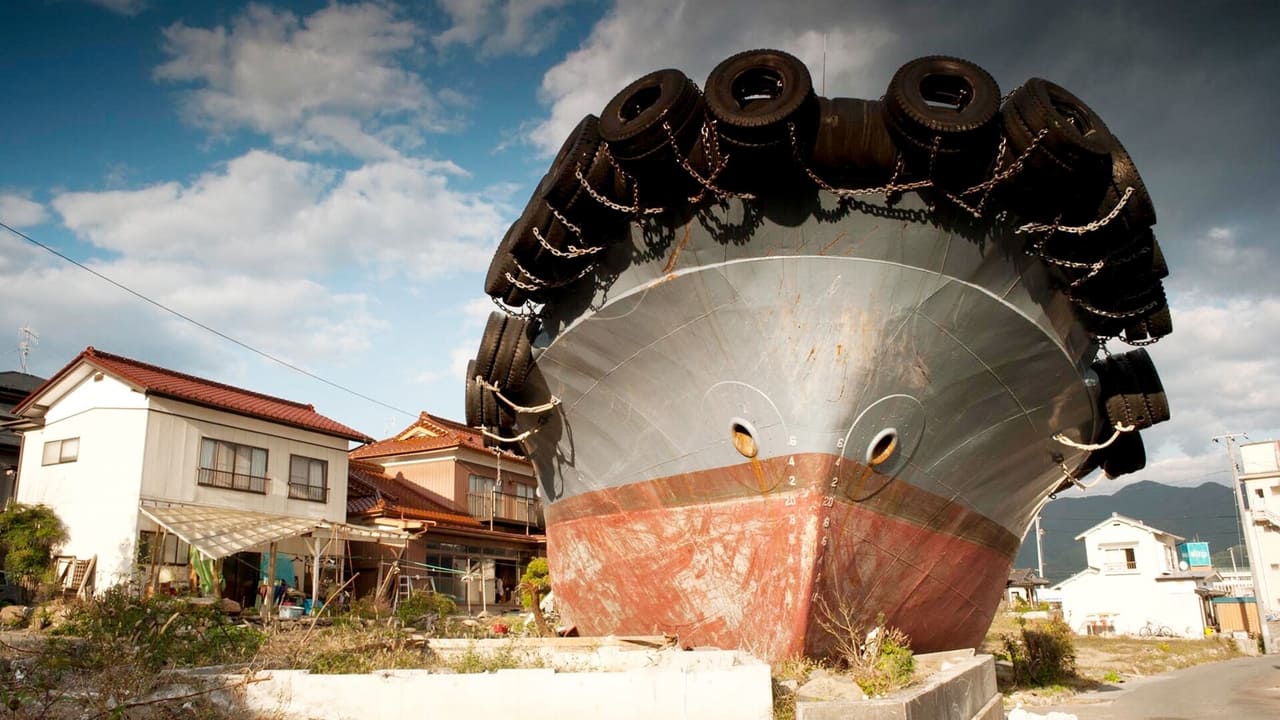
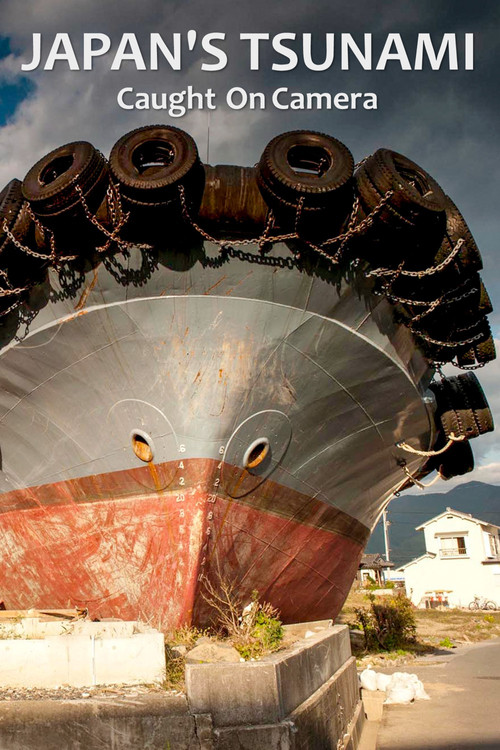
Eyewitness accounts of the tsunami that devastated Japan in March 2011, captured by the people who kept filming as the cataclysmic events unfolded around them.
No Trailers found.
No Cast found.
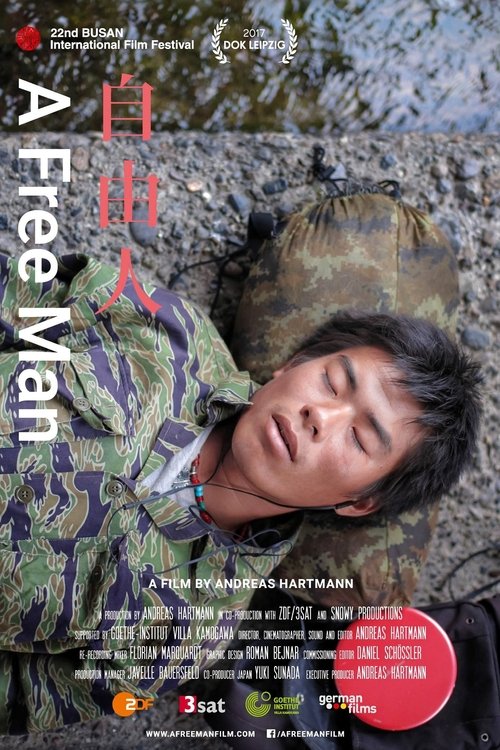
22-year-old Kei refuses to conform to the Japanese achievement-oriented society. He is homeless by choice, living on the streets and under the bridges of Kyoto. His love for nature and music keeps him afloat in his dream world. However, when he runs out of money, he is forced to face reality.
From a vast record of 750 days, 5000 hours, Official Film of the Olympic Games Tokyo 2020 SIDE A and SIDE B are the official documentaries by Naomi Kawase capturing not only the athletes gathered from all over the world, but also their families, people involved in the Games, volunteers, medical personnel, and protesters shouting for the cancellation of the Olympics.
There are endless gruesome ways that the world could end; through nasty, natural disasters or because of some man-made abomination. From maniac killer robots and super volcanoes, to an alien invasion and mutant psycho humans, all options are covered in Ten Ways the World Will End.
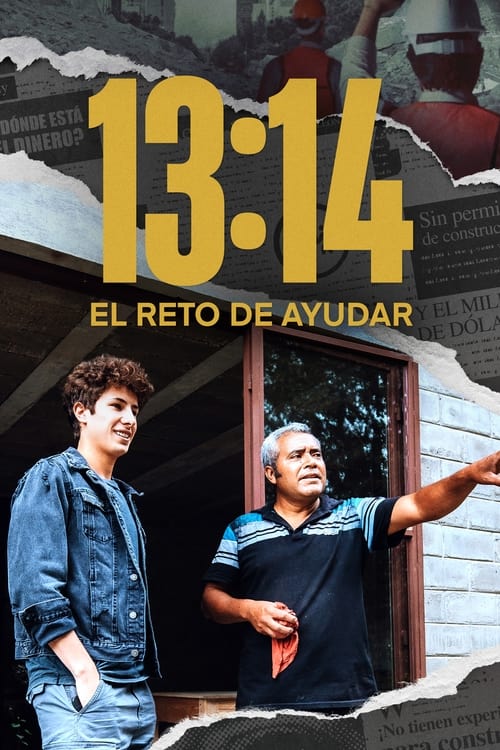
On September 19, 2017, at 1:14 p.m., an earthquake devastated Mexico City and its environs. Immediately, citizens mobilized to help, including the actor and youtuber Juanpa Zurita who quickly organized a group of friends that included singers, actors, content creators and other celebrities from the world of entertainment who helped him raise funds for the reconstruction of the city.
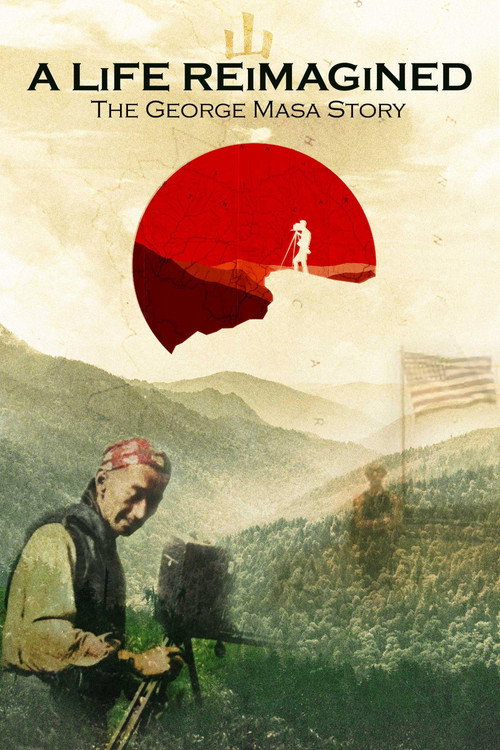
In 1915 a young, charismatic Japanese man with a mysterious past entered into the Appalachian culture of Asheville, North Carolina, is suspicioned a spy, targeted by the Klan, but perseveres with a passion for photography and the mountains he adopts, bringing to life Great Smoky Mountains National Park & the Appalachian Trail.
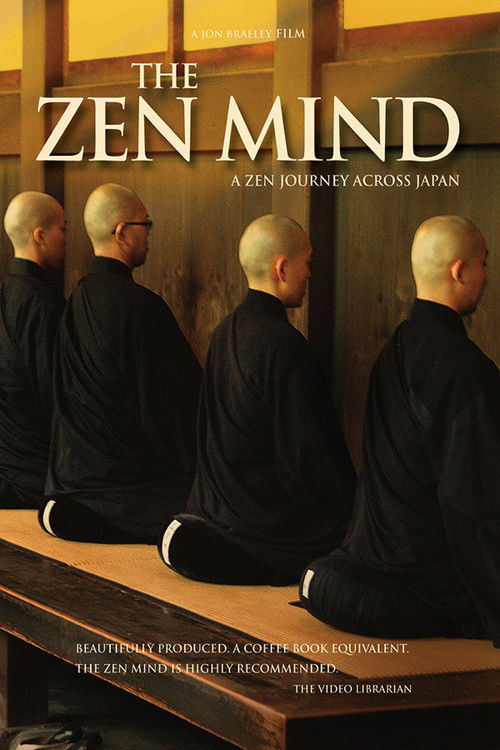
In the last fifty years the culture of Zen has spread far beyond Japan. Zen centers and zen retreats have sprung up throughout America and Europe. When Dogen, the founder of Soto Zen, brought Zen to Japan from China 800 years ago, it quickly took root and became an integral part of Japanese life. Yet what do we know about zen practice in Japan today? The Zen Mind is a fascinating journey across Japan to explore zen in its natural habitat.
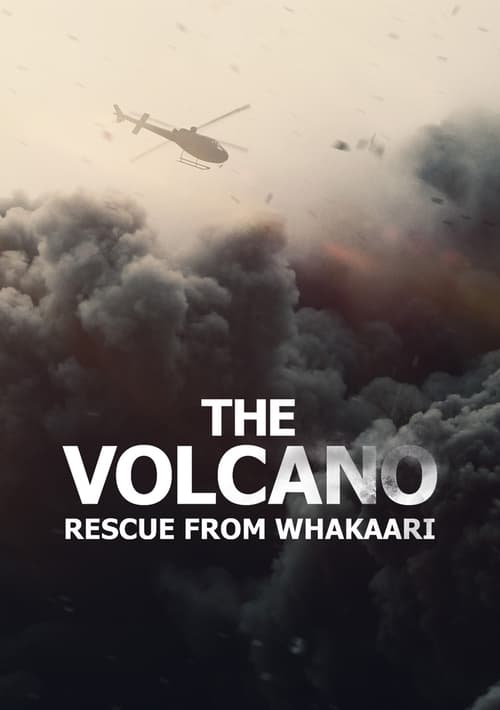
A close examination of the Whakaari / White Island volcanic eruption of 2019 in which 22 lives were lost, the film viscerally recounts a day when ordinary people were called upon to do extraordinary things, placing this tragic event within the larger context of nature, resilience, and the power of our shared humanity.
Documentary about Japan's Unit 731 of World War II.
A look at the state of the global environment including visionary and practical solutions for restoring the planet's ecosystems. Featuring ongoing dialogues of experts from all over the world, including former Soviet Prime Minister Mikhail Gorbachev, renowned scientist Stephen Hawking, former head of the CIA R. James Woolse
The last representatives of Mixteco culture inhabit a village in the Sierra Madre. Deprived of their identity by modern civilization, they are facing an even bigger threat: a landslide that may destroy the village during the next torrential rains. The mayor tries to prevent the disaster. He wants to invite a geologist, so that the approaching danger can be officially confirmed. But no help is coming and the inhabitants must simply wait for the disaster.
When the 2004 tsunami hit the coast of Sri Lanka, 65-year-old Anton Ambrose's wife and daughter were killed. "In five minutes," he says, "I lost everything." A year later, Anton returns to Sri Lanka. With him is his nephew, award-winning filmmaker Rohan Fernando. A Tamil, Anton moved to California in the 1970s and became a very successful gynecologist. His daughter, Orlantha, made the opposite journey, returning to Sri Lanka where she ran a non-profit group that gave underprivileged children free violin lessons. Blood and Water is the story of one man's search for meaning in the face of overwhelming loss, but it is also filled with improbable characters, unintentional comedy and situational ironies.
Leaving Europe to look for Akiko, Jean-Noël discovers her city, the exotic Tokyo. A documentary on everyday life in Tokyo, its KABUKI theater, its nostalgic TAKENOKOZOKU dances, its thousands of suit-and-tie executives, its geishas, its Western style marriages, its tranquil green areas, its pulsating nightlife...
A documentary film telling the story of true friendship and commitment to Japan’s recovery by the international community following the Great East Japan Earthquake. Many of these people dropped what they were doing and dedicated themselves to Japan’s recovery. Many of these them even took it upon themselves to establish non-profit organizations aimed at connecting with and rebuilding Tohoku and its communities.
"Trouble the Water" takes you inside Hurricane Katrina in a way never before seen on screen. The film opens the day before the storm makes landfall--just blocks away from the French Quarter but far from the New Orleans that most tourists knew. Kimberly Rivers Roberts, an aspiring rap artist, is turning her new video camera on herself and her Ninth Ward neighbors trapped in the city. Weaving an insider's view of Katrina with a mix of verité and in-your-face filmmaking, it is a redemptive tale of self-described street hustlers who become heroes--two unforgettable people who survive the storm and then seize a chance for a new beginning.
Japan blossomed into its Renaissance at approximately the same time as Europe. Unlike the West, it flourished not through conquest and exploration, but by fierce and defiant isolation. And the man at the heart of this empire was Tokugawa Ieyasu, a warlord who ruled with absolute control. This period is explored through myriad voices-- the Shogun, the Samurai, the Geisha, the poet, the peasant and the Westerner who glimpsed into this secret world.
This astounding documentary delves into the mysteries of the Tunguska event – one of the largest cosmic disasters in the history of civilisation. At 7.15 am, on 30th June 1908, a giant fireball, as bright the sun, exploded in the sky over Tunguska in central Siberia. Its force was equivalent to twenty million tonnes of TNT, and a thousand times greater than that of the atomic bomb dropped on Hiroshima in 1945. An estimated sixty million trees were felled over an area of over two thousand square kilometres - an area over half the size of Rhode Island. If the explosion had occurred over London or Paris, hundreds of thousands of people would have been killed.
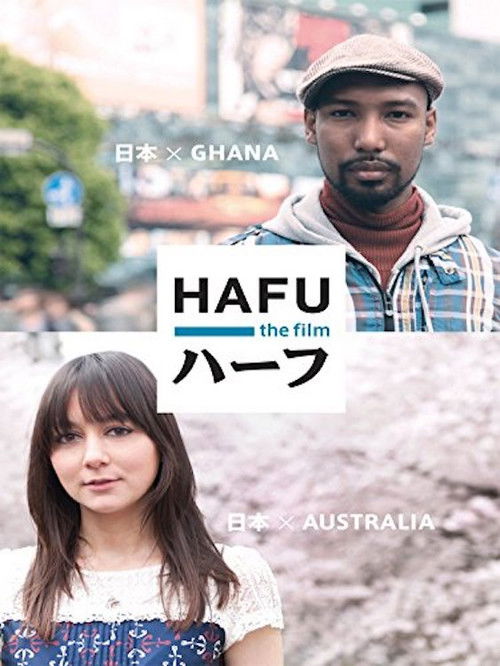
A journey into the intricacies of mixed-race Japanese and their multicultural experiences in modern day Japan. For some hafus, Japan is the only home they know, for some living in Japan is an entirely new experience, and the others are caught somewhere between two different worlds.
Welcome to The Great Happiness Space: Rakkyo Café. The club's owner, Issei (22), has a staff of twenty boys all under his training to become the top escorts of Osaka's underground love scene. During their training, they learn how to dress, how to talk, how to walk, and most importantly, how to fake relationships with the girls who become their source of income. Join us as Osaka's number one host boy takes us on a journey through the complex and heartrenching world of love for sale in the Japanese underground.
The culture of Japan is incredible, from bloom festivals to ultra-modern cities. But there are also more than 130 mammals and 600 bird species dwelling in Japan’s 6852 islands. This island chain is long enough to span climate zones, providing a huge range of habitat.
How the Japanese process American pop culture and make it their own -- a mind-bending odyssey through cultural mixing.