A documentary on Al Gore's campaign to make the issue of global warming a recognized problem worldwide.
No overview available.
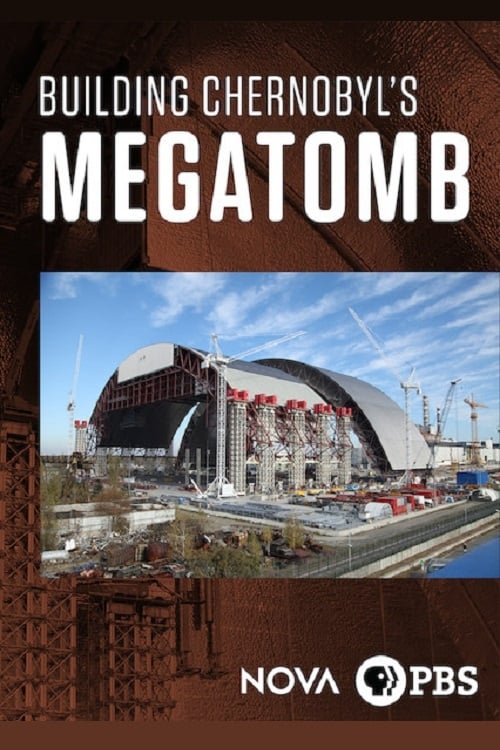
Documentary which follows the construction of a trailblazing 36,000-tonne steel structure to entomb the ruins of the nuclear power plant destroyed in the 1986 Chernobyl disaster.
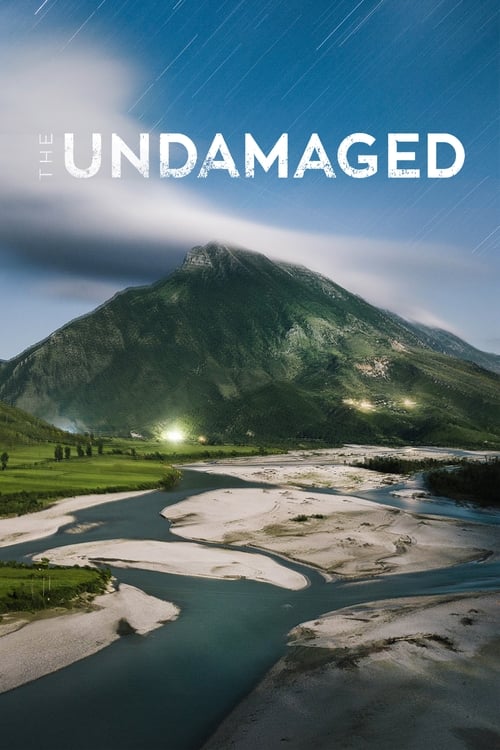
The Balkans cradles Europe's last wild rivers and supports abundant wildlife and healthy, intact ecosystems. These rivers are "The Undamaged" – clean, pristine, and undammed. With over 2,700 small and large hydro power plants planned or under construction in the Balkans, corruption and greed are destroying the last free-flowing rivers of Europe. Follow the Balkan Rivers Tour, a rowdy crew of whitewater kayakers, filmers, photographers and friends who decided to stand up for the rivers, travelling from Slovenia to Albania for 36 days, kayaking 23 rivers in 6 countries to protest the dams and show the world the secret wild rivers of the Balkans. The film honours everyday people and local activists who are fighting to defend rivers and aims to spread the word of the plight of these rivers, showing a new style of nature conservation that is fun, energetic and effective.
An account of the last two centuries of the Anthropocene, the Age of Man. How human beings have progressed so much in such a short time through war and the selfish interests of a few, belligerent politicians and captains of industry, damaging the welfare of the majority of mankind, impoverishing the weakest, greedily devouring the limited resources of the Earth.
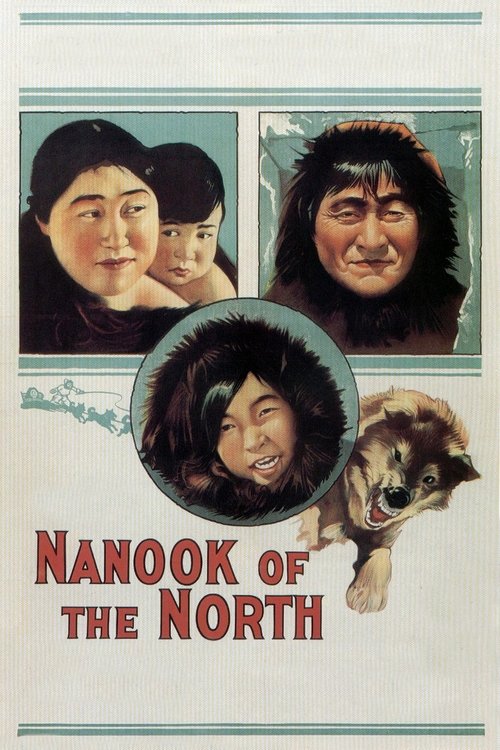
This pioneering documentary film depicts the lives of the indigenous Inuit people of Canada's northern Quebec region. Although the production contains some fictional elements, it vividly shows how its resourceful subjects survive in such a harsh climate, revealing how they construct their igloo homes and find food by hunting and fishing. The film also captures the beautiful, if unforgiving, frozen landscape of the Great White North, far removed from conventional civilization.
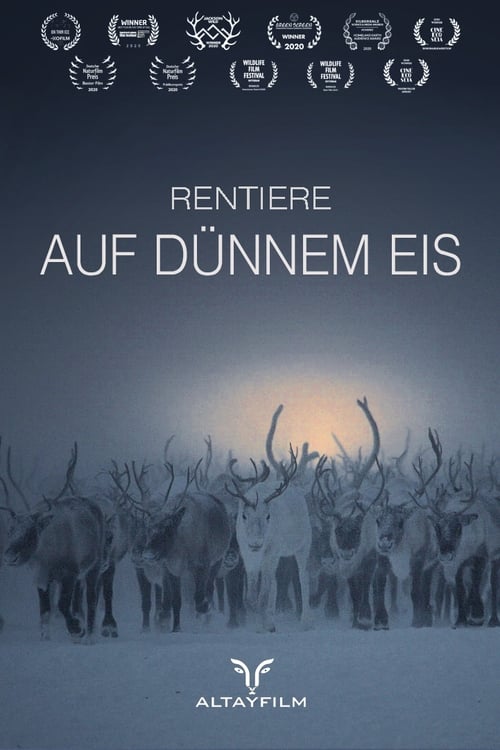
Climate change has reached the indigenous Nenets people in the north of Siberia. The nomads' herds of reindeer move on thin ice. The warming in the Russian Arctic is becoming dramatically visible. Huge craters open in the thawing permafrost and expose dangerous viruses and bacteria. Forest floors dry out and the taiga catches on fire. The pack ice off the coast is melting and depriving polar bears of their habitat so that they approach human settlements in their desperation. The changes in the nature of the Arctic Circle combine with the measurements of researchers and observations of the indigenous people to form a disturbing overall picture: In the Russian Arctic, Pandora's box has been opened! The film team had the chance to shoot in regions that were been restricted areas for decades. The documentary shows in impressive and depressing images already existing effects, phenomena and ominous interlinkages of global warming.
Ben Fogle spends a week living inside the Chernobyl Exclusion Zone, gaining privileged access to the doomed Control Room 4 where the disaster first began to unfold.
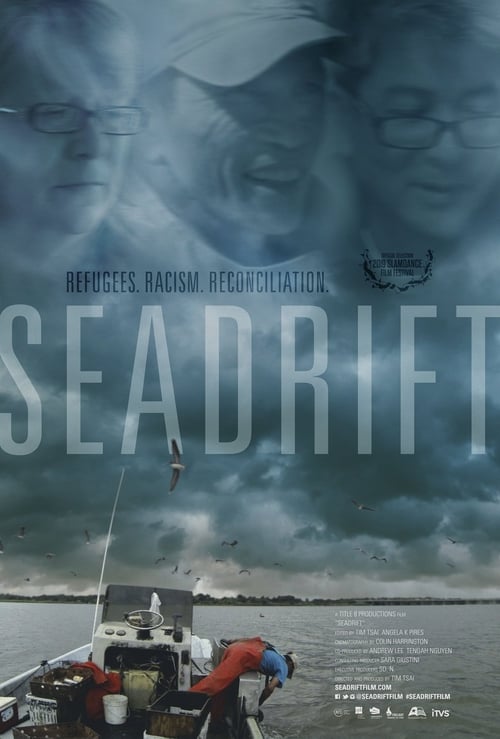
On August 3rd, 1979, a Vietnamese refugee shoots and kills a white crab fisherman at the town docks in Seadrift, TX. What began as a fishing dispute erupts in violence and ignites a resurgence of the KKK and open hostilities against the Vietnamese along the Gulf Coast. Set during the early days of Vietnamese refugee arrival, “Seadrift” examines the circumstances that led up to the shooting, its tumultuous aftermath, and the unexpected consequences that continue to reverberate today.
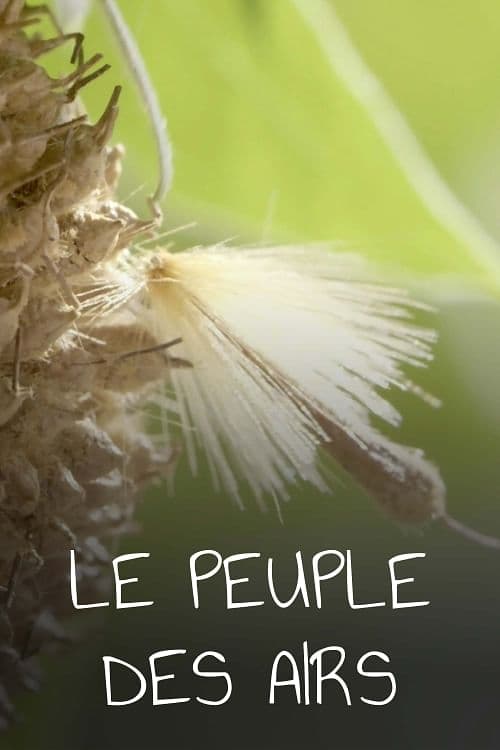
Bacteria, viruses, but also fungi, algae, pollen, and even insects: micro-organisms thrive and circulate constantly in our sky. How can so many living beings find their way into the air and circulate? How do they survive? And what influence do they have on our lives and the living world? Biodiversity, health, climate: it is only recently that scientists have begun to understand how this discreet aerial "plankton" affects our lives and our ecosystem. But despite their many virtues, some of these micro-organisms are now threatened by human activities. With the help of experts and 3D models, this scientific investigation plunges us into the heart of a still mysterious world, and reveals the diversity and fragility of the air we breathe.
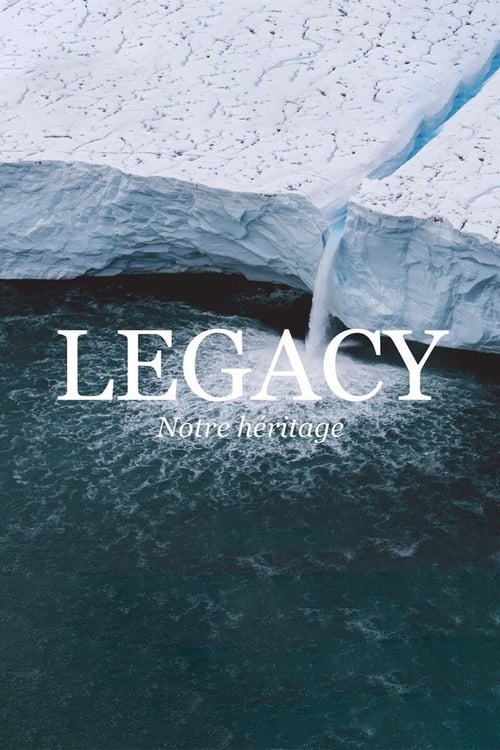
Ten years after the film Home (2009), Yann Arthus-Bertrand looks back, with Legacy, on his life and fifty years of commitment. It's his most personal film. The photographer and director tells the story of nature and man. He also reveals a suffering planet and the ecological damage caused by man. He finally invites us to reconcile with nature and proposes several solutions
This RKO Sportscope series short presents two sportsmen fishing for striped bass.
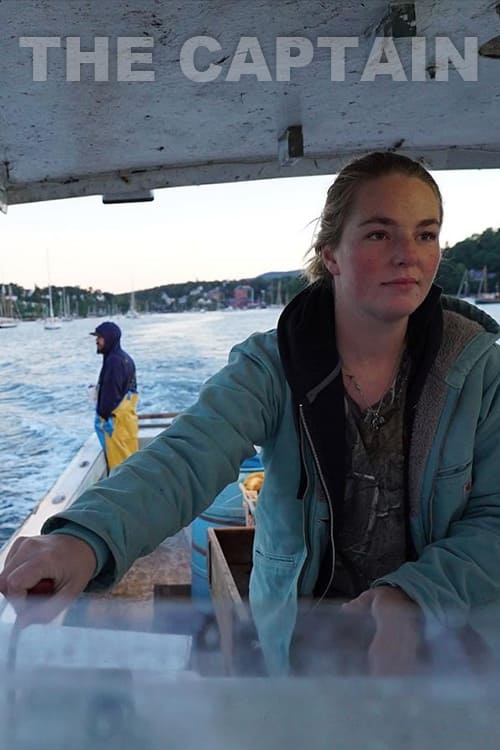
Of Maine’s more than 5000 commercial lobstermen only 4% are female. The Captain celebrates that fearless minority through the lens of Sadie Samuels. At 27 years old, she is the youngest and only female lobster boat captain in the Rockport, Maine harbor. Despite the long hours and manual labor of hauling traps, Samuels is in love — obsessed even — with what she calls the most beautiful, magical place on the planet. Her love for lobster fishing was imparted early in her childhood by her dad Matt, who has been her mentor and inspiration since she was a little girl in yellow fishing boots.
This is the planet we still know so little. We call it Earth but less than 1/3 is land, over 2/3 is water and we use that water as a dumping site for our waste and as if it's an inexhaustible "horn of plenty" for humans. Our most important ecosystem is on the verge of collapse unless we act now. At this very moment the main problem with the oceans is that they're getting emptier and emptier. If we don't do anything then we face one of the biggest disasters in history of mankind.
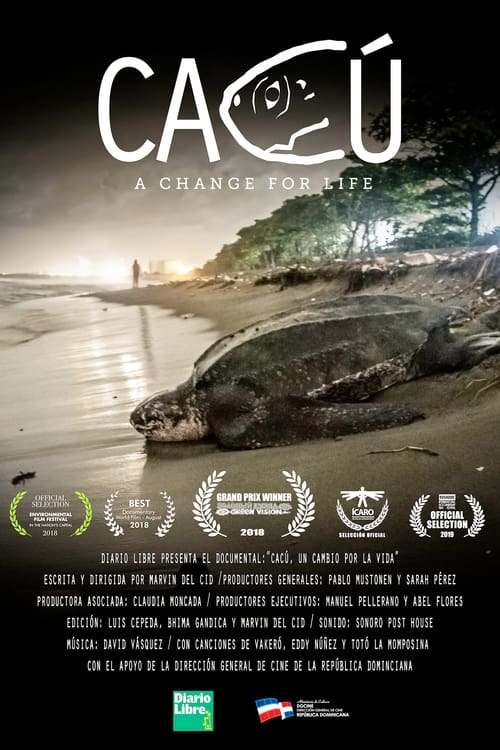
Five fishermen from Manresa, a poor neighborhood to the West of Santo Domingo in the Dominican Republic, learn from marine biologist Omar Shamir Reynoso's one-of-a-kind plan to protect nesting sea turtles.
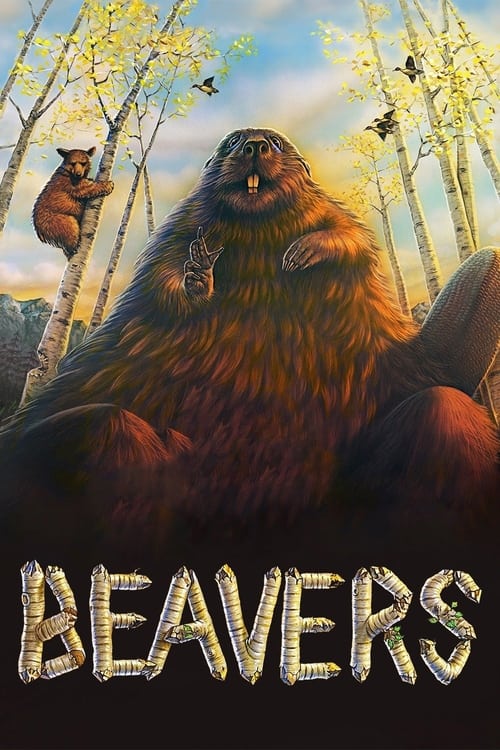
A story about several beaver families in their wild surroundings. The interesting process of building a dam can be watched as well as the dangers arising from hungry bears and other influences on the new-built home.
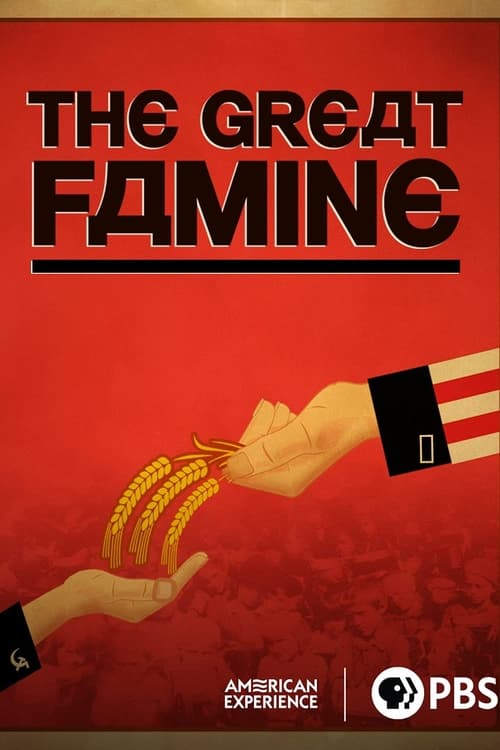
When a devastating famine descended on Soviet Russia in 1921, it was the worst natural disaster in Europe since the Black Plague in the Middle Ages. Examine Herbert Hoover’s American Relief Administration—an operation hailed for its efficiency, grit and generosity. By the summer of 1922, American kitchens were feeding nearly 11 million Soviet citizens a day.
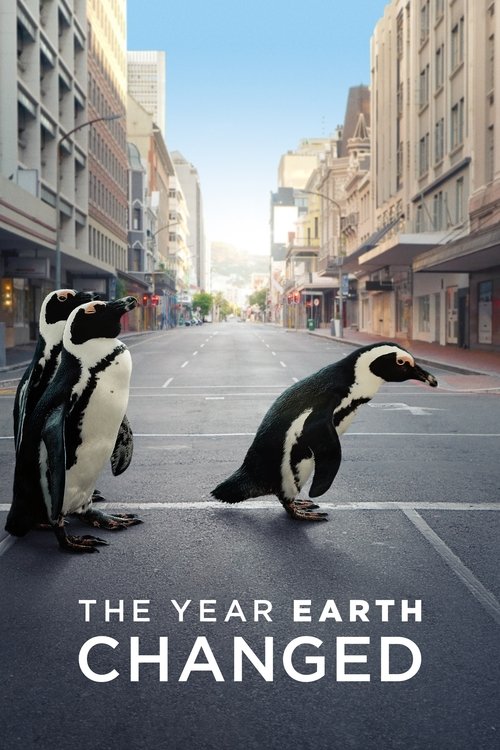
Never-before-seen footage shows how our living in lockdown opened the door for nature to bounce back and thrive. Across the seas, skies, and lands, Earth found its rhythm when we came to a stop.
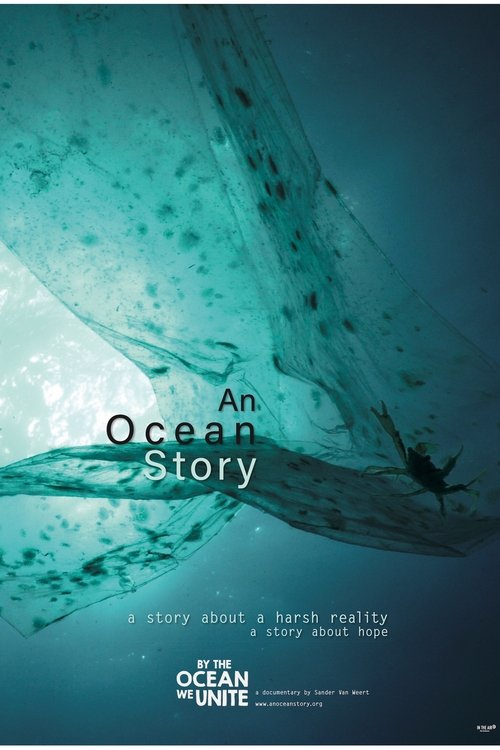
Increasing pollution, over fishing and climate change are major threats our oceans are currently facing worldwide. This documentary follows us on our journey as we film devastating consequences of these harsh realities.
No Cast found.
No Trailers found.