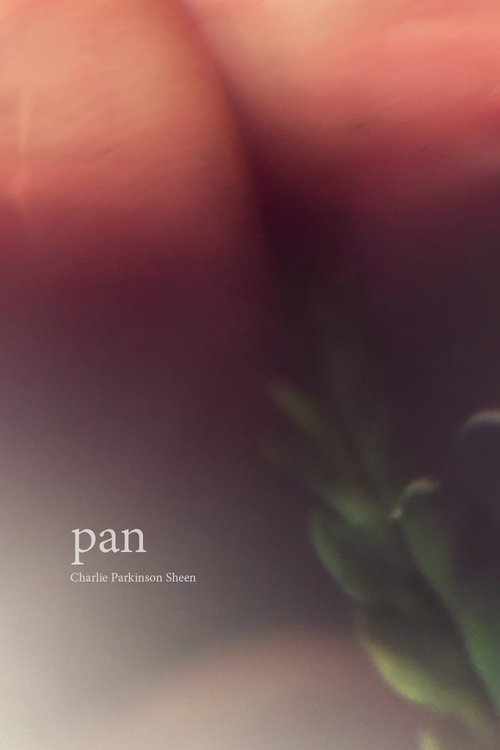
A tactile exploration of the inherent duality of violence and sensuality in nature.
No Cast found.
No Trailers found.
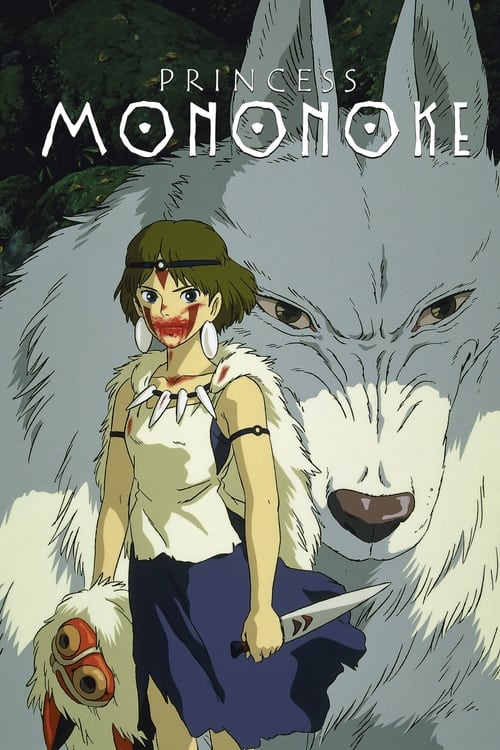
Ashitaka, a prince of the disappearing Emishi people, is cursed by a demonized boar god and must journey to the west to find a cure. Along the way, he encounters San, a young human woman fighting to protect the forest, and Lady Eboshi, who is trying to destroy it. Ashitaka must find a way to bring balance to this conflict.
No overview available.
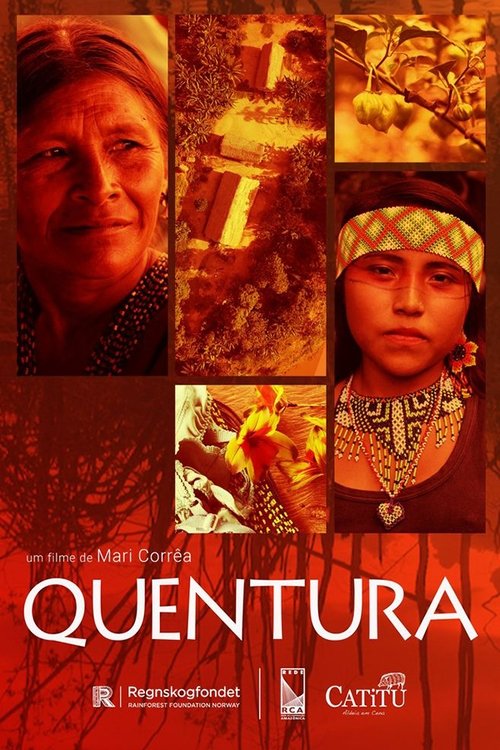
Too hot! The spawning fish do not come at the right time and the pepper plants end up dying in this heat. "This is a very different weather that not even the spirits can understand." From their gardens, homes, and backyards, the indigenous women of the Amazon involve us in their vast universe of knowledge while they observe the impacts of climate change in their ways of life.
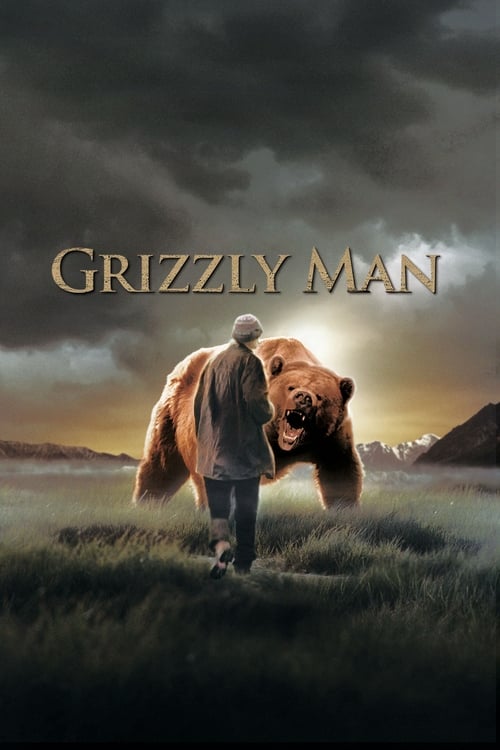
Follows the story of "Grizzly Man" Timothy Treadwell and what the thirteen summers in a National Park in Alaska were like in his attempt to protect the grizzly bears. The film is full of unique images and a look into the spirit of a man who sacrificed himself for nature.
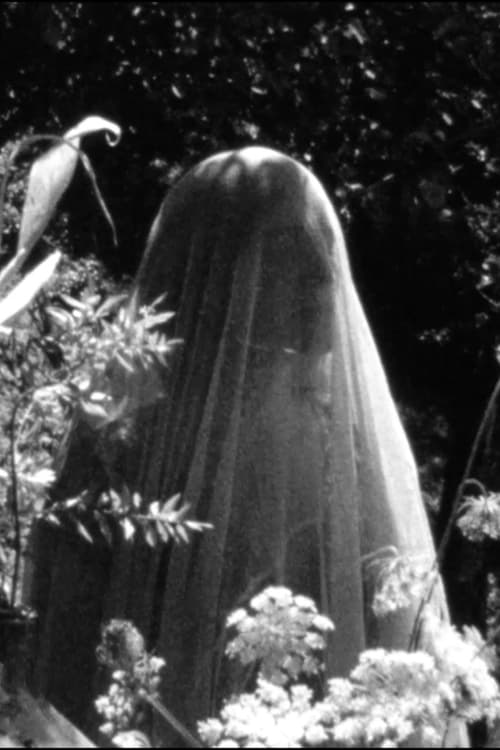
Visual haiku dealing with still and living life, ghosts and revealing light.
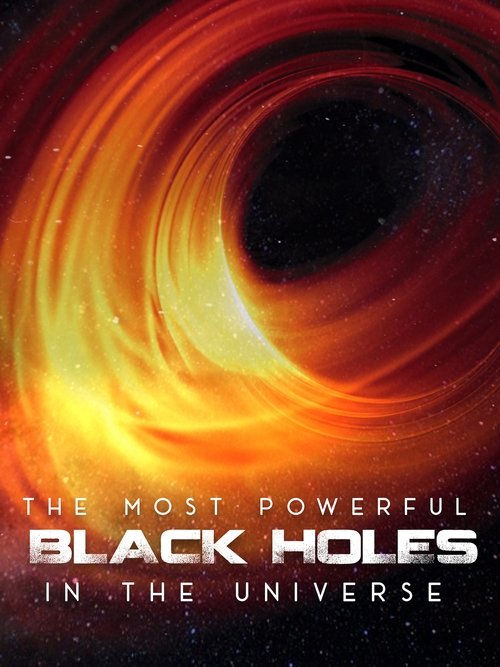
The study of extreme physics brought us the bomb. It has taken us inside the violent death of a star. Now, it has brought us face to face with the most destructive force in Nature: a supermassive black hole. How large, how powerful, can these monsters get? What can they tell us about the extremes of time and space?
During the COVID-19 pandemic, a trans body dreams of the birth of night.
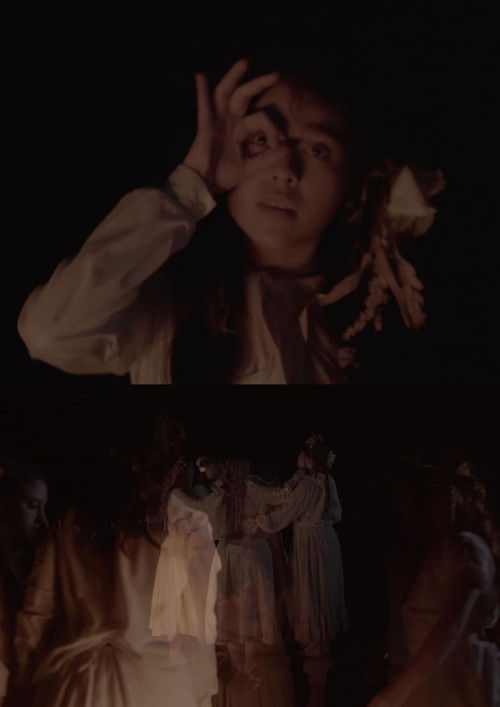
Living in forests untouched by man, these gracious and mysterious fairies use their magical powers to send blessings upon Earth. Do not take their kindness for granted. Especially on the night when the sky opens.
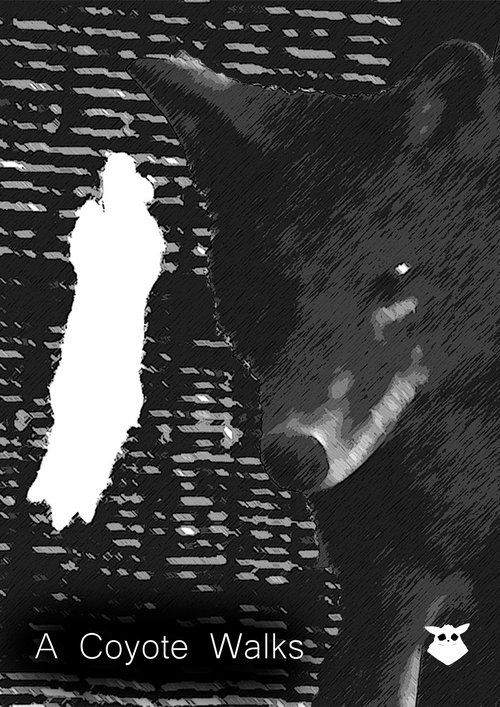
A coyote walks through a distorted reality without color.
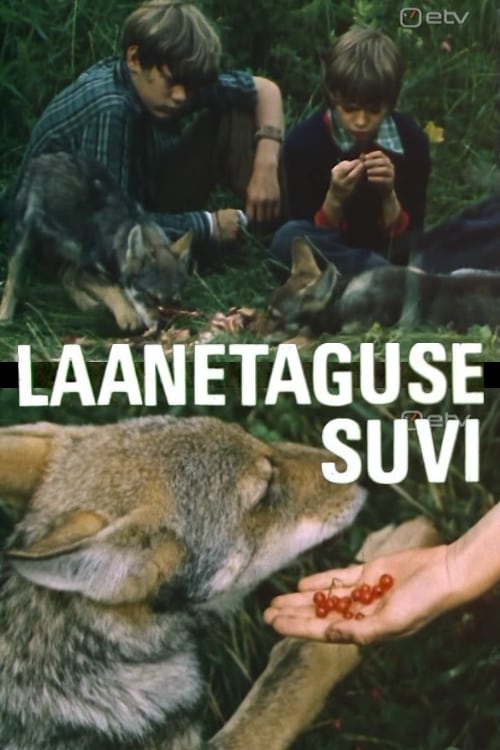
A wonderful story about how brothers, who came to the forestry during the summer holidays, raised a crane, wolf cubs and other forest animals. The boys learned to love to value and respect both nature itself and its inhabitants, and also realized the responsibility of man for the safety of flora and fauna.
The film "Wild Animals of Virginia" explores the diverse wildlife inhabiting Virginia's forests, fields, and waterways. It highlights various species such as chipmunks, squirrels, woodchucks, beavers, muskrats, minks, otters, raccoons, elk, white-tailed deer, cottontail rabbits, foxes, black bears, opossums, bobcats, and skunks. The documentary emphasizes the natural laws governing these animals, their habitats, diets, and behaviors, while also touching on their historical significance and interactions with early settlers.
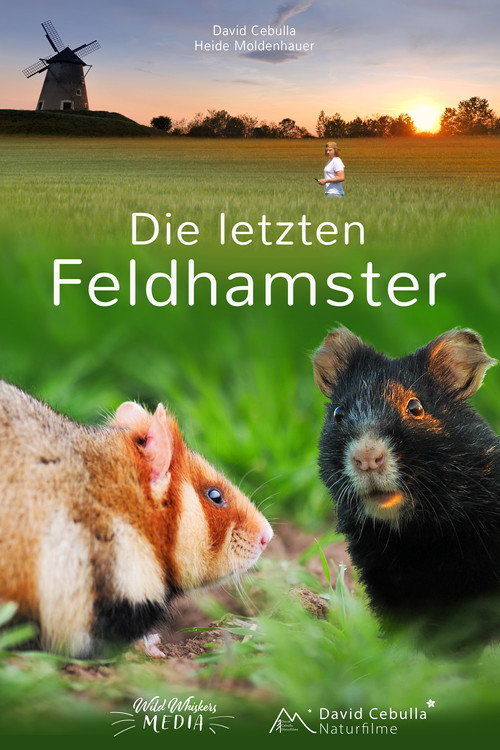
For almost three years, nature filmmaker and ecologist David Cebulla has been observing wild Common hamsters. He not only tries to learn more about the species, but also documents why hamsters are globally threatened with extinction. David travels from the western border of the distribution area in France via Germany, Poland, Austria and Hungary to the eastern border of the distribution area in the Kazakh steppe. In the process, he manages to capture some unique and fantastic images. But during the project, it becomes increasingly difficult to find animals living in the wild.
Author Helen Macdonald follows Britain’s greatest river over four seasons, encountering salmon, beavers and the microscopic creatures helping to answer science's biggest questions.
During a walk in nature, a young hiker finds a notebook. Soon after curiosity gets the better of her, she finds out that it is not just a notebook that crossed her path.
In 1967, Beulah struck Reynosa. Family survives through images from memory circling the wreck. Rituals of celebration and violence like hurricane, shift between dancing, cyanotypes, blue fire and lost family archive. We have come to see the damage that was done and the treasures that prevail. Thus invent colors that burn the eyelid like 火藥.
A photographer looks at pictures of the last day of a boy's life.
"Africa Light" - as white local citizens call Namibia. The name suggests romance, the beauty of nature and promises a life without any problems in a country where the difference between rich and poor could hardly be greater. Namibia does not give that impression of it. If you look at its surface it seems like Africa in its most innocent and civilized form. It is a country that is so inviting to dream by its spectacular landscape, stunning scenery and fascinating wildlife. It has a very strong tourism structure and the government gets a lot of money with its magical attraction. But despite its grandiose splendor it is an endless gray zone as well. It oscillates between tradition and modernity, between the cattle in the country and the slums in the city. It shuttles from colonial times, land property reform to minimum wage for everyone. It fluctuates between socialism and cold calculated market economy.
In one of those wonderful coincidences of history, lumière, the French word for “light,” was also the last name of brothers Auguste and Louis, whose brilliant invention, the cinematograph, helped to inaugurate the most beloved art form of the last 130 years. Institute Lumière director Thierry Frémaux uses Lumière, Le Cinema! to guide the viewer through over a hundred shorts—some famous, some forgotten, some never before seen—directed by Lumière and company. In the process, Frémaux illuminates how the brothers employed the camera as a creative instrument as they (and their operators) mastered framing, staging, and subject selection for quotidian and exotic microdocumentaries as well as the first ever fictional motion pictures. The result is not only a glorious re(telling) of the genesis of cinema but a profound meditation on the beautiful world captured—and the mysterious world imagined—by the Lumières.