For a year, the women working at the Grandin factory in Montreuil, France occupy the place and lead numerous actions.
No Trailers found.
No Cast found.
No overview available.
Documentary following some stoner friends over the course of roughly a day. Featured here is Bill, a guy who got kicked out of the Marines for doing dope steadily for six years (I'm not gonna do it forever--or maybe I will, who knows?) and Barry, a forklift-driving doper who wins the Employee of the Month plaque while stoned (Live for yourself--live today and then worry about tomorrow when it gets here--that's the way I go).
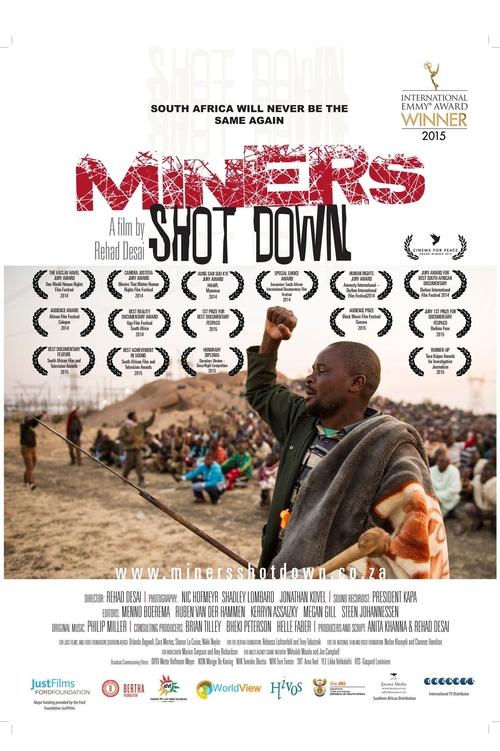
In August 2012, mineworkers in one of South Africa’s biggest platinum mines began a wildcat strike for better wages. Six days later the police used live ammunition to brutally suppress the strike, killing 34 and injuring many more. Using the point of view of the Marikana miners, Miners Shot Down follows the strike from day one, showing the courageous but isolated fight waged by a group of low-paid workers against the combined forces of the mining company Lonmin, the ANC government and their allies in the National Union of Mineworkers.
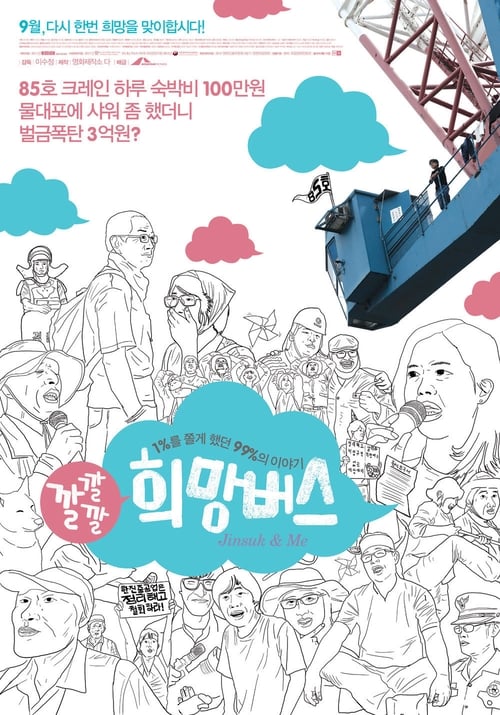
I have been pretty satisfied with my life before I got on the bus. When I do in June 2011, my whole life turns upside down. I am just a regular passenger at first. Like other people I was sorry, and felt obliged to help and care for other passengers. Then I begin to film these common heroes with my camera. Those who speak about hope, who provide it and get on the bus, Ms. Kim Jin-suk, and other crane laborers who risk their safety while demonstrating for their rights on high. She, while stationed insecurely on high, begins interacting with the world through Twitter and makes friends. Then I realize I really love her. Will we have her back safely?
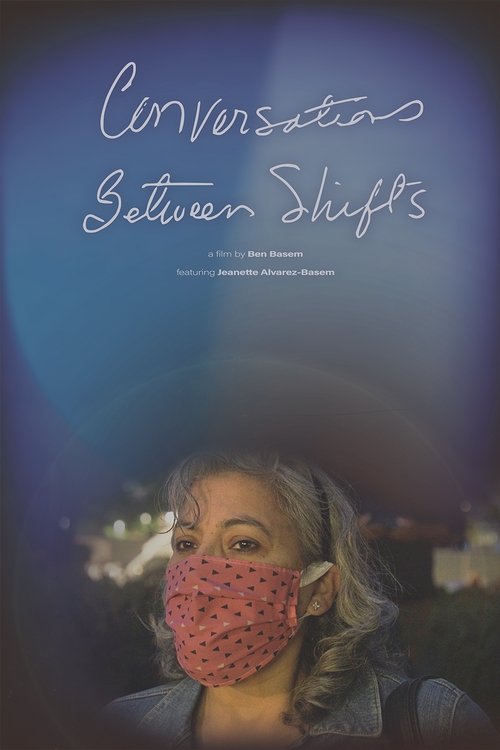
A portrait of Chicagoland ICU nurse Jeanette Alvarez-Basem captured through the perspective of her son Ben Basem. Between her night shifts and Illinois Nurses Association union meetings, Jeanette navigates what it means to be a nurse and a human during the first year of the COVID-19 pandemic.
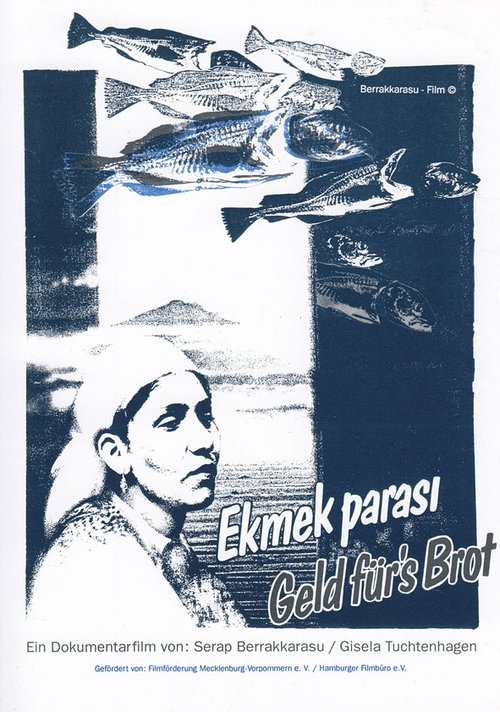
Women from Turkey and Mecklenburg are working together side-by-side at a fish-processing factory in Lübeck. As they work, they share stories about their lives, including their sorrows, griefs, hopes, and dreams, while expressing their longing for home and feelings of being lost in a foreign place.
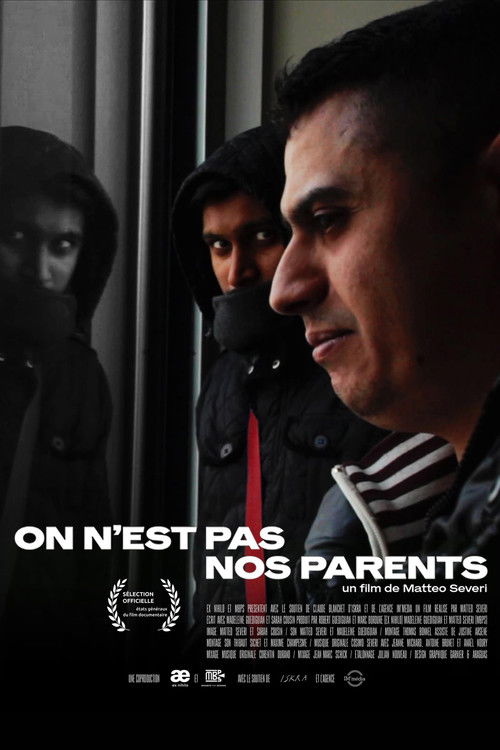
Reserved by Citroën for immigrant workers, the Aulnay-sous-Bois factory experienced its first strike in 1982. Thirty years later, it's the turn of a new generation to join the fight. Worthy heirs of their parents, the workers revive a forgotten memory and offer a unique perspective on the history of contemporary France. Matteo Severi's film mirrors these two social struggles, led by workers from immigrant backgrounds.
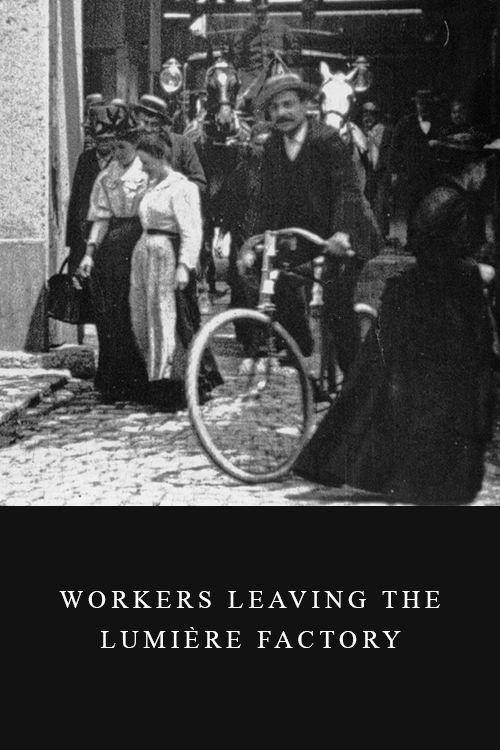
Working men and women leave through the main gate of the Lumière factory in Lyon, France. Filmed on 22 March 1895, it is often referred to as the first real motion picture ever made, although Louis Le Prince's 1888 Roundhay Garden Scene pre-dated it by seven years. Three separate versions of this film exist, which differ from one another in numerous ways. The first version features a carriage drawn by one horse, while in the second version the carriage is drawn by two horses, and there is no carriage at all in the third version. The clothing style is also different between the three versions, demonstrating the different seasons in which each was filmed. This film was made in the 35 mm format with an aspect ratio of 1.33:1, and at a speed of 16 frames per second. At that rate, the 17 meters of film length provided a duration of 46 seconds, holding a total of 800 frames.
Film from Andrew Morgan. The True Cost is a documentary film exploring the impact of fashion on people and the planet.
A cinema verite study of the world of the blue-collar worker and the economic and psychological bind in which he is caught.
A forgotten history of Northern Ireland is unveiled through a journey into Ulster Television’s archives, and the rediscovery of the first locally-produced network drama, Boatman Do Not Tarry.
A portrait of Santos Port, its geography, workers and the life that surrounds it, including the poor, prostitutes and the night life inhabitants.
When workers at the Hormel meatpacking plant in Austin, Minnesota are asked to take a substantial pay cut in a highly profitable year, the local labor union decides to go on strike and fight for a wage they believe is fair. But as the work stoppage drags on and the strikers face losing everything, friends become enemies, families are divided and the very future of this typical mid American town is threatened.
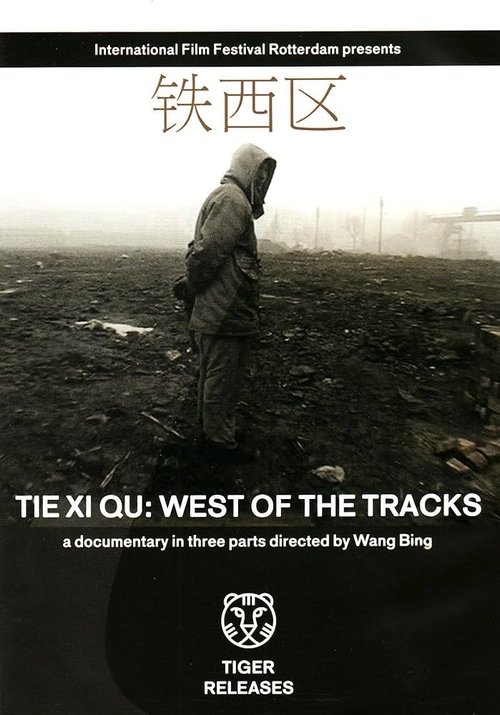
A detailed look at the gradual decline of Shenyang’s industrial Tiexi district, an area that was once a vibrant example of China’s socialist economy. But industry is changing, and the factories of Tiexi are closing. Director Wang Bing introduces us to some of the workers affected by the closures, and to their families.
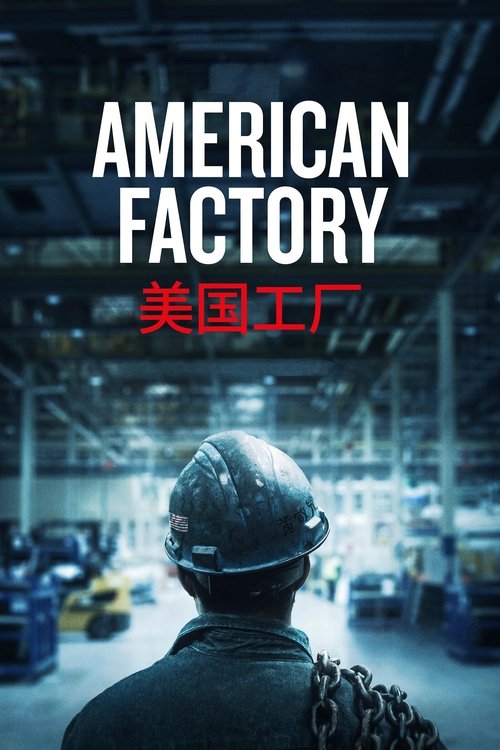
In post-industrial Ohio, a Chinese billionaire opens a new factory in the husk of an abandoned General Motors plant, hiring two thousand blue-collar Americans. Early days of hope and optimism give way to setbacks as high-tech China clashes with working-class America.
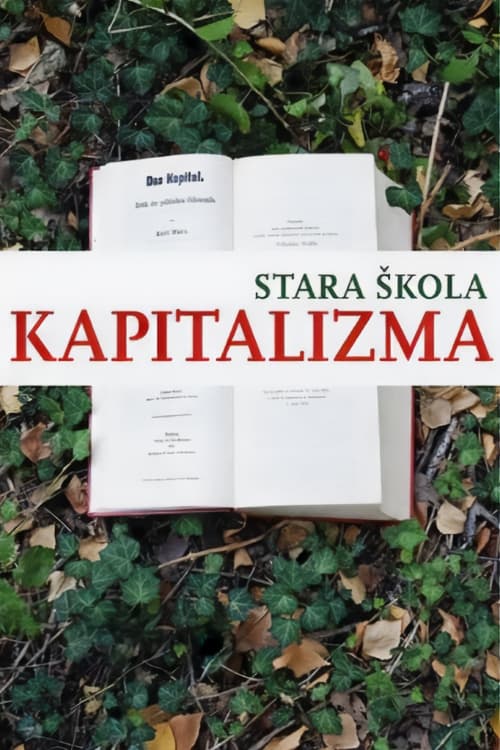
A mixture of documentary and fiction examines the new god of Capitalism offered to the Serbs with the ending of state socialism. We look at a number of strikes in Belgrade during the late 2000s and these introduce us to several characters playing themselves. Employees dressed in American football helmets and pads square up with employers' heavies in their bullet-proof vests, resulting in explosive situations. A visit from the Russian tycoon's representative and vice president Joe Biden's arrival further complicates the proceedings.
A look at a family living in Stoke-on-Trent in the 1940's and what it's like working in the pottery factories that Stoke is famous for.
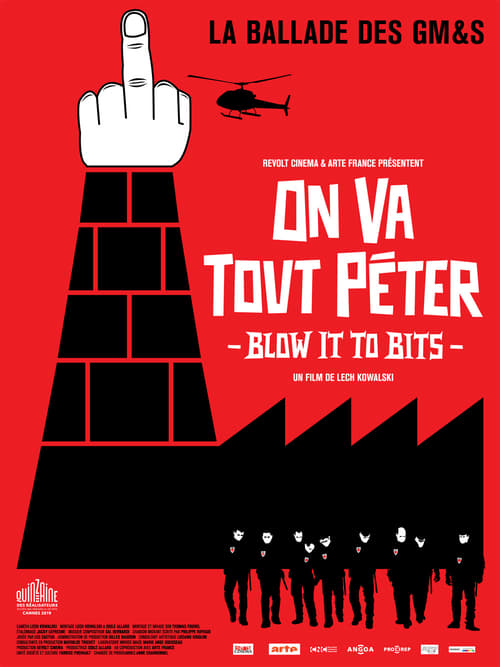
A mix of Rock and Roll and Blues are the secret for successful rebellion. When I took my camera to the middle of France where the GM&S factory was threatened by a permanent shut down, I felt like something extraordinary was about to take place. And it did. The lyrics were written by workers who have had enough! The tune was composed by people not afraid to go against even the rules of revolt! The volume was loud enough to attract the media. Their working-class concert spread across France like wild fire. I sat out of sight, camera in hand, filming like catching fish in a barrel.
The drastic economic development in South Korea once surprised the rest of the world. However, behind of it was an oppression the marginalized female laborers had to endure. The film invites us to the lives of the working class women engaged in the textile industry of the 1960s, all the way through the stories of flight attendants, cashiers, and non-regular workers of today. As we encounter the vista of female factory workers in Cambodia that poignantly resembles the labor history of Korea, the form of labor changes its appearance but the essence of the bread-and-butter question remains still.