Patagonia
Documentary showing a couple of photographers driving for 35 days, leaving Brazil for Ushuaia.
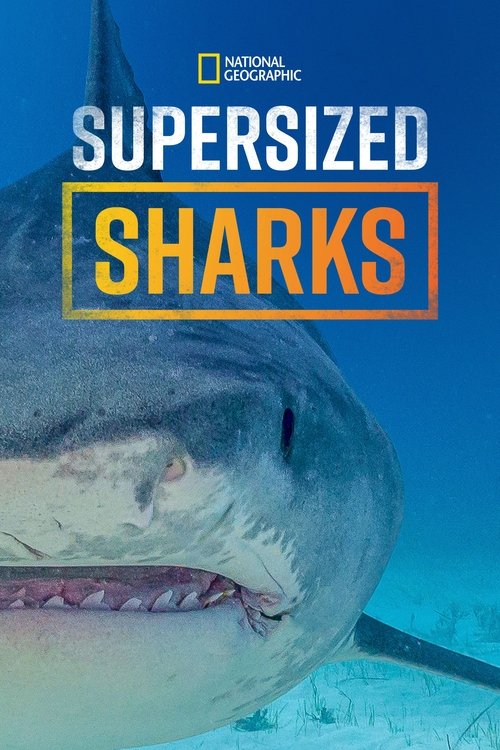
Norfolk Island, 800 miles off the coast of Australia, is home to some of the largest tiger sharks in the world. As strange as it sounds, some think this small island in the middle of the South Pacific has become like a drive-thru burger joint for tiger sharks to gorge on meat. For the first time, scientists are diving in to answer why there are so many huge tigers there. Shark biologists Lauren Meyers, Charlie Huveneers and Adam Barnett lure the giants to their boat to investigate and make a surprising discovery.
No overview available.
A documentary film following Isao Takahata to Canada to meet Frédéric Back.
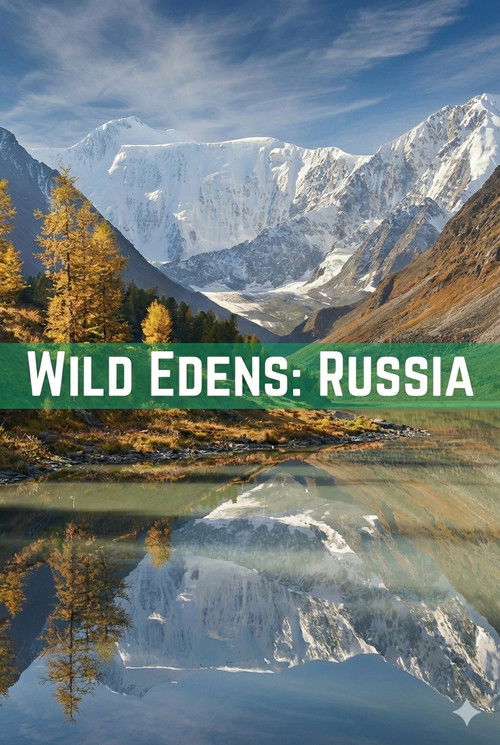
The documentary features some of the least explored parts of Russia: Altai, Amur, Kamchatka, Yamal, and the Arctic. In each region, the crew uncovered how species have adapted to Russia's challenging terrain: from polar bears, hunting on melting ice caps, and musk oxen coping with punishing Arctic conditions, to the toad-headed agama lizards doing their best to survive in the scorched desert near the Caspian Sea. These precious habitats and the animals that call them home are under direct threat from climate change as a result of global warming occurring around the world. The film captures the incredible diversity of this immense wilderness, demonstrate the shooting process of the film, and lead you to think what might be done to mitigate such potential destruction.
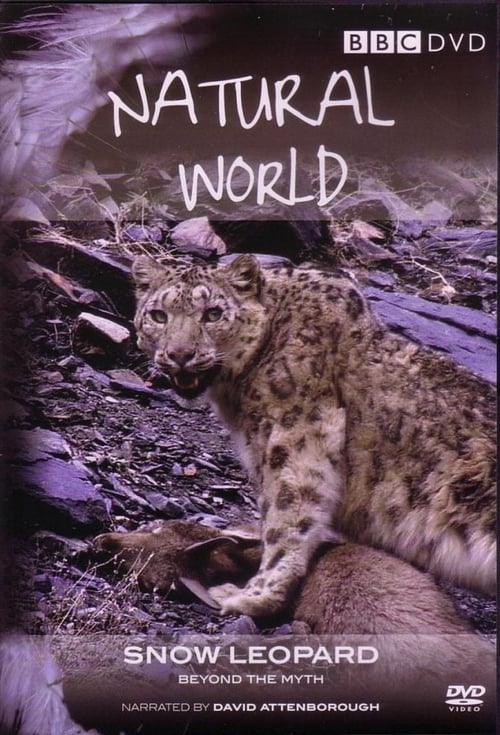
BBC The Natural World. In 2004, a team from the Planet Earth series captured the first ever film of a wild snow leopard in the mountains of Pakistan. For Nisar Malik, who led the expedition, these images sparked a passion that compelled him to return. With cameraman Mark Smith, he spent two years documenting the snow leopard's daily life, finally lifting the veil on the most elusive of all cats.
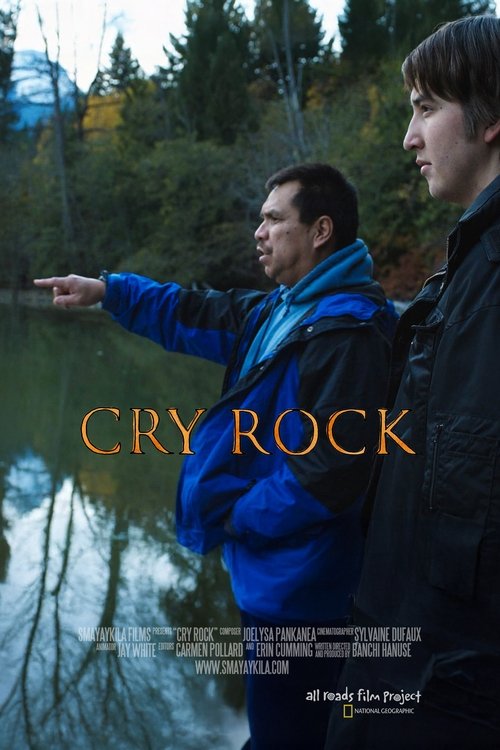
In the Bella Coola Valley, a haunting legend endures through generations as a filmmaker reckons with whether the stories of her ancestors can survive being held or if they were never meant to be captured.
Tips for what to expect when taking a vacation aboard a cruise ship, and how to make the most of the trip.
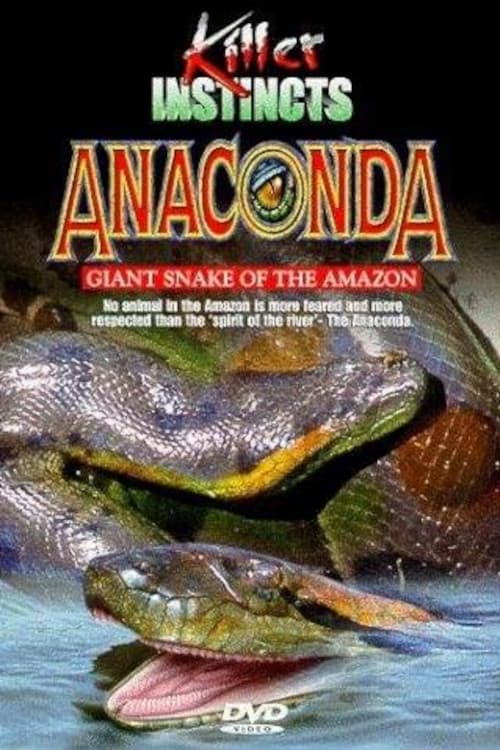
No animal in the Amazon is more feared and more respected than the 'spirit of the river' - The Anaconda
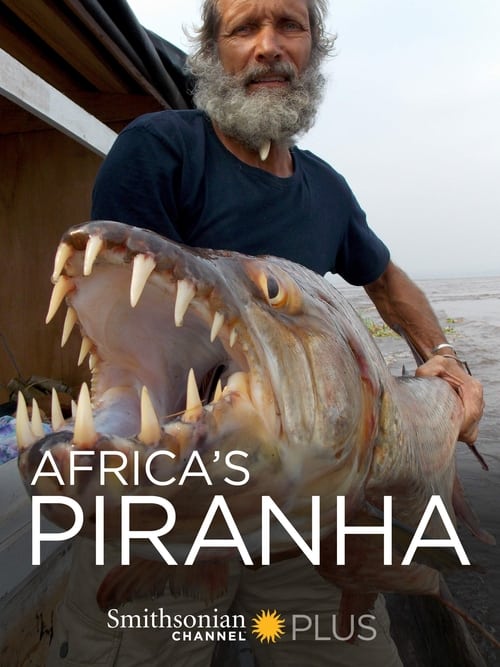
The plains of Africa have always been a hotbed of predator action, but lurking in its rivers is perhaps its most elusive killer: the Goliath tigerfish. Legends say they are man-eaters, that even crocodiles fear them. Locals call them "demon fish" but angling legend Andy Coetzee calls them something else: an obsession. He dives into the predator-infested Okavango Delta and the treacherous Congo River on a mission to finally land what is considered to be the hardest fish in the world to catch.
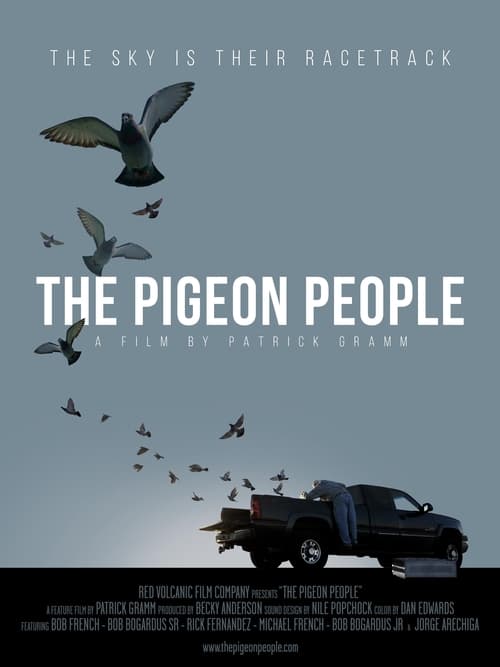
Directed by Patrick Gramm, 'The Pigeon People' (2023) takes you deep into Arizona's underground pigeon racing scene as racing rivals prepare for and compete in the Grand Canyon Classic - a 350-mile pigeon race from Utah to Arizona that crosses over the Grand Canyon.
Samuel Fuller discusses his career as a filmmaker, illustrated by plenty of clips.
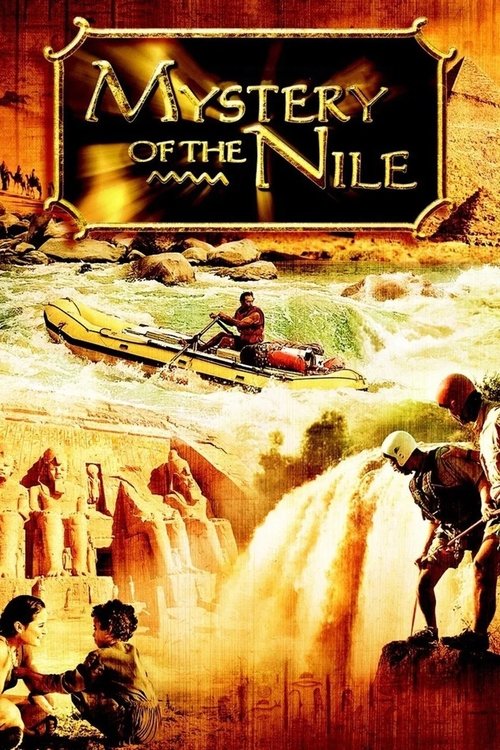
Filmed in IMAX, a team of explorers led by Pasquale Scaturro and Gordon Brown face seemingly insurmountable challenges as they make their way along all 3,260 miles of the world's longest and deadliest river to become the first in history to complete a full descent of the Blue Nile from source to sea.
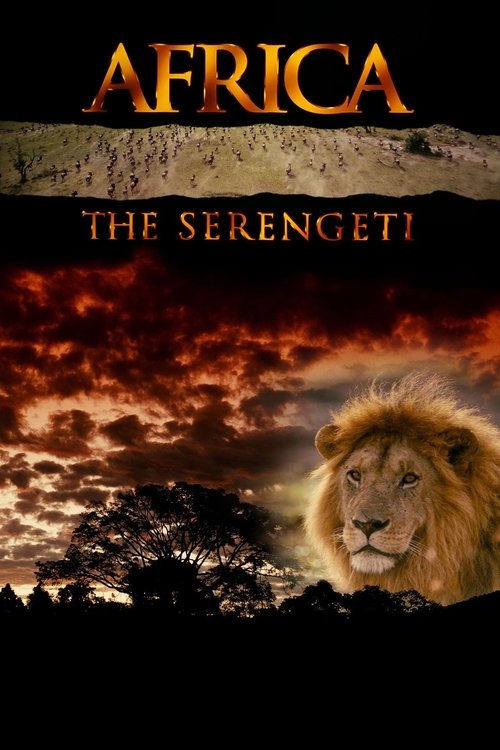
The equation of life on the Serengeti is simple: carnivores eat plants, herbivores eat carnivores. Africa: The Serengeti takes you on an extraordinary journey to view a spectacle few humans have ever witnessed. The Great Migration. Journey with more than two million wildebeests, zebras and antelopes in their annual 500 mile trek across the Serengeti plains
Alaska... Here, in this vast and spectacularly beautiful land teeming with abundant wildlife, discover the "Spirit of the Wild." Experience it in the explosive calving of glaciers, the celestial fires of the Aurora Borealis. Witness it in the thundering stampede of caribou, the beauty of the polar bear and the stealthful, deadly hunt of the wolf pack.
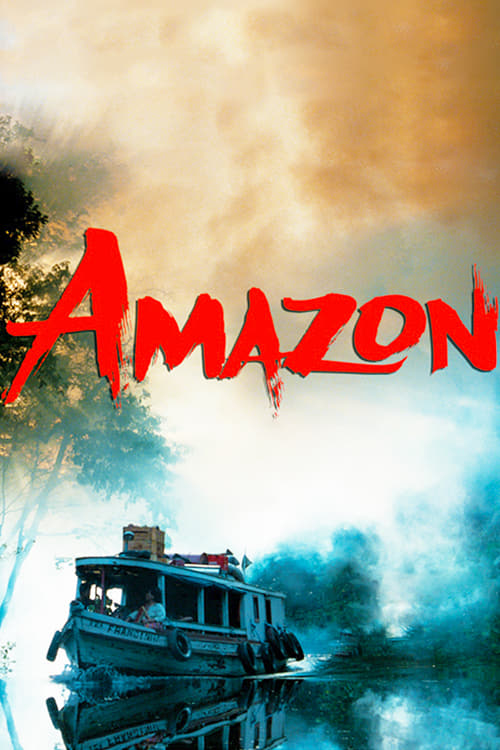
Explore the mysterious Amazon through the amazing IMAX experience. Amazon celebrates the beauty, vitality and wonder of the rapidly disappearing rain forest.
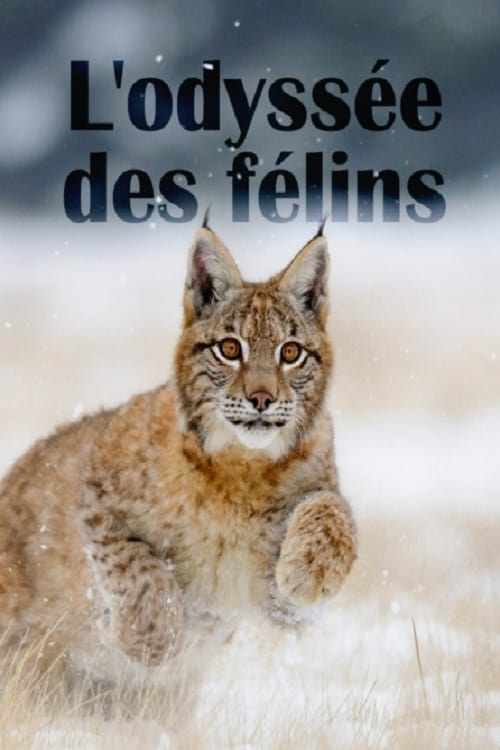
In the company of zoologist Patrick Aryee, a discovery of the 37 species of felines that inhabit the planet, some little known, others threatened.
The jaw-dropping story of the spectacular rise and dramatic fall of British music and festival company Pollen. The company was launched in 2014 by two young British brothers, Callum and Liam Negus-Fancey. Riding the wave of the tech boom which saw start-ups like Deliveroo, Airbnb and Uber become ‘unicorn’ giants valued at $1bn or more, the brothers created a simple idea that soon attracted huge investment. Beginning as a ticketing platform – giving festivals goers the chance to earn VIP rewards for selling tickets to their friends – the company tapped into a lucrative area when music festivals and Instagram influencing were flourishing. They promised their customers a ‘bigger life’, gave staff a glamorous, party-fuelled workplace and soon went global.
About an hour's drive from Salt Lake City, Utah is the ski resort of Alta, a former mining town, nestled within the Wasatch Mountains. Skiing and other winter alpine pursuits take place well into mid-spring. The relatively new ski lift is one of the longest in the western US. Some ride the lift not to ski down but to glance at the view from the 1,500 foot summit. Being the end of May, people at nearby Salt Lake are instead enjoying more summerly pursuits, such as boating. Behind only the Dead Sea, it ranks second among all large inland lakes for the saline content at 27%, the buoyancy from which makes it almost impossible to sink in. On shore at Black Rock Beach of the Bonneville Salt Flats is the site of many attempts of land speed records, most records held by Ab Jenkins. Another popular activity in the lake itself is the crystallization of salt around wire forms, the process which requires relatively still water and takes about two hours.
The drive from Riverside, California to Phoenix, Arizona is affectionately known as the Cactus Trail. Starting in Riverside, sights of note include: the Mission Inn in Riverside whose unique style was the brainchild of Frank Miller; the Chapel of St. Francis in Riverside, which because of its dedication to aviation is the site of many weddings associated with aviators; the Camelback Mountain outside of Phoenix, so named for its shape.
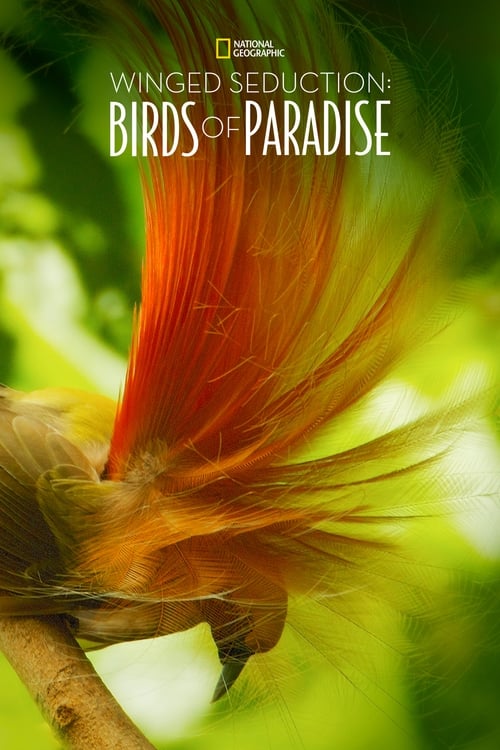
Tim Laman a photographer for National Geographic and ornithologist Ed Scholes have been traveling to some of the most remote jungles the world has to offer in search of observing and photographing all 39 species of tropical bird. This particular group of birds are entitled as the “Birds of Paradise” and can be found in some of the last truly wild locations of New Guinea.
No Trailers found.