No Trailers found.
Self - Narrator (voice)
Self (archive footage)
Self
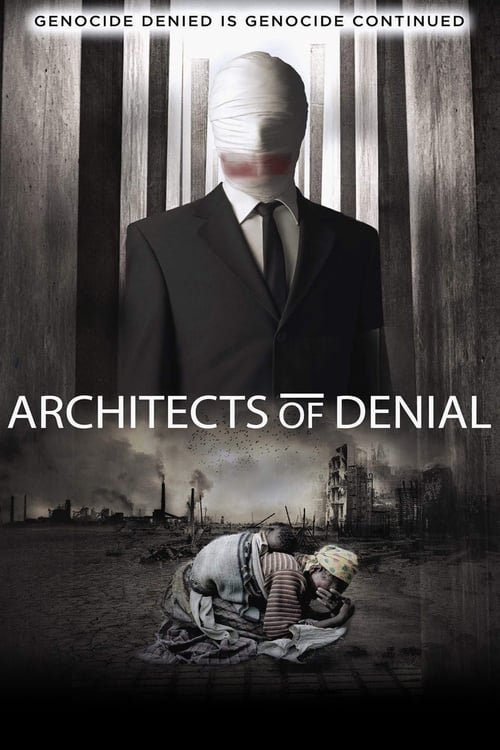
Though both the historical and modern-day persecution of Armenians and other Christians is relatively uncovered in the mainstream media and not on the radar of many average Americans, it is a subject that has gotten far more attention in recent years.
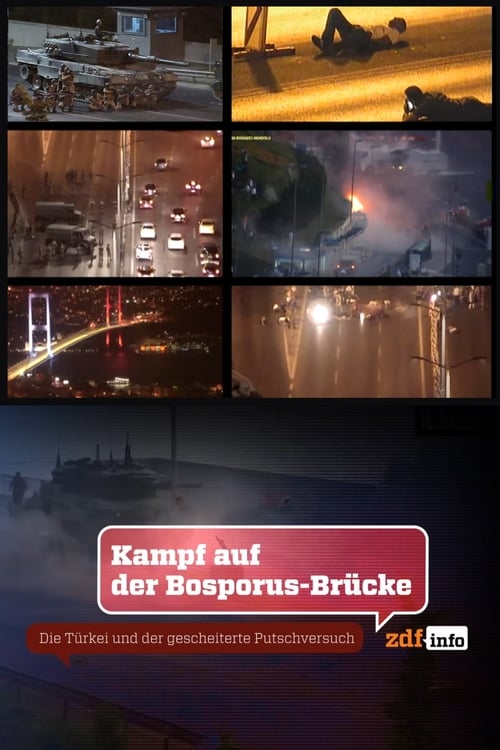
The night of July 15, 2016 changed the history of Turkey. On that day there were coordinated attacks by parts of the Turkish army, among others in Istanbul. The aim of the military: a coup against the government. The decisive confrontation occurred on the Bosporus Bridge. While President Erdogan was still on vacation, live at TV he called on the people who were devoted to him to stand against the military. As an enemy for the masses, he presented his adversary Fethullah Gülen, whom he branded as the coup leader. He also urged the imams of the country's mosques to condition the population to resist. And so it happens that at night thousands of agitated people take to the streets to oppose the armed insurgents. The death toll was high. 352 people died across Turkey during the attempted coup. The consequences are even more serious: Erdogan used this gift, as he called it himself, to undermine democracy, to arrange mass arrests of dissidents and to transform Turkey into a dictatorship.
Naturalist Joe Hutto's remarkable experience of being imprinted on by group of wild turkey hatchlings, and raising them to adulthood and beyond, in the remote wilderness of northern Florida.
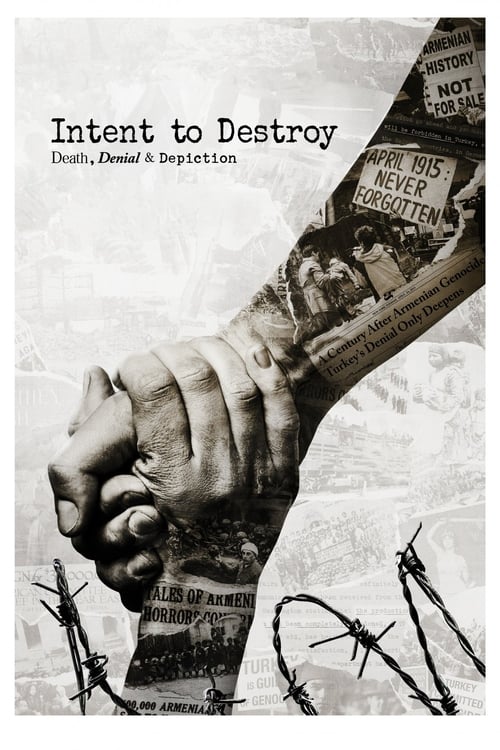
INTENT TO DESTROY embeds with a historic feature production as a springboard to explore the violent history of the Armenian Genocide and legacy of Turkish suppression and denial over the past century.
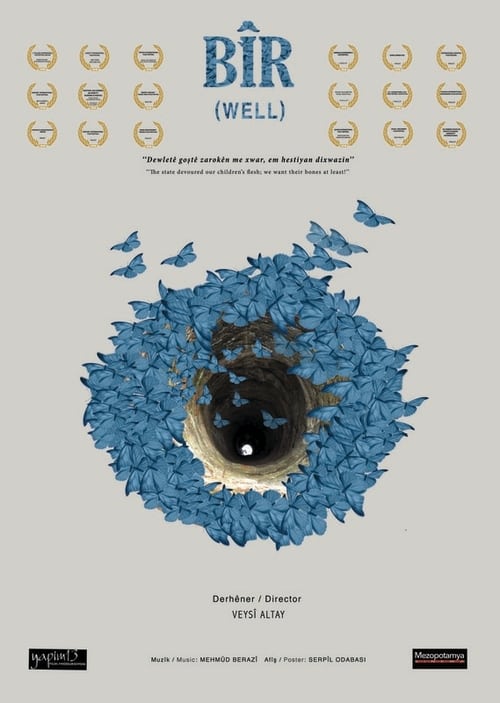
In the 1990s many people in Kurdistan were taken into custody and interrogated under torture; their killers disposed of the bodies by throwing them out of helicopters, or burying them in acid-filled wells. Thousands were murdered/disappeared by paramilitary forces—such as Jitem and Hizbul-Kontra—that were financed and supported by the state, though they have always stuck to the line: “We didn’t do it.” The documentary looks at the case of seven people, including four children, who were disappeared from the town of Kerboran [Dargeçit] in 1995, and tells the story of their families’ tireless search for their bones
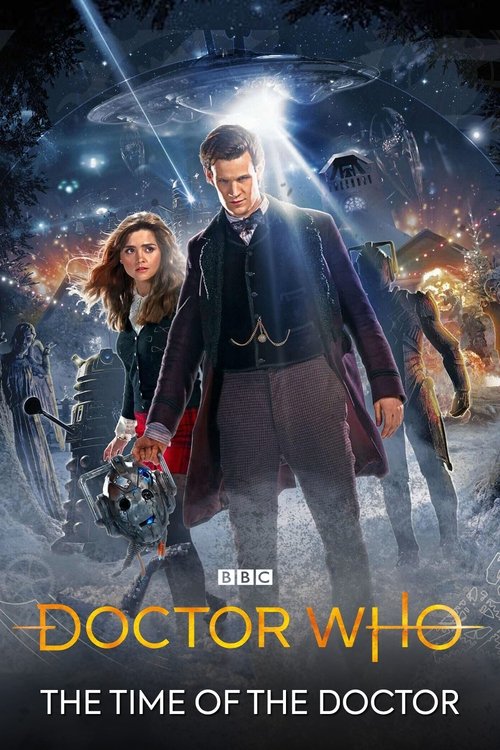
Orbiting a quiet backwater planet, the massed forces of the universe's deadliest species gather, drawn to a mysterious message that echoes out to the stars. And amongst them, the Doctor. Rescuing Clara from a family Christmas dinner, the Time Lord and his best friend must learn what this enigmatic signal means for his own fate and that of the universe.
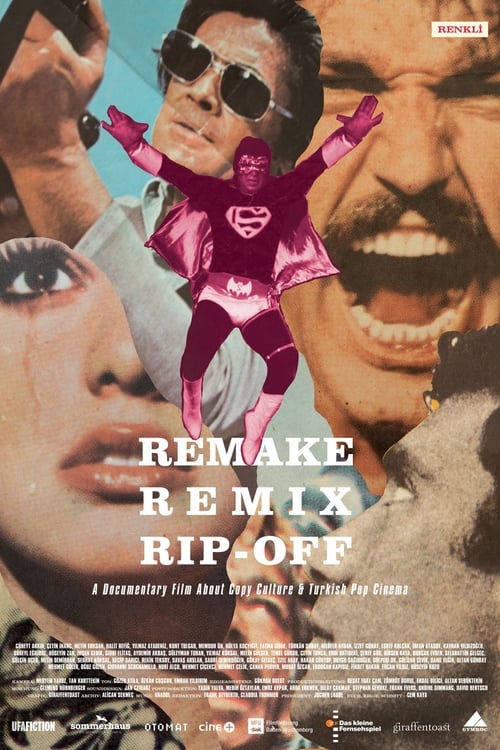
Turkey in the 1960s and 1970s was one of the biggest producers of film in the world. In order to keep up with the demand, screenwriters and directors were copying scripts and remaking movies from all over the world. This documentary visits the fastest working directors, the most practical cameramen and the most hardheaded actors to have a closer look into the country's tumultuous history of movie making.
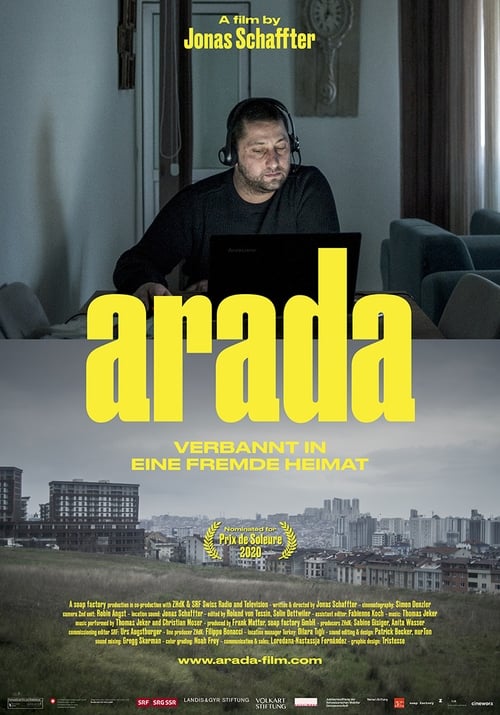
The story of three Turkish men. They all grew up in Switzerland and all got deported after various criminal offenses.
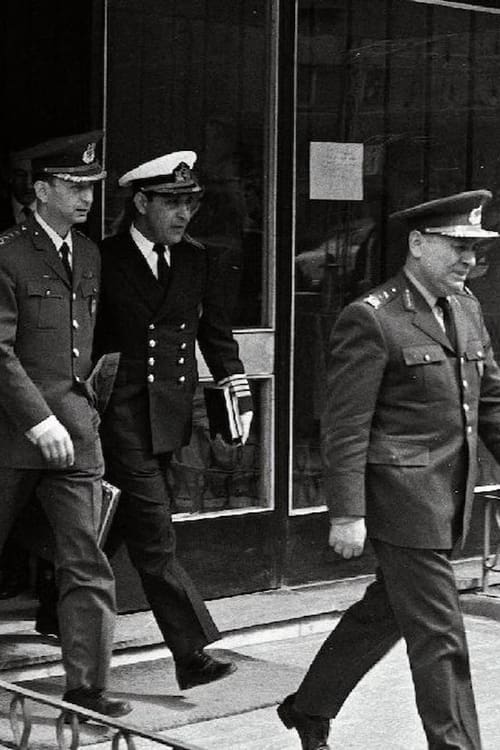
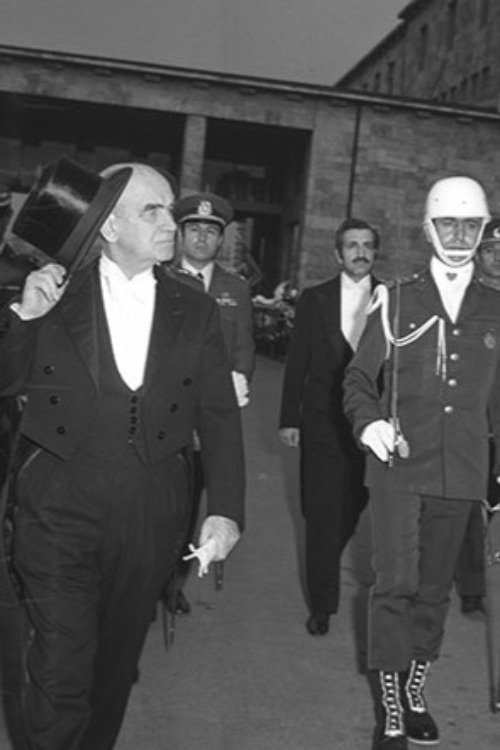
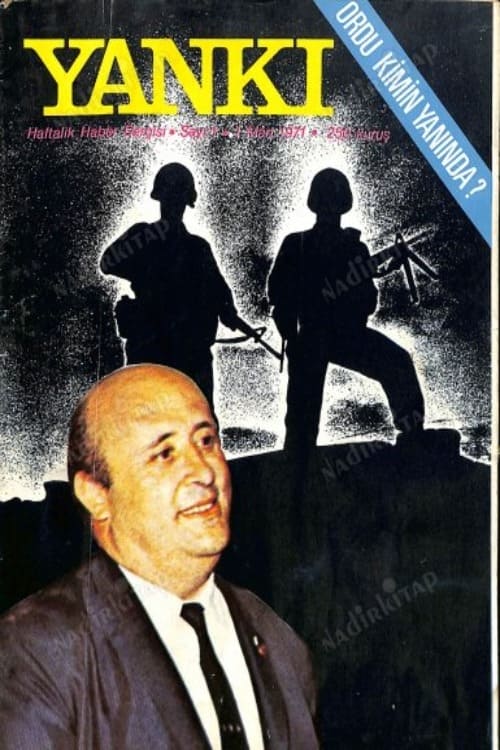
When March of 1971 knocked on the door, a military intervention was imminent in the country. Bombs were exploding in a strange way from right to left, and the urban guerrilla was resorting to unconventional acts such as bank robbery and kidnapping. The generals had decided to put a stop to this trend. Dynamite was placed under Prime Minister Demirel. The question now was who would ignite the fuse of the dynamite. President Sunay was waiting to watch the approaching explosion silently from Çankaya. Tuğmaç, Chief of General Staff, tried to delay the explosion as much as possible, preferring Demirel to self-destruct. The two generals were watching each other to see who would ignite the fuse first. These two generals were Faruk Gürler and Muhsin Batur. The fire was in their hands. They were going to detonate the dynamite...
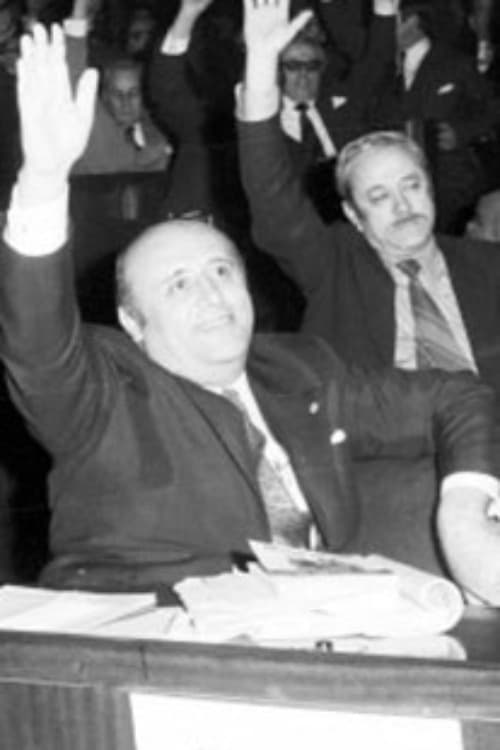
Demirkırat stumbled on March 12, 1971. Actually, you know, they shoot limping horses. But this time it didn't. Turkish democracy continued to run despite its wounds. Because March 12 was not a "seizure" but a "warning". The generals were saying, "If what we want is not done, we will seize it." The country was entering a new era under this Sword of Damocles. A president who was helpless in the face of events, a prime minister who had to leave his seat, a newly fallen parliament, four generals neither inside nor outside the power... Now, a solution would be tried to be found out of this complex equation. But how and with whom? No one knew the answer to these questions in Turkey on the morning of March 13.
Turkish democracy got over the 27th of May and the 12th of March and set off again, but the storm did not subside and the mutual reckoning was not over. On the contrary, new fronts were opened in the country and blood began to flow like a gutter. Finally, on September 12, there was a knock on the door again. Those who came that day changed everything, everything. Nothing would ever be the same again, nothing would be the same as before.
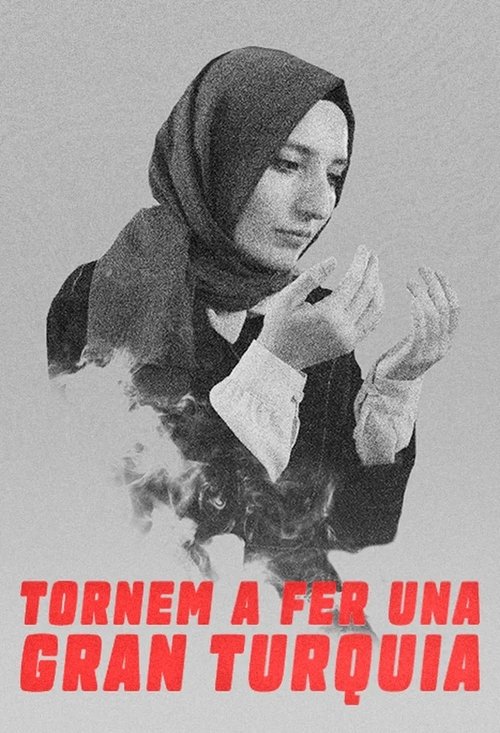
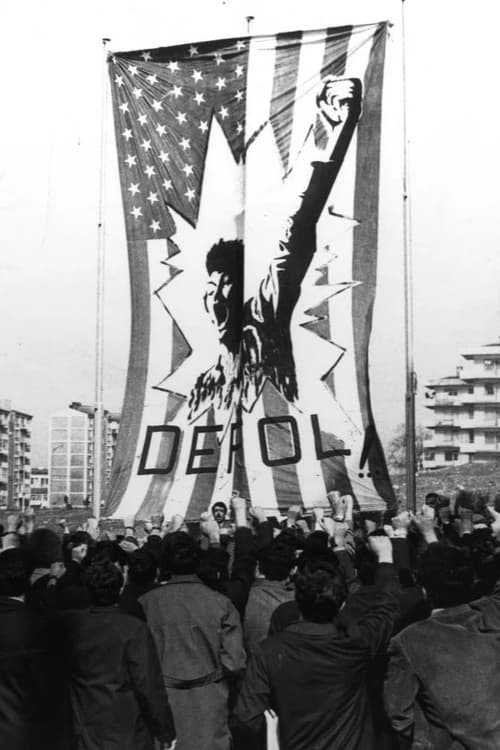
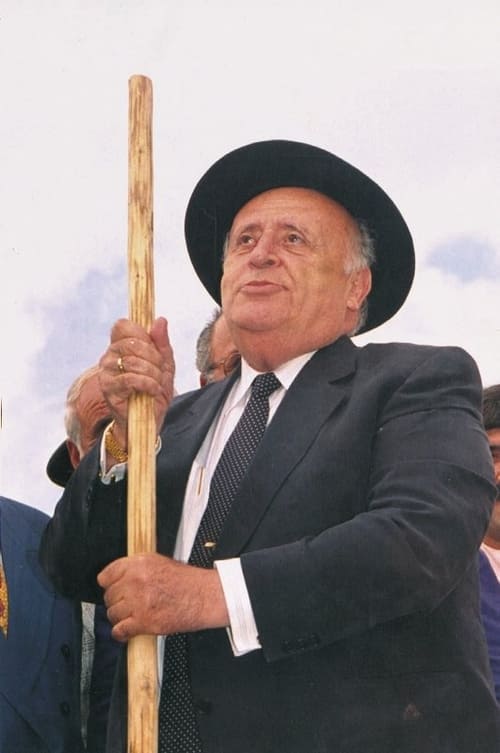
The slogan "Great Türkiye" began to be heard for the first time in the mid-60s. The Turkish economy had become unstable and stagnant at the hands of military interventions and the provisional government. After 1965, the system began to settle. The economy's also recovered. With the 2nd Development Plan, the wheels of a liberal economy were turned. On the 1 hand, private sector incentives, big projects such as Keban Dam and Bosphorus Bridge. Electricity was going to the villages, Turkey was getting its share from the growth in the world, the country was "doubling up" in the words of the prime minister. Inflation was five percent. Demirel, who rushed from one groundbreaking ceremony to the next, had nothing to say. Of course, this vitality was also reflected in social life. Unions, associations, universities were fidgety. The world and Türkiye were going to 1968 at full speed. The year that gave its name to a generation in the history of the world and Turkey; 1968 had come...
We are now saying goodbye to the 1960s. The 60's started eventfully on May 27. It ended as eventfully as it began. The '70s inherited escalating violence, student riots, and rumors of intervention. Prime Minister Demirel was trying to put out the fire in the street and to calm the increasingly restless army on the other. The October 1969 elections were held in this atmosphere and the Justice Party came out of the ballot box again. May 27 came by overthrowing the DP government, but the AP, which declared that three of the three elections held since the 1960s, were the continuation of the DP, emerged successfully. Demirel was about to roll up his sleeves for a new era. He felt that no one could stop him now. He was wrong. As he was dizzy from victory, he fell at Caesar's fault. Forgot about Brutus...
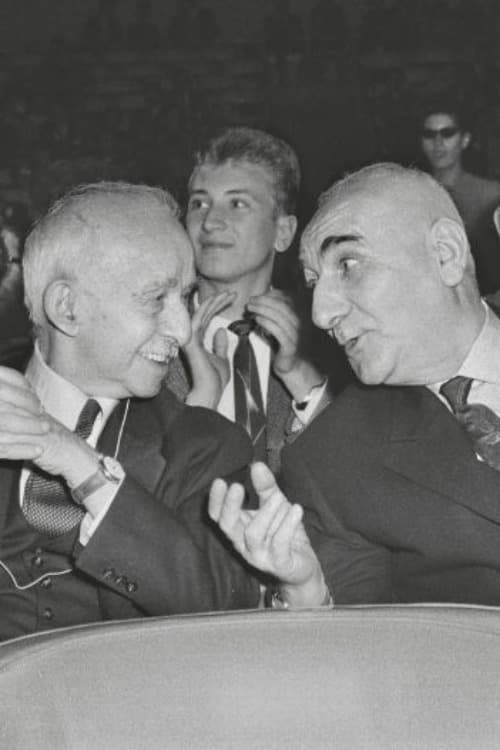
In 1965,a two-month-old leader,the commander of the Western Front, knocked down the big plane tree in a shake. One was 40, the other 80. In the last 5 years, it wasnt even possible to think of a government without İnönü in the country,but things were changing.Actually, Demirel was supposed to take the task, but the AP leader did not want it. It's good for the prime minister. He was inexperienced. A moderate name was found for this eight-month temporary period: Suat Hayri Ürgüplü, one of the former ministers of İnönü, and the new EP Senator. Demirel also sat on the chair of the deputy prime minister. For the first time in his life, he entered the General Assembly Hall of the Assembly during this period. Although he was not a deputy, he settled at the forefront of the Cabinet of Ministers, met with the government, and reconciled with the circles that were said to never give power to the EP. At the end of eight months, when the elections were at the door, the squares were waiting for him
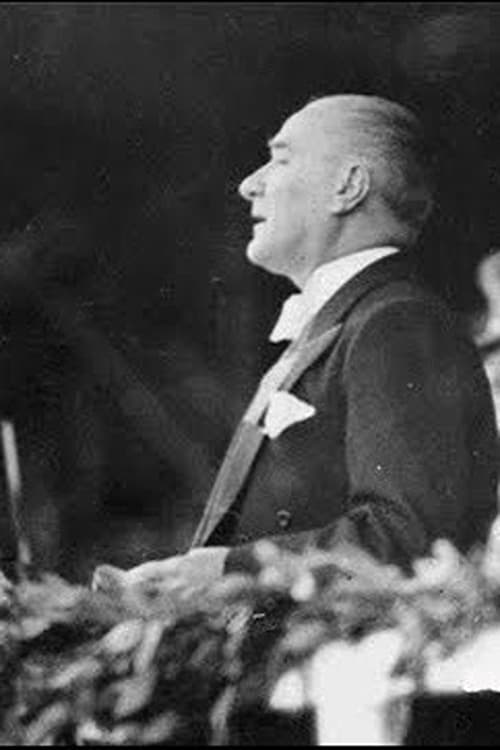
In the documentary, the life of Mustafa Kemal Atatürk, the last period of the Ottoman Empire, the War of Independence and the developments in the first years of the Republic of Turkey are told in parallel. The documentary prepared by Michael Adams consists of recordings made by the BBC in 1970 in Çanakkale, Samsun, Amasya, Sivas and Ankara, as well as historical footage.
Staff Colonel Talat Aydemir... Aydemir's February 22 rebellion was the first revolutionary attempt in Turkey that faced resistance. But it was also the most dangerous... The thing the army feared most happened to him. The most undesirable possibility of the commanders in charge came true and friction broke out between the armies. At that time, the commander of 27 May, Cemal Aga, was appointed to the presidency, but the discomfort did not end. A group led by Colonel Talat Aydemir sought to intervene again. However, a part of the army, especially the Air Force, left Aydemir alone at the last moment. Talat was still strong in Ankara. In order to break this power, Prime Minister İnönü found the formula to dismiss the leaders of the rebel officers and appoint them to the East. Here is February 22, the day when these appointments will be announced to the rebels. The apocalypse was expected that day. And it broke that day...
Turkey's history has been shaped by two major political figures: Mustafa Kemal (1881-1934), known as Atatürk, the Father of the Turks, founder of the modern state, and the current president Recep Tayyıp Erdoğan, who apparently wants Turkey to regain the political and military pre-eminence it had as an empire under the Ottoman dynasty.
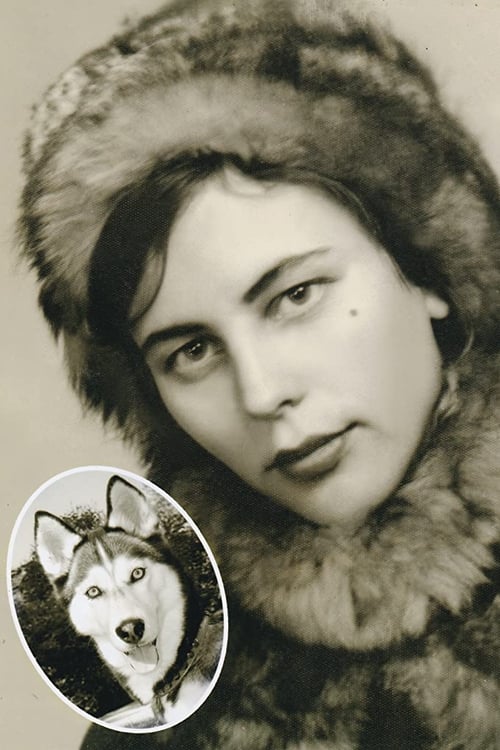
While the film focuses on a mother and son’s relationship, it investigates the long-term effects of the immigration of the filmmaker’s family from Bulgaria to Turkey and the life of a widow in a patriarchal culture.
Gallipoli from Above: The Untold Story is the true story of how a team of Australian officers used aerial intelligence, emerging technology and innovative tactics to plan the landing at Anzac Cove. It is now nearly 100 years since the landing and hundreds of books, movies and documentaries have failed to grasp the significance of the ANZAC achievement. Instead, the mythology has clouded the real story of how these two influential Australian officers took control of the landing using every innovation they could muster to safely land their men on Z beach.
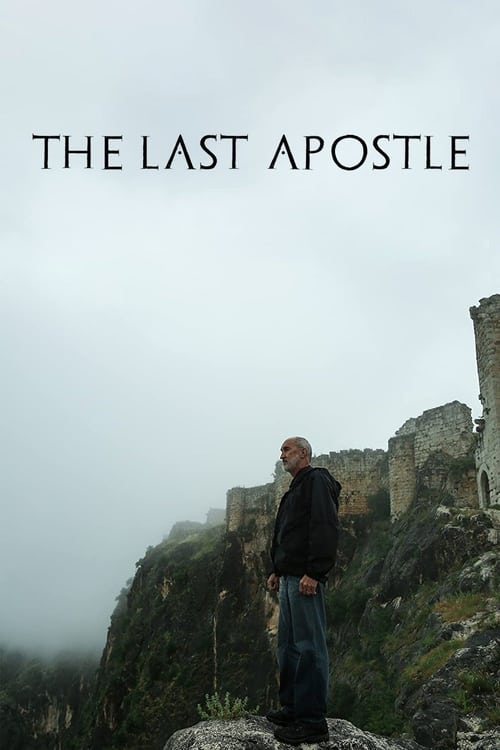
Dr. Mark Fairchild, world-renowned archaeologist, traces the hidden years of Saint Paul's life in the mountainous Turkish countryside of Rough Cilicia.