This film shows the dangers of driving commercial trucks professionally as part of driver’s education. It displays various truck drivers; some cautious and others fatally dangerous.
Trailer
This feature documentary shines a light on a group of women who are passionate about their non-traditional job – trucking. Filmed in 1999, it follows the women all across Quebec as they do their job and address the big-ticket items in life: love, family, freedom, and solitude. Filled with humour and the contagious good spirits of the women involved.
Produced by Jack McGaw and co-produced by The National Research Council, the Ontario Ministry of Transportation of Communications, and Toronto/Ontario Provincial Police, they demonstrate dangers of driving under the influence of alcohol and drugs with participating young drivers alongside field experts and researchers to aid in their experiments.
Recent scandals have revealed the brutal methods often imposed on young top athletes. Fueled by numerous testimonies, this damning investigation reveals the workings of a system which sacrifices children in the name of economic interests and glory.
Excessive speed is the number one killer on the roads: one-thrid of all road deaths are caused by it. By excessive speeding drivers risk their own lives and those of others.
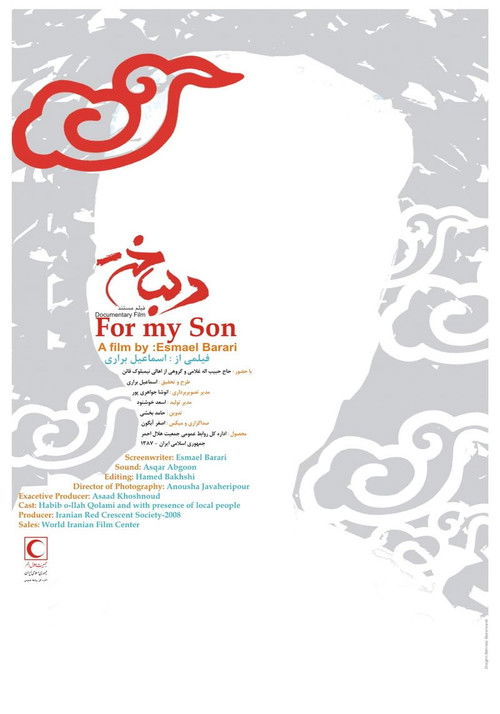
The most far spot of Iran desert. 'Habib o-llah Qolami', a poor and old farmer looses his young son in a car accident. Habib after his son's death takes a big decision. He spends all his has for making a medical help station in the road and gifts it to Red Crescent. From now no one dies of car accident.
Flush riveting is a way of connecting two pieces of sheet metal together, using rivets whose heads do not protrude above the surface of the metal. In aircraft construction, a flush rivet reduces drag, thus increasing aircraft performance. This World War II-era Walt Disney industrial-training film teaches four methods of flush-riveting aircraft aluminum sheet metal: the Countersink method, the Double Dimple method, the Pre-Dimple method, and the Combination Pre-Dimple and Countersink method. The choice of method to use is based upon the thicknesses of the top and bottom metal sheets.
In this documentary, Alex trusts his twin, Marcus, to tell him about his past after he loses his memory. But Marcus is hiding a dark family secret.
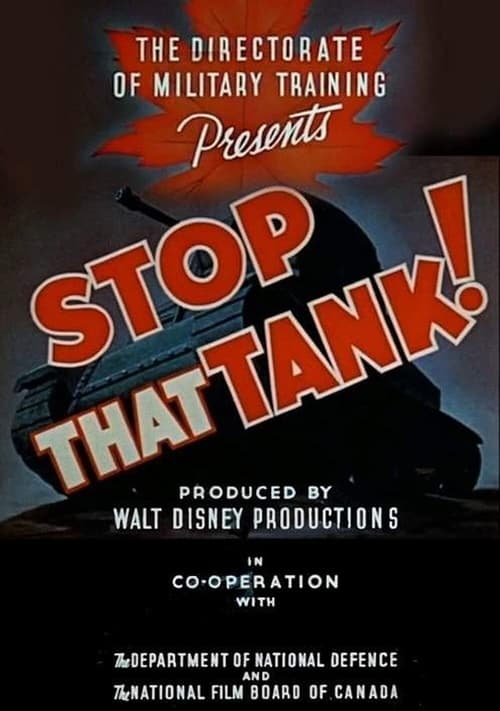
A Disney educational animated short instructing the use of the Boys MK.1 Anti-Tank rifle.
Race tracks are places of longing. But only the Nürburgring in the Eifel is truly spectacular and idyllic at the same time. Loved by fans, feared by drivers: Dozens of bends, many of them with illustrious names: Schwedenkreuz, Karussell, Fuchsröhre, Bergwerk, Brünnchen. To mark the 100th anniversary of the ground-breaking ceremony in 1925, this documentary tells the story of the ups and downs of the Nürburgring.
The film features a meeting led by Dave Taylor, the shelter manager, discussing the protocols and responsibilities for staff members involved in managing a public shelter. Key participants, including operations deputy Harvey Johnson and health leader Mrs. Carter, outline their roles in ensuring a smooth entry for occupants during an emergency. The meeting emphasizes the importance of organization, communication, and the distribution of supplies. Staff members are encouraged to familiarize themselves with each other's duties and prepare for potential scenarios, including managing newcomers and ensuring safety and sanitation within the shelter.
This 1964 training film, “Mob and Riot Control,” was produced by Charles Cahill and Associates, Inc and presented by Federal Laboratories, Inc. illustrating police tactics and techniques for controlling civil disturbances. The film opens with unruly mobs shouting and overturning a car.
No overview available.
Learn how to climb Great Gable in the Lake District, via the Arrowhead ridge climb.
“The Mystery Crash” discusses the dangers of drinking and driving especially as it pertains to the seemingly harmless “social drinker.” This film was produced by Jack Lieb Productions Inc, Chicago and sponsored by the National Safety Council. It is part of a series of films, with each episode describing a different element of driving and road safety.
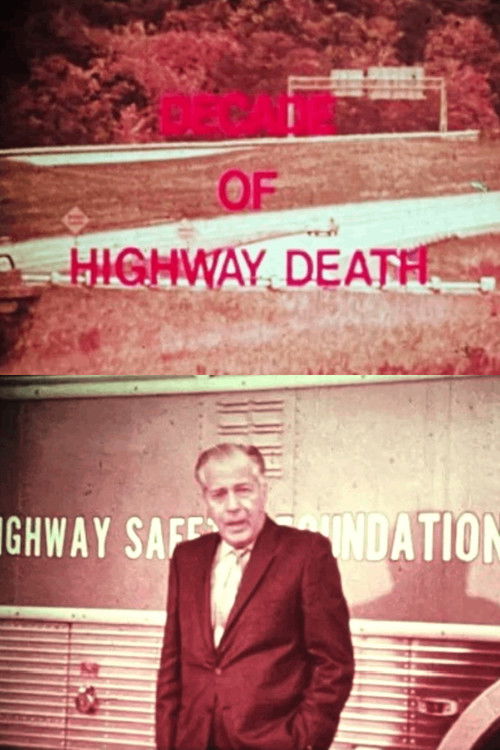
This highway scare film produced by the Highway Safety Foundation in 1971, "Decade of Death", is a retrospective of the organization's 10 years of gory, shocking social guidance films which aimed to promote traffic safety and driver responsibility through the display of bloody and horrific footage of traffic crashes.The Highway Safety Foundation made driver scare films such as "Signal 30," "Mechanized Death," and "Highways of Agony" that intended to encourage drivers to drive responsibly and with consideration of the risks and consequences. It was the organization's belief that crash footage, while horrific, was the best way to convey the importance of driving safely.
This 1974 film is dedicated by the Chlorine Institute to the public interest. It is specifically intended to assist firefighters and other emergency services. The techniques demonstrated are appropriate for emergency use; different circumstances might require modified or additional procedure. The information is drawn from sources believed to be reliable. The Institute, its members any organizations cooperating in the development of this film, jointly or severally, cannot be responsible for how the information is used and must make this legal disclaimer. This is a 1960s era, color movie about Chlorine and emergency workers… specifically, firefighters. The film is intended to show firefighters what chlorine is, what a chlorine emergency might involve, how a company can plan ahead and how an emergency can be handled safely.
The film emphasizes the importance of safety when using power tools in a workshop. It outlines key safety practices, such as using guards, securing materials, and wearing protective gear like safety glasses. The film also covers specific tool usage tips, including the correct handling of cutting machines, drills, grinders, and lathes, stressing that safety precautions should never be neglected. Proper maintenance and awareness of tool settings are crucial to prevent accidents.
The film emphasizes the importance of safety when using hand tools in a workshop. It discusses the significance of keeping tools sharp and in good condition, proper handling techniques, and the need for safe storage. The film also covers guidelines for using specific tools like saws, chisels, screwdrivers, and wrenches, highlighting the dangers of using dull or damaged tools. Additionally, it stresses the importance of maintaining a clean and organized workspace, wearing appropriate protective gear, and being aware of one’s surroundings to prevent accidents.
One in a series of traffic safety films made in 1950 by James S. Kemper for the Lumbermans Mutual Casualty Company, with the technical assistance of the LAPD, "Teenicide" addresses the alarming issue of teenage driving-related deaths. The film referrs to "teenocide" because as the police officer narrator states, there has been an 86% increase in the 15-24 age group over the past 25 years.
Discusses essential scuba diving safety and rescue techniques. It highlights the importance of following safety rules, such as not diving alone and knowing how to use rescue equipment effectively. It demonstrates various rescue methods, including the removal of a weight belt, inflating life vests, and using paddleboards and rescue tubes. The film emphasizes that proper training and equipment can significantly enhance a rescuer's ability to save lives in emergencies.
No Cast found.