World-renowned Drag Queen Miz Cracker helps a Texas family that’s experiencing strange occurrences after renovating their 1892 home. As a lover of the paranormal, can Miz Cracker solve their ghost problem and help them coexist peacefully with the spirits?
There’s no one taste or flavor to define a neighborhood, especially one like the Lower East Side. Follow us on a culinary journey of food traditions born out of tenement life. Using historic and archival recipes, oral histories, scholarly interviews, and special guests Padma Lakshmi and Michael W. Twitty, we create a full-course meal of the American experience through the lens of food.
No overview available.
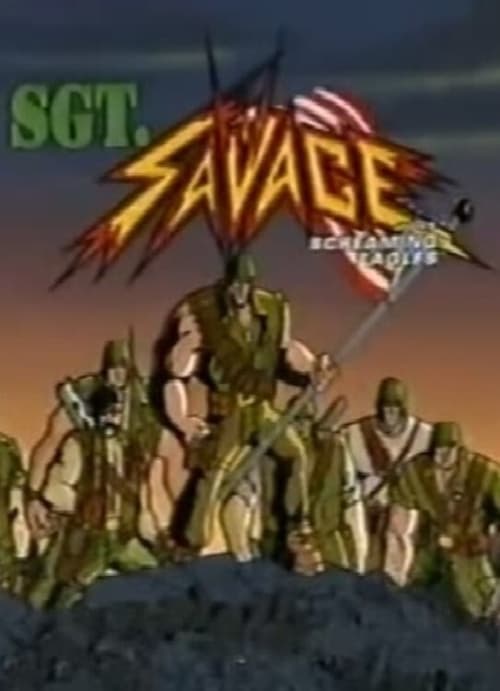
In 1944, Master Sergeant Robert Steven Savage was betrayed by one of his fellow soldiers, Krieger, a double-agent for the Axis Powers. He had Savage's entire squad killed and used him for various genetic experiments. Savage was then cryogenically frozen and sealed inside a secret bunker. 50 years later, G.I. Joe discovered the hidden bunker, Savage now has super-human strength, speed and agility and is in charge of the Screaming Eagles. Krieger is alive and known as General Blitz, leader of the terrorist organization the IRON Army. Sgt. Savage and his Screaming Eagles must stop him!
Amidst the horror and chaos of war, two enemies are forced into an unholy alliance in the battle for survival.
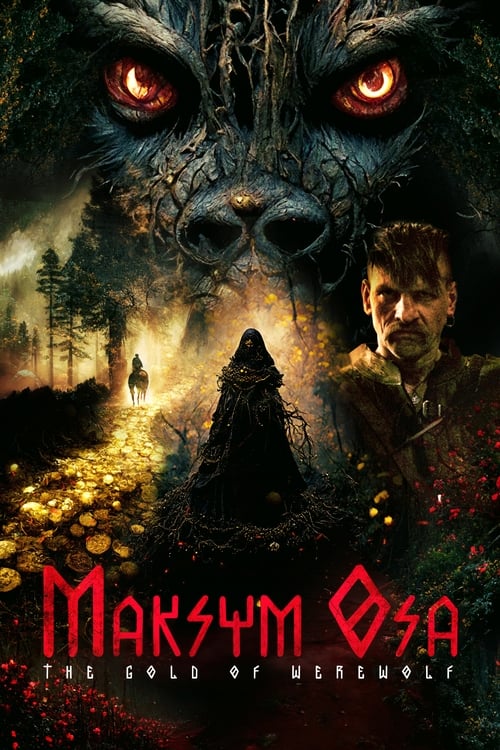
Ukraine - 1636. Someone has attacked a battalion of cossacks that were transporting the gold of the Polish king. A cossack - Maksym Osa - tries to find the missing gold, but soon becomes one of the main suspects.
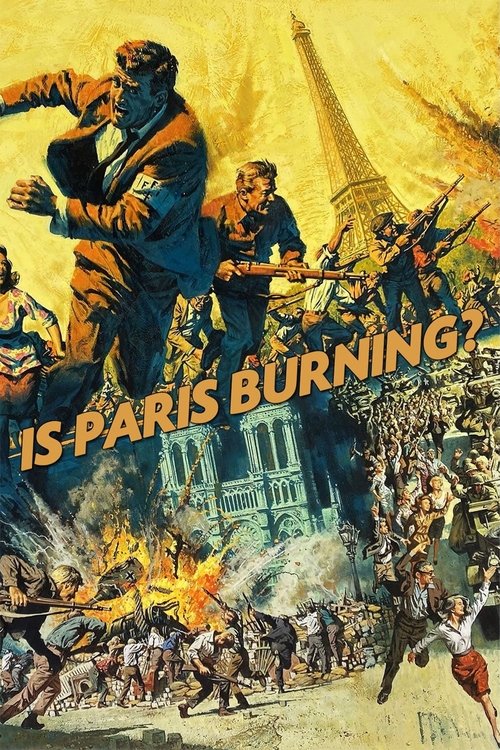
Near the end of World War II, Gen. Dietrich von Choltitz receives orders to burn down Paris if it becomes clear the Allies are going to invade, or if he cannot maintain control of the city. After much contemplation Choltitz decides to ignore his orders, enraging the Germans and giving hope to various resistance factions that the city will be liberated. Choltitz, along with Swedish diplomat Raoul Nordling, helps a resistance leader organize his forces.
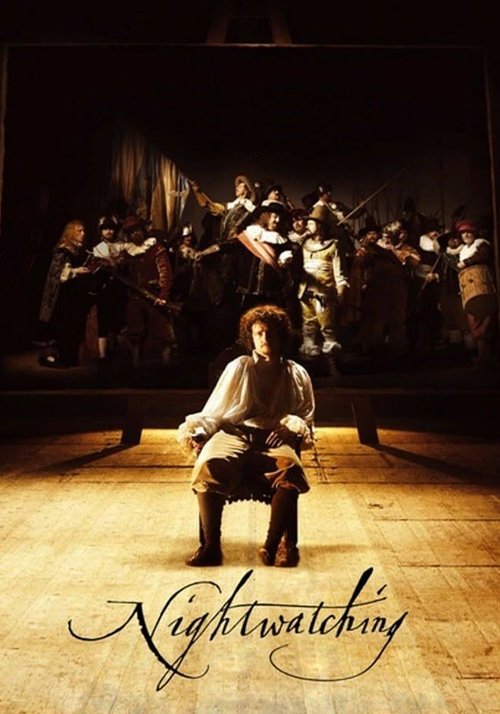
An extravagant, exotic and moving look at Rembrandt's romantic and professional life, and the controversy he created by the identification of a murderer in the painting The Night Watch.
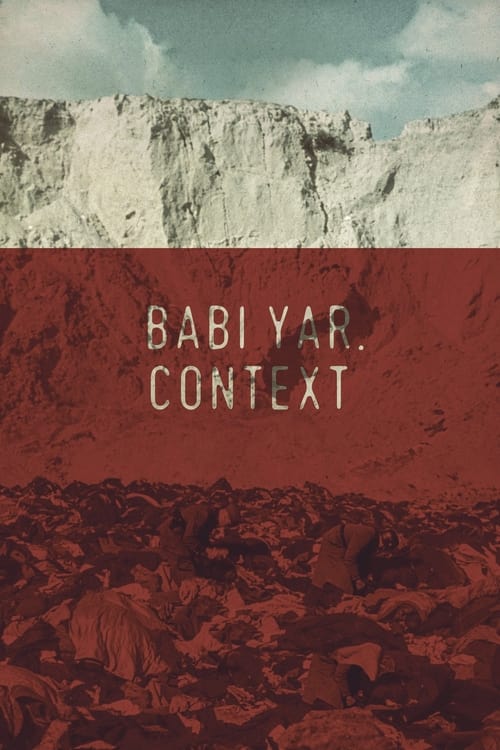
Nazi troops massacre 30,000 Jews over a three-day period in September 1941. Babyn Yar ravine in Kyiv, Ukraine.
Communist, resistance fighter, deportee, Marie-Claude Vaillant-Couturier is one of the great heroines of the 20th century. Nicknamed Maïco, she became a photojournalist and embraced the class struggle at the same time as she fell in love with one of the figures of the Popular Front, Paul Vaillant-Couturier. During World War II, she joined the Resistance and later gave decisive testimony at Nuremberg.
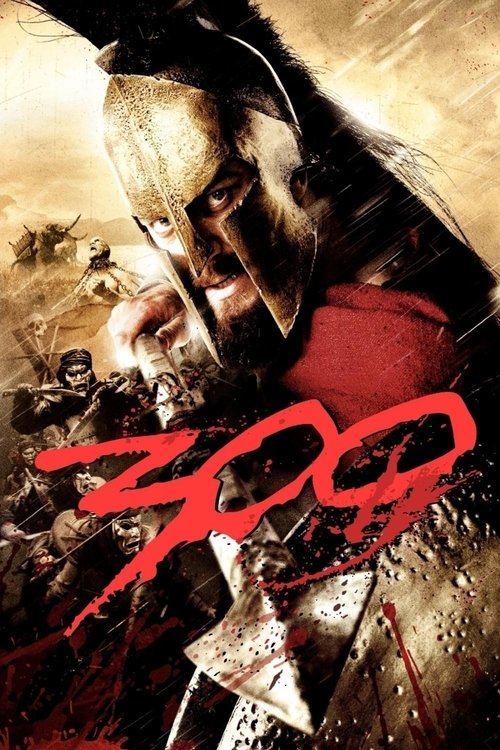
A story very loosely based the 480 B.C. Battle of Thermopylae, where the King of Sparta led his army against the advancing Persians.
One of the key works in creating the American social documentary film, this 1934 newsreel compilation crams a lot of information into just 11 minutes. Skillfully edited, the picture captures a panorama of international events centered on the labor movement. Scenes include Mussolini, Hitler and FDR preparing for war, Nazi soldiers persecuting German Jews, a political strike in Paris, the Scottsboro demonstration in Washington, DC, police violence against striking steelworkers in Pennsylvania and union members stopping scab workers from delivering milk during a dairy farmers strike in Wisconsin. Under the direction of pioneering documentarian Leo Hurwitz, the images are edited together to create a powerful image of a world that, in his view, desperately needed radical change.
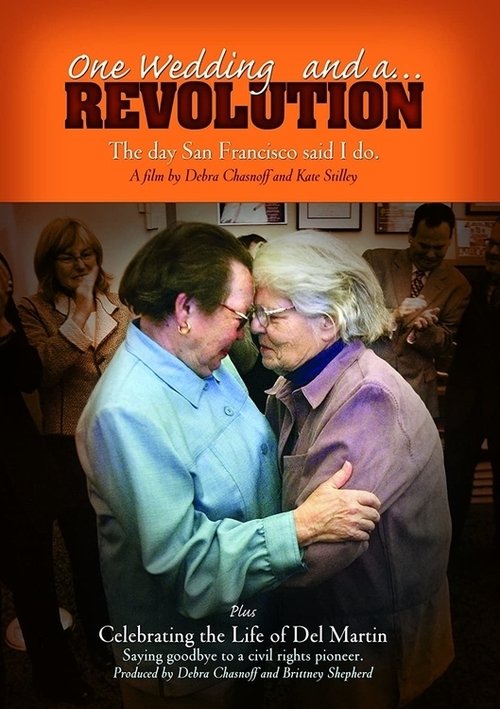
This short film reveals the inspiration, motivation and political challenges at San Francisco City Hall during the frantic days leading up to the first government-sanctioned same-sex marriage.
One of the greatest and bravest incident from the life of The Great Maratha King Chhatrapati Shivaji Maharaj where he defeated Afzalkhan with his brilliant tactics and courage.
In a time when pro wrestling for women was illegal all over the country, a small town single mother embraces the danger to change culture as she dominates America's most masculine sport to become the first million dollar female athlete in history.
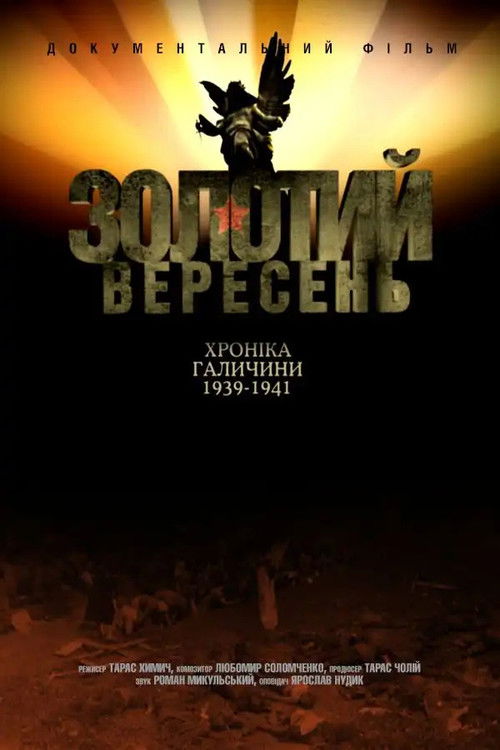
The film tells the story of the events in Western Ukraine before the outbreak of World War II, the rise of Soviet rule, changes in borders, and the disappearance of entire states from the world map. The film is based on archival documents, materials and memoirs of witnesses, representatives of the Ukrainian, Polish and Jewish peoples of pre-war Galicia.
In the world of the Ottoman Sultans, a poor child from Jerusalem makes an unimaginable desert journey to Cairo and back to save his mother and siblings from a rapacious aristocrat. He has nine days…
In 1941, the inhabitants of a small Jewish village in Central Europe organize a fake deportation train so that they can escape the Nazis and flee to Palestine.
No Trailers found.
No Cast found.