No Trailers found.
No Cast found.
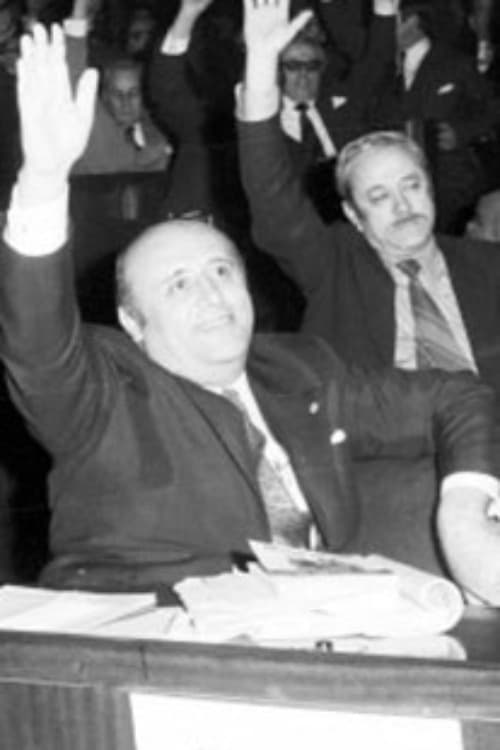
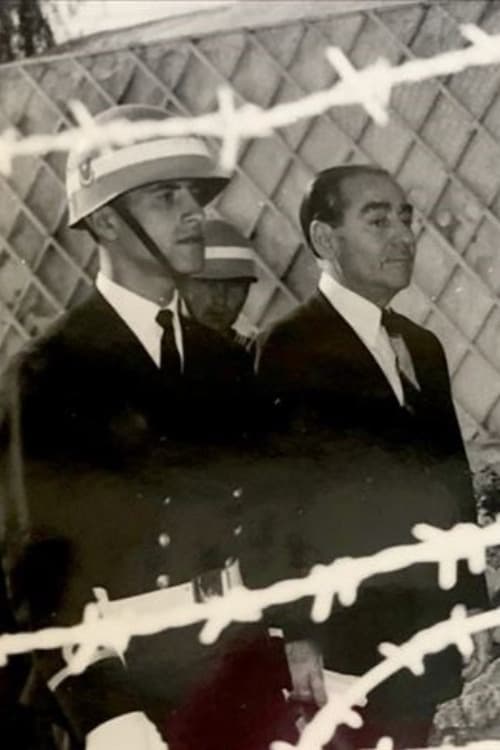
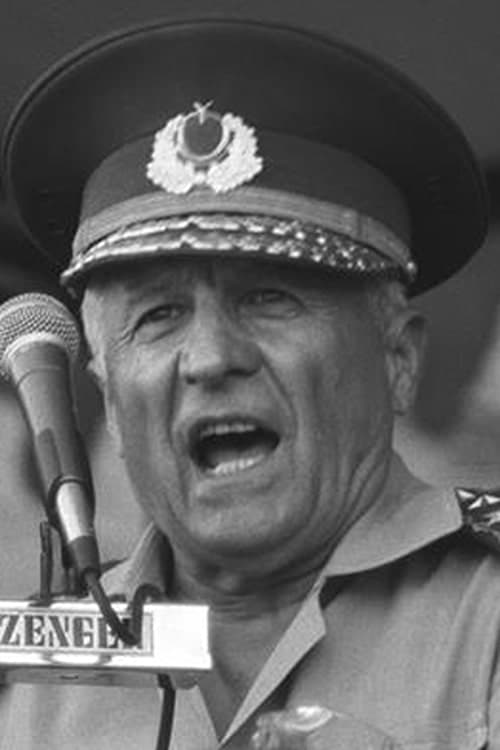
Demirkırat stumbled on March 12, 1971. Actually, you know, they shoot limping horses. But this time it didn't. Turkish democracy continued to run despite its wounds. Because March 12 was not a "seizure" but a "warning". The generals were saying, "If what we want is not done, we will seize it." The country was entering a new era under this Sword of Damocles. A president who was helpless in the face of events, a prime minister who had to leave his seat, a newly fallen parliament, four generals neither inside nor outside the power... Now, a solution would be tried to be found out of this complex equation. But how and with whom? No one knew the answer to these questions in Turkey on the morning of March 13.
Follows Shyam Rangeela, a stand-up comedian infamous for his Narendra Modi impersonation, and his daring pursuit of filing the general election nomination from the same constituency as the incumbent prime minister of India.
No overview available.
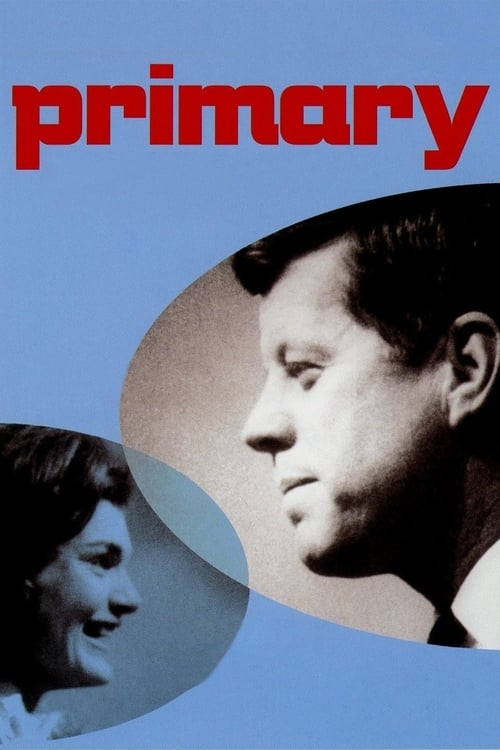
Primary is a documentary film about the primary elections between John F. Kennedy and Hubert Humphrey in 1960. Primary is the first documentary to use light equipment in order to follow their subjects in a more intimate filmmaking style. This unconventional way of filming created a new look for documentary films where the camera’s lens was right in the middle of what ever drama was occurring. Preserved by the Academy Film Archive in partnership with The Film Foundation in 1998.
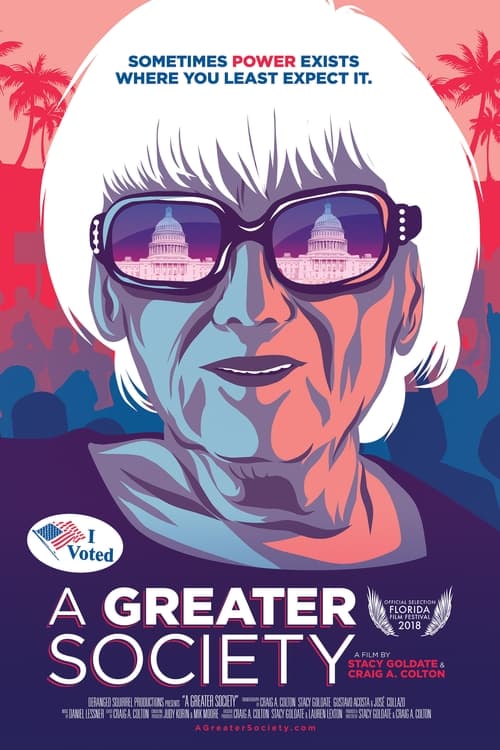
It’s the 2014 midterms and residents of a South Florida retirement community feel the weight of democracy on their shoulders. In one of the most influential counties of America’s largest swing state, these political kingmakers trade their golf clubs for clipboards and hit the pavement to get out the vote. A GREATER SOCIETY is a feature documentary to inspire voter turnout. Inside the gates of Wynmoor Village are three miles of manicured lawns lined with palm trees, a golf course, and carefully maintained condominiums. At first glance, it’s just another retirement community where elders go to enjoy their golden years relaxing by the pool and taking ceramics classes; but look further and you’ll see that the people who live in this community share something unique: the power to have a real impact on national politics.
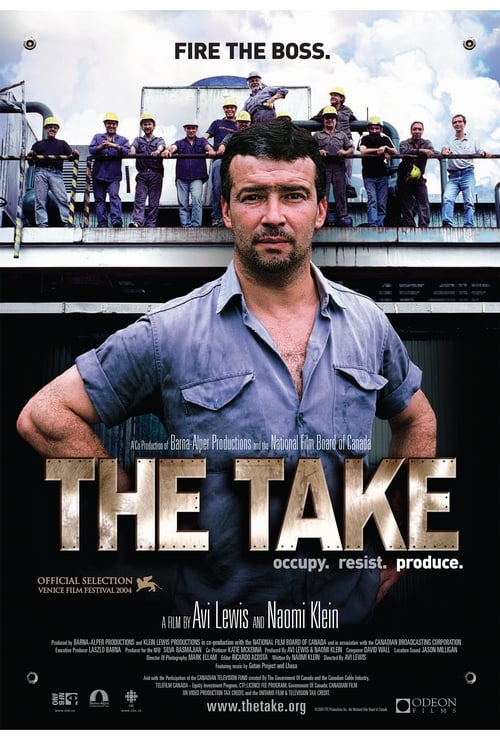
In suburban Buenos Aires, thirty unemployed ceramics workers walk into their idle factory, roll out sleeping mats and refuse to leave. All they want is to re-start the silent machines. But this simple act - the take - has the power to turn the globalization debate on its head. Armed only with slingshots and an abiding faith in shop-floor democracy, the workers face off against the bosses, bankers and a whole system that sees their beloved factories as nothing more than scrap metal for sale.
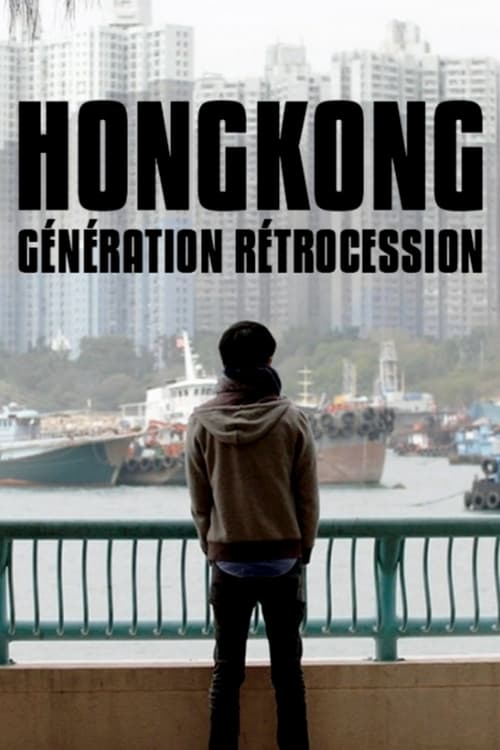
In 2017, twenty years after the British handed over Hong Kong to China in 1997, young people, more politicized than any previous generation and proud of their land, do not feel Chinese and actively fight against the oligarchs who want to subdue them to China's authoritarian power.
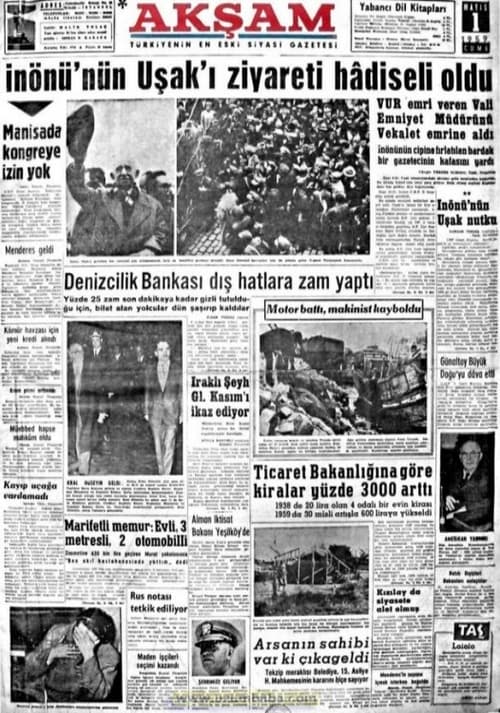
In the past, when spring came, there was a spring atmosphere in politics. But the spring of 1959 brought the CHP's spring offensive on the contrary. Seeing that the opportunity for a dialogue was completely lost after Menderes' plane crash, İsmet Pasha put on his boots in April and took his 46 deputies with him to the expedition. The chosen route was the route of the Great Offensive in the War of Independence. Uşak, where İnönü took the Greek Commander-in-Chief Trikupis prisoner, was the first stop...
It is a famous saying: "One can come to power with a bayonet, but not sit on it." The organization, which carried out 27 May, came to power with a bayonet. Moreover, these young officers seized power that night by breaking the traditional chain of command. In the morning, a 10-year DP period was over, the support of the public was gained at first hand, and a brand new phase was reached. Now, the days that would mark the future of Turkey were beginning. Now, as those days put it, the "second republic period" was beginning.
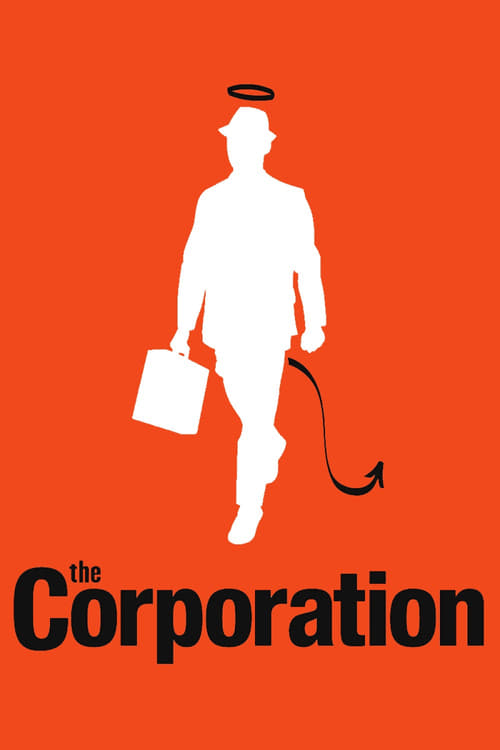
Since the late 18th century American legal decision that the business corporation organizational model is legally a person, it has become a dominant economic, political and social force around the globe. This film takes an in-depth psychological examination of the organization model through various case studies. What the study illustrates is that in the its behaviour, this type of "person" typically acts like a dangerously destructive psychopath without conscience. Furthermore, we see the profound threat this psychopath has for our world and our future, but also how the people with courage, intelligence and determination can do to stop it.
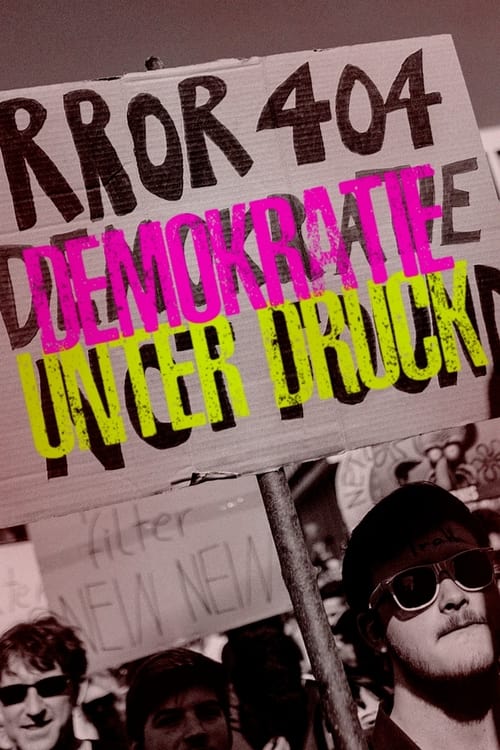
Thoughts of a diversity of public and private citizens on the virtues of democracy, its faults, its decadence, its fall and the rise of populism.
How free and independent is the press in Europe? In recent years, multiple crises and the rise of authoritarianism have put pressure on journalists. We take a look at these countries, where aggression towards the media seems to be undermining the very idea of democracy.
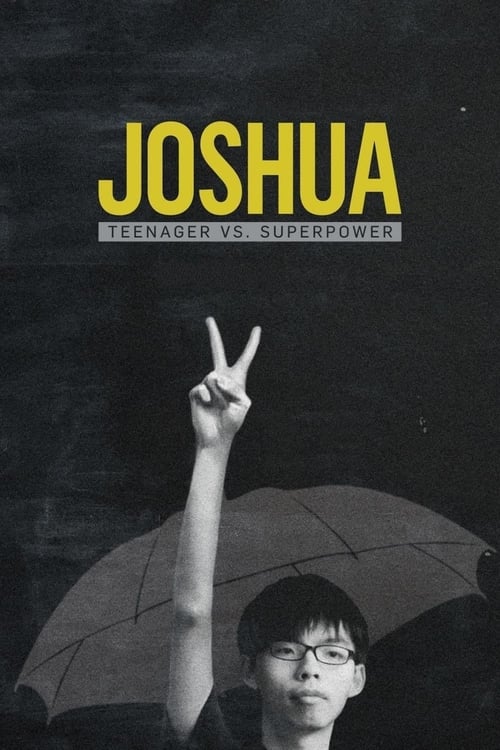
When the Chinese Communist Party backtracks on its promise of autonomy to Hong Kong, teenager Joshua Wong decides to save his city. Rallying thousands of kids to skip school and occupy the streets, Joshua becomes an unlikely leader in Hong Kong and one of China’s most notorious dissidents.
A state of secrets and a ruthless hunt for whistleblowers – this is the story of 25-year-old Reality Winner who disclosed a document about Russian election interference to the media and became the number one leak target of the Trump administration.
This documentary shows the fascist might of the Marcos regime and how militarisation and human rights violations were institutionalised in Philippine political life. The film exposes the human rights violations during the Marcos regime, unmasking the dictator's claims that there were no political detainees under martial law. Arrogance of Power (1983, TRT 38 mins.) is a documentary by AsiaVisions (previously named Creative Audio-Visual Specialists or CAVS) made originally in Super 8 migrated to U-matic and digitized for access.
Turkish democracy got over May 27 and March 12 and set off again, but the storm did not subside, and the mutual reckoning was not over. On the contrary, new fronts were opened in the country and blood began to flow like a gutter. Finally, on September 12, there was a knock on the door again. Those who came that day changed everything, everything. Nothing will ever be the same again
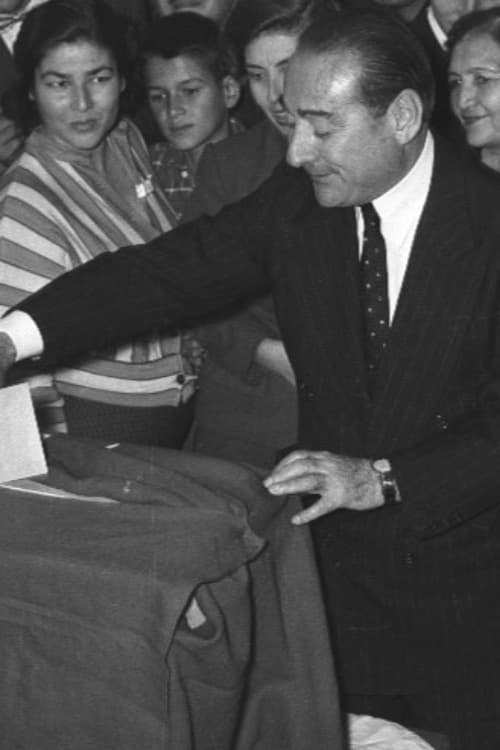
Societies, like people, have turning points in their histories. These milestones sometimes silently and spontaneously knock on the door, and sometimes they explode like a terrifying thunderclap. The year 1950 was such a turning point for Turkey. A simmering social reaction against 27 years of power erupted in the spring of 1950. Society has cracked its quarter-century shell. Not by shedding blood in the streets, but by voting at the ballot boxes. "Demirkırat" was reared by the general vote. That's why the 14 May 1950 elections were always called the "White Revolution"...
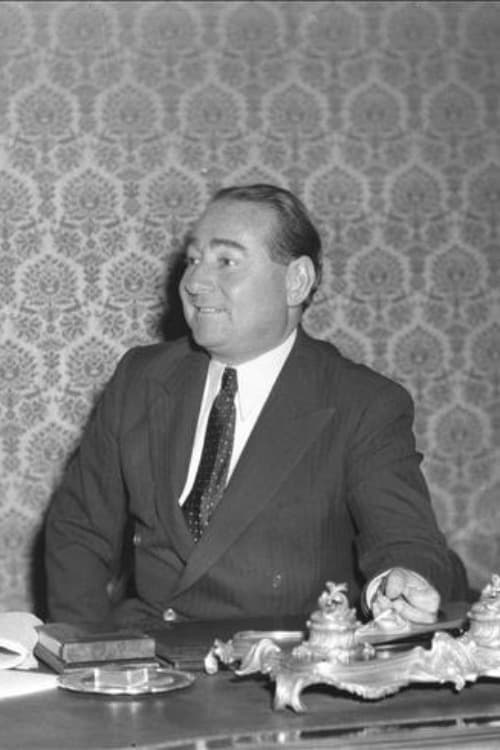
The spring of 1950 was also the spring of the multi-party regime in Turkey. A new 10 years, a new regime, a new government. The first test of democracy was beginning. The National Chief of the single-party period had returned to his Pink Mansion. The address of the opposition was clear now. When it comes to power... Power was shared by a tripartite trivet from the first day: DP Group in the Parliament. Celal Bayar in the Mansion and Adnan Menderes in the Prime Ministry..
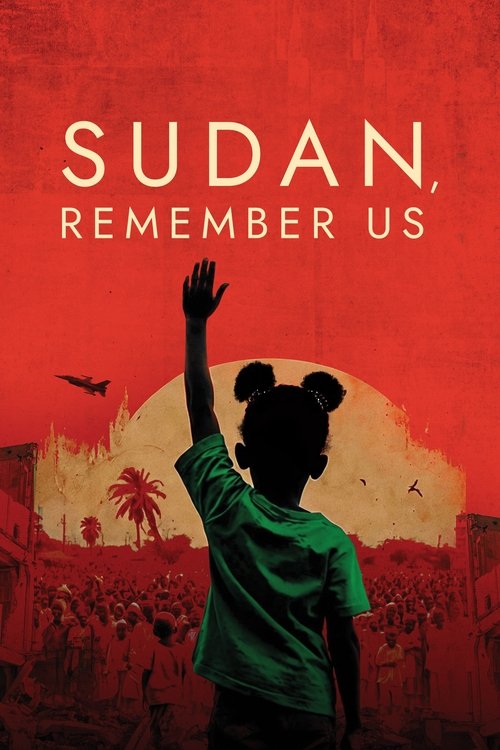
In a Sudan torn apart by years of war, this documentary immerses us in the daily fight of young Sudanese. Their stories, both harrowing and inspiring, remind us of the ability to find hope even in the darkest of circumstances. This is a call to attention to a forgotten crisis, and a tribute to the power of creativity as a tool of survival and resistance.
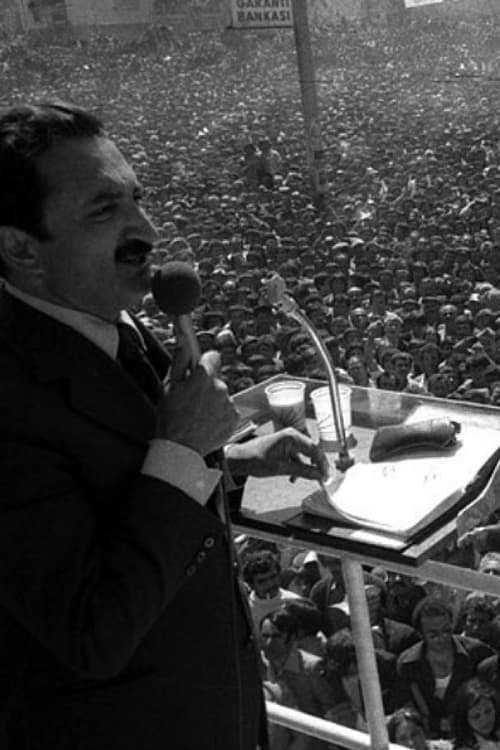
A political amateur who was kneaded with art in the first half of the 1950s and was enthused with the idealism of politics in the second half, was now a person who was dealing with politics and state affairs 24 hours a day, gradually getting hotter and broadening his goals and horizons. In this section, you will follow the milestones of the poet's hopeful arrival in the 1970s, not a dream that the poet remembers with longing, but is no longer left behind. Contrary to the poem, you will recognize the struggle of a stubborn, belligerent missionary who is incompatible with the world. You will witness how it changed in that struggle and how this change affected a country...