The funeral procession of suffragette Emily Davison - fatally injured at the Epsom Derby - passes through London to her final resting place in Morpeth.
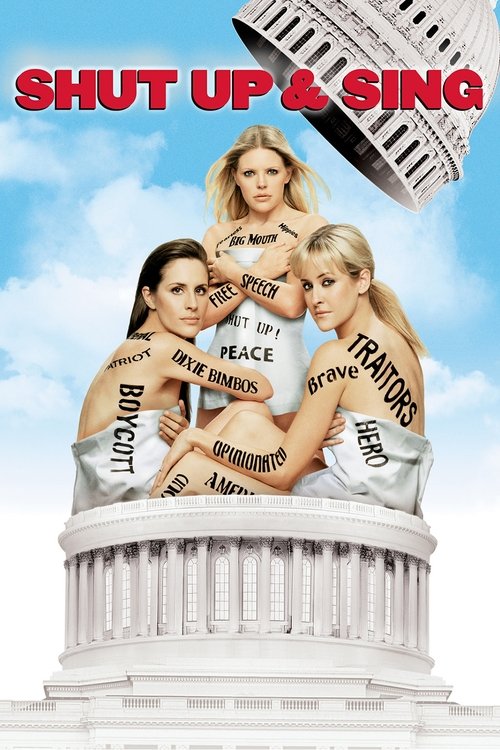
Shut Up and Sing is a documentary about the country band from Texas called the Dixie Chicks and how one tiny comment against President Bush dropped their number one hit off the charts and caused fans to hate them, destroy their CD’s, and protest at their concerts. A film about freedom of speech gone out of control and the three girls lives that were forever changed by a small anti-Bush comment
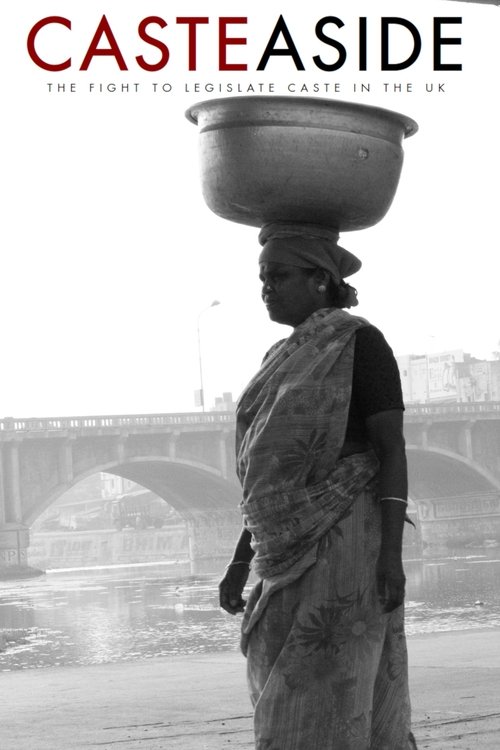
Caste Aside is a documentary about the British government's controversial decision on whether or not to introduce legislation against caste discrimination in the UK. Highlighting both sides of this heated debate, the documentary speaks to Dalit rights activists, Hindu community leaders, academics and lawyers, as well as those who say they have been discriminated against on the basis of their caste - here in Britain.
In the film “The Wall fell on our heads”, five women of color from East and West Germany talk about their memories of the fall of the Berlin Wall.
Documentary about feminism in music and the challenges it has faced through the years from the '70s to present day.
No overview available.
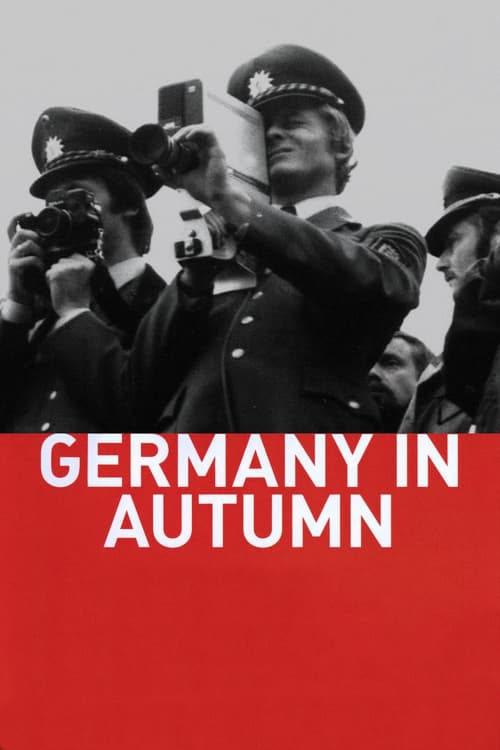
Nine fictitious documentaries and films reflect the mood of late 1970s Germany, particularly the two-month period in 1977 when a businessman was kidnapped by the RAF (Red Army Faction). The kidnap had been made to orchestrate the release of the original leaders of the RAF, aka the Baader-Meinhof.
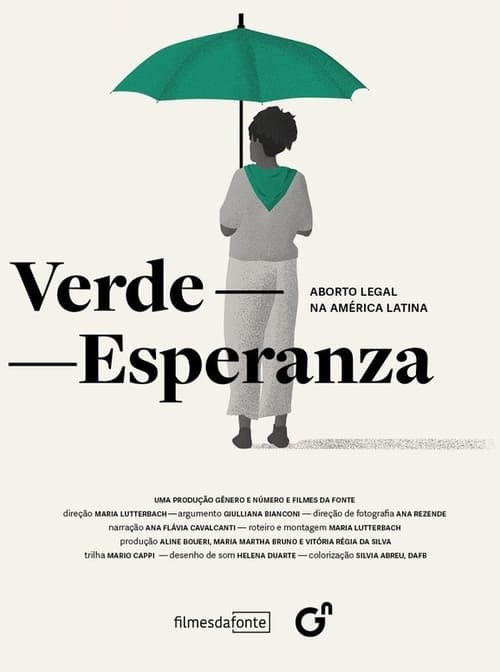
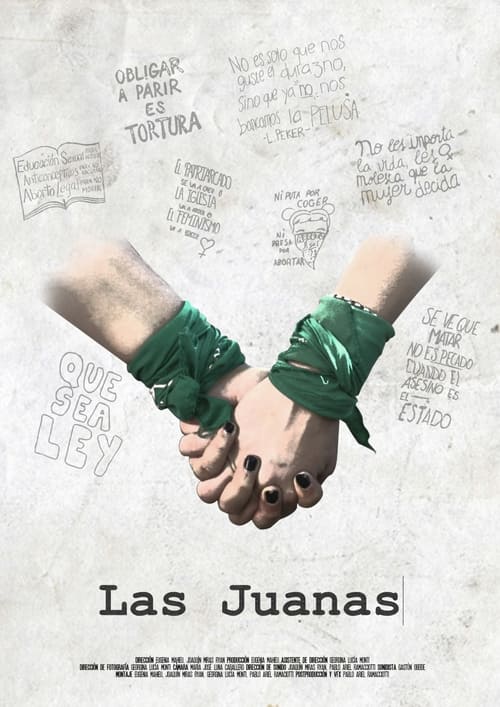
A record of the fight for legal abortion based on the Brazilian, Argentine and Colombian experiences.
Despite the 1960s free-love and alternative culture, many women found that their lives and expectations had barely altered. But by the 1970s, the Women's Liberation Movement was causing seismic shifts in the march of the world's events, and women's creativity and political consciousness was soon to transform everything - including the face of publishing and literature. In 1973 a group of women got together and formed Virago Press; an imprint, they said, for 52 per cent of the population. These women were determined to make change - and they would start by giving women a voice, by giving them back their history and reclaiming women's literature.
A six minute film of the funeral of the murdered Metropolitan Emilianos of Grevena, of which all has been lost, save for 17 seconds. Emilianos was murdered on October 1st, 1911.
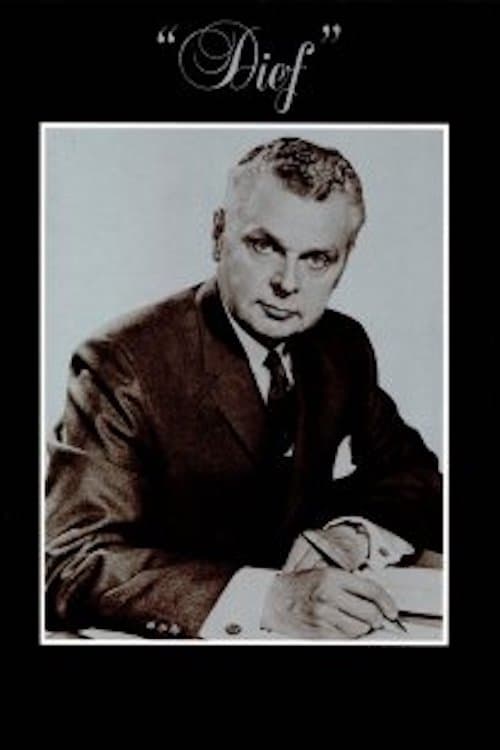
This documentary short is a portrait of Leader of the Progressive Conservative Party and 13th prime minister of Canada, John George Diefenbaker (1895-1979). Diefenbaker's political career spanned 6 decades. When he died in 1979, his state funeral and final train trip west became more a celebration of life than a victory for death.
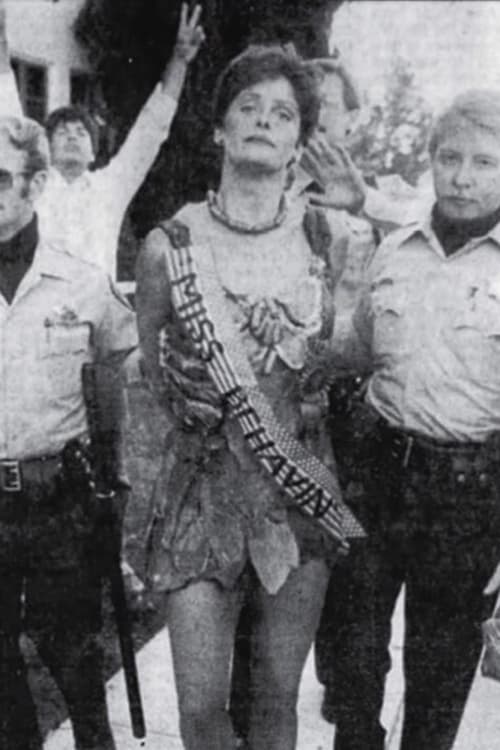
A feminist activist organization determined to bring attention to superficiality and the rampant objectification of women in modern American society chooses the 1985 Miss California Beauty Pageant as the site for its disruptive guerrilla demonstration. The group meets in Santa Cruz, Calif., and orchestrates its own competition -- one that attracts media attention and shocks passersby with its thought-provoking and satirical alternate reading of the institution of the American beauty pageant.
A film portrayal of a pioneering aviator and best-selling author whose extraordinary public life had a deep impact on her inner world.
One year after the death of Simone de Beauvoir (14 april 1986) Delphine Seyrig pays homage by visiting her grave. which she finds still covered with flowers and letters from all over the world.
Women’s voices rise to deliver testimonies of victims of sexual violence. By reconstructing a story with these fragments of experience, a societal portrait is painted throughout the documentary. Like a mosaic, the pieces stick together to build a unique story that could belong to any human.
This film shows the work done by the "socorristas" feminist network. Through informative talks and stories about the actions of emotional containment these women have with others who need support, it seeks to eliminate the stigmas on abortions while also bringing out the reality of the clandestine abortion.
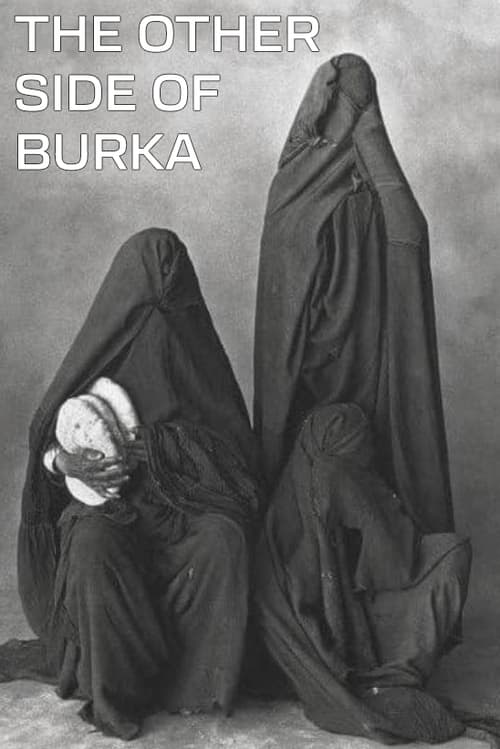
The Other Side of Burka is a 2004 Iranian documentary directed by Mehrdad Oskouei. In the southern island of Qeshm, Iran, which is a very strict region in point of tradition and African-Arabic rules, all women are under the pressure of patriarch society. Their sufferance is manifested by different mental (Zar, Possession) and physical diseases which must be only treated by Zar Ceremony. For the first time, despite the danger these women face, this film tells us the sad story of their life and shows their confection in front of the camera. It tries to be an honest mirror which reflects their sufferance and unveils their Burka to reveal their real characters.
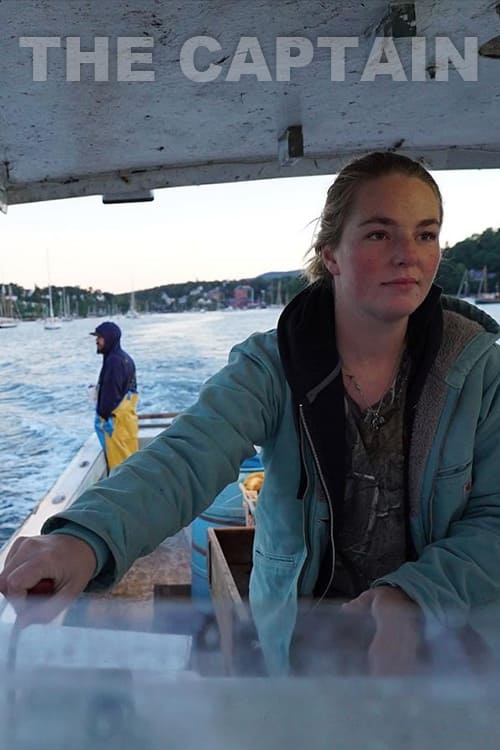
Of Maine’s more than 5000 commercial lobstermen only 4% are female. The Captain celebrates that fearless minority through the lens of Sadie Samuels. At 27 years old, she is the youngest and only female lobster boat captain in the Rockport, Maine harbor. Despite the long hours and manual labor of hauling traps, Samuels is in love — obsessed even — with what she calls the most beautiful, magical place on the planet. Her love for lobster fishing was imparted early in her childhood by her dad Matt, who has been her mentor and inspiration since she was a little girl in yellow fishing boots.
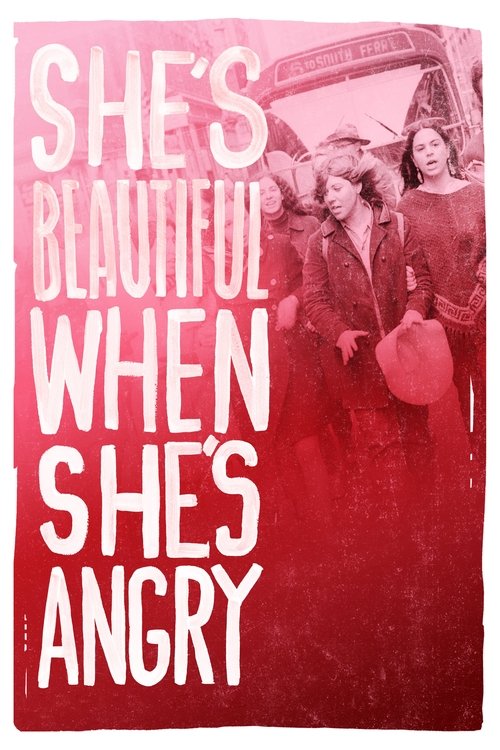
A documentary that resurrects the buried history of the outrageous, often brilliant women who founded the modern women's movement from 1966 to 1971.
Trailer
No Cast found.