The documentary “Together” addresses the diverse relationships between groups and their members, it explores what kind of influences a group can have on the individual.
Self
No overview available.
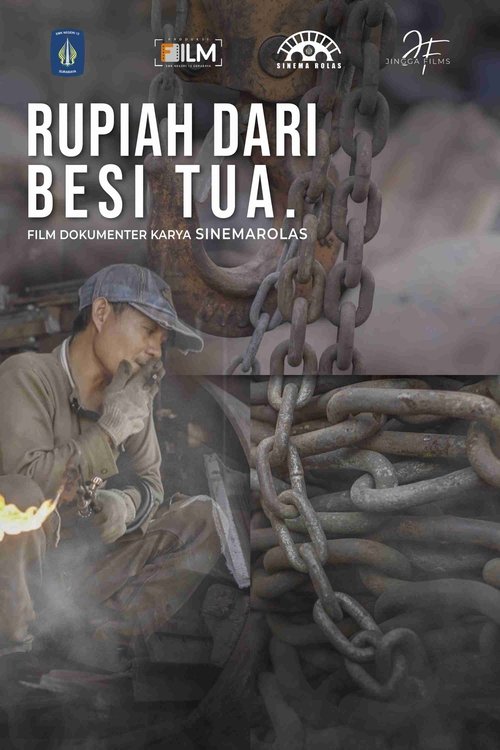
Some Madurese choose to live outside their homeland, migrating to build a better life. Surabaya has become one of the destination cities for the Madurese people. They work hard, pursuing various professions. some of them are owning a scrap metal business.
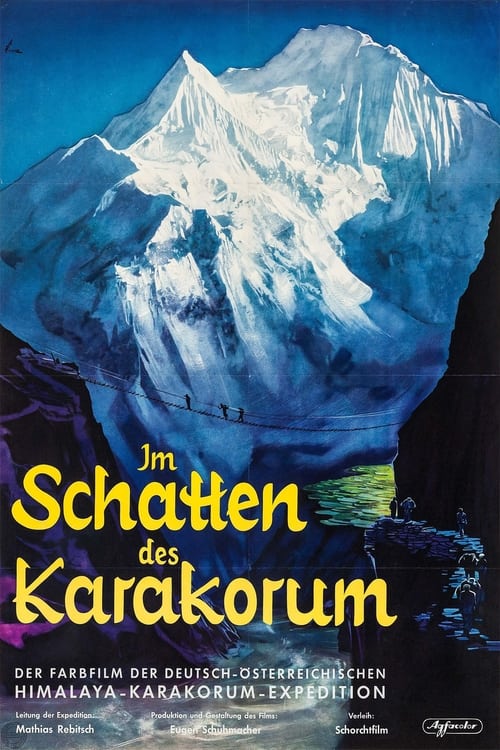
In 1954, a German-Austrian expedition led by Mathias Rebitsch set off for the difficult-to-access Karakoram Mountains, geographically north of the Himalayas. They come across the Hunza, a people who live in the valley of the same name and believe they are descended from the soldiers of Alexander the Great. The documentary conveys impressions of the poor life of the Hunza people, the harvest, a court hearing, festivals and the children's everyday school life. Finally, the expedition sets off again and sets up its main camp on the moraine ridge of a glacier, where they measure the glacier and the earth's magnetic field. Finally, some men from the research community set off for a sub-peak of Batura.
A journey into four classical elements through the four main characters of the film. The main characters in the movie represent each of their own elements.
After twelve years in exile, Syrian journalist and filmmaker Daham Alasaad returns to Homs, devastated by the war in Syria. Once the city of his childhood, it is now a relic of an authoritarian regime, where different communities (Sunnis, Christians, Alawites) are trying to rebuild their lives together after terrible years of division and destruction. Thanks to Daham Alasaad's close relationship with the city's inhabitants, the director highlights some very moving characters, torn between grief, fear, the need for justice, and the desire for peace and reconciliation. By opening up naturally to the camera, they allow viewers to experience what Syrians of all backgrounds are going through today. "Homs-Syria, Life After" is a personal and political investigation into the ability of this symbolic city to rebuild hope on the ruins of a Syria ravaged by more than fifteen years of war and facing an uncertain future.
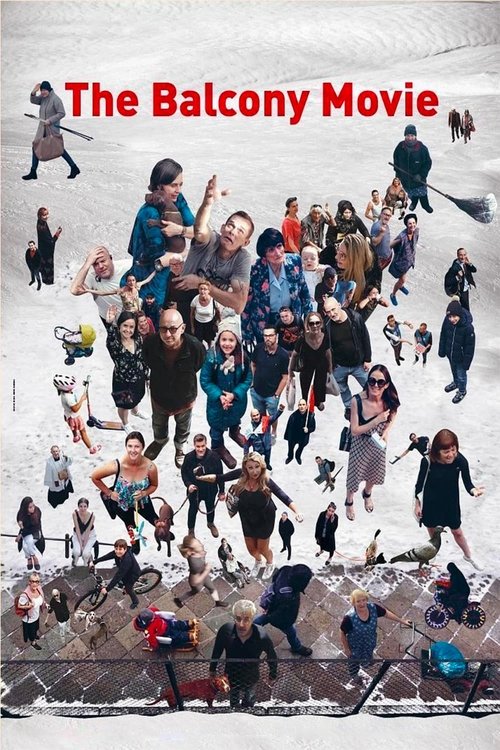
Composed from the conversations that the director holds with people passing by in the street under his Warsaw apartment, each story in 'The Balcony Movie' is unique and deals with the way we try to cope with life as individuals. All together, they create a self-portrait of contemporary human life, and the passers-by present a composite picture of today's world.
Rotterdam 2040 is a film about the city’s future, departing from the principle of Gyz La Rivière that you can’t look ahead without considering your past (something that hasn’t always been Rotterdam’s strongest feature). At high speed, La Rivière reconstructs the history of Rotterdam from the time before the bombings until now, and expands the developments to the year 2040 (100 years after the bombing and the 700th anniversary of the city). La Rivière made a specific choice to expose his personal vision, which is sometimes radical or a little absurd. So no experts and no talking heads, but an assault of old and new imagery, held together by La Rivière as the narrator of the film. Although Rotterdam 2040 deals with architecture and urban renewal, it is actually a film about people. The subjective experience of the city by its (future) occupants mainly determines the parade of architectural blunders and suggestions for the future. All tongue-in-cheek of course.
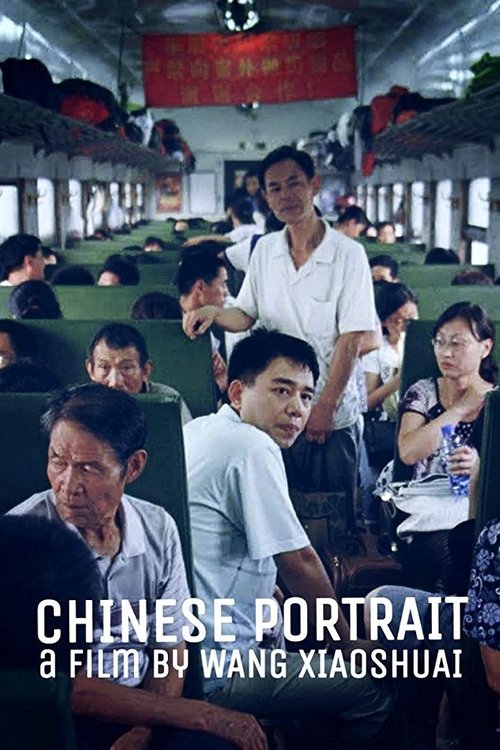
Shot over the course of ten years on both film and video, the film consists of a series of carefully composed tableaux of people and environments. Pedestrians shuffle across a bustling Beijing street, steelworkers linger outside a deserted factory, tourists laugh and scamper across a crowded beach, worshippers kneel to pray in a remote village. With a painterly eye for composition, Wang captures China as he sees it, calling to a temporary halt a land in a constant state of change.
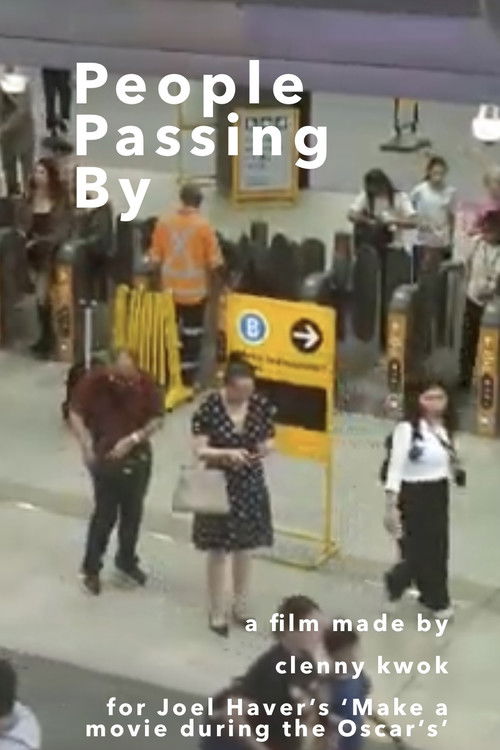
In under 3 hours for the annual Joel Haver’s “Make a Movie During the Oscars”, Clenny Kwok documents the crowd of Chatswood on one normal day.
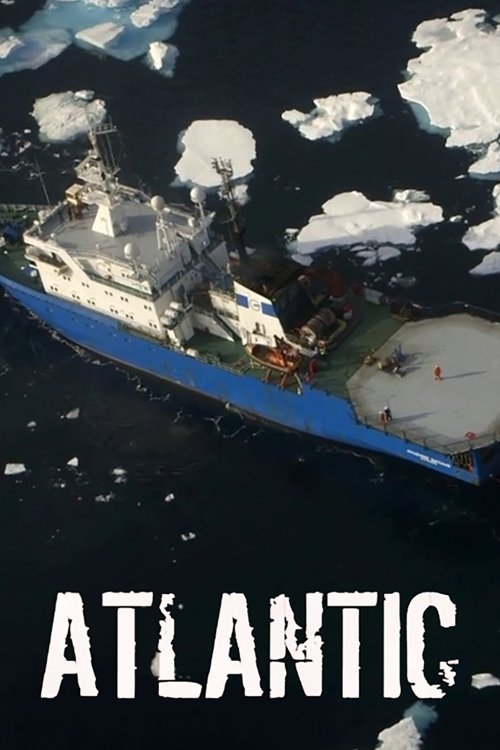
Documentary about the two big resources in the North Atlantic, fish and oil, and the impact of their exploitation on the environment in various countries on both sides of the Atlantic.
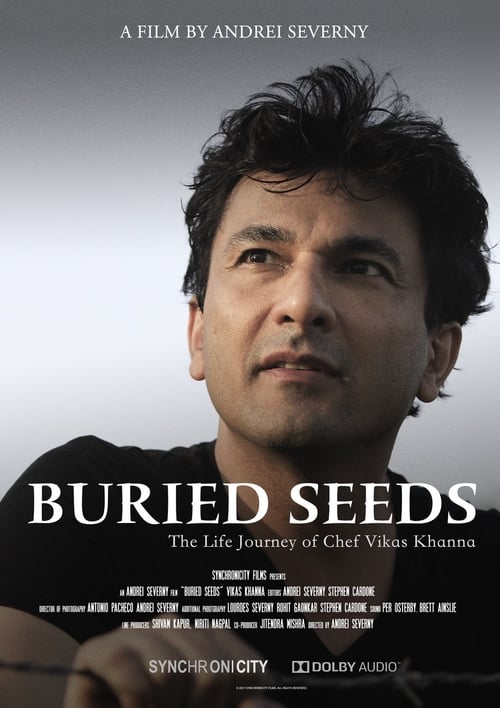
Buried Seeds, a film by Andrei Severny, is a timeless story of human passion, willpower, and resolve in the face of adversity. The film follows Michelin Star Chef Vikas Khanna's on his journey as an immigrant. Born with clubbed feet in Amritsar, Vikas is bullied by his classmates. Khanna takes refuge in his grandmothers kitchen and discovers his passion for the vivid traditions of Indian cuisine. At the age of 29, Vikas moves to New York with nothing in his pocket and ends up in a homeless shelter. Through years of struggle and hard work Vikas opens his first Indian restaurant in Manhattan. Over time Vikas Khanna grows to become one of the most influential chefs in the world and a cultural ambassador of his nation. While wealth and glory may be transient, what truly defines him is the will to create himself every single day.
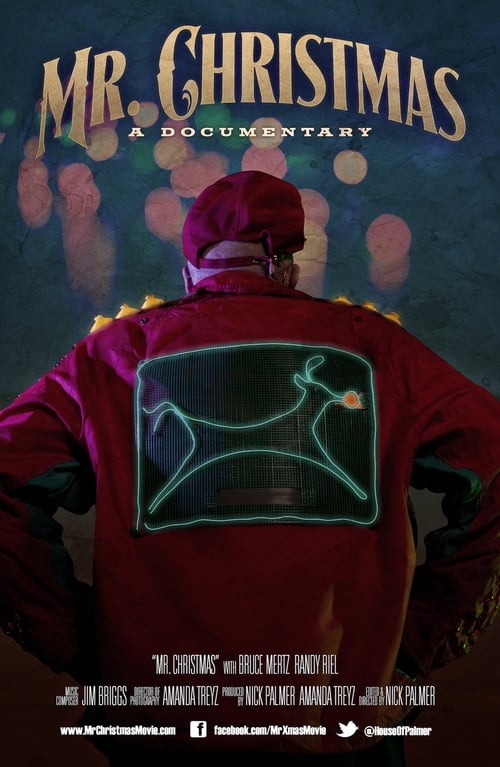
Every Christmas, Bruce Mertz lights up the neighborhood with the 50,000 lights covering his house. For decades he's obsessively added to his display, creating beautiful, towering fixtures that people travel across the country to see. In this offbeat, touching portrait, we learn what drives him, and discover how a kid who grew up on a farm with no electricity became Mr. Christmas.
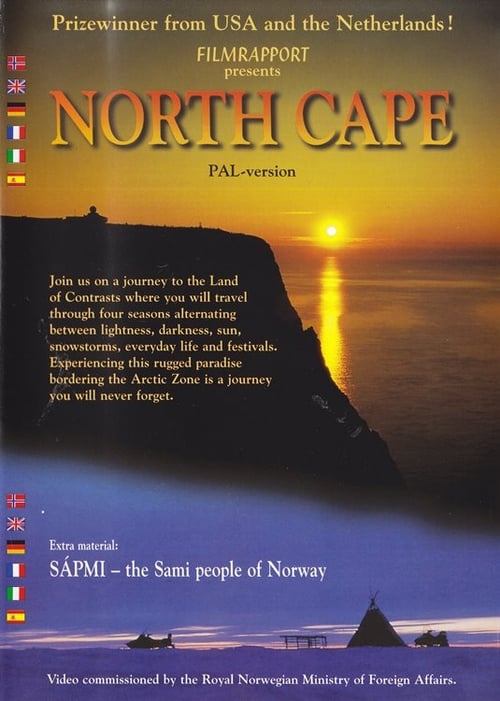
This video has won festival prizes in Chicago and Rotterdam and has been declared Norway’s finest video for tourists by “Aftenposten”, one of Norway’s largest newspapers, witch wrote: “The reality of this region, communicated by craftsmen who know what they are going, is by itself fantastic enough. Here you will see real people – fishermen and Sami – in our best known travel destination, in magnificent, flowing scenes revealing rapturous artistic flair. Three cheers!” Life in this part of the country is totally dependent on nature. Winter storms, cold polar nights, the midnight sun and warm summer days. Communities that rebuilt themselves after being totally destroyed during World War II. You can take part in all of this and experience life at the North Cape, the northern outpost of Europe. You will find yourself watching this video time and time again…
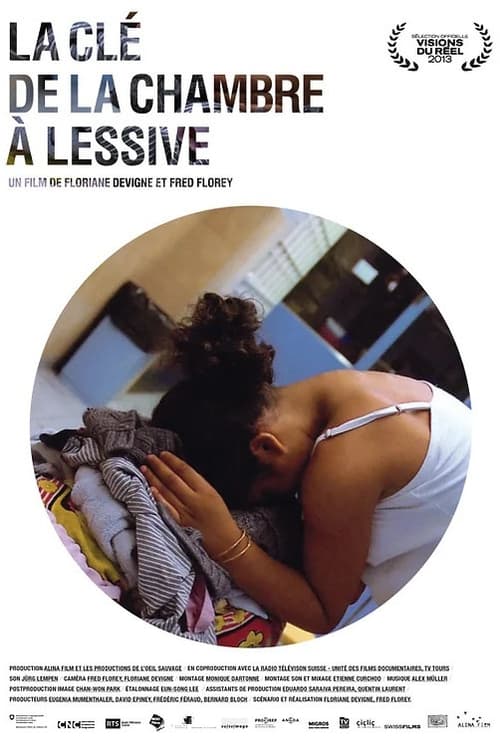
The key to the communal laundry room in the block of flats on the Rue de Genève 85 in Lausanne serves a much greater function than merely unlocking the door. This encounter between a symbol of typical Swiss mentality with a penchant for order and the tenants who have been housed here by the city’s social services department is not something to be taken for granted. Although the laundry room is normally located in the cellar, the tenants in this building share a tiny laundry room off the entrance hall because the cellar is reserved for prostitution. To maintain order and cleanliness, the landlord hires Claudina, a new “laundry woman”.
No Trailers found.