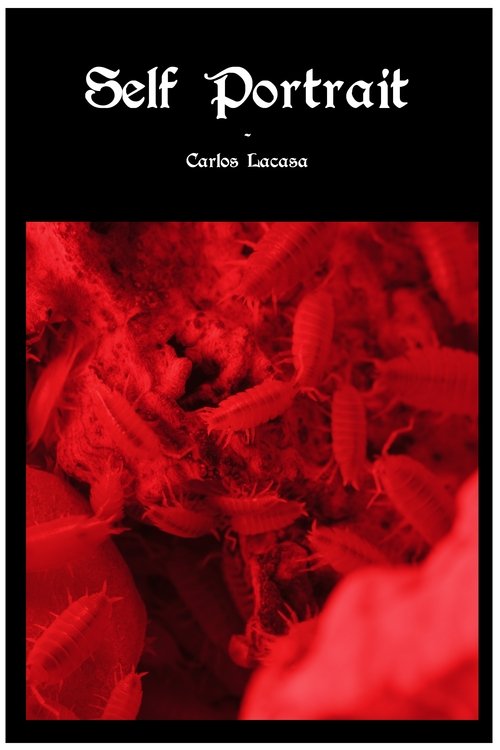
A contemplation of life.
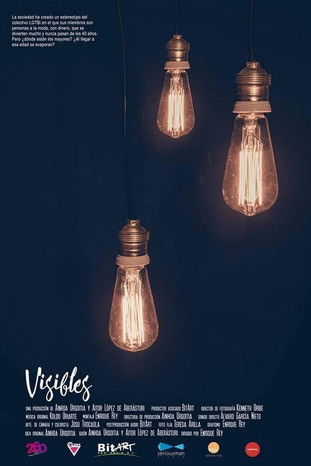
Society has created a stereotype of the LGTBQ collective in which its members are young people who are fashionable, who have money, who have a lot of fun and who never pass the age of forty. But where are the older ones? When they reach that age, do they evaporate? This documentary makes visible a little-discussed topic: old age.
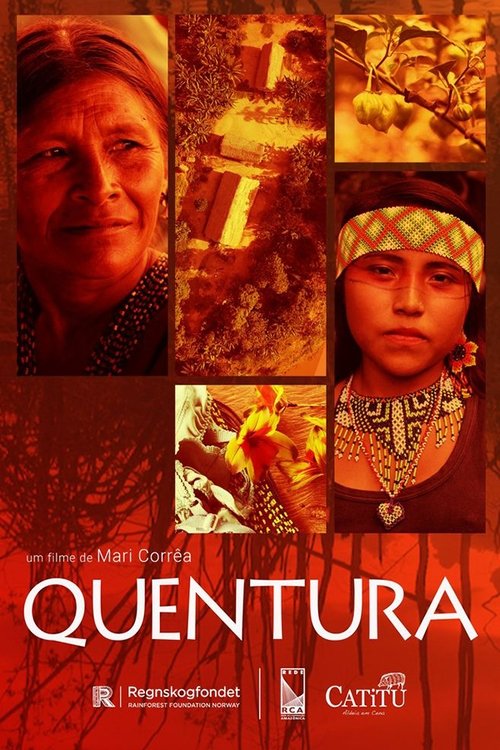
Too hot! The spawning fish do not come at the right time and the pepper plants end up dying in this heat. "This is a very different weather that not even the spirits can understand." From their gardens, homes, and backyards, the indigenous women of the Amazon involve us in their vast universe of knowledge while they observe the impacts of climate change in their ways of life.
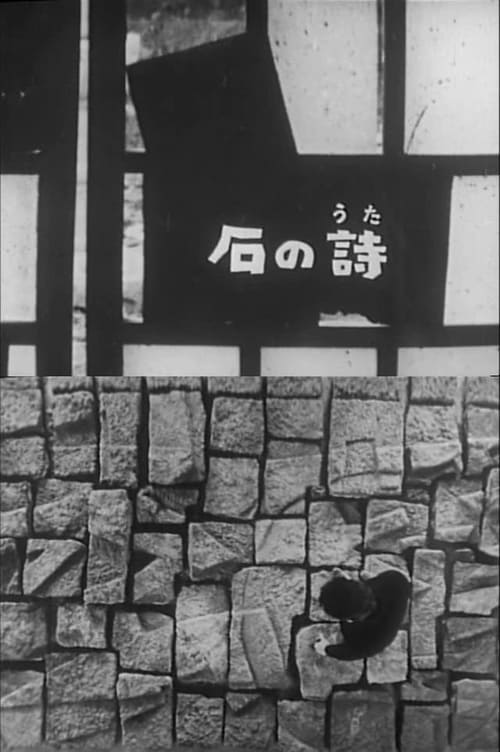
While extracting and polishing their blocks of stone, stonecutters used to say “the stone is coming to life". This paradox provided Matsumoto with the best metaphor for what making a film is all about. In his opinion, filmmakers work images in the same way that stonecutters work stones.
A village meeting in communist Russia to pay homage to Stalin leads to a gossip marathon, which develops into an endurance test for the participants.
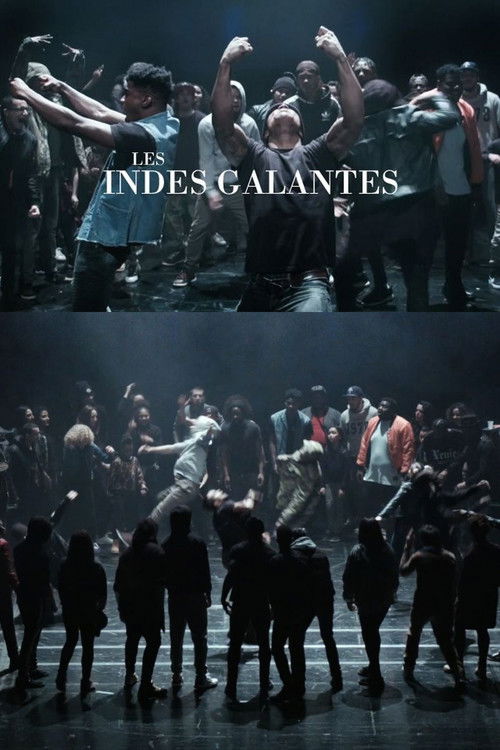
Les Indes Galantes (The amorous indies), is an opera-ballet created by Jean Philippe Rameau in 1735. He was inspired for one of the dance by tribal Indian dances of Louisiana performed by Metchigaema chiefs, in Paris in 1723. Clément Cogitore adapts a short part of the ballet by mobilizing a group of Krump dancers, an art form born in Los Angeles black ghetto in the 1990s. Its birth occurred in the aftermath of the beating up of Rodney King and the riots, as well as police repression it triggered. Amidst this coercive atmosphere, young dancers started to embody the violent tensions of the physical, social and political body. Both the tribal dance performed in Paris in 1723, and the rebelious Krump dancers of the 1990s shape a reenactment of Rameau’s original libretto, staging young people dancing on the verge of a volcano.
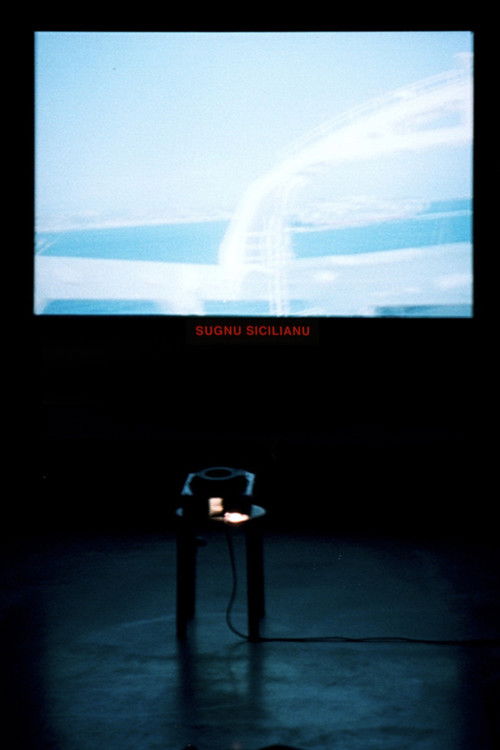
The film Sugnu Sicilianu unfolds like a series of flashbacks through time, connecting memory and dreams. This film is a journey through inheritance, where histories are both confronted and reshaped. Sugnu Sicilianu questions heritage, family, and identity through a return to the places that once tied me and my family to our roots.
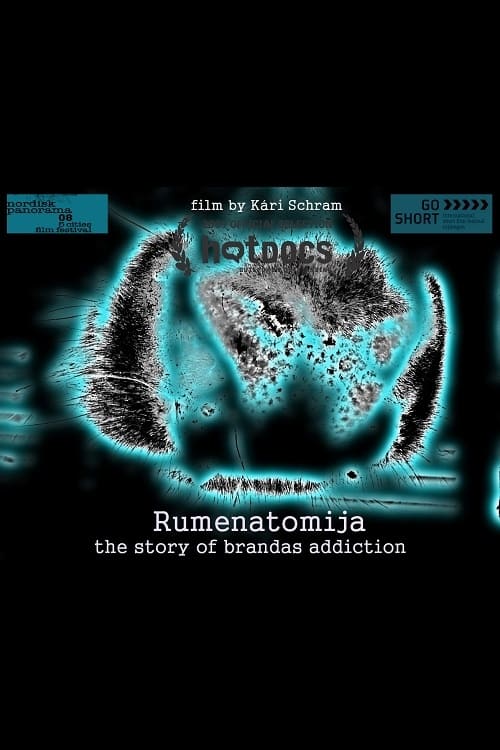
Branda has hit rock bottom. Her addiction has spiralled so far out of control that medical intervention is the only option left. She's forced to confront her darkest demons in order to lick her deadly appetite, and must apply all 12 steps to her four stomachs - Branda is a cow addicted to eating plastic bags. It's easy to find humour and irony in Branda's toxic lifestyle, harder to admit that we're the ones being ridiculed.
Glen Denny observed: "This film is not ocean, it is panther stalking jungle." Camera flows because it is free to move through space.
Through its rhythmic montage and mix of observational and surreal imagery, Malembe forges oblique linkages between the United States and Venezuela, conveying the strange dissociation of being uprooted, of living between places. As a knife cuts through sky, through snow, and through fruit, quasi-ethnographic footage—with its conventional markers of music, food, ritual—joins with home-movie auto-portraiture of a New England winter, communicating a sense of dislocation at once vertiginously queasy and absurdly comic.
For time immemorial, the indigenous peoples of Latin America have used and venerated the coca plant, affording it the same respect as a person. Jiíbie is the Uitoto word for the powder made from the plant, which is produced here in the domestic setting of a Muiná-Muruí family (in the Colombian Amazon). A spiritual guide, a healer, a teacher and a communicator: these are just some of the roles assigned to this “plant of power”.
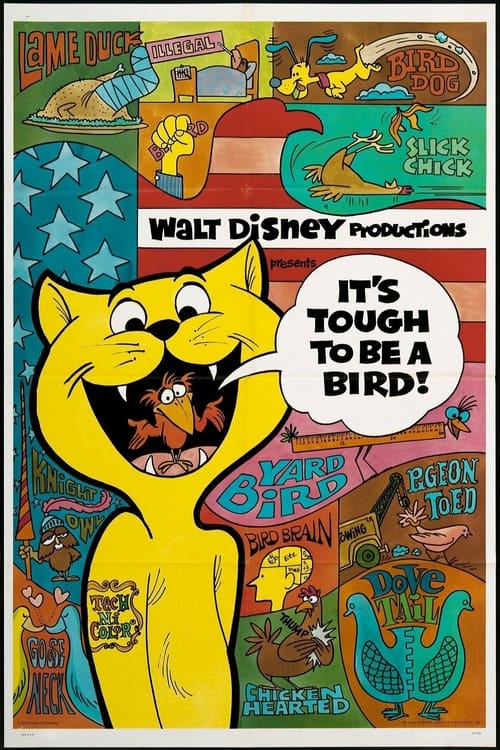
Part cartoon and part documentary, this film offers a humorous look at birds and the ways people perceive them.
Susana Barriga’s documentary, the illusion, begins with violence. A long shot reveals a man standing on a street corner, his features indiscernible in the night. He moves out of the camera’s line of vision, but the filmmaker, persistent, moves with him as the jostling of the camera marks her steps. As we learn moments later, the man in the distance is Susana’s father – and this is the clearest image of him we will have. Suddenly, an angry British man demands that Susana cease filming. Susana protests in heavily accented English, “He is my father!” Glimpses of a man’s torso are followed by blurred images as the camera spins rapidly over surfaces. The image cuts to black. A new male voice asks in carefully spaced out words if Susana would like him to call the police. When she doesn’t respond immediately, he speaks louder, as though volume would compensate for the language difference. She gives her name; she refuses the offer of an ambulance.
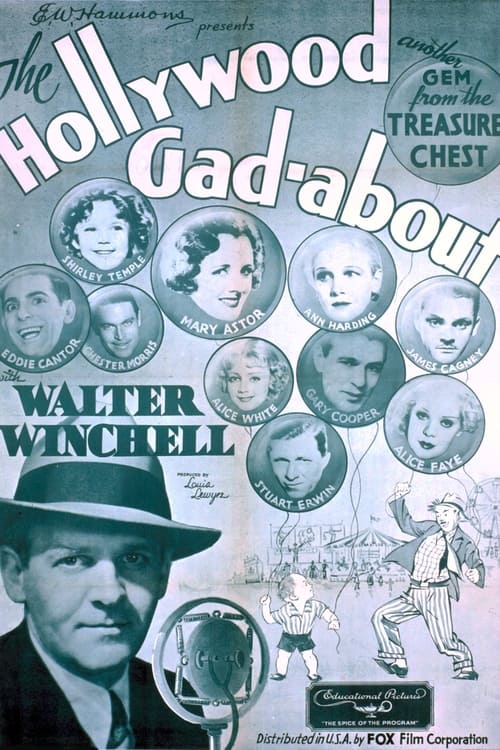
A parade highlights the Screen Actors Guild's Film Stars Frolic, hosted by Walter Winchell as Master of Ceremonies.
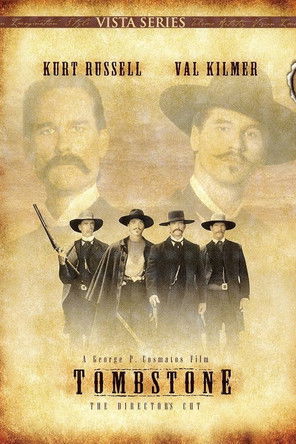
A Documentary covering the making of the 1993 Western 'Tombstone' featuring cast and crew
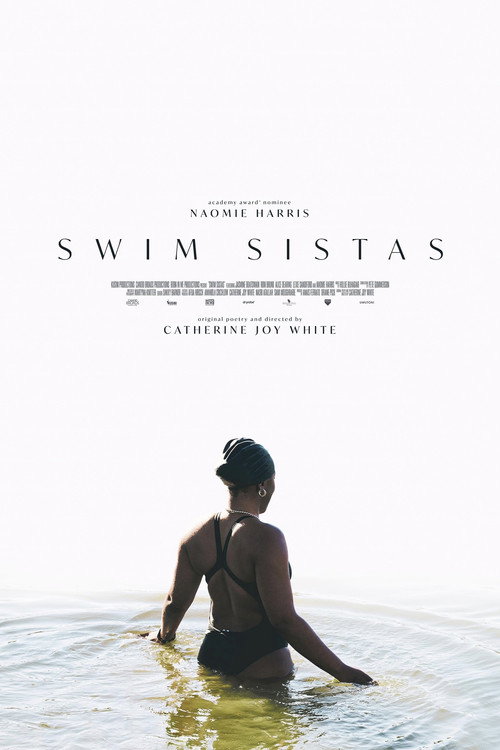
Swim Sistas follows the swimming journeys of three very different Black girls/women as barriers are broken down in the water.
Filmed during Jonas Mekas’s travels in 1981, this short captures scenes from Stockholm. The footage was later included in his 2003 compilation film Travel Songs (1967–1981).
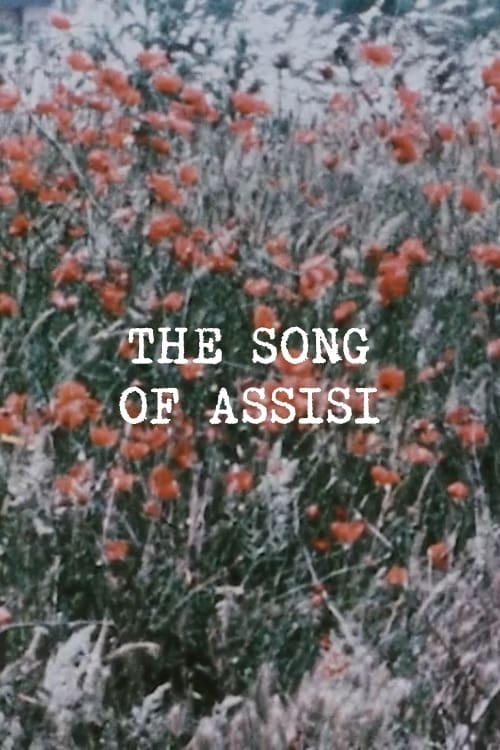
Filmed during Jonas Mekas’s visit to Assisi in 1967, this short documents his time in the city known for its spiritual associations. The footage was later incorporated into his 2003 compilation film Travel Songs (1967–1981).
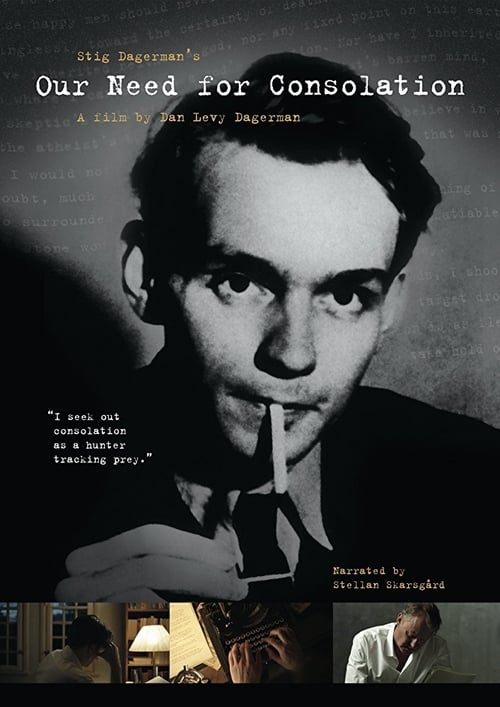
Swedish writer Stig Dagerman (1923-1954) was a literary sensation who after a few productive years, suddenly fell silent. Struggling with writer's block, Dagerman wrote the essay "Our Need for Consolation" about his inner demons and his quest for freedom. For the first time in English, featuring Stellan Skarsgard as an on-camera narrator, this film brings Dagerman's powerful words to life in the form of a visual poem.
Ricky Tomlinson sits back in his chair and takes a fond look back at the much-loved comedy series The Royle Family, sharing his memories of playing head of the family Jim Royle and his experiences working with the show’s co-creator Caroline Aherne, who, as well as writing the show with co-star Craig Cash, also played Jim’s daughter Denise. Ricky talks about how a chance encounter helped him get the part of Jim, recounts what it was like filming some of the show’s most iconic moments, and tries to get the bottom of the origins of Jim’s famous, below-the-belt catchphrase.
No Trailers found.
No Cast found.