No Trailers found.
No Cast found.
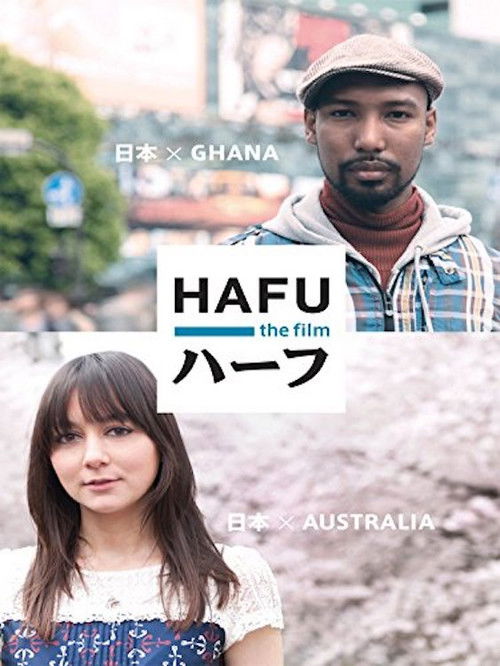
A journey into the intricacies of mixed-race Japanese and their multicultural experiences in modern day Japan. For some hafus, Japan is the only home they know, for some living in Japan is an entirely new experience, and the others are caught somewhere between two different worlds.
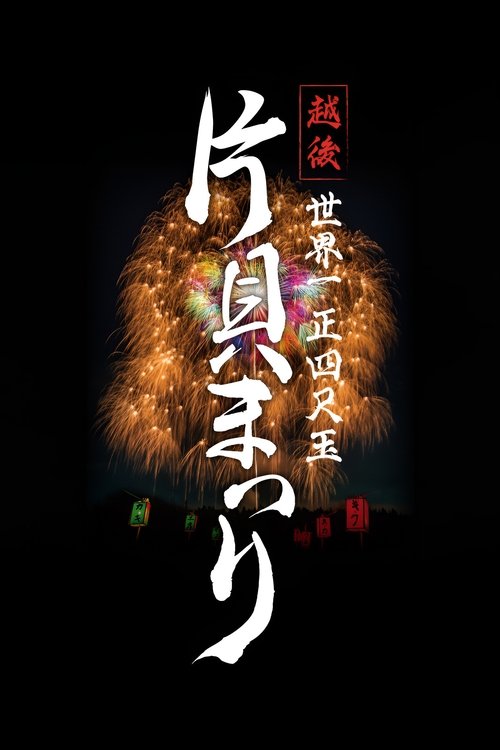
The Katakai Festival, one of Niigata and Echigo's Three Great Fireworks Festivals, has a 400-year history. Held annually on September 9th and 10th in Katakai Town, it features fireworks dedicated to Asahara Shrine, filled with wishes and prayers. Highlights include Japan’s largest 'San-shakudama' and the world's largest 'Yon-shakudama,' which impress spectators with their grandeur. The small hill behind the launch site amplifies the fireworks' powerful bursts. This work condenses the festival's two-day fireworks displays. It captures the fleeting beauty of each firework, the vibrant rapid-fire starmine displays, and the grand 'San-shakudama' and 'Yon-shakudama' that fill the night sky, creating an emotional and resonant experience. Filmed in ultra-high-definition 4K/8K60P, it faithfully reproduces the grand fireworks and fine sparks. Enjoy the immersive experience with high-resolution audio at 96kHz24bit, emphasizing the fireworks' explosive sounds and echoes.
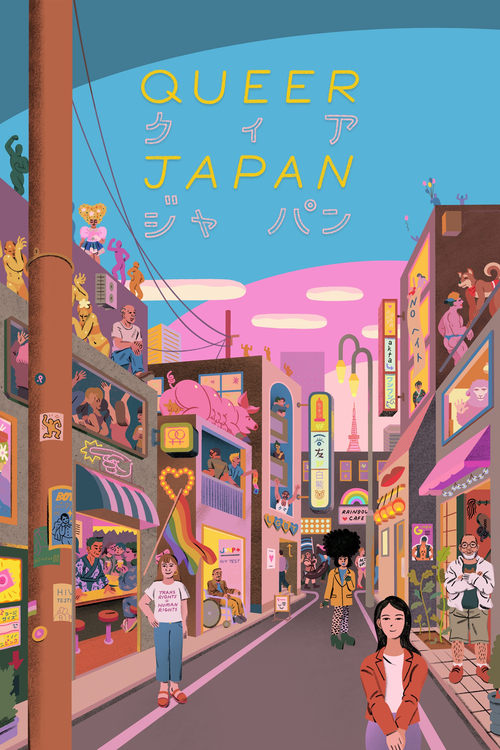
Trailblazing artists, activists, and everyday people from across the spectrum of gender and sexuality defy social norms and dare to live unconventional lives in this kaleidoscopic view of LGBTQ+ culture in contemporary Japan.
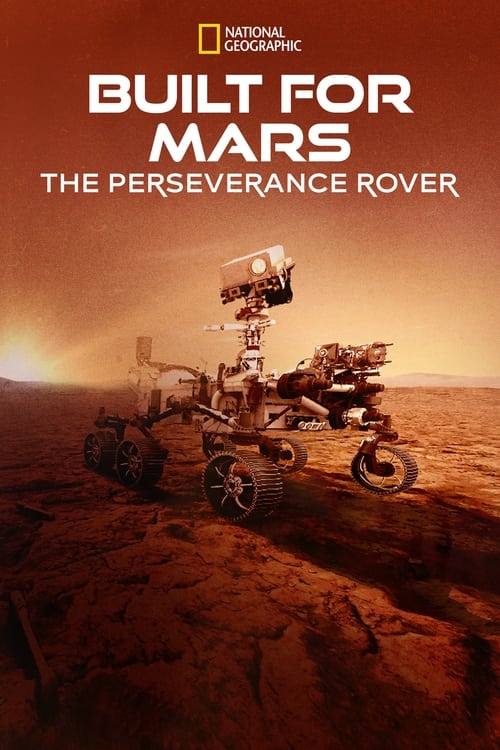
BUILT FOR MARS: THE PERSEVERANCE ROVER goes behind the scenes at NASA’s Jet Propulsion Laboratory to follow the birth of the Perseverance rover.
No overview available.
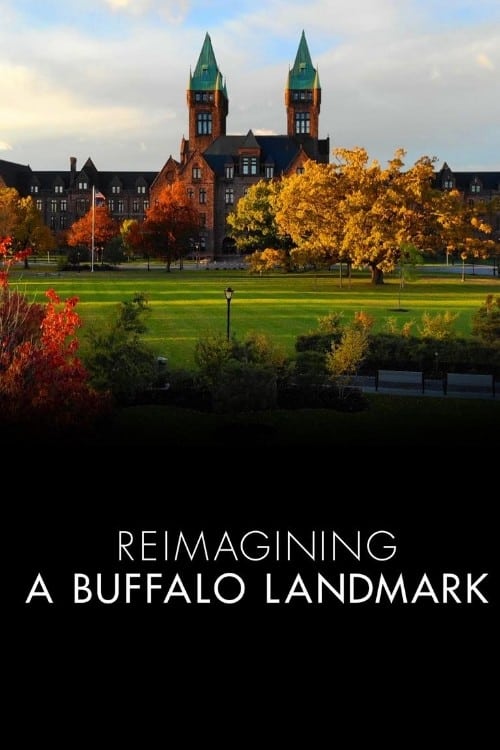
The Richardson Olmsted Campus, a former psychiatric center and National Historic Landmark, is seeing new life as it undergoes restoration and adaptation to a modern use.
Toypunks is a documentary film series covering the converging world of Japanese toys, fashion and punk rock. Exploring the birth of the designer vinyl explosion from its roots in character culture and punk music, Toypunks takes you in-depth with Japanese fashion icon, Hikaru Iwanaga, creator of the worlds first designer toy. Frank Kozik, Hiddy Kinoshita of Secret Base, Balzac, Three Tides Tattoo and more are interviewed highlighting profound cross-cultural connections between todays top creative talents in toys and fashion.
The race to save the world's only dedicated Māori World War One Memorial from collapse reveals an unknown soldier's heroic story to the community he was once part of.
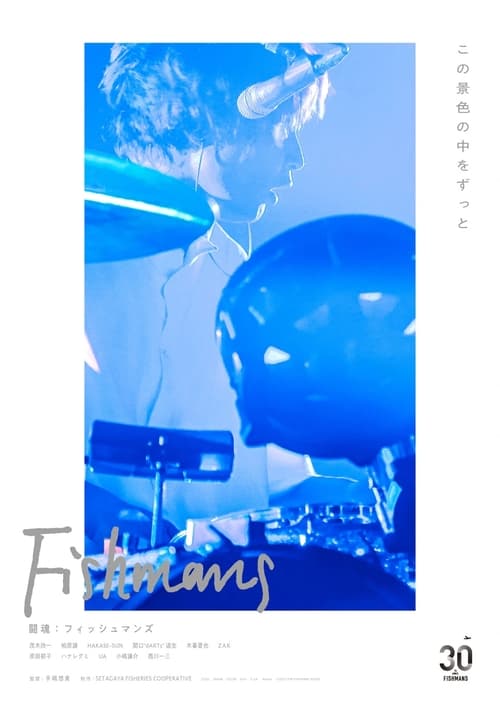
A documentary film chronicling the rehearsal, preparation and performance of a Fishmans concert performed on February 19, 2019 @Zepp Tokyo.
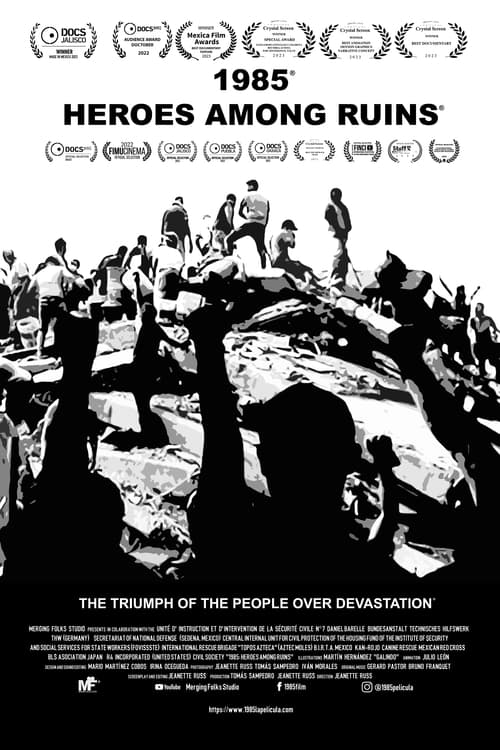
"1985: Heroes among Ruins" is a reflection of disaster. It is about the human solidarity, the search and rescue and the importance of civil protection, but above all, the triumph of the people over devastation during the earthquake of September 19, 1985 in Mexico City and the one ocurred in September 19, 2017.
In December 2021, Hideki Kuriyama began devoting his days to one singular goal: hoisting the championship trophy at the 2023 World Baseball Classic. How did he mold his players into one of the best and strongest Samurai Japan teams in history? A close-up documentary that looks back on Samurai Japan's path to becoming world champions, along with valuable behind-the-scenes footage captured by the team's dedicated crew.
A Japanese food writer embarks on her quest to cook the perfect Sunday roast. Her gravy evokes a taste of home both gently Japanese and quintessentially English. Blending her passion for British food with the memories that accompany each dish, it is a labor of love with all the trimmings.
Filmed mostly with drones, this short film shows what happened before, during and after the devastating earthquake that struck Mexico City in September 19, 2017. Through sound recordings of the rescue operations, accounts from survivors and journalistic chronicles, this film reflects the uncertainty and bewilderment caused by the quake.
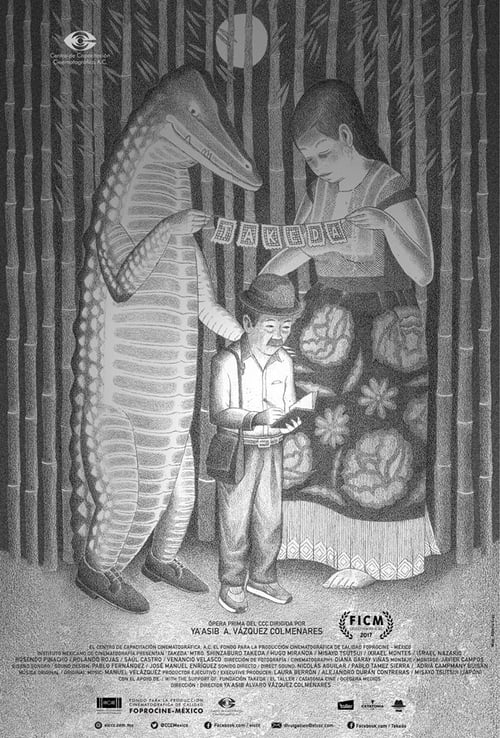
Takeda is a film about the universality of the human being seen thru the eyes of a Japanese painter that has adopted the Mexican culture.
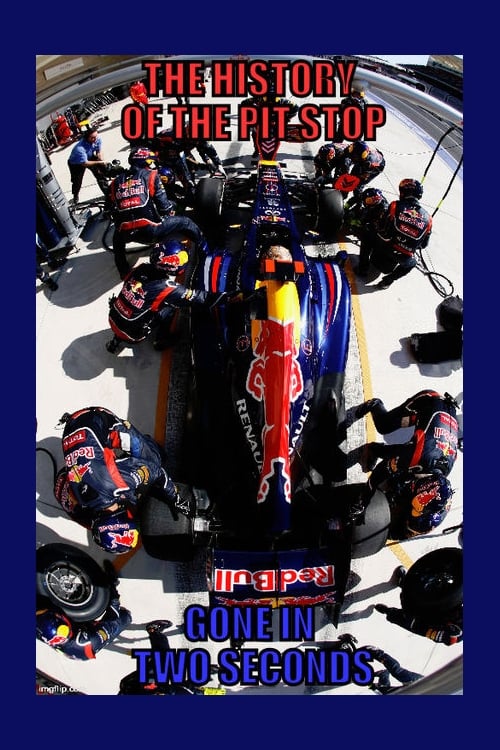
The mavericks who pioneered the modern pit stop made it a raceday staple that takes less than two seconds.
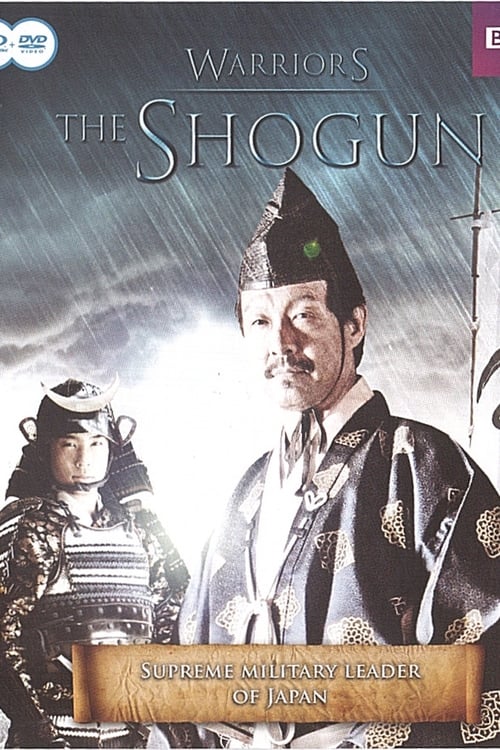
With cunning and courage the japanese warlord Tokugawa Ieyasu managed to unify Japan after 150 years of civil war.
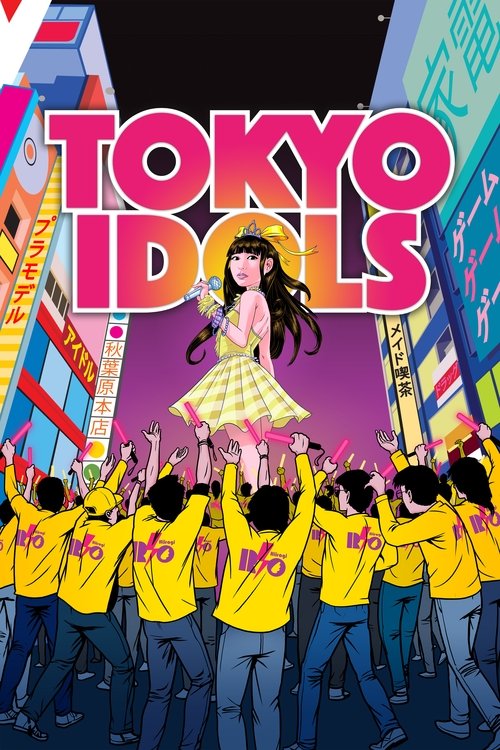
This exploration of Japan's fascination with girl bands and their music follows an aspiring pop singer and her fans, delving into the cultural obsession with young female sexuality and the growing disconnect between men and women in hypermodern societies.
Pulitzer Prize -- winning journalist John Hersey caused a sensation when he published "Hiroshima", the first account for American readers of the horror experienced by victims of the 1945 Hiroshima atomic bomb attack. "Hiroshima" stunned readers with its descriptions of the terrible aftermath of the bombing, yet Hersey never spoke about his experience in Hiroshima.
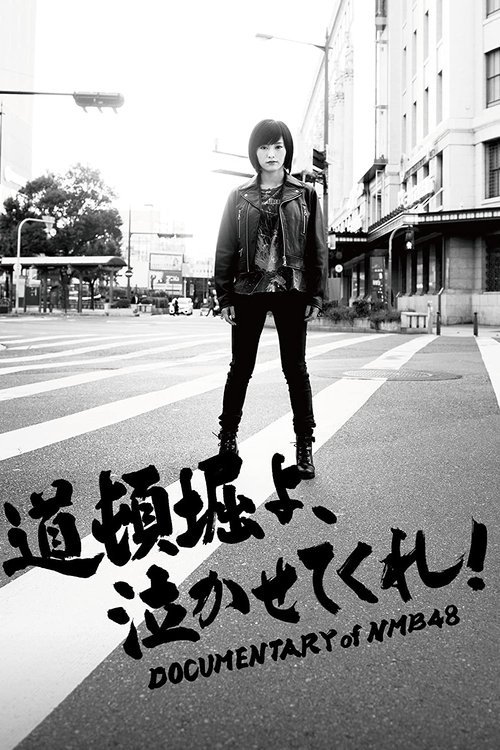
Launched in 2011 as a sister group to girl band behemoth AKB48, the Osaka-based NMB48 has become a musical force itself. With a string of No.1 hit singles and albums, not to mention sell-out performances, NMB48 continues Japan’s pop-music phenomena. Director Funahashi Atsushi, whose documentary work has previously chronicled such harrowing events as the Fukushima nuclear meltdown, pulls back the curtain on the life and struggles of the band members and the workings of the idol-making industry.