No Trailers found.
Self
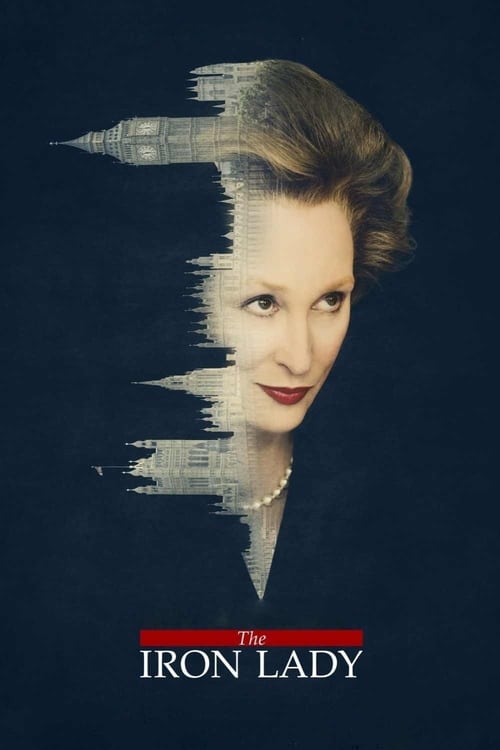
Nicknamed the "Iron Lady," Margaret Thatcher served as the prime minister of England from 1979 to 1990. The daughter of a local businessman, she was educated at the local grammar school. Her family operated a grocery store and they all lived in an apartment above the store. In her early years Thatcher was introduced to conservative politics by her father who was a member of the townʼs council.
This film sketches a very personal and decidedly political portrait of the Iron Lady who left the greatest mark on the UK, alongside Queen Elizabeth II. Archives and interviews are enriched by songs from this period that really help to understand the social atmosphere of that time.
Jean, a PE teacher, is forced to live a double life. When a new student arrives and threatens to expose her sexuality, Jean is pushed to extreme lengths to keep her job and her integrity.
A young Pakistani Briton manages a rundown laundrette with his lover while dealing with tension in his family, the local Pakistani community, and a persistent mob of skinheads.
A look at the life of Margaret Thatcher, the former Prime Minister of the United Kingdom, with a focus on the price she paid for power.
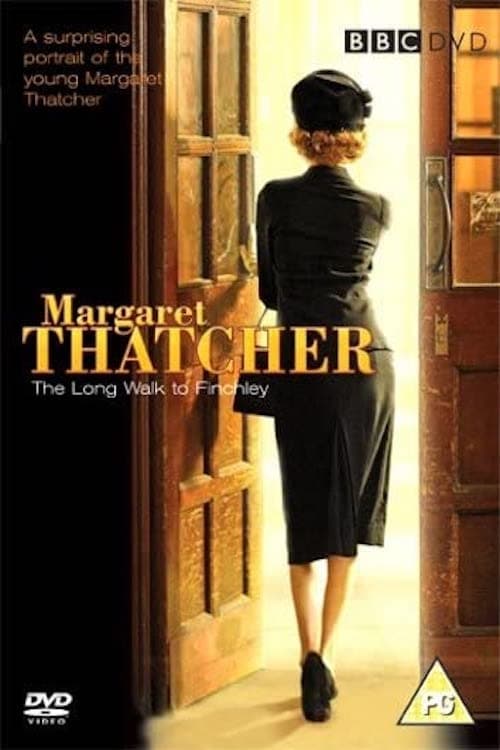
A light hearted look at future Prime Minister Margaret Thatcher's rise from research chemist in 1949 to becoming MP for Finchley in 1959, encompassing her early relationship and marriage to oil millionaire Denis Thatcher.
A young pair from Stuttgart fly to Shanghai to hop aboard the textile business of his father while she prepares for the birth of their son. A story about the ever more common movement of Germans into the East for professional gain.
The humorous portrait of a female artist. The film follows the career of 24-year-old Janine F. who in 2002 caused a commotion from the rooftop of a Berlin building.
In a contemporary reimagining of the American West, three young women - a snake hunter, a New York artist, and a rodeo queen - challenge the idea of who is permitted to be a cowgirl.
No overview available.
"La Gigue" (Gaumont #590) is part of the "Miss Lina Esbrard. Danseuse cosmopolite et serpentine" series of 4 films, and should not be confused with "Danse excentrique" (Gaumont #587), "Danse serpentine" (Gaumont #588, the only extant film in the series), or "Danse fantaisiste" (Gaumont #589).
Sun Araw and M. Geddes Gengras meet legendary dub reggae group The Congos in St. Catherine, Jamaica and create the full-length album, ICON GIVE THANK. In conjunction, RVNG released ICON EYE, a feature film documenting the young musicians’ time spent living and learning The Congos way. The visual companion to the musical fruit of GIVE THANK, ICON EYE, is a feature-length travelogue executively produced by Christine Vachon (Killer Films) and Randall Poster & Gelya Robb (Search Party Music).
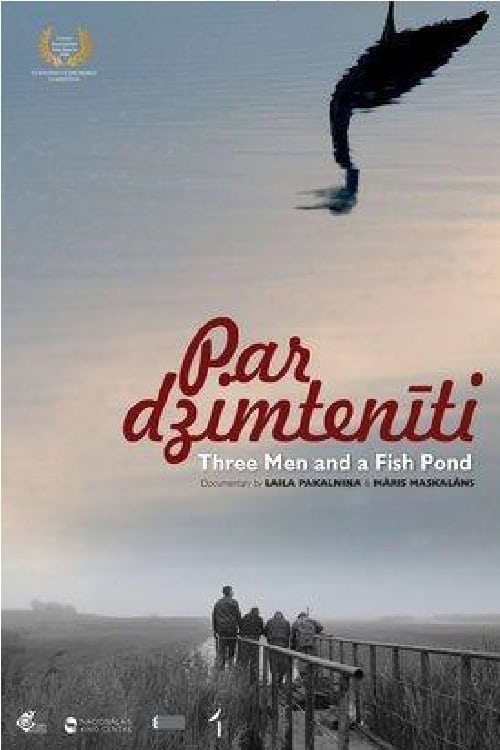
Three elderly country bachelors idle away their time amidst semi-wild nature, closer to birds and pond fish than to humans.
A story about life in two minutes.
Ceramics expert Lars Tharp, Antiques Roadshow resident and presenter of Treasures of Chinese Porcelain, has picked his six favourite pieces representing Chinese taste. He goes on a journey through a thousand years of Chinese history, travelling from the ancient capital of Huangzhou in the south to Beijing's Forbidden City in the north, to uncover what these six pieces tell us about Chinese emperors, scholars, workers, merchants and artists. To him, they are China in ceramic form. But can they help us to understand China today?
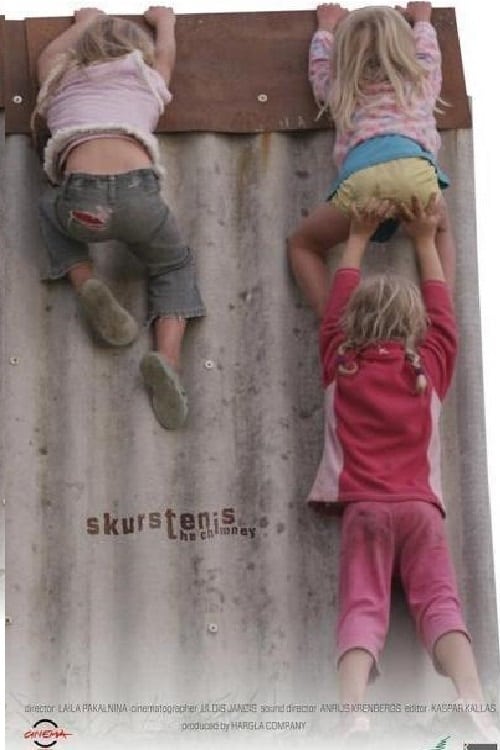
Once upon a time there was a chimney. By the chimney - there were three houses. In the houses there were seven girls. All of them - blondes.
A film about the daily life of Martin, a handicapped child who will always be dependent on his parents. Ever since he was very small, Martin has had to get around in a wheelchair and has needed the constant help of an adult. Martin’s parents, Inga and Andris Skesteri, tell about their life, about their son’s character and about their hopes for the future.
As World War II looms, Pope Pius XI calls on a humble American priest to help him challenge the evils of Nazism and anti-Semitism. But death intervenes, and Pope Pius XII now carries out a very different response to Hitler and the Holocaust.
An intimate portrait of the man, the composer, and his connection to the two rivers of his life: the Sông Hương (Perfume River) in his home city of Huế, and the Marne River near Paris, where he has been living for nearly four decades.