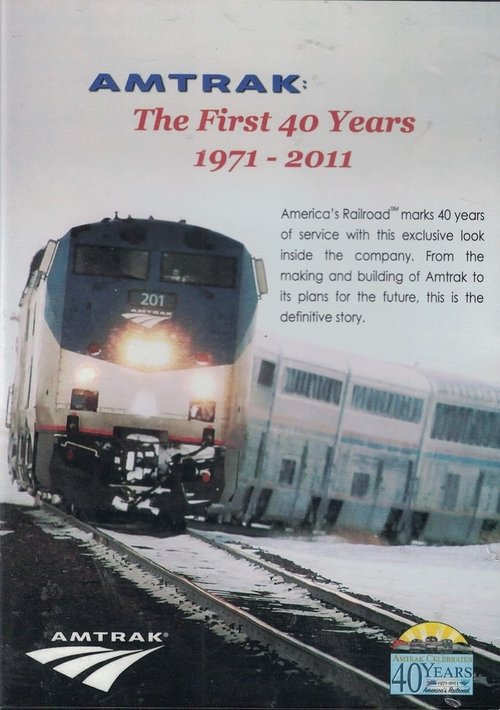
America's Railroad℠ marks 40 years of service with this exclusive look inside the company. From the making and building of Amtrak to its plans for the future, this is the definitive story.
Program Host
Trailer
No overview available.
A day in the city of Berlin, which experienced an industrial boom in the 1920s, and still provides an insight into the living and working conditions at that time. Germany had just recovered a little from the worst consequences of the First World War, the great economic crisis was still a few years away and Hitler was not yet an issue at the time.
Short news featurette produced by Pathe-RKO after the Russians launched the first orbiting satellite, Sputnik. It is a patriotic 'call to arms' from the threat posed by this and the need for Americans to spend more on education in general and a college education in particular. A visit to the University of Buffalo highlights its science programs and the need for more graduates from all technical disciplines if America is to rise to the challenge. It bemoans the fact the PhDs earn less than a mechanic and the need to re-order priorities.
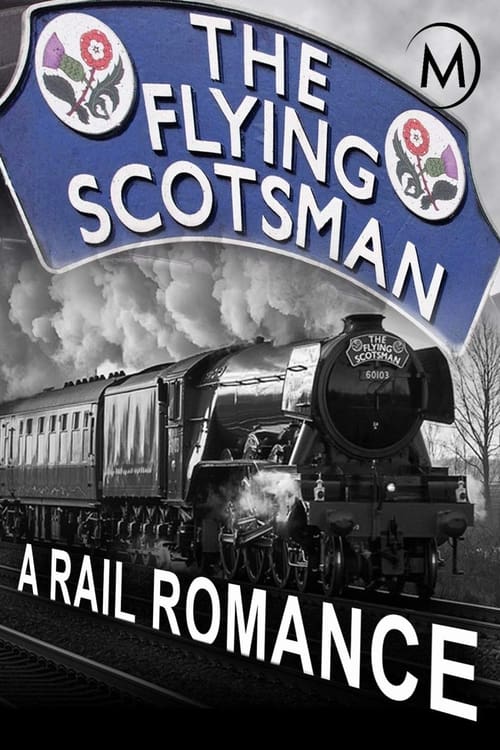
Built in 1923, the Flying Scotsman was the first steam locomotive to run at 100 miles an hour and to star in its own feature film. This is the untold story of the iconic Flying Scotsman-the very best in the engineering of its time.
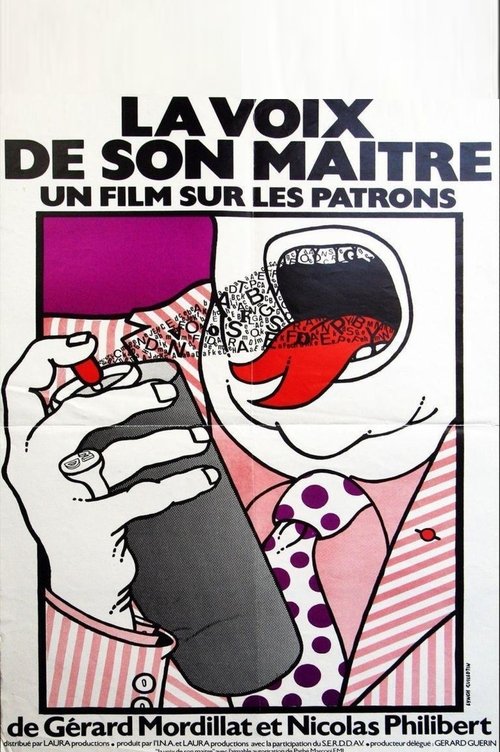
Jacques Lemonnier of IBM France, Francois Dalle of L'Oreal and other ultrapowerful French moguls are surprisingly candid -- and cold-blooded -- as they discuss their attitudes about business in this startling 1978 documentary. After sounding off about unions, strikes, hierarchy and management, the subjects realized how callous they sounded and managed to convince the French government to suppress the film.
Between one carriage and another, passengers tell their stories over a train journey.
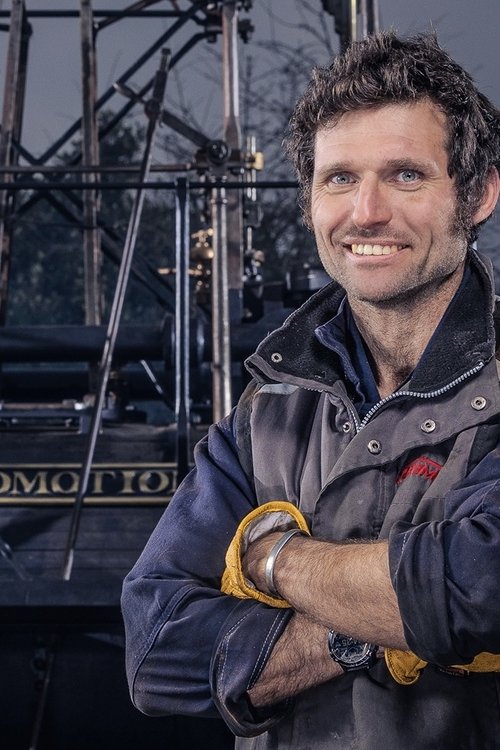
Celebrating 200 years of rail, Guy helps to rebuild, and learns to drive, the world’s most important train for a recreation of the journey that changed history: the Stockton to Darlington Railway
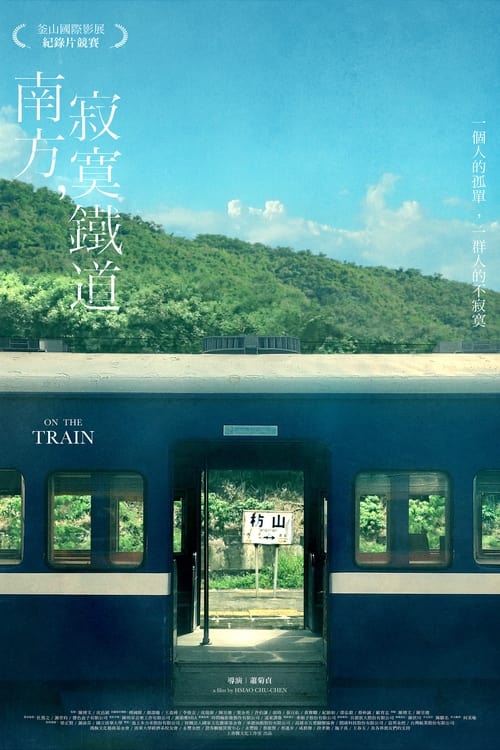
On the Train captures from the birth to the last moment of the railway, 98.2 kilometers long and opened in 1992, crossing southern Taiwan.
Canadian Pacific I is made up of a series of slowly dissolved shots done from the same framing over several months. The camera frames a window with a railway yard in the foreground, a bay in the space behind it, and misty mountains in the extreme distance. Trains occasionally pass by in the foreground. Huge ships move across the bay. Blue mists hover over the mountain heads.
This film takes a look at what expanding passenger rail service in America would look like, as well as asking passengers what they think about increasing rail investment. Would they use it? Would it be a waste of money? Why is building high speed rail in California so urgent?
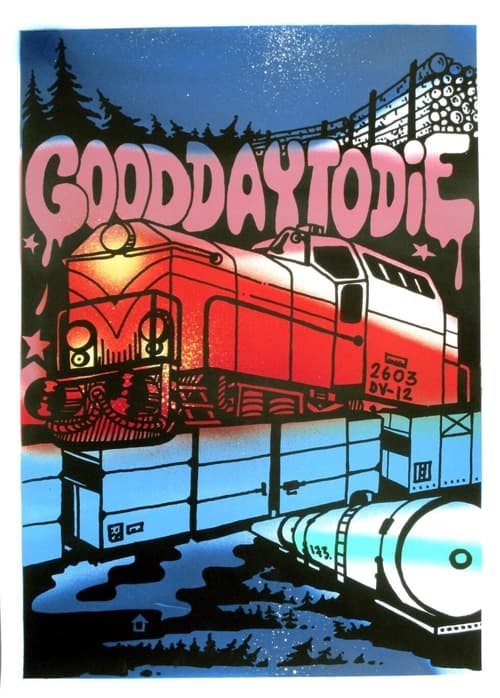
Several films have been made about the lives of train hobos, but Aleksi Pohjavirta's A Good Day to Die is probably the first Finnish documentary on the subject. The film follows Billy, who travels in a pump on freight trains. In the way of life, the feeling of freedom and letting yourself be carried away by chance are attractive and they make the train bomb strive for a windy ride again and again.
A short documentary about the construction of the parisian subway in the 50s.
A family embarks on an annual tormenting journey along with 130 million other peasant workers to reunite with their distant family, and to revive their love and dignity as China soars as the world's next super power.
Pentrex takes you back in time to the late 1950s and 1960s for a close-up look at the waning years of steam locomotives in operation on America's eastern railroads. On the Norfolk & Western-the last major bastion of steam power in the United States-you'll witness the class Js in passenger service near Cincinnati, Ohio and class K, A, and Y steamers in freight service near Columbus, Ohio, Portsmouth, Virginia, and Bluefield, West Virginia. The mighty class S-1 2-10-2s of the Baltimore & Ohio perform both switching and mainline duty near Willard, Ohio and the durable class T-3s roll along the B&O mainline to Chicago. We even see class EM-1 2-8-8-4 Yellowstones pulling coal drags near Grafton, Ohio. At Columbus, Ohio, on the Pennsylvania Railroad, a wide variety of locomotives are seen in action at the yards and roundhouse. Then we join the chase as a pair of class J-1s doublehead north from Columbus with a long coal drag in tow.
Union Pacific has always been on the cutting edge of locomotive technology. In the 1950s, it became the only railroad ever to place a fleet of gas turbine-electric locomotives into regular mainline service. Here is the whole turbine story, from rare footage of an early steam turbine experiment in 1938 to the first gas turbine demonstrator in 1948. UP put 55 production units into service, the largest rated at 8,500 horsepower each – the most powerful locomotives ever built! You'll see the demonstrators and all three production models (including the unique "Veranda" models) hauling tonnage on scenic mainlines, moving through yards, and being serviced in engine terminals alongside steam engines and classic F-units. Along the way you'll learn how turbine locomotives operate and will explore the differences and similarities between turbine-electric and diesel-electric units. The saga ends with an experimental coal-burning turbine locomotive built by Union Pacific itself in 1962.
The 28-minute presentation Bybanen i Bergen – minutt for minutt showed a trip on the Bergen Light Rail from Nesttun to Bergen, shortly after the opening of the line in June 2010.
Experience one of the most spectacular train journeys in Norway from the orchestra stand. Join us minute by minute from high mountain to fjord. The journey starts at Myrdal station on the Bergen Railway and winds from 866 meters above sea level down to Flåm by the Sognefjord.