No Cast found.
No Trailers found.
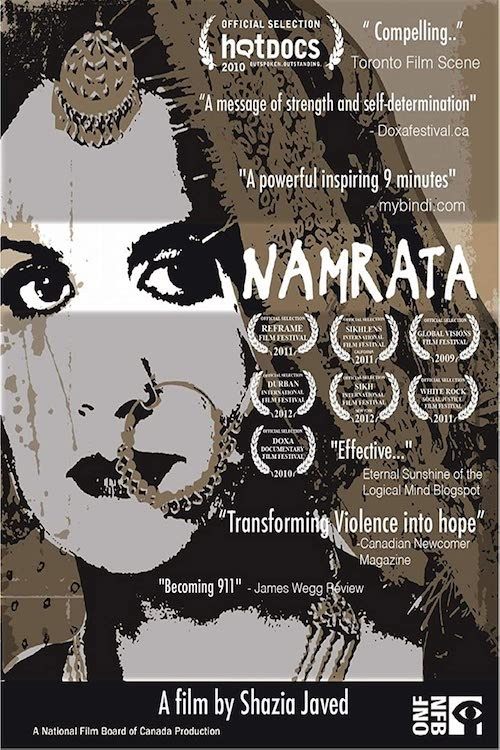
This short documentary tells the intensely personal story of Namrata Gill – one of the many real-life inspirations for Deepa Mehta’s Heaven on Earth – in her own words. After six years, Gill courageously leaves an abusive relationship and launches a surprising new career.
No overview available.
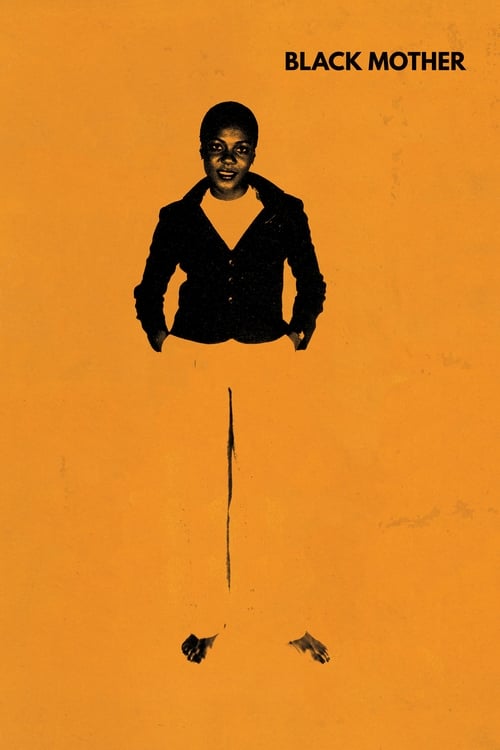
Part film, part baptism, in BLACK MOTHER director Khalik Allah brings us on a spiritual journey through Jamaica. Soaking up its bustling metropolises and tranquil countryside, Allah introduces us to a succession of vividly rendered souls who call this island home. Their candid testimonies create a polyphonic symphony, set against a visual prayer of indelible portraiture. Thoroughly immersed between the sacred and profane, BLACK MOTHER channels rebellion and reverence into a deeply personal ode informed by Jamaica’s turbulent history but existing in the urgent present.
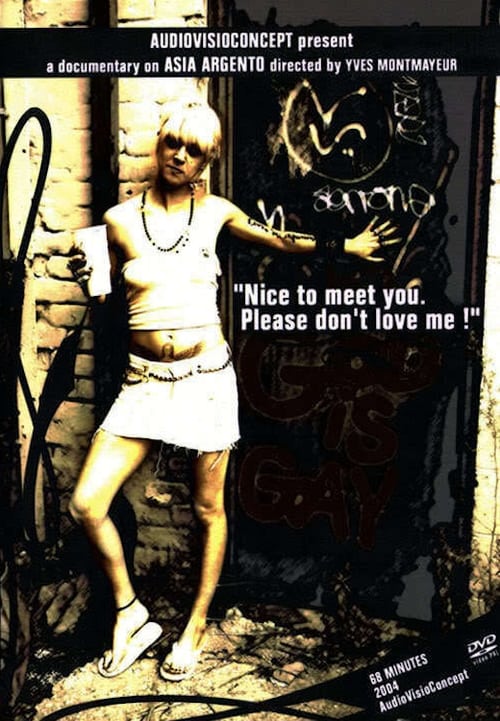
A documentary on Asia Argento, made during the making of "the Heart is Deceitful Above All Things." Cinema has always been a part of her life, so much so that she cannot separate her childhood souvenirs from her film career. With Abel Ferrara, Peter Fonda, Marilyn Manson, Rancid, John Robinson...
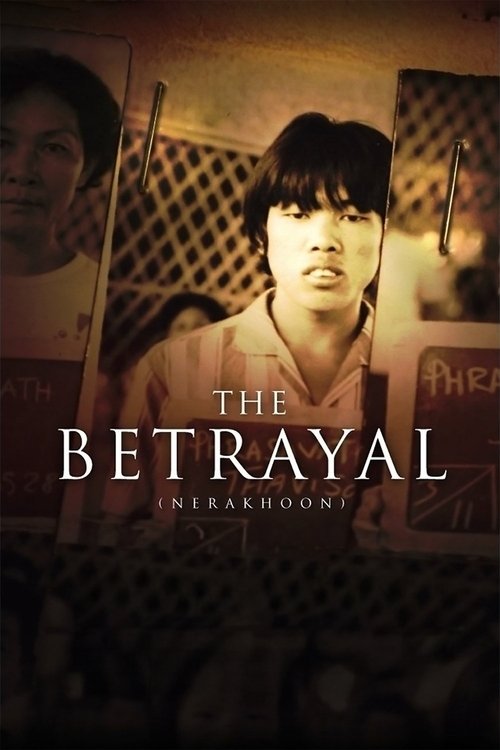
Co-directed by acclaimed cinematographer Ellen Kuras and subject Thavisouk Phrasavath, this haunting documentary chronicles a refugee family’s epic journey from Laos in the aftermath of the secret war waged by the United States there to New York, where they find themselves fighting a different kind of war on the streets of Brooklyn. Filmed over the course of 23 years, THE BETRAYAL is a visually and emotionally stunning look at the complex ways in which the political shapes the personal.
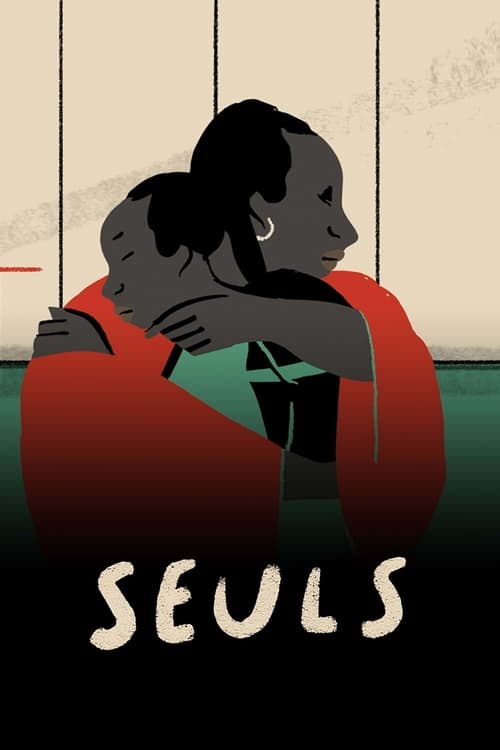
Fearing for their lives, Afshin, Alain and Patricia fled their country, without their parents, when they were only children. They had to start all over here in Canada in the hope of a better life. Combining real shooting and animated cinema, "Alone" bears the imprint of hope: how does a child manage to rebuild himself in a new country, when he has left everything behind?
Stop for Bud is Jørgen Leth's first film and the first in his long collaboration with Ole John. […] they wanted to "blow up cinematic conventions and invent cinematic language from scratch". The jazz pianist Bud Powell moves around Copenhagen -- through King's Garden, along the quay at Kalkbrænderihavnen, across a waste dump. […] Bud is alone, accompanied only by his music. […] Image and sound are two different things -- that's Leth's and John's principle. Dexter Gordon, the narrator, tells stories about Powell's famous left hand. In an obituary for Powell, dated 3 August 1966, Leth wrote: "He quite willingly, or better still, unresistingly, mechanically, let himself be directed. The film attempts to depict his strange duality about his surroundings. His touch on the keys was like he was burning his fingers -- that's what it looked like, and that's how it sounded. But outside his playing, and often right in the middle of it, too, he was simply gone, not there."
This film tells a story of ethnic Koreans from Russia and the post-Soviet territories making their new home in New York City. The history of the diaspora is told through conversations with Lidiya Kan’s mother, personal stories, fragmented memories, and her family photo archive. An important character of the film is Morkovcha, the Korean carrot salad, an invention of the Russian Korean diaspora; its essence is symbolic of their mixed identity.
Twenty-five films from twenty-five European countries by twenty-five European directors.
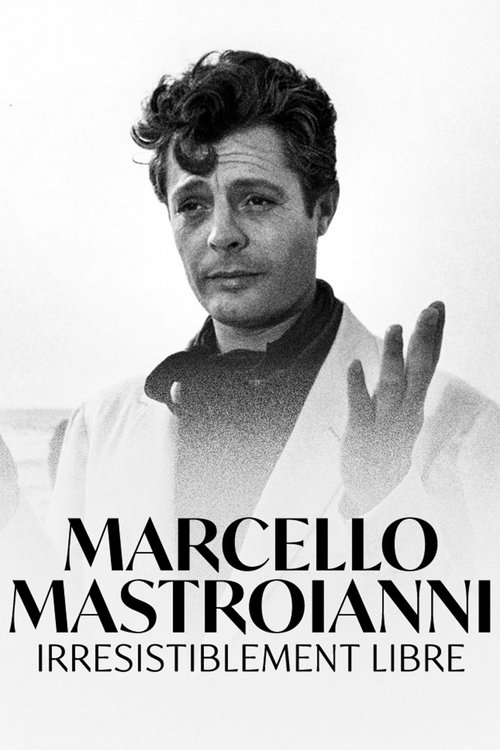
The 1960s opened with La Dolce Vita by Federico Fellini and its unforgettable lead: Marcello Mastroianni. The actor seemed to glide effortlessly through his roles — and through life — as if to say that life is not all that serious, or perhaps that it is far too serious not to be laughed at. But what kind of man was hiding behind the actor with the handsome, boyish looks, who appeared so gentle and nonchalant?
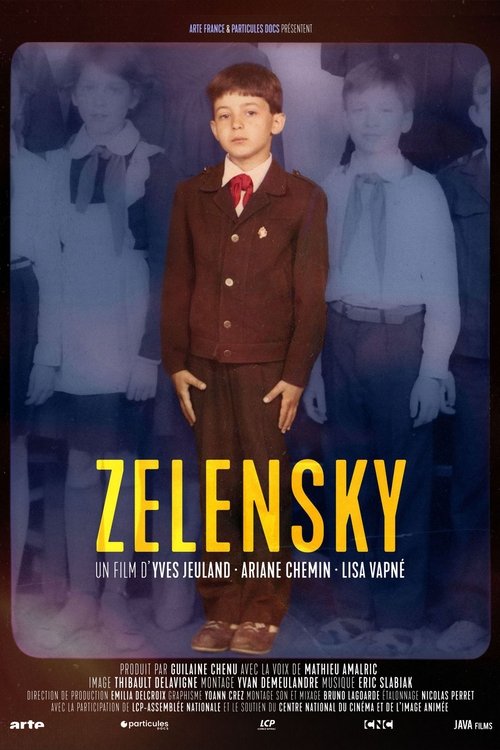
Ten years ago, Volodymyr Zelensky was just one of the many faces on Ukrainian television screens. He became a star thanks to the 2015 satirical series Servant of the People, in which he played a history teacher who becomes president. Four years later, what began as fiction became a reality. This French documentary follows the transformation of a popular TV comedian into a statesman on the front lines of the Russian invasion. Archival footage, family photos, television appearances, and interviews with Zelensky and those closest to him create a multi-layered portrait of a man who always longed for a large audience. At the same time, the film places his personal development in the broader context of post-Soviet Ukraine, which is also searching for its own identity.
After consolidating itself as a tourist destination in the mid-1960s, this small coastal village has become the dormitory town for the workers of a Nuclear Power Plant. With the liberal promise of prosperity and socioeconomic wellfare, many workers left their homes to move to the small city and started working at the new Nuclear Power Plant. The collective unrest and the silence, cut off by the great gusts of wind, articulate the landscape of the village that is now under the aid of the Nuclear Power Plant.
This short film traces the journey of the first Ukrainian settlers in Canada. Seeking freedom and opportunity, they came here and became instrumental in helping to open the Canadian West. Though they had little in the way of money or machinery, they had courage and faith in the future and were willing to put in the hard work. Every member of the family helped in the struggle, and in time, their efforts paid off.
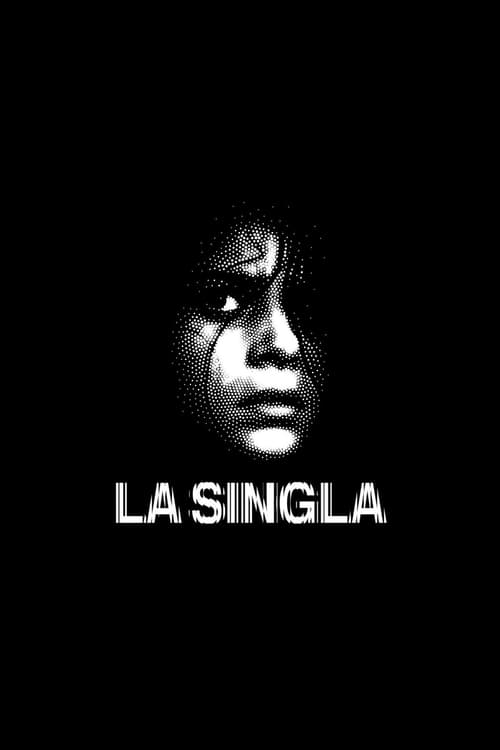
In the 1960s, a young Spanish flamenco dancer named Antonia Singla captivated audiences with her strikingly passionate performances. Having lost her hearing at a young age, La Singla rose to fame with her commanding presence through a combination of her powerful gaze and thunderous movement. However, just at the height of her fame, she seemingly disappeared and decades later has been all but forgotten. When a young woman in Seville comes across La Singla’s story, a bigger picture starts to be unveiled. Through research, interviews and captivating archival footage, she starts to piece together the legend of La Singla. Through the beauty of her performances and the heartbreak of her story, La Singla celebrates and preserves the legacy of one of the greatest Flamenco dancers of all time.
A Liberian refugee SAM REAYAH and his family have been separated for five years and live in uncertainty waiting for family reunion. While Sam and his younger daughter Ruth continue their lives in Buduburam Refugee camp in Ghana, his wife Decontee and his older daughter Joyce have already started a life in Rochester, USA. The film explores the idea of home. Sam's family had a home in Liberia, but they had to give it up. They were forced to build homes elsewhere. They built a home in Ghana. They build a home in The United States. They built homes together, they build homes separate of each other. But which home does the heart want?
Shere Hite’s 1976 bestselling book, The Hite Report, liberated the female orgasm by revealing the most private experiences of thousands of anonymous survey respondents. Her findings rocked the American establishment and presaged current conversations about gender, sexuality, and bodily autonomy. So how did Shere Hite disappear?
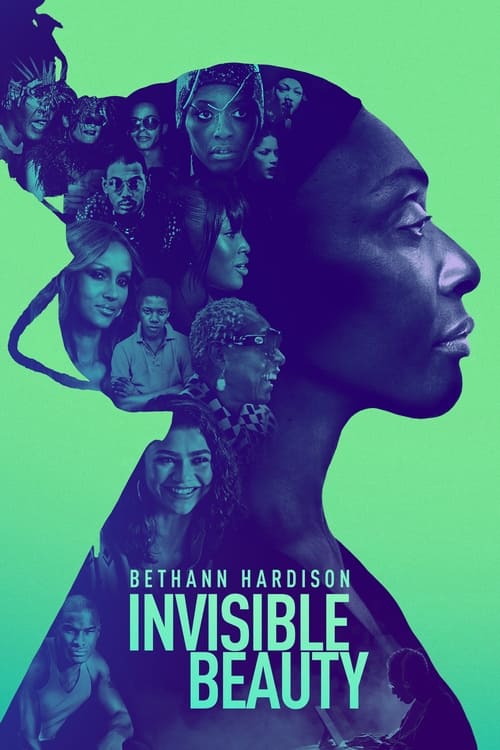
Fashion revolutionary Bethann Hardison looks back on her journey as a pioneering Black model, modeling agent, and activist, shining a light on an untold chapter in the fight for racial diversity.
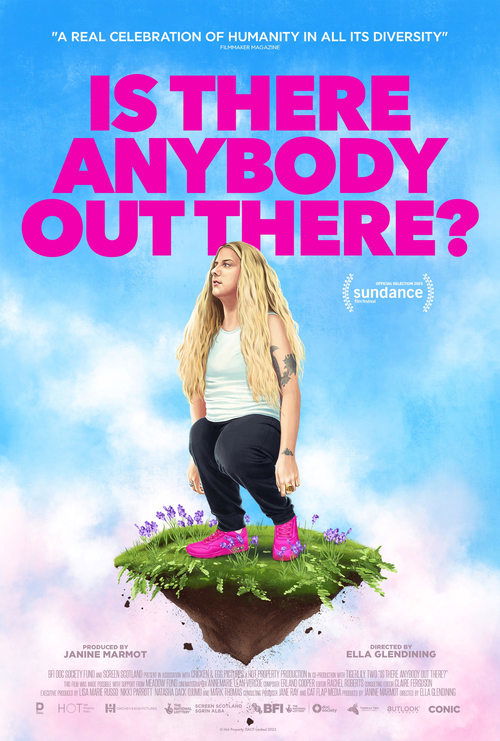
While navigating daily discrimination, a filmmaker who inhabits and loves her unusual body searches the world for another person like her, and explores what it takes to love oneself fiercely despite the pervasiveness of ableism.
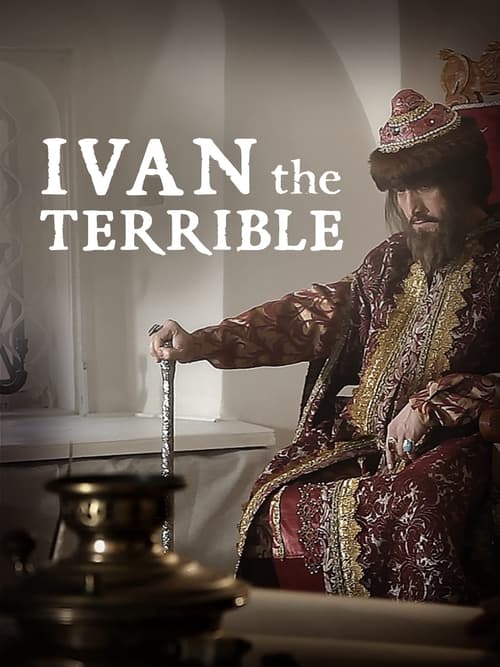
Ivan, first tsar of Russia. History will remember him as "the Terrible. Russian people love him for centuries. He liberates Russia from foreign oppressors, demands absolute obedience and loyalty in order to radically modernise Russia? Ivan IV, Grand Duke of Moscow, first Tsar of Russia by the grace of God. A madman? A sadist?
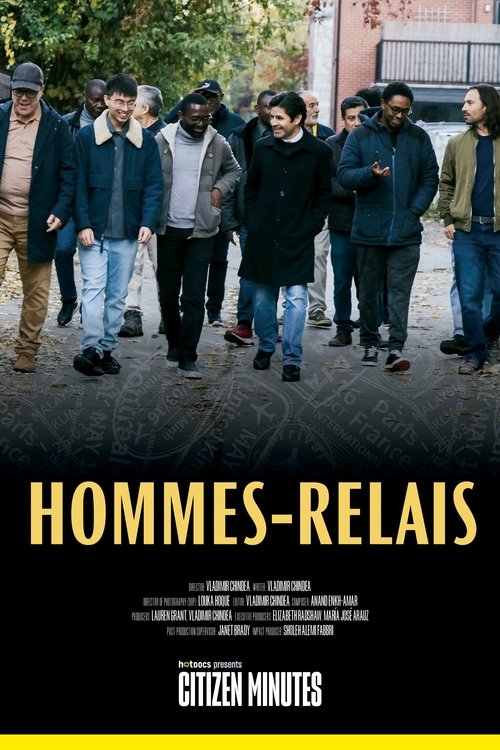
HOMME-RELAIS spotlights Juan Manuel, a doctor turned community leader who, amid migration grief and integration challenges, guides immigrant men through a life-changing program: forging resilience, belonging, solidarity, and hope.




![Morkovcha [Korean Carrot Salad]](https://image.tmdb.org/t/p/w500/zB8wUIPEjzkOxuZcSVx1q5hcAvz.jpg)