KNME presents Jim Morley as the storyteller in Way Out There. This program is a story of the changing face of the American West videotaped around Magdalena and west-central New Mexico.
No Trailers found.
The Storyteller
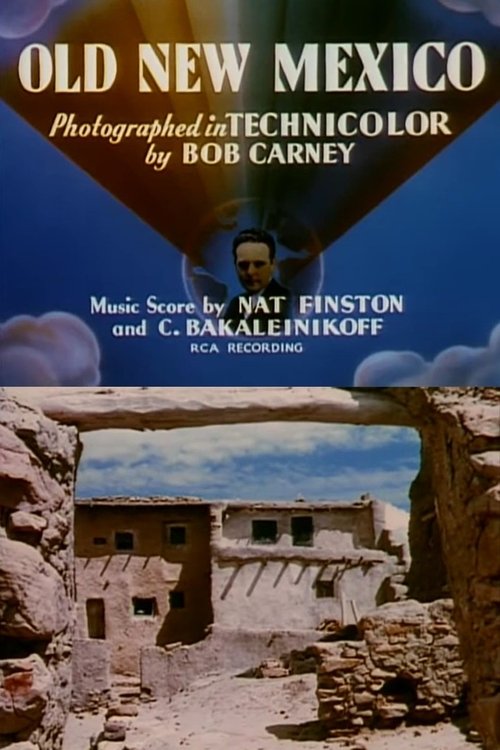
This Traveltalk series short takes viewers on a tour of old New Mexico. Starting in Santa Fe, the oldest state capitol in the USA, the city existed long before European migration. It's unique architecture is its most prominent feature. There are several archaeological sites trying to date when Indians first settled in the area. Seven percent of the population are of Indian origin. Near Taos is the onetime home of Kit Carson whose grave is one of the sacred shrines of New Mexico. The Navajo live on their 14 million acre reservation and continue their traditional way of life.
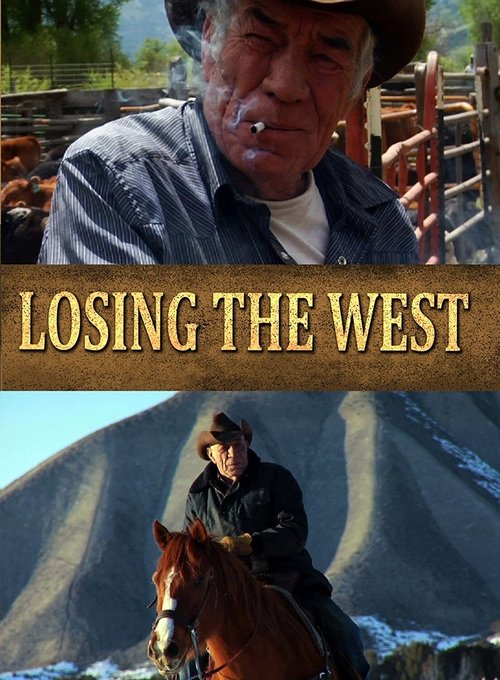
"Losing The West" is a documentary film that promotes small ranching and farming, as told through the eyes of a 70-year-old Native American cowboy. The film was shot primarily in Colorado. The director was born in Denver and owns a small ranch near Ridgway, Colorado.
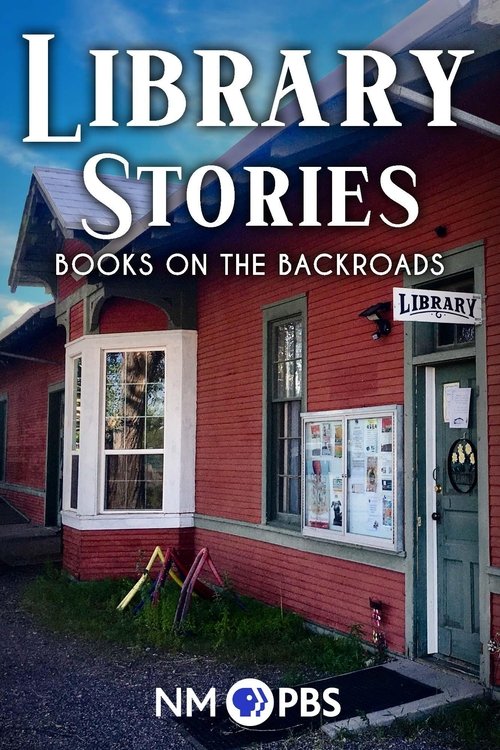
Library Stories: Books on the Backroads is a film about New Mexico's rural libraries. It’s about villages and Pueblo communities, their histories and their people, where their libraries are, and what their libraries mean. Rural people across our country know their libraries are essential to the educational and social fabric of their communities.
The first Black-collegiate polo team at Morehouse College chases national USPA certification, training a rag-tag team of charismatic cowboys who’ve never played the sport into tournament-winning polo stars.
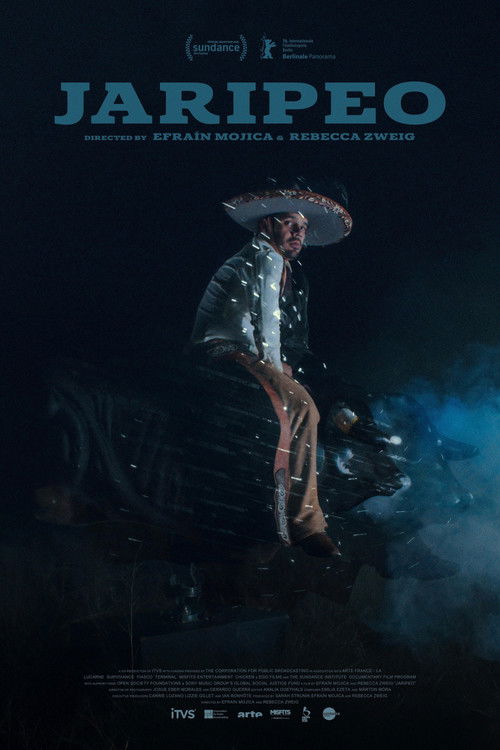
Set against the vibrant spectacle of the jaripeo, a symbol of Mexican cowboy tradition and machismo, this story unveils a hidden world of queer desire and quiet rebellion. As glances and gestures disrupt the rigid norms of masculinity, the rodeo becomes a stage for our protagonists to navigate identity, community, and the search for belonging in an oppressively traditional space.
Yellowtail is the story of a young Native American cowboy searching for meaning as his chaotic lifestyle begins to wear on him both physically and mentally. To find his purpose the young man has to reflect on his upbringing as a native to become the spiritually connect man he was meant to be.
And Those Who Dance it Surrender Their Hearts to Each Other is a portrait of Lone Piñon, a Northern New Mexican string band celebrating their region’s cultural roots. With fiddles, upright bass, accordions, vihuela, mandolin, guitars, jarana huasteca, and vocals in Spanish, English, Nahuatl and P’urepecha, they play a wide spectrum of the traditional music that is at home in New Mexico. The musicians have learned from elder musicians (such as Antonia Apodaca) who instilled in them a respect for continuity of the community based social and dance music. Noah Martinez, Jordan Wax, Leticia Gonzales and Greg Glassman have brought the language of New Mexico traditional music and related regional traditions back onto the modern stage, back onto dance floors, and back into the ears of a young generation.
Ten years in the life of young cowboy Crowley as he comes of age in the vastness of Colorado. On his rocky path, he endures loss, separation, and shattered dreams.
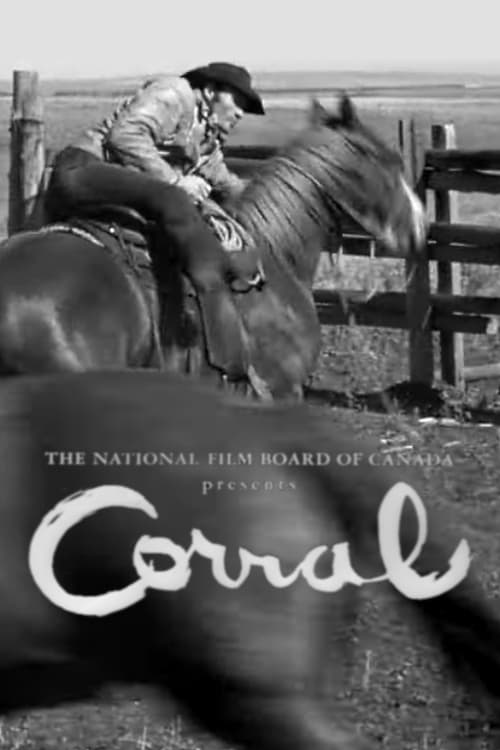
Corral is a 1954 National Film Board of Canada documentary by Colin Low, partly shot in the Cochrane Ranch in what is now Cochrane, Alberta. In the film, a cowboy rounds up wild horses, lassoing one of the high-spirited animals in the corral, then going on a ride across the Rocky Mountain Foothills of Alberta.
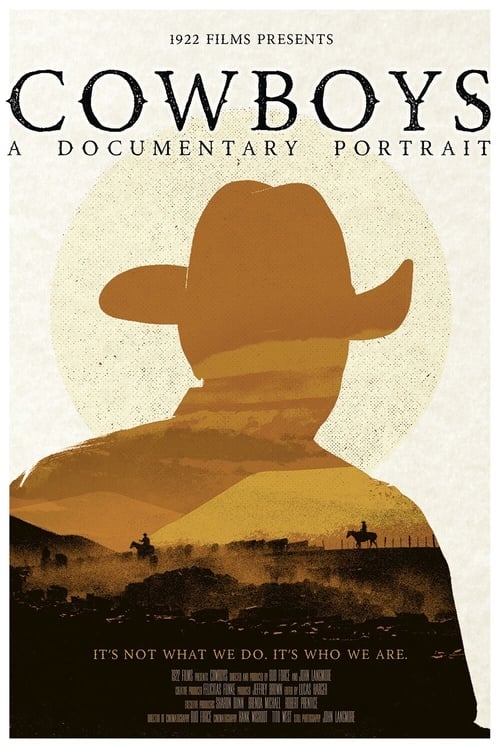
Told in the cinematic tradition of classic westerns, “COWBOYS - A Documentary Portrait” is a feature-length film that gives viewers the opportunity to ride alongside modern working cowboys on some of America's largest and most remote cattle ranches. The movie documents the lives of the men and women working on these "big outfit" ranches - some of which are over one million acres - and still require full crews of horseback mounted workers to tend large herds of cattle. Narrated through first-hand accounts from the cowboys themselves, the story is steeped in authenticity and explores the rewards and hardships of a celebrated but misunderstood way of life, including the challenges that lie ahead for the cowboys critical to providing the world's supply of beef. “COWBOYS” was filmed on eight of the nation’s largest cattle ranches across ten states in the American West.
William Hart McNichols is a world renowned artist, heralded by Time magazine as "among the most famous creators of Christian iconic images in the world". As a young Catholic priest from 1983-1990 he was immersed in a life-altering journey working as a chaplain at St. Vincent's AIDS hospice in New York city. It was during this time that he became an early pioneer for LGBT rights within the Catholic church. "The Boy Who Found Gold" is a cinematic journey into the art and spirit of William Hart McNichols. The film follows his colorful life as he crosses paths with presidents, popes, martyrs, and parishioners, finding an insightful lesson with each encounter. McNichols' message as a priest, artist and man speaks to the most powerful element of the human spirit: Mercy.
Stanley Kubrick’s short documentary about Father Fred Stadtmueller, a Catholic priest serving a vast 4,000-square-mile parish in rural New Mexico. To reach his scattered congregation, he pilots his own Piper Cub aircraft, the Spirit of St. Joseph. Over two days, Kubrick follows the “flying padre” as he conducts Mass, mediates between quarreling children, attends a funeral, and airlifts a sick child to medical care—capturing both the challenges and quiet heroism of his daily mission.
RODEO ROAD explores the unique cowboy culture of Australia's remote north west in the pursuit of the rodeo dream - eight seconds of bull riding glory. Each year cowboys from across the Kimberley load up their saddles, chaps and wranglers and go rough-riding. Some are born and bred in the saddle, while others are young ringers from over east who come to muster through the dry season. Come rodeo time they are chasing the dream, gripped by the rodeo fever of the wild north west.
American cowboys have been writing poetry for over a century. This little-known literary tradition both belies the macho image of the Western heroes and serves as an imaginative form of oral history. Cowboy Poets travels to the big sky country of Nevada, Montana, and Arizona to explore the tradition and to introduce three working cowboys, and the poetry they write about the lifestyle and land they love: Waddie Mitchell, Slim Kite, and Wally McRae.
Since 1985, poets, songwriters and musicians have gathered at the Cowboy Poetry Gathering in Nevada.
While filming professional bullriders for a commercial at the national rodeo in Houston, Texas, Spike Jonze befriended two suburban teenagers who aspired to be cowboys. The documentary chronicles an afternoon in their lives.
Chaco Canyon, located in northwest New Mexico, is perhaps the only site in the world constructed in an elaborate pattern that mirrors the yearly cycle of the sun and the 19-year cycle of the moon. How did an ancient civilization, with no known written language, arrange its buildings into a virtual celestial calendar, spanning an area roughly the size of Ireland?
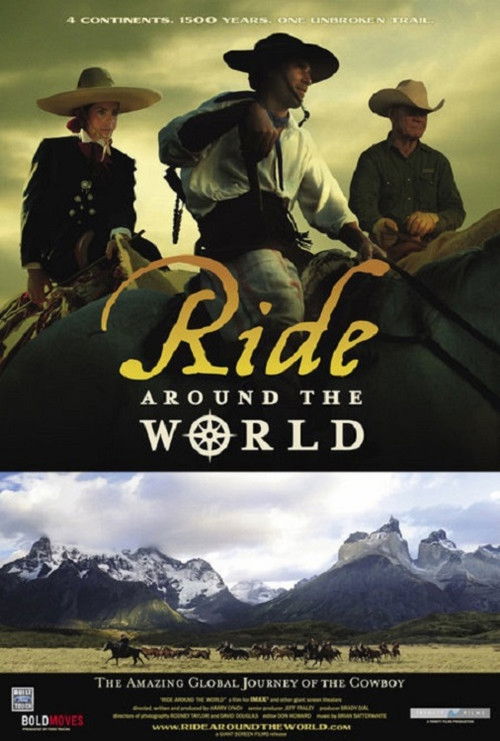
Journey across Morocco, Spain, Mexico, Argentina, Patagonia, Texas and British Columbia, to meet vaqueros, gauchos, baqueanos and cowboys - all part of a single global horse culture, an unbroken trail stretching back 1,500 years.
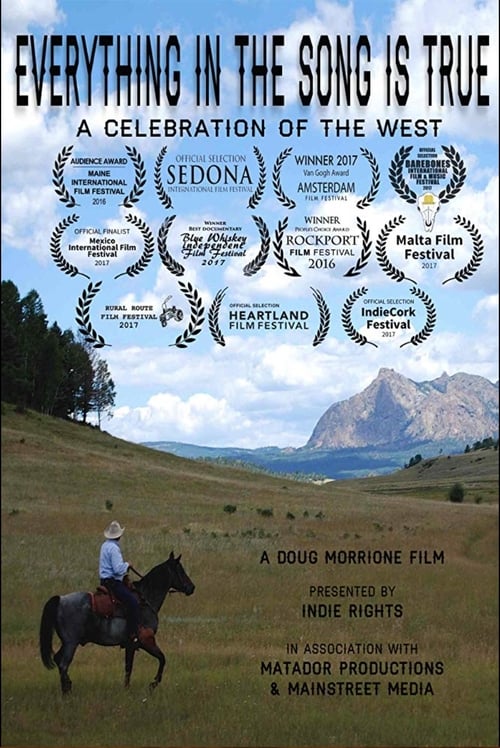
A feature length documentary film about four iconic characters who define the American West. Gary McMahan is a renowned cowboy singer and poet and champion yodeler. Brice Chapman is one of the world's most talented trick ropers and horse trainers. Yvonne Hollenbeck is a fourth generation rancher and award-winning poet and quilter. Jeff Nourse is a rancher, singer-songwriter and iron sculptor.
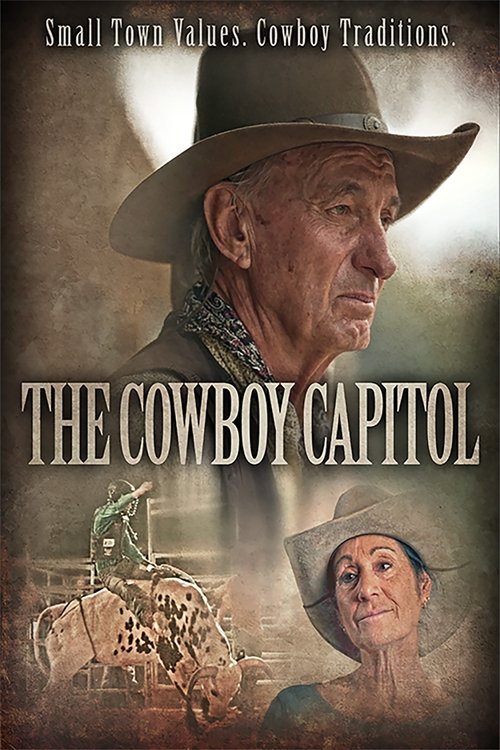
Bandera, Texas (THE COWBOY CAPITAL OF THE WORLD) is a captivating documentary that explores the vibrant history, unique culture, and enduring values of the small town of Bandera, Texas.