No Trailers found.
No Cast found.
No overview available.
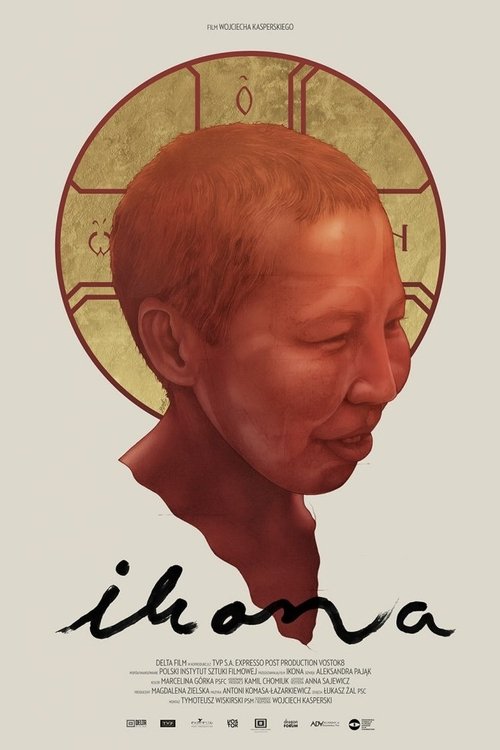
“Where is the human soul? Is it in the heart? In the brain? Or maybe elsewhere?”, wonders an old doctor who has spent his life working at a psychiatric hospital in the Siberian countryside. The place, which was inaccessible for film crews, can be shown thanks to its residents, some of whom spent several decades at the hospital. This discreet and, at the same time, insightful observation of the patients’ daily lives transforms into meditation on the human nature, which is not entirely penetrable.
An unusual friendship in an agitated political context.
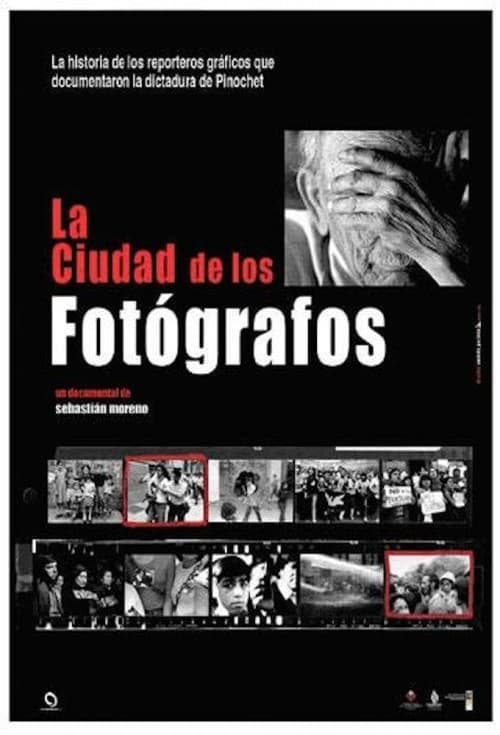
A film about the fearless photographers and photojournalists who documented strikes, demonstrations, protests etc during the Chilean military regime of Augusto Pinochet, sometimes risking their very lives.
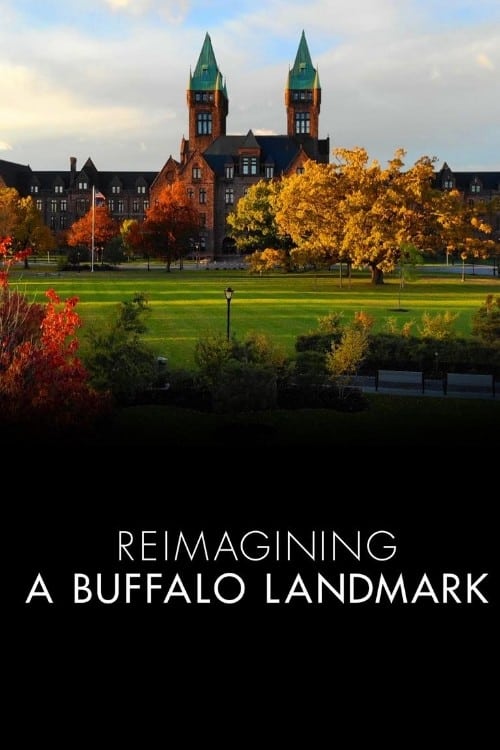
The Richardson Olmsted Campus, a former psychiatric center and National Historic Landmark, is seeing new life as it undergoes restoration and adaptation to a modern use.
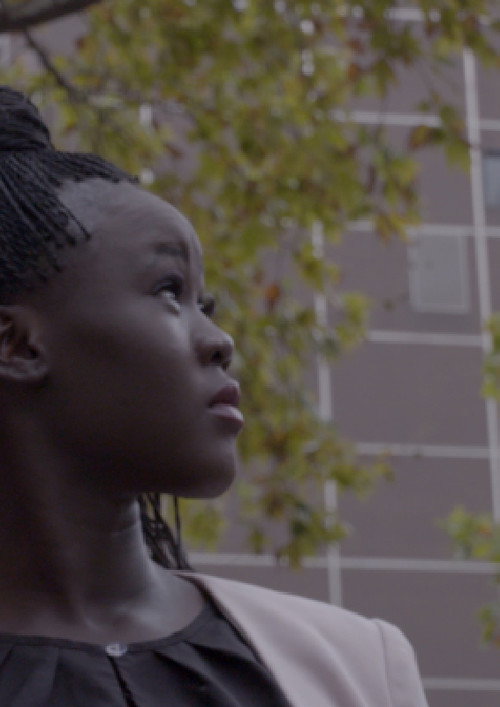
Debrah John and Ayor Makur are championing and advocating for change in regards to the practice of child marriage that is taking place in South Sudan.
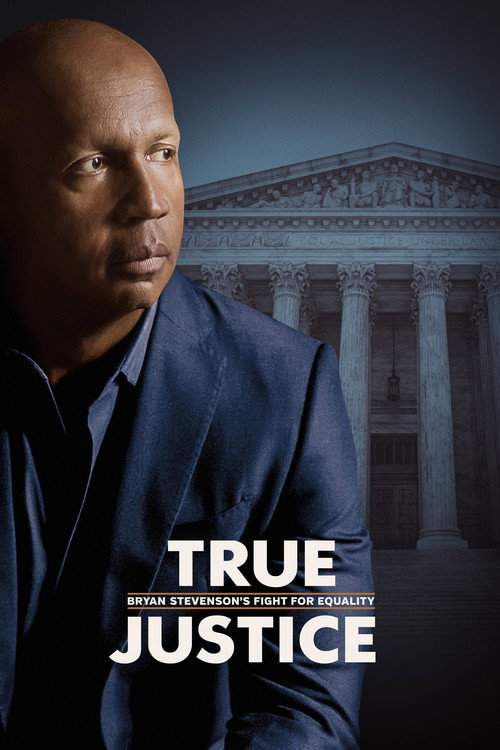
An intimate portrait of Alabama public interest attorney Bryan Stevenson, founder and executive director of the Equal Justice Initiative, who for more than three decades has advocated on behalf of the poor, the incarcerated and the condemned, seeking to eradicate racial discrimination in the criminal justice system.
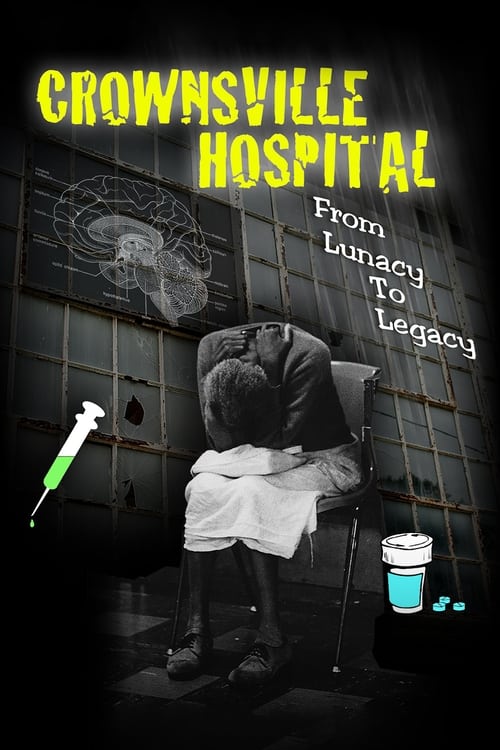
Crownsville Hospital: From Lunacy to Legacy is a feature-length documentary film highlighting the history of the Crownsville State Mental Hospital in Crownsville, MD.
Can you be accused of being close to ‘ndrangheta families if you have pursued a career in the name of legality? The case of Ambrogio Crespi is much more than a judicial case; it is the answer to these unthinkable questions. It is the paradox that becomes reality. Accused of external complicity in mafia association, he is arrested and tried for having provided votes from mafia circles to a councilor Lombardo… never seen, never known. Although it seemed clear even to the insiders that Ambrogio Crespi was not involved in the charges, the first degree ends with an incredible sentence of 12 years, double the request of the same PM. A sentence that, like a guillotine, weighs on the life of Ambrogio and his entire family.
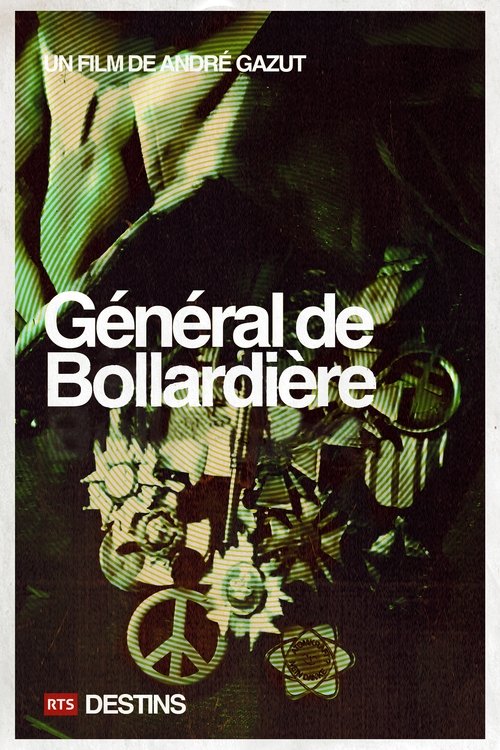
The exceptional portrait of a pacifist general, the only senior officer to have spoken out against torture. This precious testimony still remains censored in France, since no national channel has to date decided to program this documentary. Son and brother of a soldier, General Pâris de Bollardière was destined for a career in arms. He was, for many years, one of the most brilliant representatives of this adventurer career in France, from Narvik to the Algerian War. After fighting in the French maquis, he reached Indochina, where he suddenly found himself in the aggressor's camps. His beliefs are strongly shaken. But it is in Algeria, where the French army practices torture and summary executions, that he takes the big turn. He expresses his contempt to Massu, and is relieved of his command. Until his death in 1986, Jacques de Bollardière fought for world peace, from the Larzac plateaus to the Mururoa atolls.
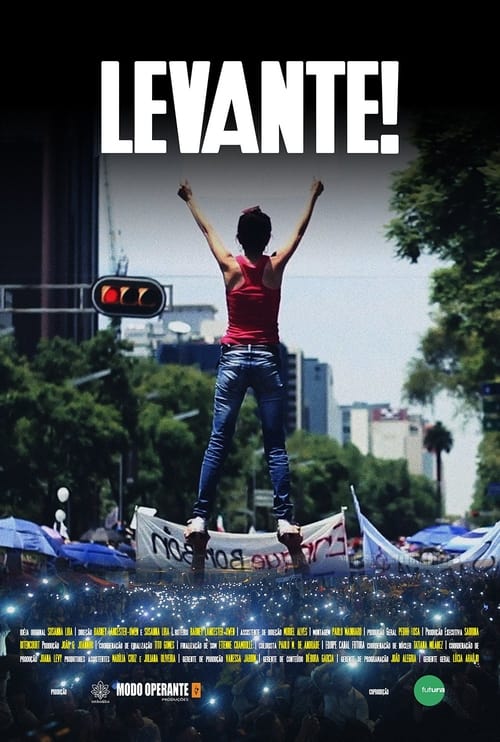
"Levante" won Canal Futura's annual documentary competition in 2014 and was filmed in Brazil, Mexico, Japan, Gaza and Hong Kong. It first aired at 22pm on the 25th June on Canal Futura. The film is about inspiring people around the world who use technology to speak out against injustice such as Filipe Peçanha from Midia Ninja who used the Japanese Twitcasting app to broadcast the Brazilian protests of 2013 from his smartphone, Noor Harazeen from Palestine who created the first English-speaking youtube news channel in Gaza, and Howard Kong from the Apple Daily newspaper in Hong Kong who used a drone to film the conflicts between police and protesters in 2014.
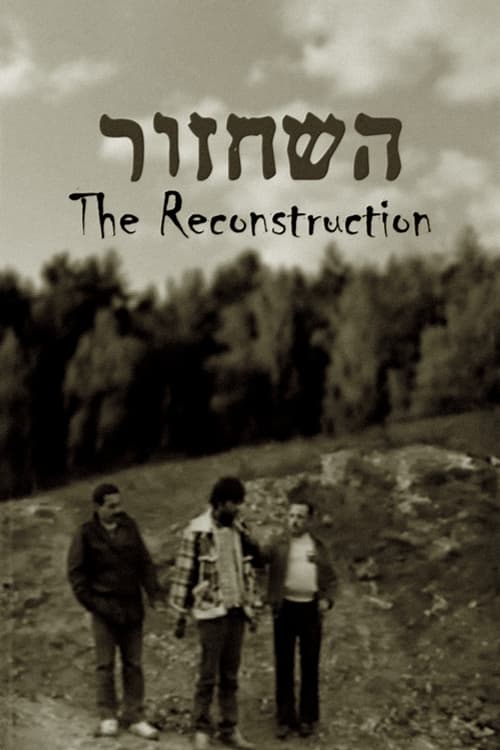
On December 8, 1983 a fifteen year old Jewish boy from the city of Haifa was kidnapped, murdered and sexually abused after his death. Five Arabs who worked in in the neighborhood’s supermarket were convicted and imprisoned for life and 27 years. The conviction was based only on the defendants’ confessions and reconstructions. Seventeen years after their conviction, the five defendants still claim they are innocent. "The Reconstruction" follows the police investigation and juridical process step by step. The heart of the film is the original videotaped reconstructions of the murder performed by the defendants in which they admit their guilt.
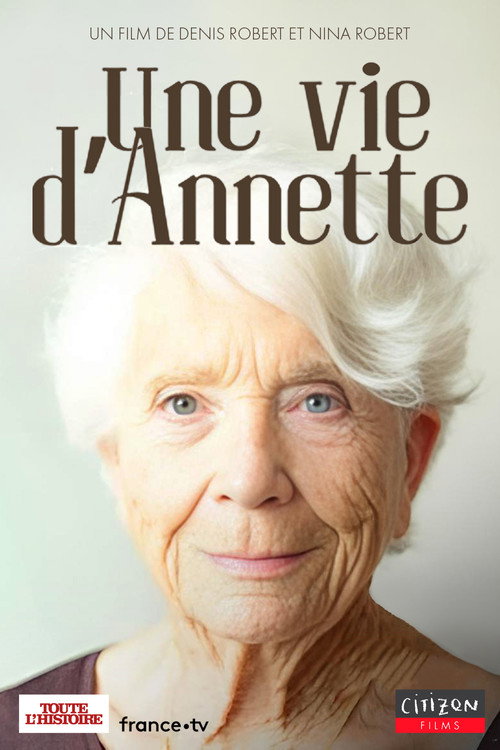
At just 19 years old, in 1942, Anne Beaumanoir had already experienced so much: involved in the clandestine communist youth movement, she had begun medical studies, secretly distributed parcels, saved Jewish children, changed her identity, lost her first love, and narrowly escaped death several times. Twelve years later, as a courier for the FLN (National Liberation Front), she was sentenced by France to 10 years in prison for terrorism, but fled to Algeria where she became the principal advisor to the Minister of Health under Ben Bella. Until the military coup, she went to Switzerland where she would head the neurophysiology and epileptology division of the Geneva University Hospital for 26 years. Through the eyes of Annette, witnesses, and rediscovered friends, this film recounts Algeria, France and its litany of buried tragedies, racism, and the fight for freedom and independence. Annette ultimately instills in us a necessary and difficult-to-define virtue: courage.
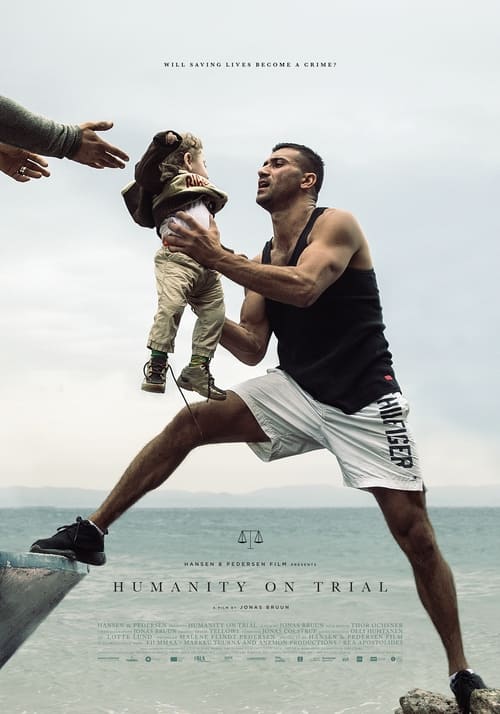
Humanity on Trial follows humanitarian Salam Aldeen as he is accused of human smuggling by the Hellenic Coast Guard.
This film deals with the administration of justice on the local level in Canada, as seen in the activities of Roderick Haig-Brown, fisherman, writer and magistrate in rural British Columbia. A portrayal of a few of the typical cases on his roster indicates the variety of criminal offences which come under the jurisdiction of a country magistrate's court. In showing the discharge of his responsibilities the film reveals the magistrate's important position in the community, the constant demands on his time, and the integrity of judgment required to uphold the law on the one hand and to act in executive restraint of police powers on the other. Based on parts of the book Measure of the Year by Roderick Haig-Brown.
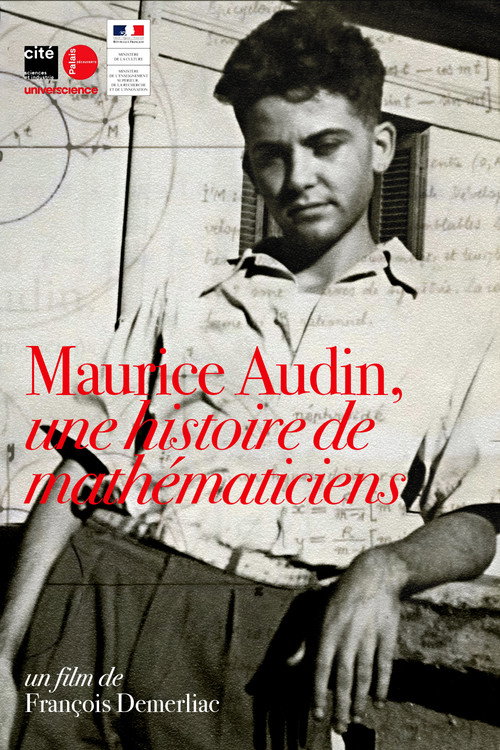
On September 13, 2018, President Emmanuel Macron visited Josette Audin at her home in Bagnolet to ask for her forgiveness, presenting her with a declaration acknowledging that her husband had died under torture at the hands of a "legally established system" implemented by the former French colonial power in Algeria. This acknowledgment, however belated, is a victory for Josette Audin and her family, but above all, it is a victory for human rights, achieved together by mathematicians and historians. This film retraces this shared commitment against torture and state abuses, first within the Audin Committee and then within the Committee of Mathematicians, which also intervened to support other mathematicians imprisoned and sometimes tortured around the world.