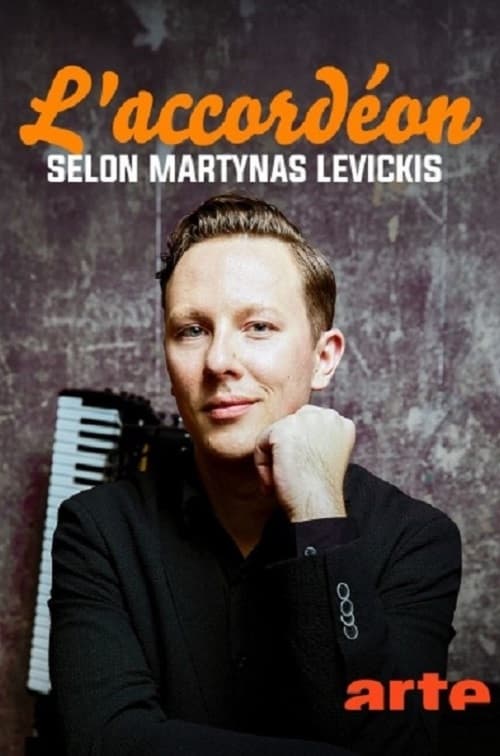
For him, the accordion is like a box in which you can get an entire orchestra in order to always have it on your own. Dynamic portrait of the gifted and charismatic accordionist Martynas Levickis.
No Trailers found.
Self
A profile of mezzo-soprano Anne Sofie von Otter.
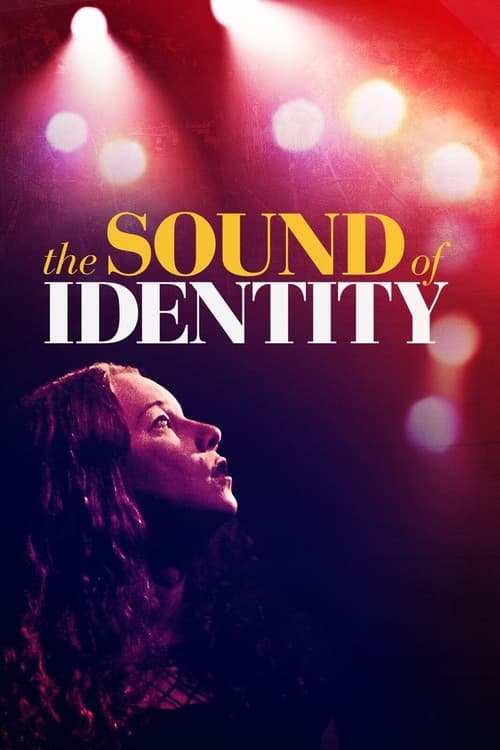
In the spotlight of global media coverage, the first transgender woman ever to perform as Don Giovanni in a professional opera, makes her historic debut in one of the reddest states in the U.S.
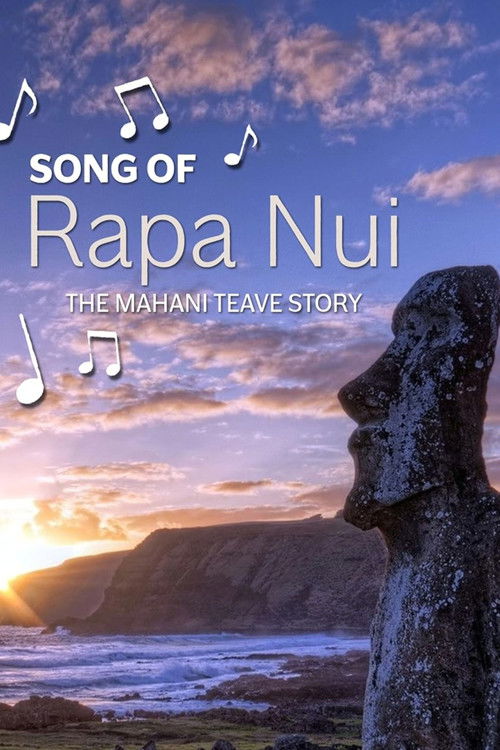
This feature length documentary tells the story of Mahani Teave who grew up on Rapa Nui (Easter Island) and left at age 9 to pursue her dream of being classical pianist-a journey that takes her from mainland Chile to The Cleveland Music Institute to Berlin and the great concert halls of Europe. At the age of 30, on the brink of international success, Teave gives up her career to pursue a new dream, coming back full circle to Rapa Nui to found a free music school for the island's children. The resulting school-named Toki, after the basalt tool once used to shape Easter Island's iconic sculptures-is a model of sustainability, incorporating tons of tires, bottles and Pacific Ocean plastic; surrounded by agri-environmental gardens to grow food. With Toki, Mahani hopes to shape a bold new future for Rapa Nui and inspire hope and change on Earth, our island home.
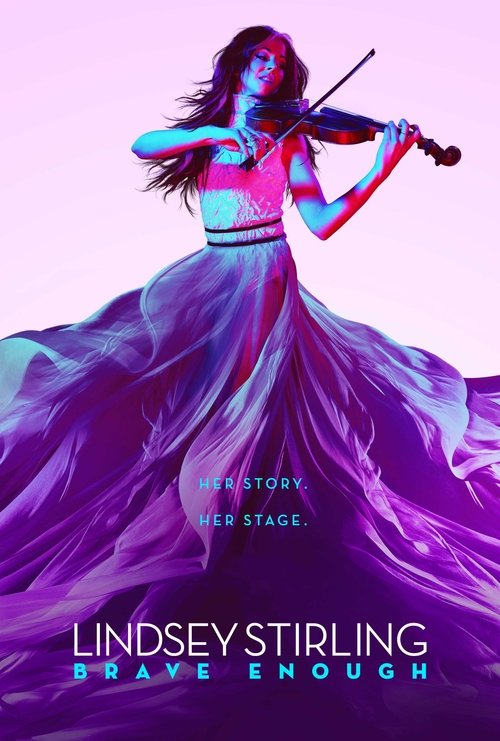
Beginning on the eve of her thirtieth birthday, “Brave Enough,” documents violinist Lindsey Stirling over the past year as she comes to terms with the most challenging & traumatic events of her life. Through her art, she seeks to share a message of hope and courage and yet she must ask herself the question, “Am I Brave Enough?” Capturing her personal obstacles and breakthrough moments during the “Brave Enough,” tour, the film presents an intimate look at this one-of- a-kind artist and her spectacular live performances inspired by real-life heartbreak, joy, and love.
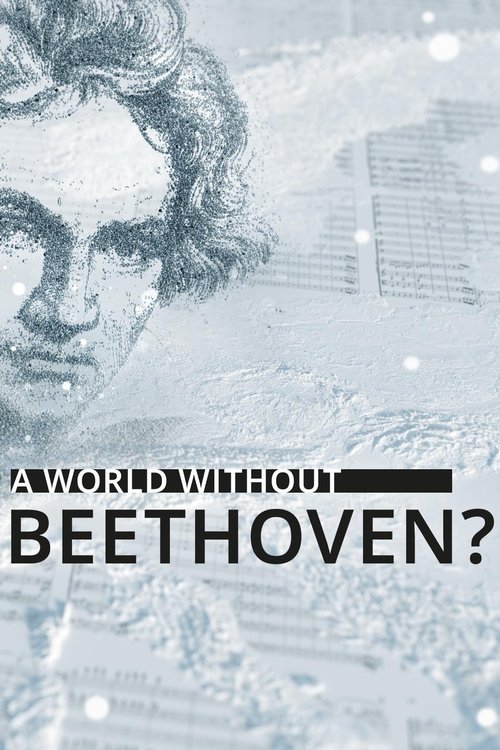
"What would the world be like without Beethoven?" That’s the provocative question posed by this music documentary from Deutsche Welle. To answer it, the film explores how Ludwig van Beethoven's innovations continue to have an impact far beyond the boundaries of classical music, 250 years after his birth.
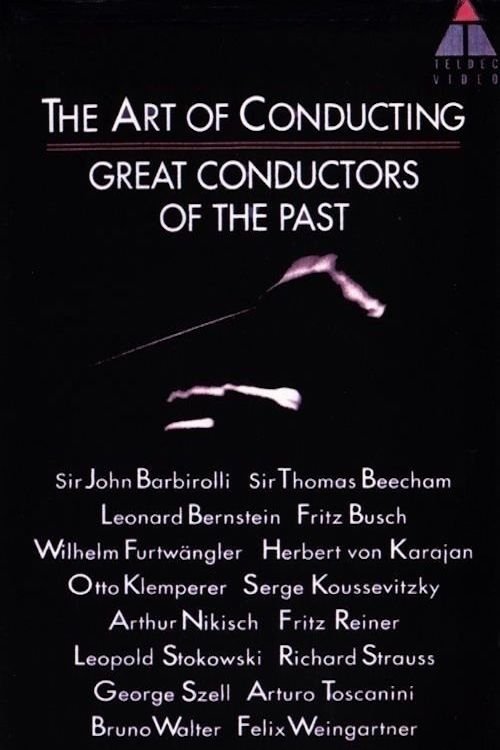
Documentary about sixteen great conductors of the 20th century.
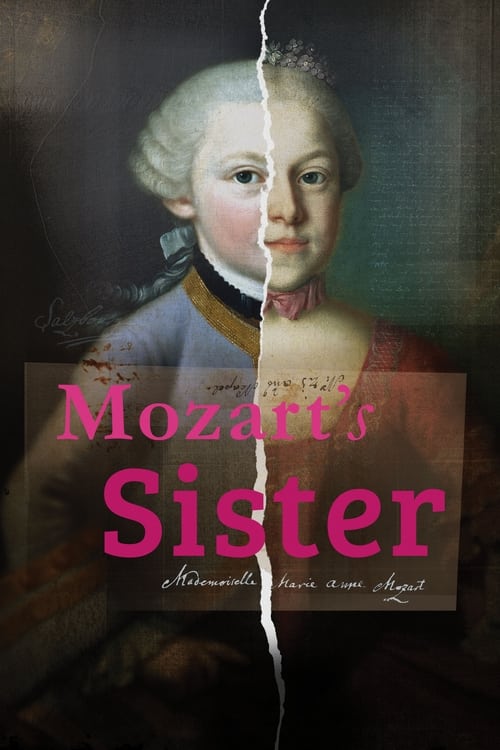
For the first 18 years of her life, Mozart’s sister shared equal billing with her brother. Musical partners and collaborators, Wolfgang Mozart and Maria-Anna Mozart played together before Kings and Queens, and were the talk of Europe. What happened to her? Forced into retirement by age 16 because she was a woman, a stunning new investigation explores why she was retired against her will and the explosive theory: did Maria-Anna Mozart continue to compose in secret?
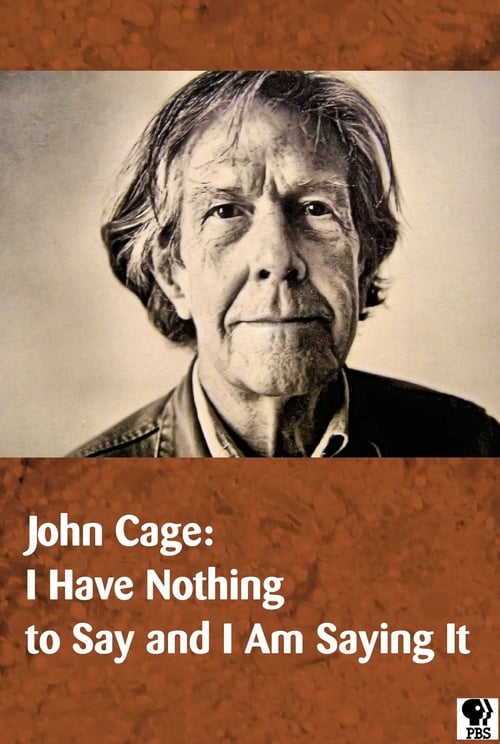
This 56-minute documentary on America's most controversial and unique composer manages to cover a great many aspects of Cage's work and thought. His love for mushrooms, his Zen beliefs and use of the I Ching, and basic bio details are all explained intelligently and dynamically. Black Mountain, Buckminster Fuller, Rauschenberg, Duchamp are mentioned. Yoko Ono, John Rockwell, Laurie Anderson, Richard Kostelanetz make appearances. Fascinating performance sequences include Margaret Leng-Tan performing on prepared piano, Merce Cunningham and company, and performances of Credo In Us, Water Music, and Third Construction. Demystifies the man who made music from silence, from all sounds, from life.
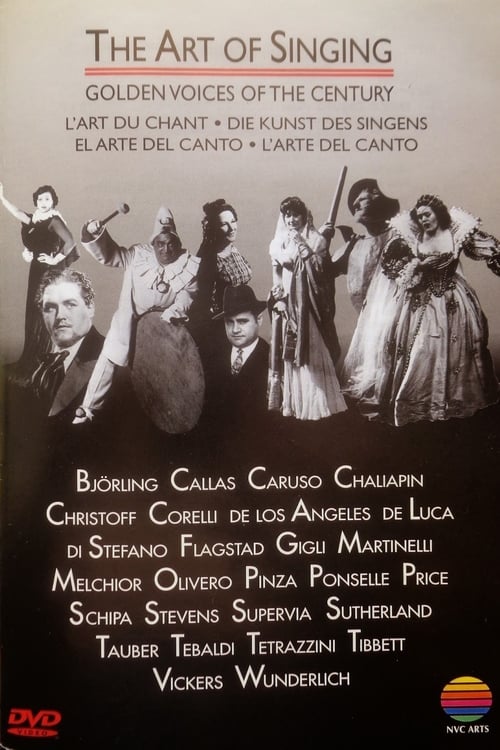
Imagine a window into the past. Imagine finally connecting singers' bodies to the voices you have always treasured on record, watching footage of performances from another era. All of singers featured here have something in common (with one exception, Sutherland): they sang and performed on stage before the advent of filmed opera. . And it shows, for the first time, a few tantalizing minutes of recently recovered footage from Callas' legendary Lisbon Traviata, featuring Addio dal Passato and Parigi oh cara with Alfredo Kraus. This DVD will leave you asking for more.
No overview available.
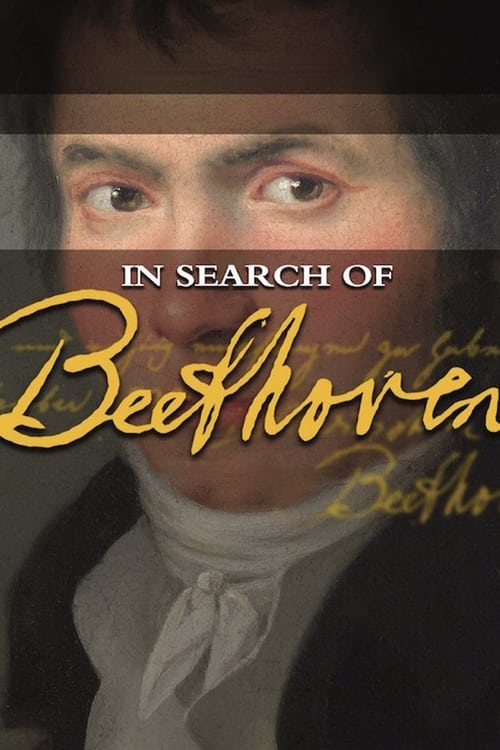
In Search of Beethoven offers a comprehensive documentary about the life and works of the great composer. Over 65 performances by the world's finest musicians were recorded and 100 interviews conducted in the making of this beautifully crafted film. Eleven interviews are included in the Extras and Six complete movements.
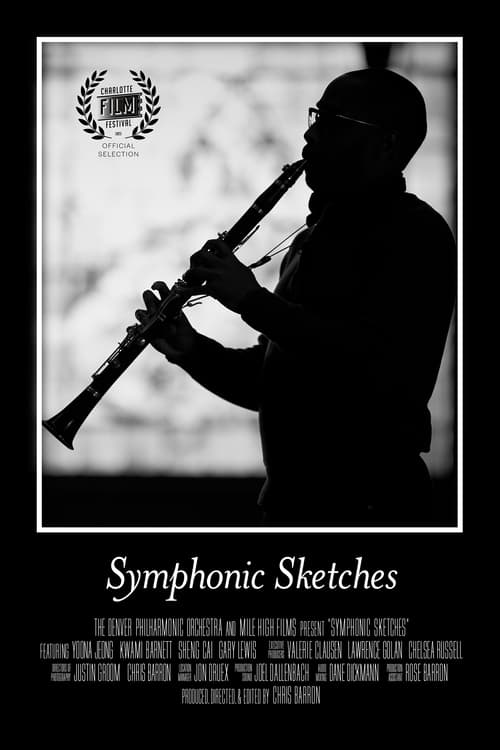
“Symphonic Sketches” tells the story of one classical music concert performed by the Denver Philharmonic Orchestra. Musicians from diverse racial backgrounds connect to the repertoire in unique ways and stage an unforgettable performance.
A documentary on one of the world’s most exciting string quartets – the Quatuor Ébène – draws viewers into the musicians’ struggle with interpretational details, with colleague-friends – and with themselves.
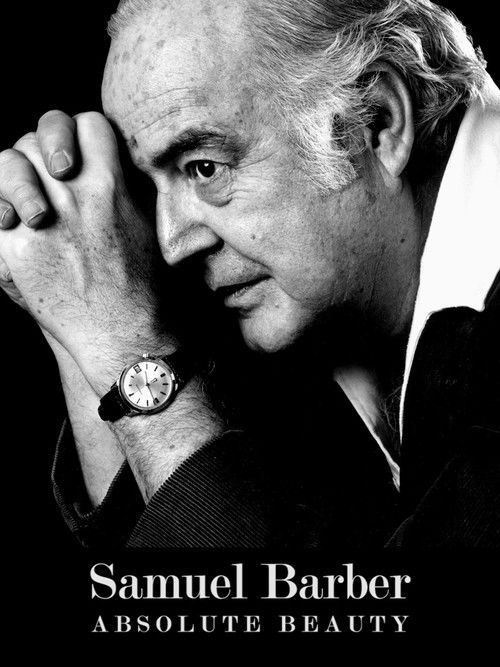
Known for his mournful "Adagio for Strings," Samuel Barber was never quite fashionable. This acclaimed film is a probing exploration of his music and melancholia. Performance, oral history, musicology, and biography combine to explore the life and music of one of America’s greatest composers. Features Thomas Hampson, Leonard Slatkin, Marin Alsop and many more of the world's leading experts on Barber's music, with tributes from composers Leonard Bernstein, Aaron Copland, Virgil Thomson and William Schuman. The film was broadcast on PBS, and screened at nine film festivals internationally, with three best-of awards. It was named a Recording of the Year 2017 by MusicWeb International.
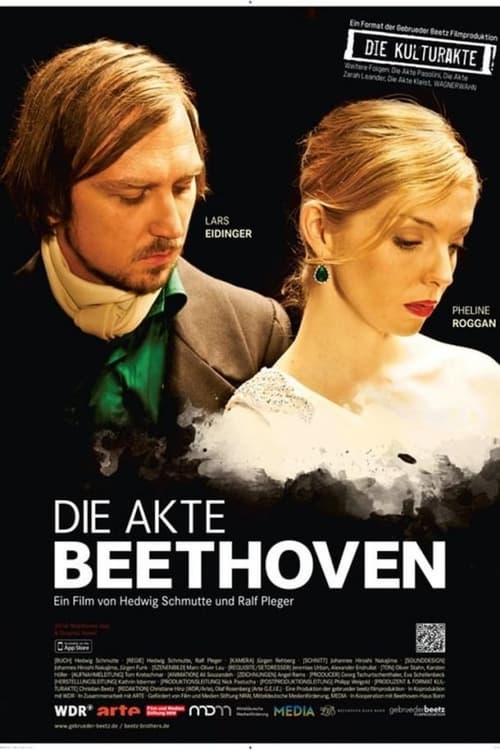
In a mixture of feature film, music documentary and animated comics, historical facts are retold, analyzed and interpreted in modern settings. Ludwig van Beethoven, played by Lars Eidinger, becomes a contemporary of today's audience. Quick-tempered, irascible, curmudgeonly - that is the common image of Ludwig van Beethoven, the composer with the wild lion's mane. But there is also another Beethoven - young, seductive, spirited and, above all, combative.
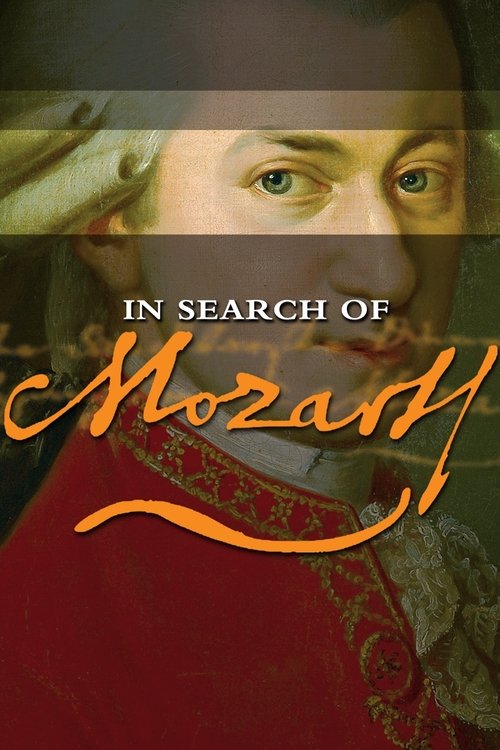
Made to celebrate the 250th anniversary of Mozart's birth, IN SEARCH OF MOZART is the first feature-length documentary on Mozart's life. Produced with the world's leading orchestras and musicians, told through a 25,000 mile journey along every route Mozart followed, this detective story takes us to the heart of genius. Throughout, it is the music that takes center stage, with the jigsaw of Mozart's life fitting around it.
Set amongst the unlikely backdrop of cowboy boots, rodeos, and global geopolitics, thirty of the world's most promising musicians travel to Fort Worth, Texas to compete in the renowned Van Cliburn International Piano Competition. Vying for gold and their shot at classical piano stardom, the contestants must endure six grueling performances, multiple elimination rounds, and a discerning panel of jurists. Behind the scenes, we uncover the stories of adversity, sacrifice, and heartbreak driving the pianists to perform at the highest level. As fan favorites and early contenders are eliminated, one unassuming genius rises to the top.
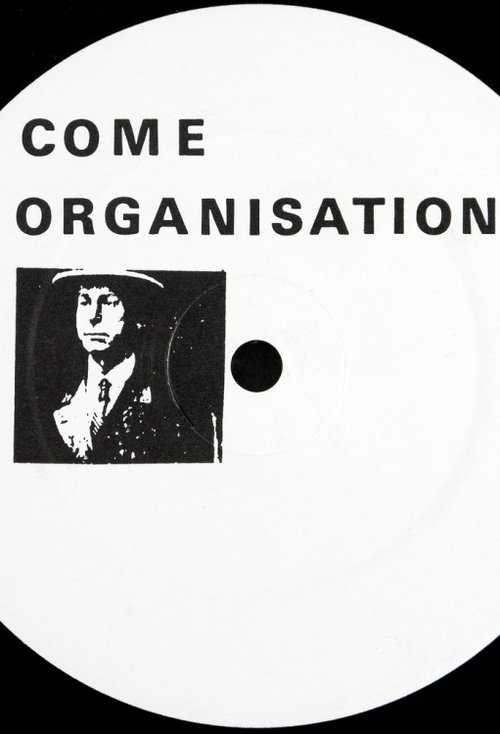
A video magazine put out by the Come Organization label. An in-depth documentary of the life & works of Peter Kurten, the monster of Dusseldorf, including previously unpublished pictures and information. With music by WHITEHOUSE, J.S.BACH & BEETHOVEN
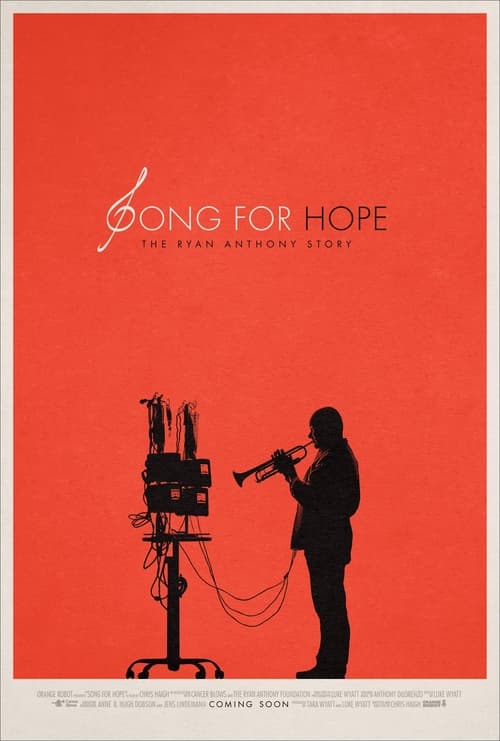
When diagnosed with terminal cancer, a world renowned trumpet player uses music to give hope from concert stages to mountain tops, proving art is essential to survival.
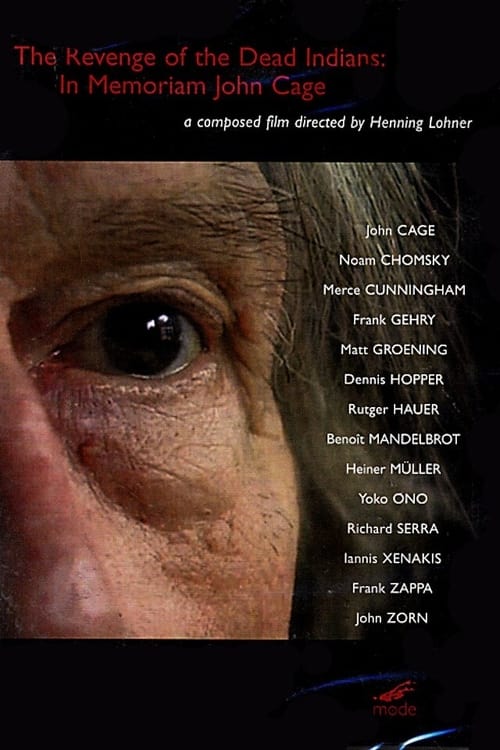
This is a full-length documentary honoring the life and work of American composer and artist John Cage. Cage is considered one of the most influential composers of the 20th century. This documentary features interviews with various personalities from different fields as they introduce us to the life and work of this great American artist.