Short experimental animation by Jules Engel
No Cast found.
No Trailers found.
An attempt to bring texts from Dante's "Divine Comedy" to life. Nine episodes from the Inferno with a concluding episode from the Purgatorio.
Upon realizing there's not much time left, a teenager stuck in their bedroom, with only a window to the outside world, reflects on their life and tries to find a way out of their prison.
An experimental short from Oskar Fischinger
The corner of a street is matched and mixed with the chant of a bird recorded on that same street. A symbiotic relationship is triggered: the rapid and successively repetitive montage cuts between the image of the street and the corners of the video frame itself produce new textures and shapes in our brain, whilst the sound follows the same rhythmic movements by emphasizing different “corners” (frequencies) from the bird’s singing. The energetic potency stemming from the junction of these elements creates a new image that is almost tactitle, maleable and rippling. The result is a somewhat humorous operation of the portuguese word "corner" throughout the different stages of making the piece, finally unveiling a piercing physical and kinetic experience for all the corners of our eyes and ears.
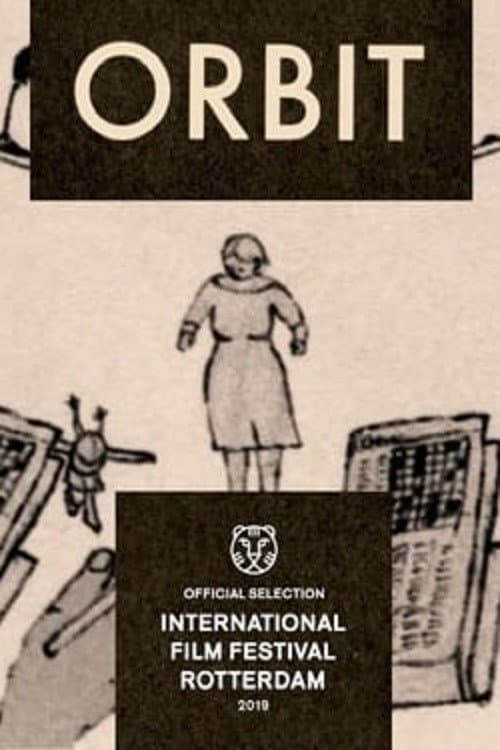
The sun’s energy circulates throughout the earth, feeding the cycle of life. Everything is connected in a natural loop, which repeats, like the circular discs of magical optical toys. This perfectly balanced rhythm is disrupted by human excess, throwing the cycle out of orbit and temporarily stopping the circulation of energy in nature.
No overview available.
Flashing lights explode across an apartment as images of a woman in bed flicker in and out.
Man often yearns of a past more innocent and pure. This film disregards that sentimentality and depicts a constant, permanent transformation of the landscape of mountains and rivers. A beautiful and intense image poem made from thousands of pencil drawings.
An experimental film created from 3 years worth of abstract pencil drawings with the goal of being a catalyst for unveiling a new mental landscape in viewers.
In all of his existences, KOBE KOTORO embarks on an everlasting odyssey through the home of his mind. A transformative journey in hopes to find understanding, identity & reflection. And if nothing else; the freedom to try again.
An experimental, non-sensical comedy about bringing a stone age man back to our time, made with the app “Plotagon”.
An important sensory organ, the eye, is damaged. The exhausting healing process takes us on an inner journey full of pain, fragility and mental unrest, in which even superstition and witchcraft seem to have an influence on recovery.
An abstract computer-generated film. The image is of squares revolving in space around and through each other. Colors and forms multiply and divide against a beautiful symphonic score by George Kleinsinger.
A person living in Liberty City goes to work, have some food & gets back home.
A man with a razor in his head calls in a maintenance repair.
In this short film, a young man, a girl and a dog attempt to fly with wings more symbolic than practical.
A meditative journey through the surreal inner spaces of the filmmaker's mind as passing images and thoughts overlap, yearning to coalesce into a concept.
A hypnotic mise-en-abyme constructed from JVC camcorder footage of a parking garage. Produced in tribute to teacher, filmmaker and video artist Peter Rose and the work of Piet Mondrian.