Observations of birds and other wildlife at the Cornell Lab of Ornithology, and a Forest in Ithaca, NY.
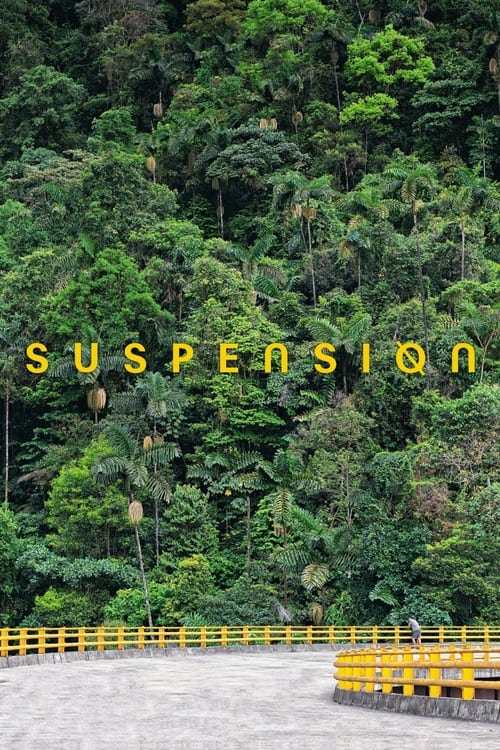
In the depths of the Colombian jungle, the skeleton of an immense abandoned cement bridge is tucked away. It has turned into a delusional tourist attraction.
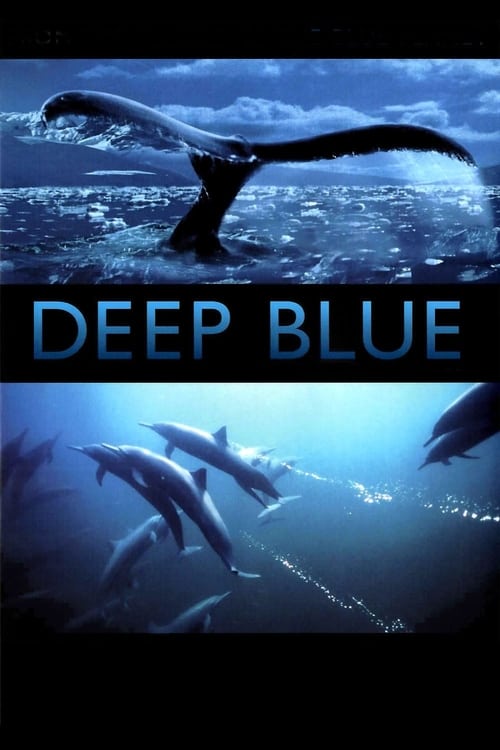
Deep Blue is a major documentary feature film shot by the BBC Natural History Unit. An epic cinematic rollercoaster ride for all ages, Deep Blue uses amazing footage to tell us the story of our oceans and the life they support.
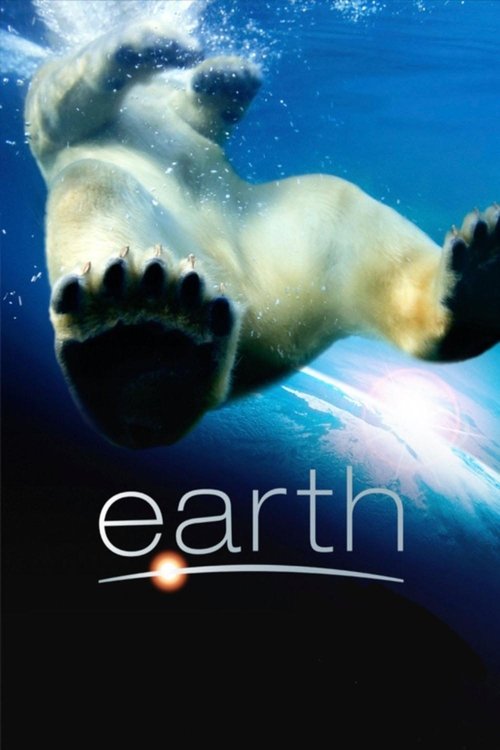
An epic story of adventure, starring some of the most magnificent and courageous creatures alive, awaits you in EARTH. Disneynature brings you a remarkable story of three animal families on a journey across our planet – polar bears, elephants and humpback whales.
Finland’s first nature documentary. The filmmakers’ expedition leads them all the way to the Åland Islands and the Karelian Isthmus.
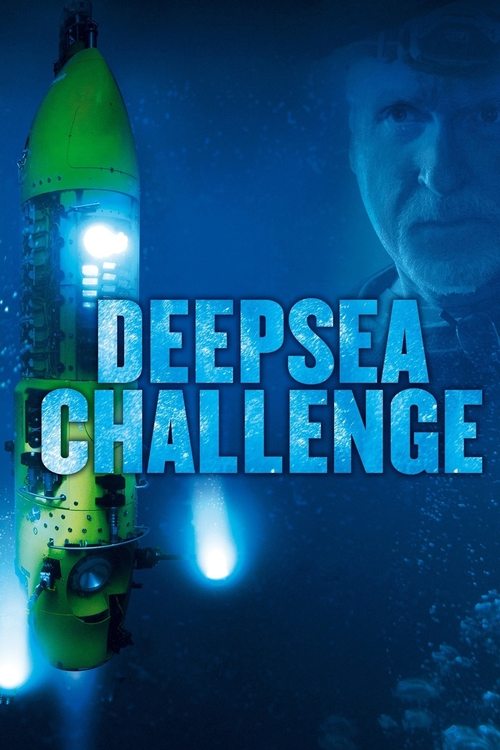
Described as being a film about determination, danger and the ocean’s greatest depths, James Cameron's "Deepsea Challenge 3D" tells the story of Cameron’s journey to fulfill his boyhood dream of becoming an explorer. The movie offers a unique insight into Cameron's world as he makes that dream reality – and makes history – by becoming the first person to travel solo to the deepest point on the planet.
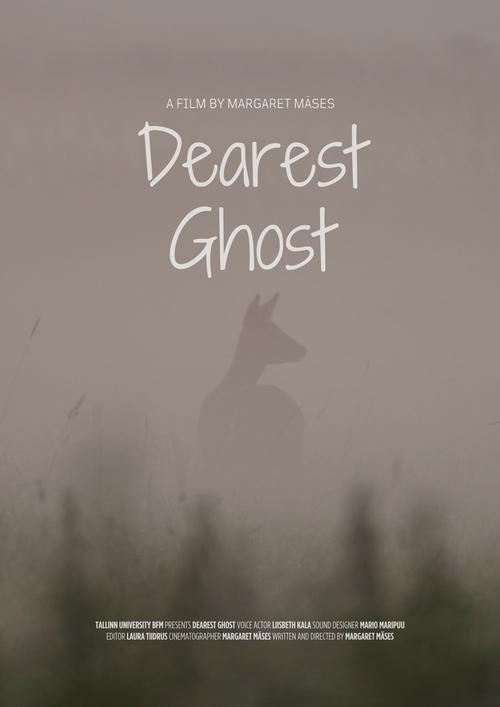
A poetic journey through the inner world of a grieving filmmaker who tries to find solace in talking to her ghost. Different stages of grief are visually linked to seasonal changes in nature. The filmmaker finds reflections of her mindscape in the surrounding scenery and wildlife.
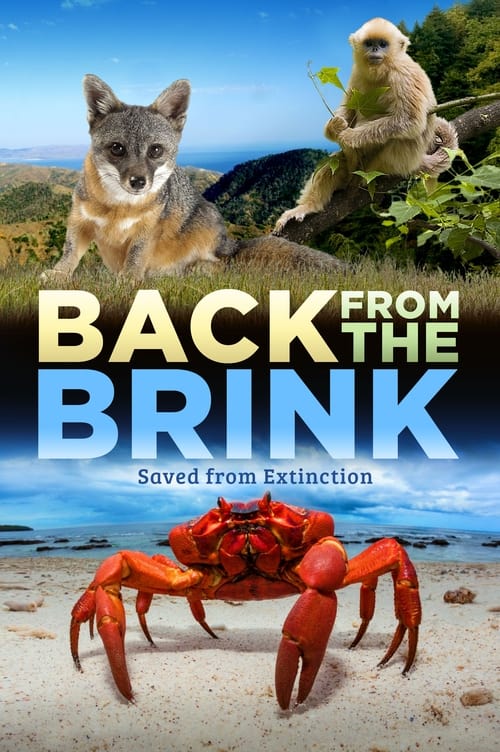
The remarkable true story of three animal species rescued from the brink of extinction: California’s enchanting Channel Island Fox, China’s fabled Golden Monkey, and the wondrous migrating crabs of Christmas Island. Discover successful, heartfelt, and ingenious human efforts to rescue endangered species around the world.
A mysterious rumble splits the sky and reverberates in the middle of the forest. A man delves into its depths to discover its origin and answer the questions presented by the universe.
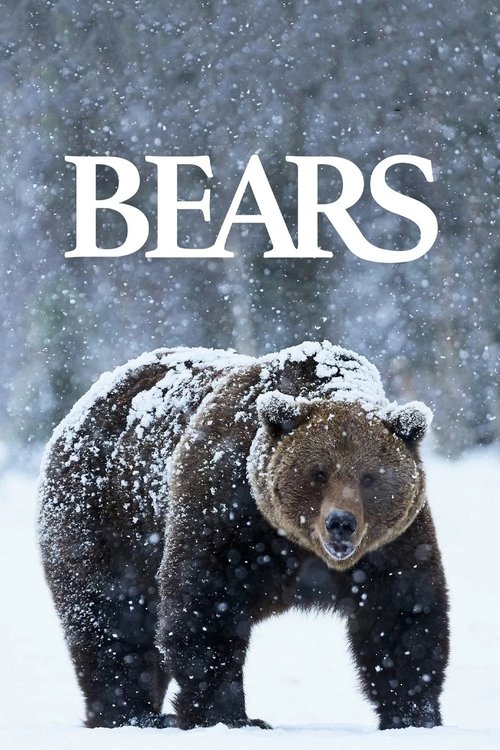
From polar bears in the arctic tundra to black bears in the Northern Rockies, you'll see some of the most spectacular footage ever shot of these enterprising omnivores. Catch salmon with a group of hungry grizzlies on the McNeil River in Alaska. Crawl inside a den with a mother black bear and her cubs. Learn about the challenges facing each of these species as their habitat diminishes.
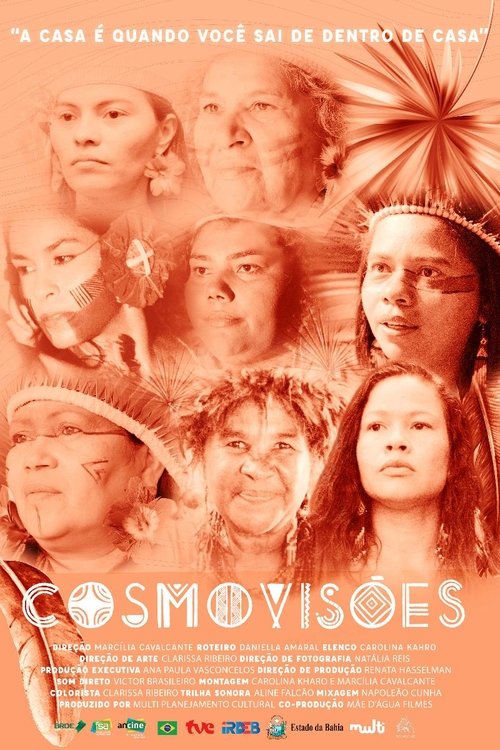
In Southern Bahia, seven indigenous women invite to reflection, sharing their mythology, ancestry and paths to living well.
A reportage cross-cutting film about the development of Africa from 1900-1936, using archive footage and film material from earlier African expeditions.
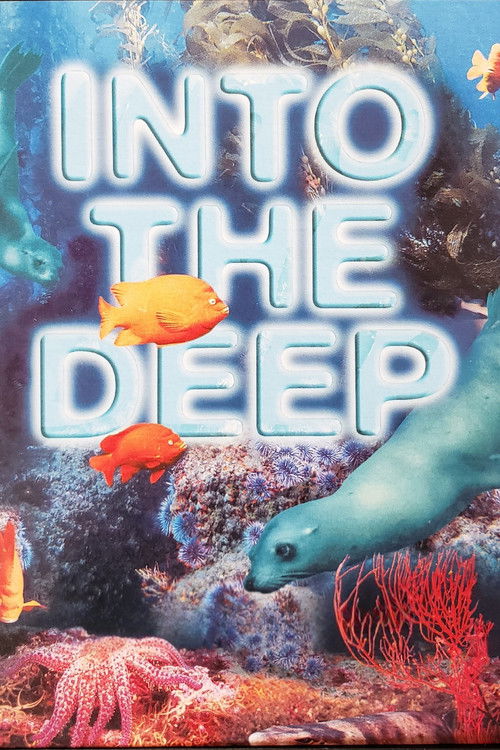
An underwater exploration beneath kelp forests in the Pacific Ocean off the coast of Southern California. The film captures the birth of a shark, squids mating, a lobster molting, a fish protecting its nest from an octopus and a sea urchin, and the sea bed covered with brittle stars.
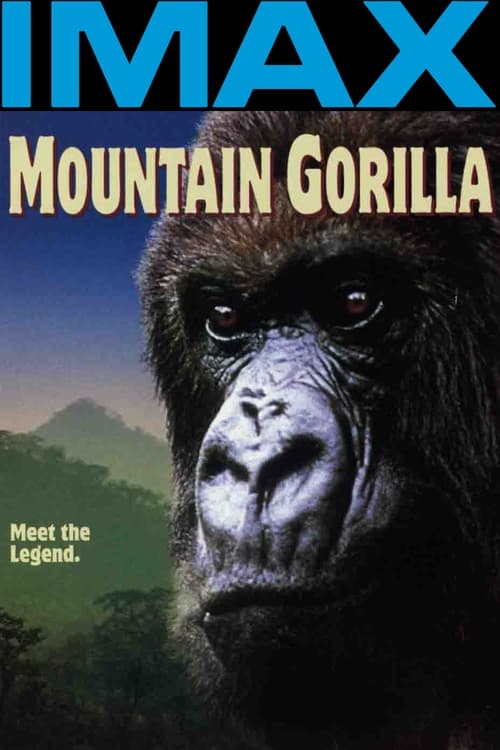
Mountain Gorilla takes us to a remote range of volcanic mountains in Africa, described by those who have been there as ""one of the most beautiful places in the world"", and home to the few hundred remaining mountain gorillas. In spending a day with a gorilla family in the mountain forest, audiences will be captivated by these intelligent and curious animals, as they eat, sleep, play and interact with each other. Although gorillas have been much-maligned in our popular culture, viewers will finally ""meet the legend"" face to face, and learn about their uncertain future.
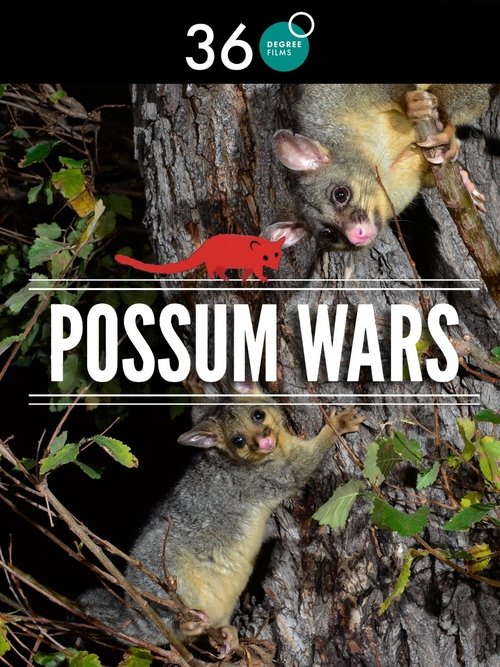
Every night around Australia, native possums scamper across city rooftops in an endless quest for food and shelter. Forced out of their bush habitats by encroaching development, these mischievous marsupials swarm into cities where their raucous noise and destructive appetites bring them few friends. They live in our roofs, pillage our fruit trees, plunder our flowers and pee on our paths. And when possums and people fight for real estate it’s war!
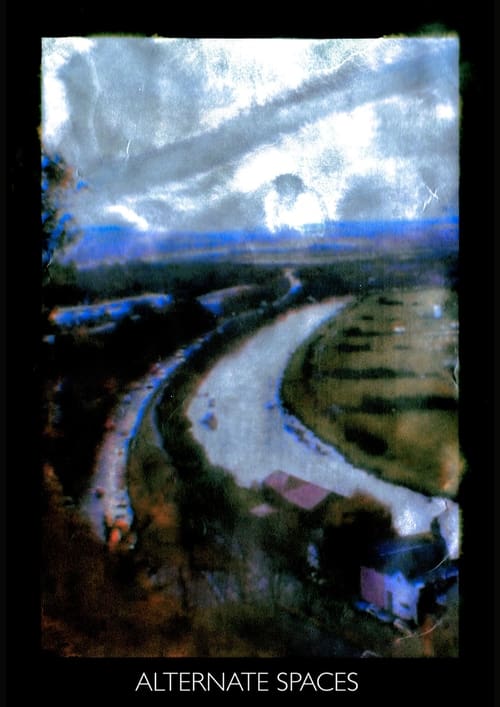
A short documentary on the River Ouse, following it downstream from Lewes to Newhaven, meditating on the surrounding area.
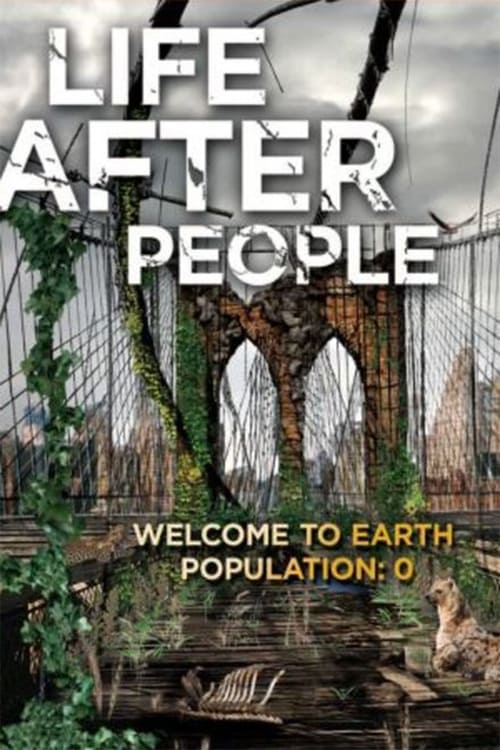
In this special documentary that inspired a two-season television series, scientists and other experts speculate about what the Earth, animal life, and plant life might be like if, suddenly, humanity no longer existed, as well as the effect humanity's disappearance might have on the artificial aspects of civilization.
An exploration of technologically developing nations and the effect the transition to Western-style modernization has had on them.
A cinematic and introspective look at the residents of a Quebec town—once the site of the world's largest asbestos mine—as they grapple with their community's industrial past. Striving to honour their heritage while reconciling with their history and forging a new path forward, the miners delve into the intricacies of progress and healing.
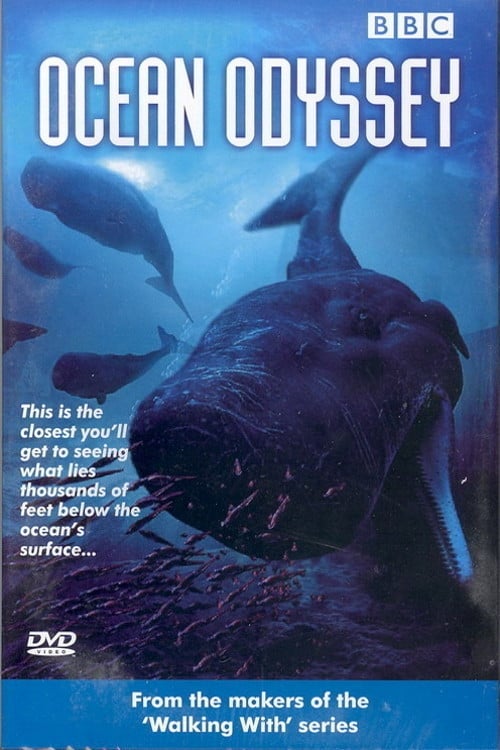
The largest predator on the planet, the sperm whale, is your host for an amazing exploration of the final frontier – the world at the bottom of the ocean. From the makers of the Walking With series comes this incredible marine tour, in which you'll witness a rarely seen world of hidden mountain ranges, majestic canyons, volcanoes and the beautiful and often deadly creatures that inhabit the deep sea.
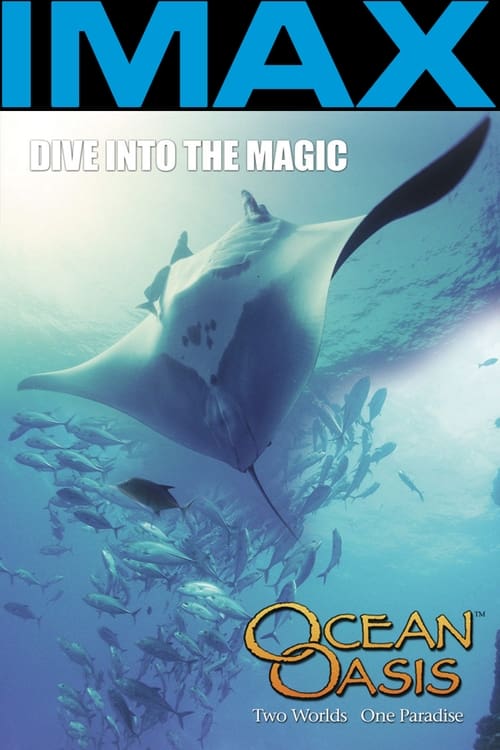
Ocean Oasis is a fascinating journey into the bountiful seas and pristine deserts of two remarkably different, but inextricably linked worlds — Mexico's Sea of Cortés and the Baja California desert.
Trailer
No Cast found.