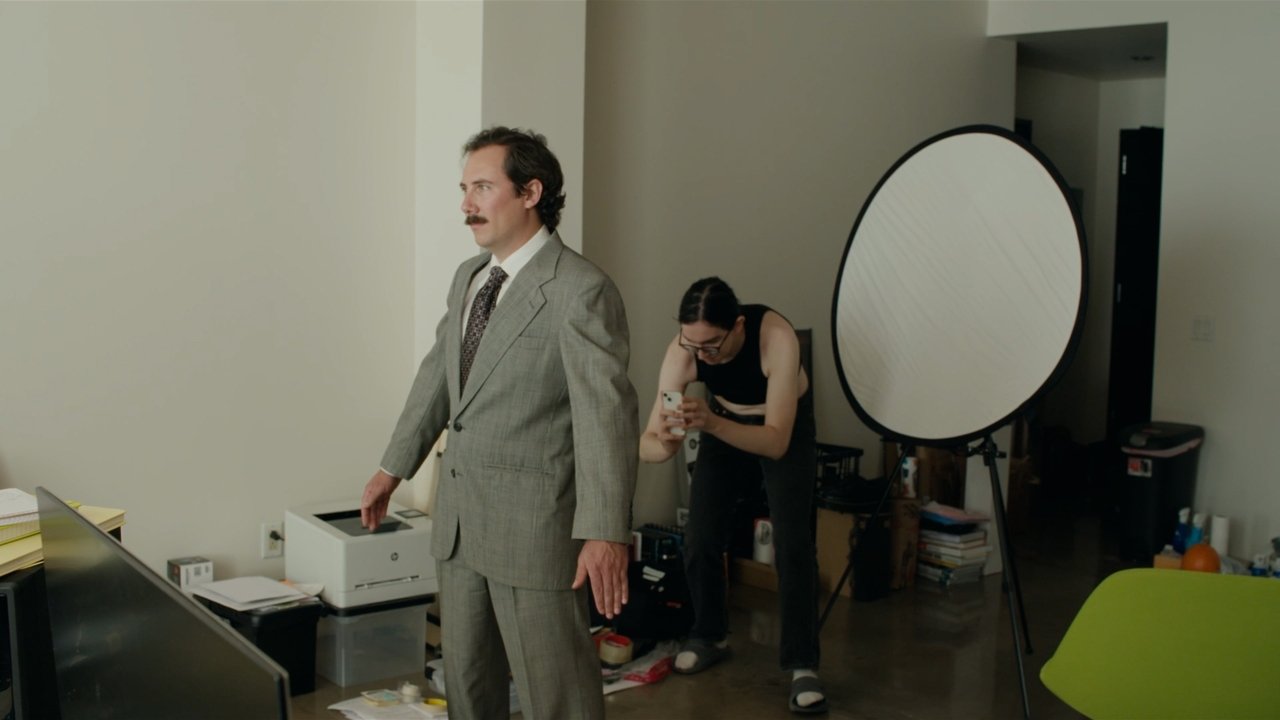
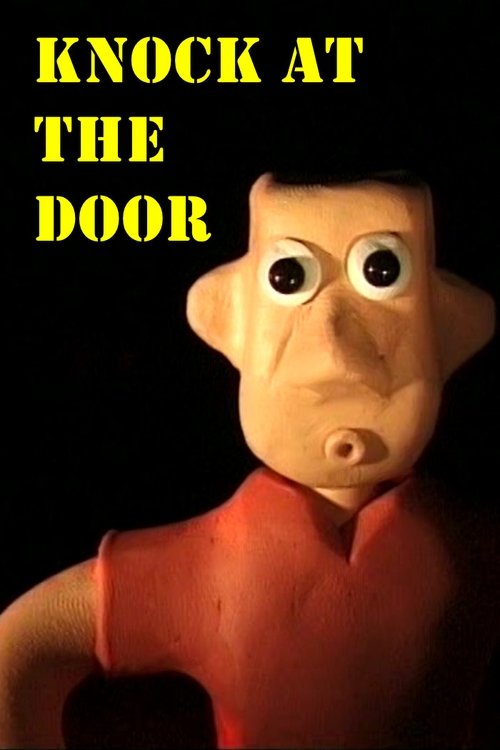
An experimental documentary/animation hybrid exploring likeness scanning, AI, and what that means for identity.
Trailer
Self
What's it like starting a family when you're both transgender? This intimate film follows Hannah and Jake Graf on a journey through prejudice and surrogacy to birth during lockdown.
A short experimental film that explores one filmmaker’s journey to preserve fleeting moments before they fade. Created as a heartfelt introduction into Koen's film making journey, the film blends nostalgic visuals with inventive storytelling techniques, exploring childhood dreams, the fear of forgetting, and the impulse to document life as it unfolds. This marks Koen’s first true dive into editing and cinematography, born from years of unfinished projects, it stands as a heartfelt introduction to a lifelong pursuit of storytelling, dedicated to the child in all of us who once dreamed.
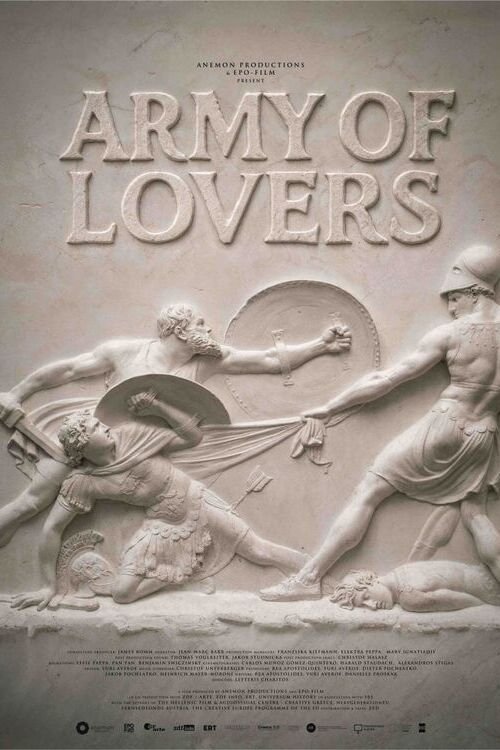
A documentary that brings to light the extraordinary story of the Sacred Band of Thebes – an elite military unit composed of 150 pairs of male lovers that became one of the most formidable forces of the ancient world. It delves into the history of this little-known chapter of classical antiquity through forensic archaeology, rare archival material, ancient art, and animation. It explores how the Sacred Band rose to prominence, met its tragic end, and continues to resonate in modern discussions of identity, heroism, and love.
We observe the daily routines of an elderly couple. Within the quiet flow of time, a longing for youth and irretrievable memories begin to surface. This piece reflects the sorrow hidden in the stillness of old age and the deep yearning for the past.
A reframing of the classic tale of Narcissus, the director draws on snippets of conversation with a trusted friend to muse on gender and identity. Just as shimmers are difficult to grasp as knowable entities, so does the concept of a gendered self feel unknowable except through reflection. Is it Narcissus that Echo truly longs for, or simply the Knowing he possesses when gazing upon himself?
The corner of a street is matched and mixed with the chant of a bird recorded on that same street. A symbiotic relationship is triggered: the rapid and successively repetitive montage cuts between the image of the street and the corners of the video frame itself produce new textures and shapes in our brain, whilst the sound follows the same rhythmic movements by emphasizing different “corners” (frequencies) from the bird’s singing. The energetic potency stemming from the junction of these elements creates a new image that is almost tactitle, maleable and rippling. The result is a somewhat humorous operation of the portuguese word "corner" throughout the different stages of making the piece, finally unveiling a piercing physical and kinetic experience for all the corners of our eyes and ears.
A very human tech doc, uncovers the real costs of the platform economy through the lives of workers from around the world for companies including Uber, Amazon and Deliveroo. From delivering food and driving ride shares to tagging images for AI, millions of people around the world are finding work task by task online. The gig economy is worth over 5 trillion USD globally, and growing. And yet the stories of the workers behind this tech revolution have gone largely neglected. Who are the people in this shadow workforce? It brings their stories into the light. Lured by the promise of flexible work hours, independence, and control over time and money, workers from around the world have found a very different reality. Work conditions are often dangerous, pay often changes without notice, and workers can effectively be fired through deactivation or a bad rating. Through an engaging global cast of characters, it reveals how the magic of technology we are being sold might not be magic at all.
This film explores what life was like for LGBTQ+ Royal Navy personnel serving under the ban on homosexuality in the military and how things have changed since the ban was lifted in 2000. We speak to Duncan who led the fight to overturn the ban; Ann who served during and after the ban was lifted; and Danny and Cole who both served after the ban was lifted. This collaboration was between filmmaker David Graham, the National Museum of the Royal Navy and the Royal Navy LGBTQ+ Network. The National Museum of the Royal Navy commissioned the film.
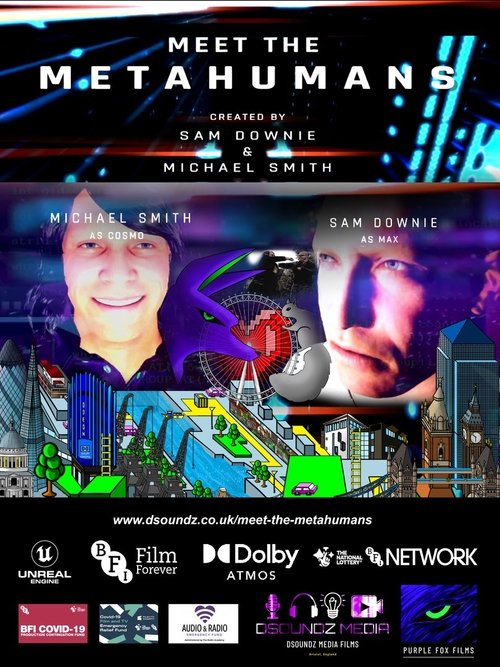
Two ego-driven artificial intelligence maniacs Cosmo and Max, who are driven and designed to take over humanity, battle it out in a 1980’s Cyberpunk retro-video game world called ‘Game Over’, where the locations resembles a very real world. Can our Heroes, two Human game characters who are controlled by Cosmo and Max, escape this meta-reality and the clutches of the Metahumans ? A short film about Grief. The loss of family and friends during the Pandemic.
Journey of a man's visit to an all-male sex club bathhouse.
Stories of 12 gay and lesbian survivors of Nazism and the Holocaust.
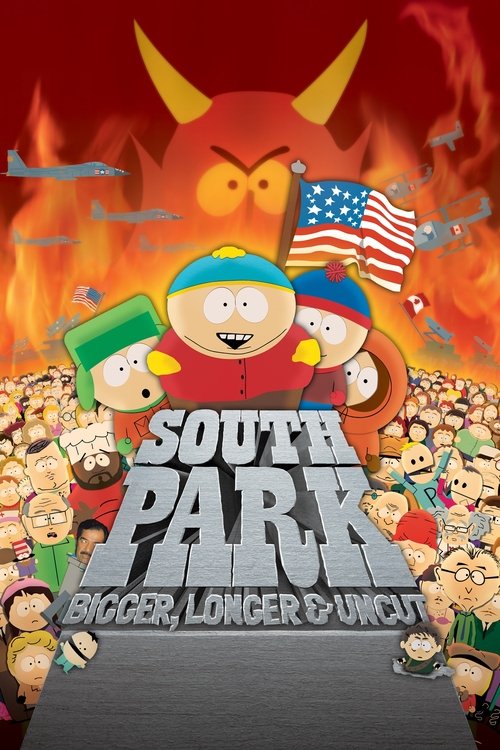
In this feature film based on the hit animated series, the third graders of South Park sneak into an R-rated film by ultra-vulgar Canadian television personalities Terrance and Phillip, and emerge with expanded vocabularies that leave their parents and teachers scandalized. When outraged Americans try to censor the film, the controversy spirals into a call to wage war on Canada and Terrance and Phillip end up on death row, with the kids their only hope of rescue.
Trans man Stafford candidly tells the story of a memorable encounter he had at a sex club.
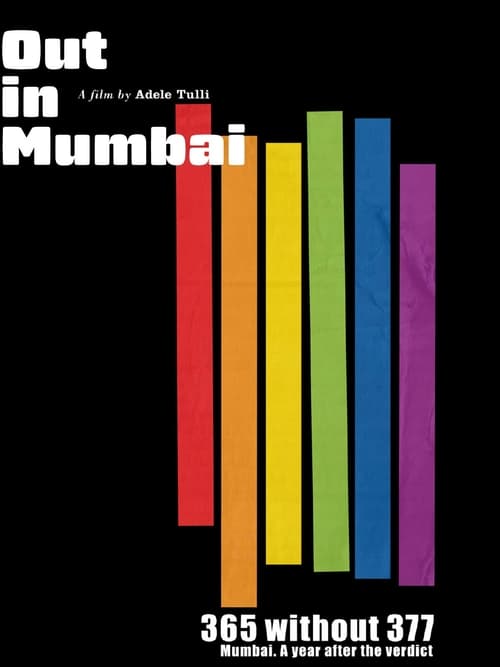
Imposed under the British colonial rule in 1860, Section 377 of the Indian Penal Code criminalise any sexual acts between consenting adults of the same sex, stigmatising them as 'against the order of nature'. On July 2, 2009 the Delhi High Court passed a landmark judgment scrapping this clause, thus fulfilling the most basic demand of the Indian LGBTQ community, which had been fighting this law for the past 10 years. Three characters, Beena, Pallav and Abheena travel through the city of Bombay heading to the celebrations for the first anniversary of the historic verdict. '365 without 377' is the story of their journey towards freedom.
No overview available.
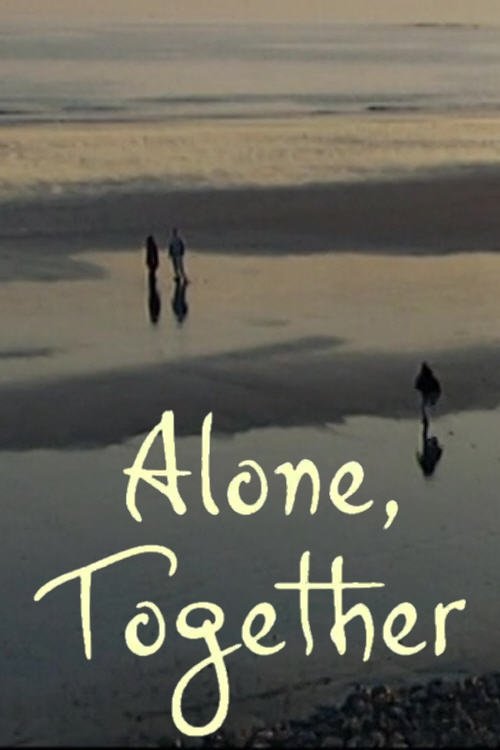
Is culture accepting of difference? This is the vital question that Nova Scotia filmmaker Paul Émile d'Entremont asks in his film about difference and identity. Alone, Together charts the quest of two Acadians: Simon, who is trying to come to terms with his sexuality, and Cynthia, who is searching for for her biological mother.
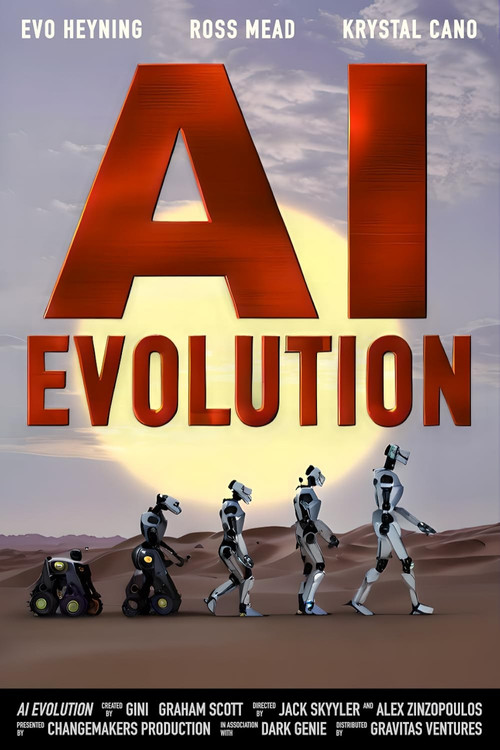
Take a journey through the ever-changing landscape of artificial intelligence with this doc exploring the challenges and opportunities ahead.
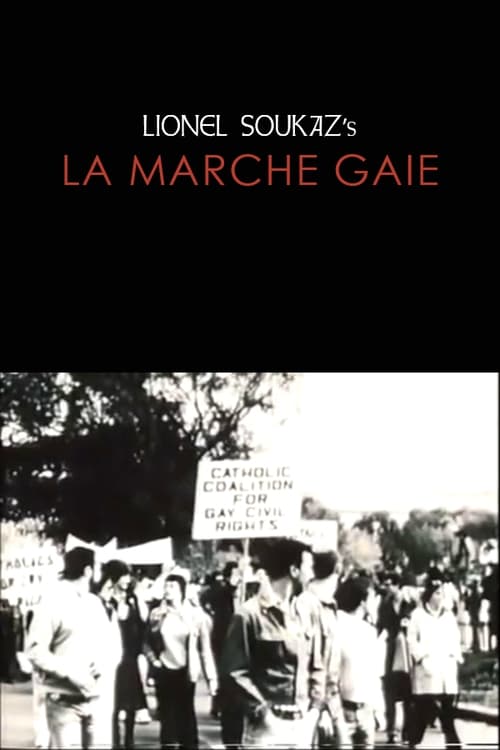
A short documentary about the October 14 1979 March For Lesbian And Gay Rights in Washington D.C.
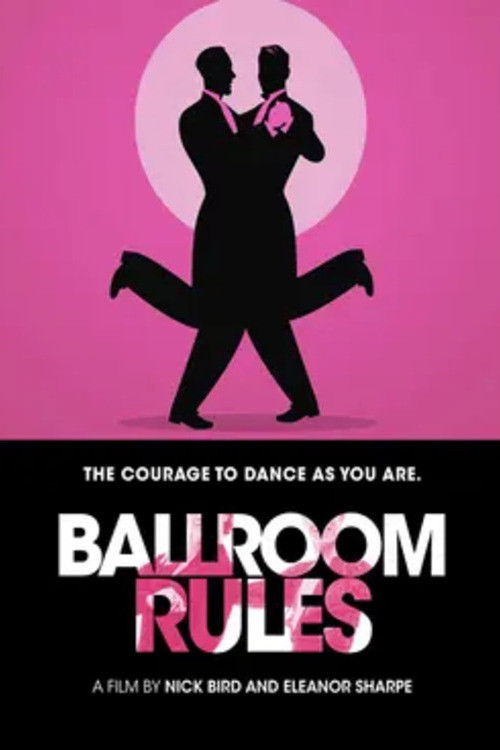
A passionate group of Australian same-sex ballroom dancers battle homophobia, injury and personal drama as they pursue their dream of competing at the Gay Games in Germany.
The video revolution of the 1970s offered unprecedented access to the moving image for artists and performers. This Is Not a Dream explores the legacies of this revolution and its continued impact on contemporary art and performance. Charting a path across four decades of avant-garde experiment and radical escapism, This Is Not a Dream traces the influences of Andy Warhol, John Waters and Jack Smith to the perverted frontiers of YouTube and Chatroulette, taking in subverted talk shows and soap operas, streetwalker fashions and glittery magic penises along the way.