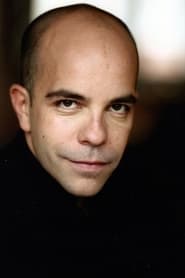
A staging of Jacques Attali's play "From Crystal to Smoke" by Daniel Mesguich.
The intricate history of UFA, a film production company founded in 1917 that has survived the Weimar Republic, the Nazi regime, the Adenauer era and the many and tumultuous events of contemporary Germany, and has always been the epicenter of the German film industry.
No overview available.
After the World War I, Mussolini's perspective on life is severely altered; once a willful socialist reformer, now obsessed with the idea of power, he founds the National Fascist Party in 1921 and assumes political power in 1922, becoming the Duce, dictator of Italy. His success encourages Hitler to take power in Germany in 1933, opening the dark road to World War II. (Originally released as a two-part miniseries. Includes colorized archival footage.)
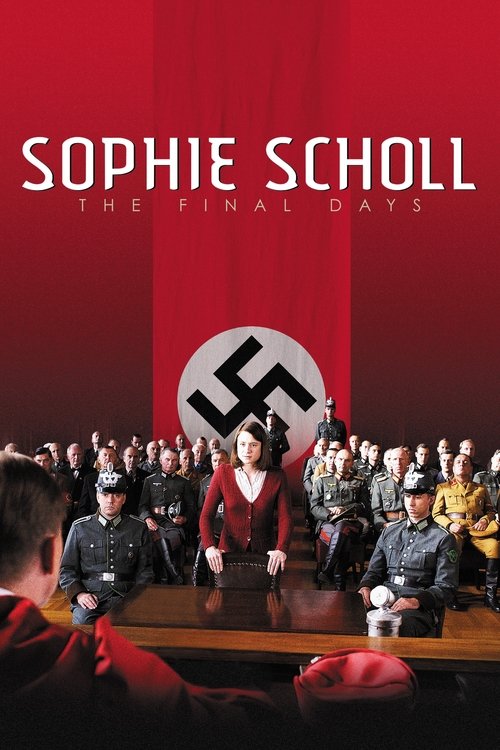
In 1943, as Hitler continues to wage war across Europe, a group of college students mount an underground resistance movement in Munich. Dedicated expressly to the downfall of the monolithic Third Reich war machine, they call themselves the White Rose. One of its few female members, Sophie Scholl is captured during a dangerous mission to distribute pamphlets on campus with her brother Hans. Unwavering in her convictions and loyalty to the White Rose, her cross-examination by the Gestapo quickly escalates into a searing test of wills as Scholl delivers a passionate call to freedom and personal responsibility.
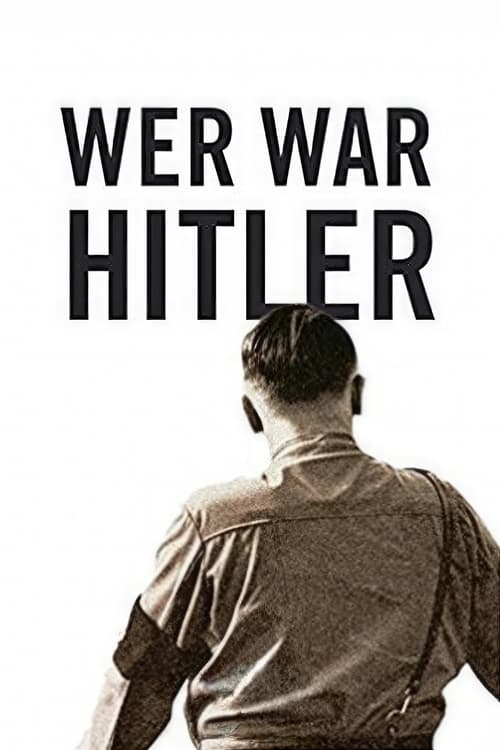
Hitler's biography told like never before. Besides brief historical localizations by a narrator, only contemporaries and Hitler himself speak: no interviews, no reenactment, no illustrative graphics and no technical gadgets. The testimonies from diaries, letters, speeches and autobiographies are assembled with new, often unpublished archive material. Hitler's life and work are thus reflected in a unique way in interaction with the image of the society in the years 1889 to 1945.
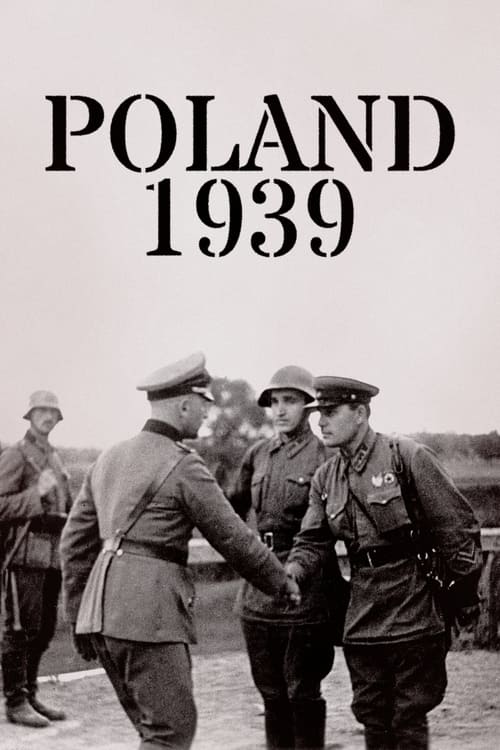
September 1st, 1939. Nazi Germany invades Poland. The campaign is fast, cruel and ruthless. In these circumstances, how is it that ordinary German soldiers suddenly became vicious killers, terrorizing the local population? Did everyone turn into something worse than wild animals? The true story of the first World War II offensive that marks in the history of infamy the beginning of a carnage and a historical tragedy.
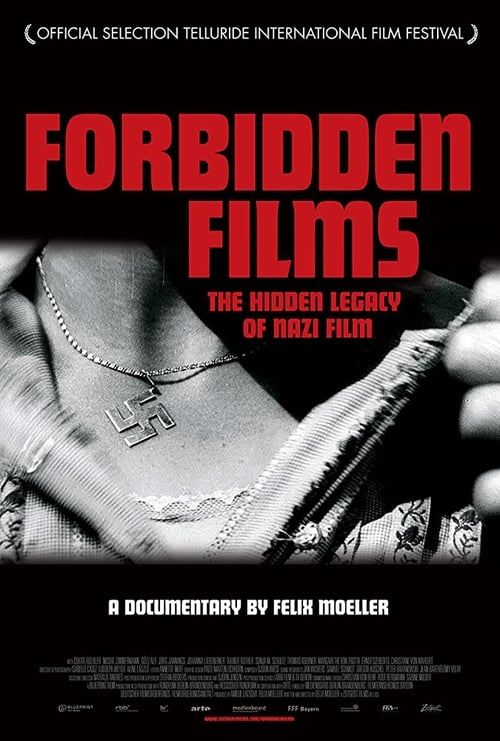
Between 1933 and 1945 roughly 1200 films were made in Germany, of which 300 were banned by the Allied forces. Today, around 40 films, called "Vorbehaltsfilme", are locked away from the public with an uncertain future. Should they be re-released, destroyed, or continue to be neglected? Verbotene Filme takes a closer look at some of these forbidden films.
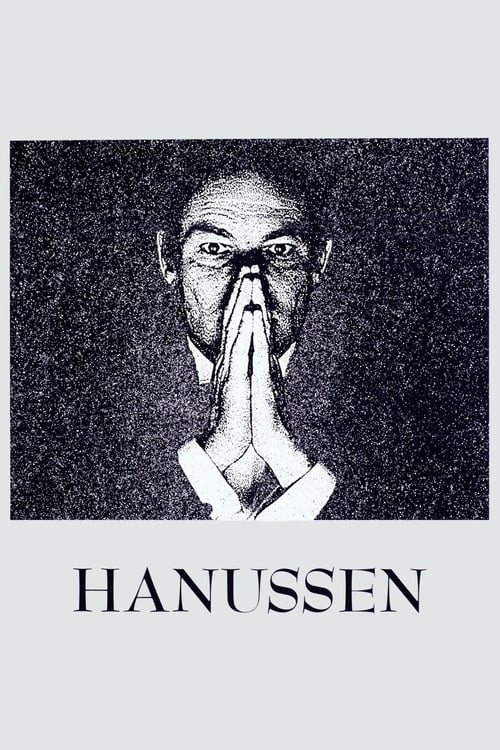
A man's story parallels Hitler's rise. Austrian Klaus Schneider, wounded in World War I, recovers in the care of Dr. Emil Bettleheim. Bettleheim discovers that Schneider possesses powers of empathy and of clairvoyance, such that could aid suicidal patients. After the war, with one friend as his manager and another as his lover, Schneider changes his name to Eric Jan Hanussen and goes to Berlin, as a hypnotist and clairvoyant performing in halls and theaters. He always speaks the truth, which brings him to the attention of powerful Nazis. He predicts their rise (good propaganda for them) and their violence (not so good). He's in pain and at risk. What is Hanussen's future?
Master filmmaker Alexander Sokurov (Russian Ark) transforms a portrait of the world-renowned museum into a magisterial, centuries-spanning reflection on the relation between art, culture and power.
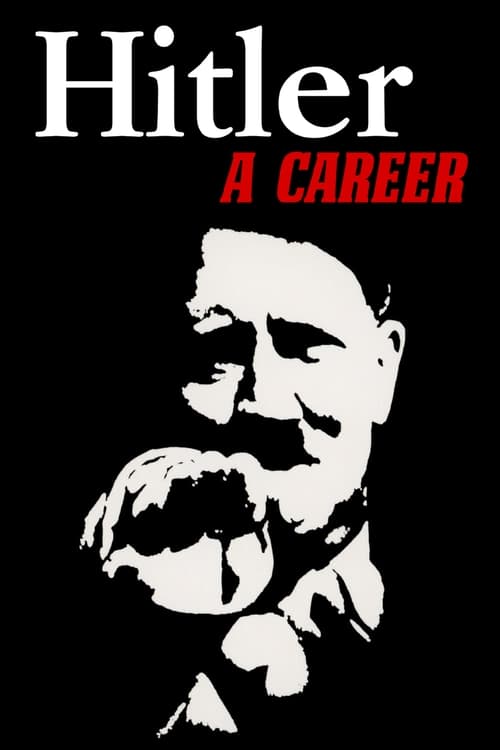
A keen chronicle of the unlikely rise to power of Adolf Hitler (1889-1945) and a dissection of the Third Reich (1933-1945), but also an analysis of mass psychology and how the desperate crowd can be deceived and shepherded to the slaughterhouse.
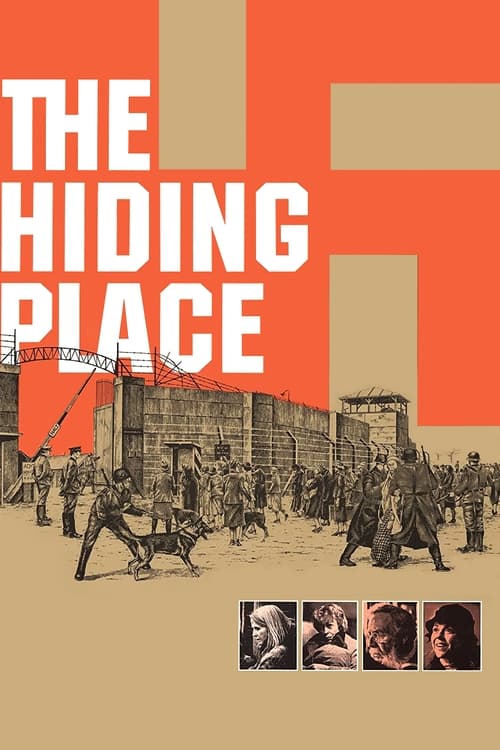
Corrie and Betsie ten Boom are middle-aged sisters working in their father's watchmaker shop in pre-World War II Holland. Their uneventful lives are disrupted with the coming of the Nazis. Suspected of hiding Jews and caught breaking rationing rules, they are sent to a concentration camp, where their Christian faith keeps them from despair and bitterness.
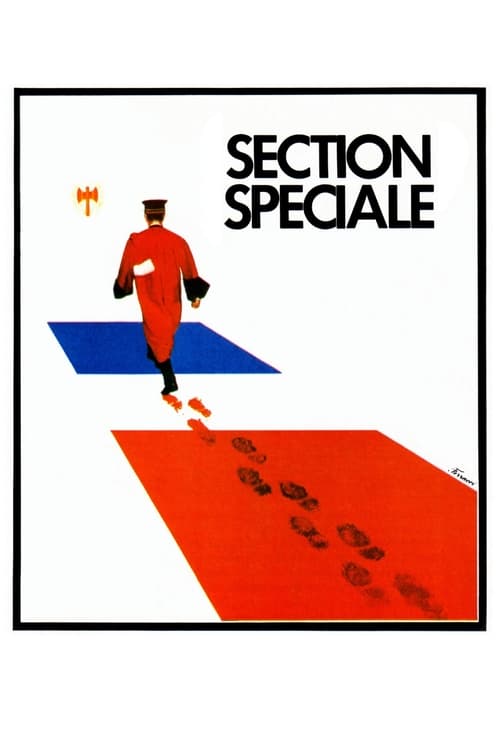
In Nazi-occupied France, a German officer is assassinated. The Germans demand justice, and the Vichy government is quick to capitulate. Unable to apprehend the actual culprits, Minister of Justice Joseph Barthélémy decides the execution of token Frenchmen will suffice, but the problem is finding judges and jurors eager to participate in a sham trial of innocent men. The solution is a Special Section, a court comprised of individuals handpicked for this exact purpose.
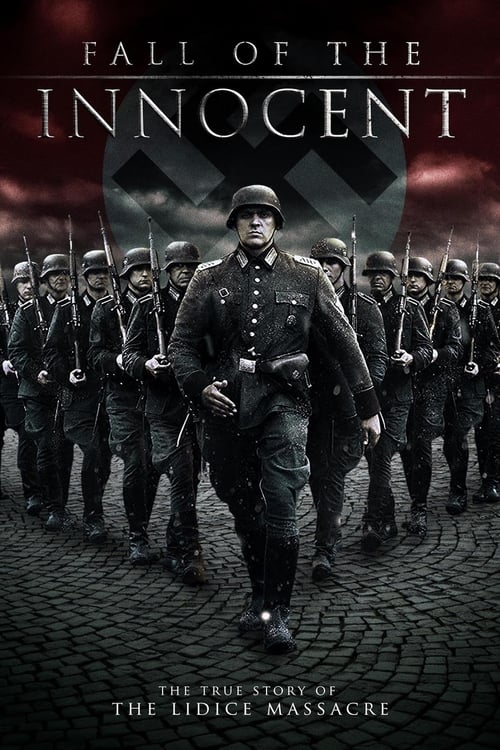
Czechoslovakia, 1941. As the war continues, Reich Protector Reinhard Heydrich arrives in Nazi-occupied Prague and establishes a regime of terror that will force freedom fighters to act. But the price to pay will be too high.
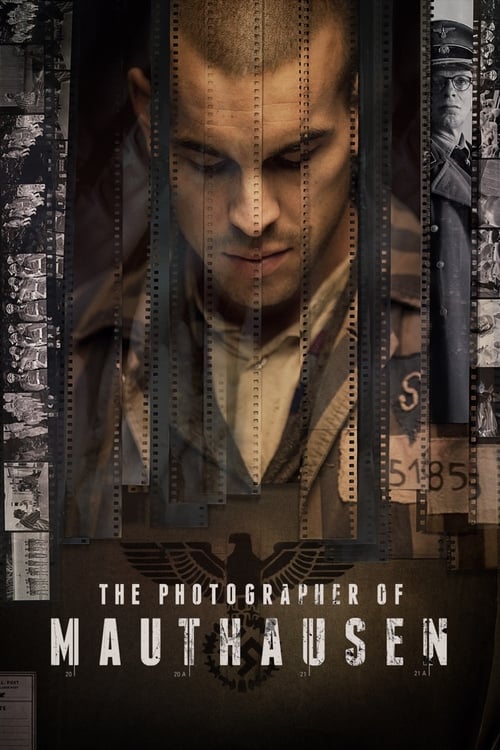
Spanish photographer Francesc Boix, imprisoned in the Mauthausen-Gusen concentration camp, works in the SS Photographic Service. Between 1943 and 1945, he hides, with the help of other prisoners, thousands of negatives, with the purpose of showing the freed world the atrocities committed by the Nazis, exhaustively documented. He will be a key witness during the Nuremberg Trials.
Patriotic freedom fighters struggle against a fascist dictatorship in a near-future USA.
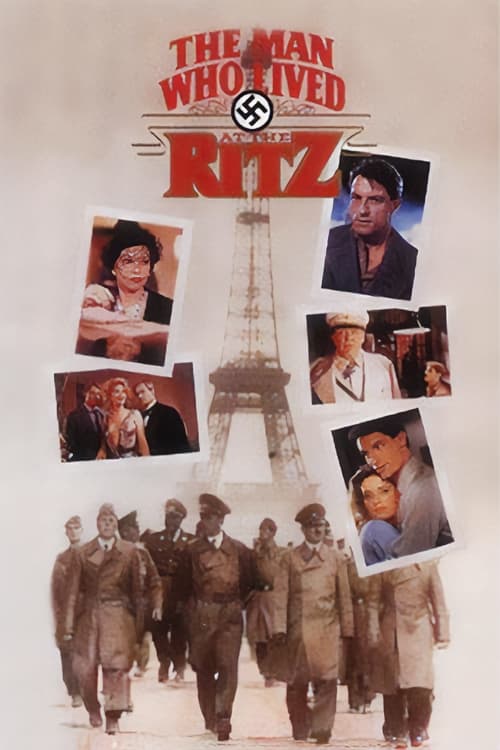
In this drama, an American art student is trapped amidst the political turmoil of war-torn Europe while visiting Paris and staying at the fabulous Ritz hotel. Rather than cope constructively with it all, the fellow opts to ignore it and continue living the high-life for as long as possible.
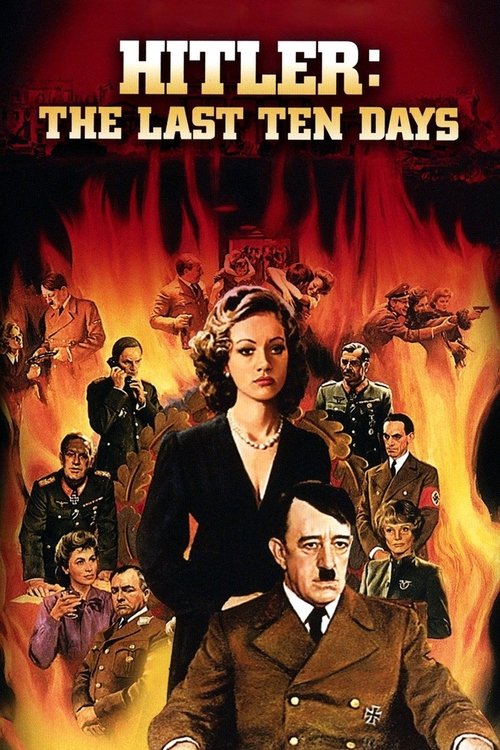
Hitler: The Last Ten Days takes us into the depths of der Furher’s Berlin bunker during his final days. Based on the book by Gerhard Boldt, it provides a bleak look at the goings-on within, and without.
The love between Mateusz Krol, a Kashubian boy, and Marita von Krauss, a Prussian aristocrat in whose family home he is taken in when his mother dies, grows and matures thorough the years, while Kashubia, the northern Polish region where they live, suffers the consequences of the tragedies that will ravage Europe from the beginning of the 20th century until the end of the World War II.
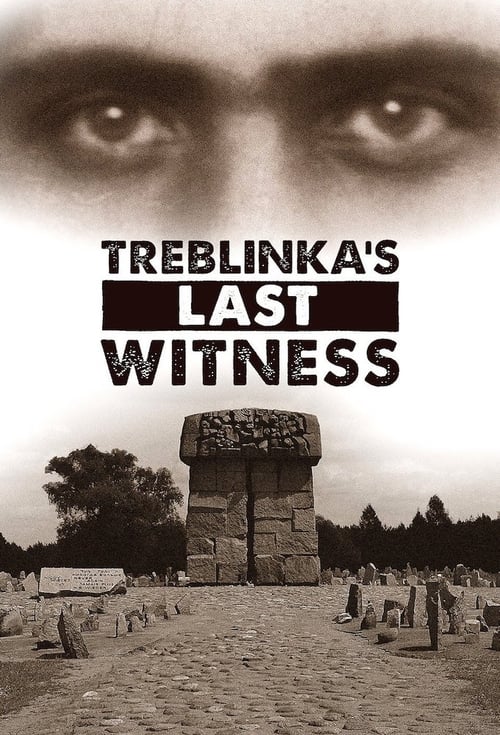
Samuel Willenberg and Kalman Taigman, the last two survivors of the Nazi extermination camp Treblinka, recount the horrors they experienced during the war and talk about their lives after their escape in a prisoner uprising in 1943. Willenberg would go on to become a hero of the 1944 Warsaw uprising while Taigman would be called as a witness during the infamous trial of Adolf Eichmann.
Goering
Le directeur général d'Allianz
Goebbels
Himmler
No Trailers found.