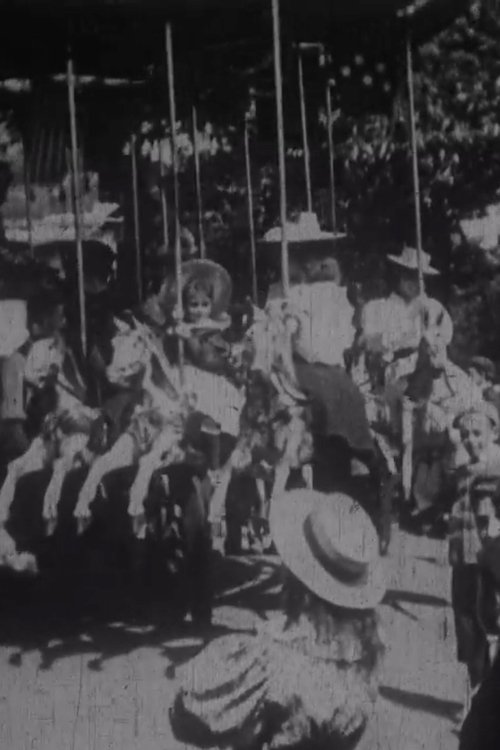
An actuallity film of a fairground carousel in action. Filmmaker unknown but it has been suggested it is R.W. Paul. The film was made on Hampstead heath, London, UK.
No Trailers found.
No Cast found.
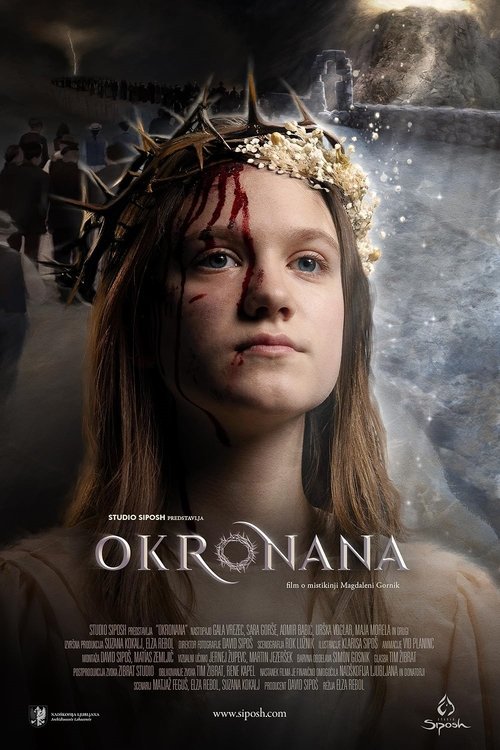
In the film Crowned, we follow the extraordinary story of Magdalena Gornik, who lived in the 19th century with mystical phenomena and faced opposition, yet persistently followed her mission of converting hearts and drawing near to God through suffering.
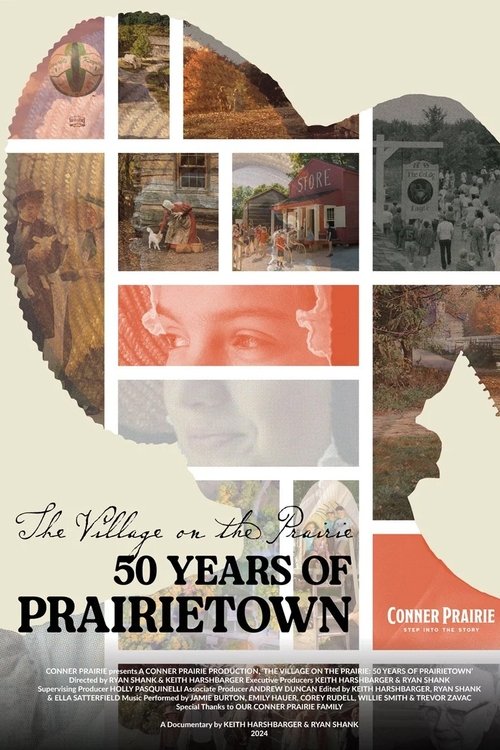
Founded in 1974 by Eli Lilly, Prairietown at Conner Prairie immerses guests in 19th-century Indiana life through trades, foodways, music and daily activities. In 2024, its 50-year legacy is celebrated with a documentary.
No overview available.
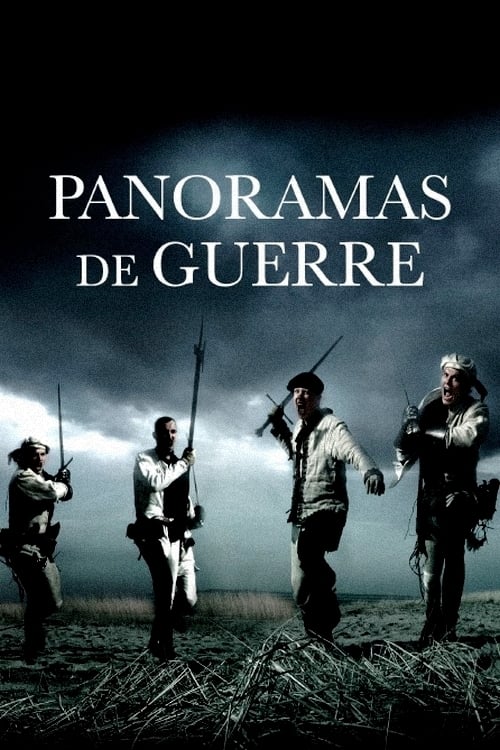
The end of the Franco-Prussian war (1870-71) saw the birth of the panoramas of war, huge circular paintings depicting scenes of war, cruelty and desolation that were contemplated by thousands of spectators, a kind of inmersive static newsreels, a mass media prior to the era of mass media, a virtual reality on canvas.
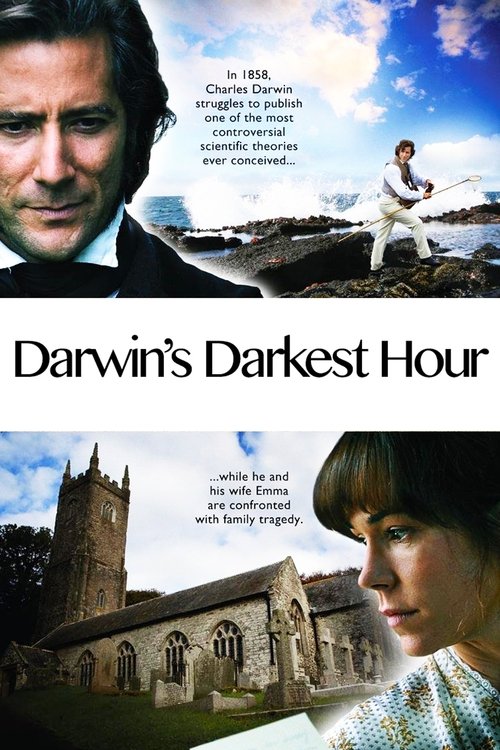
In 1858 Charles Darwin struggles to publish one of the most controversial scientific theories ever conceived, while he and his wife Emma confront family tragedy.
May 5, 1821. Napoleon Bonaparte, deposed emperor exiled on the island of St. Helena, is about to take his last breath. The son of a Corsican family, he has been close to death on many occasions since, as a young captain in the revolutionary army, he seized Toulon from the royalists in 1793.
An exploration of Edmond Dédé and Basile Barès were 19th-century New Orleans composers of color. Dédé, born free, was an orchestral composer and violist, known for his opera Morgiane. Barès, born into slavery, was a pianist and composer of music for dance halls, unique for being the only known American composer with a copyright assigned to his work while enslaved.
Cameras go behind the scenes at Brown's, London's oldest luxury hotel, during the Christmas season, as staff face the expectations of delivering a luxury festive stay for guests booking rooms that start at £750 a night. The hotel's elite team hosts a vibrant charity Christmas fayre, creates imaginative festive pastries, and concocts a signature holiday cocktail, all aimed at delivering the Christmas feast of a lifetime.
Moving picture of London's Trafalgar Square traffic, filmed with a kinesigraph.
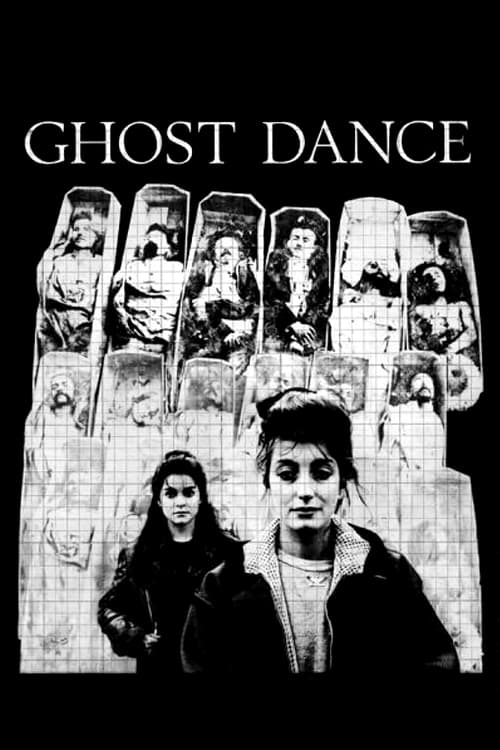
Through the experiences of two women in Paris and London, Ghost Dance offers an analysis of the complexity of our conceptions of ghosts, memory and the past. The film focuses on the French philosopher Jacques Derrida, who observes, 'I think cinema, when it's not boring, is the art of letting ghosts come back.' He also says that 'memory is the past that has never had the form of the present.'
A huge new global protest movement is changing public attitudes to climate change. Reporter Ben Zand gains access to the most high-profile activist group, Extinction Rebellion.
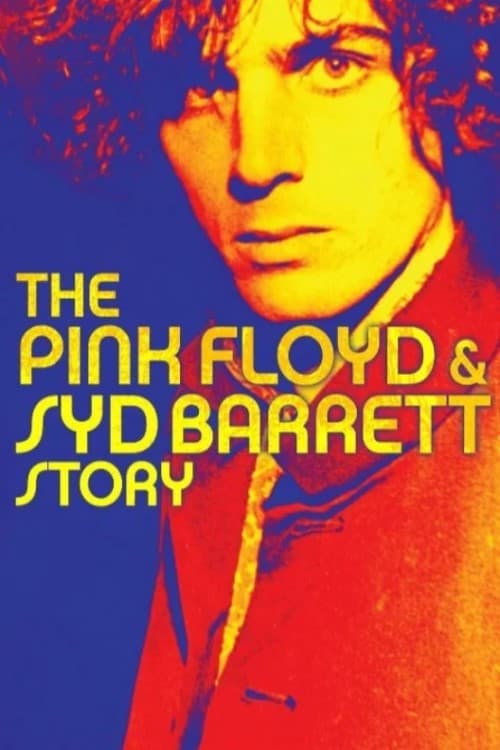
The full bizarre, tragic but celebratory story of Syd Barrett, the co-founder of Pink Floyd.
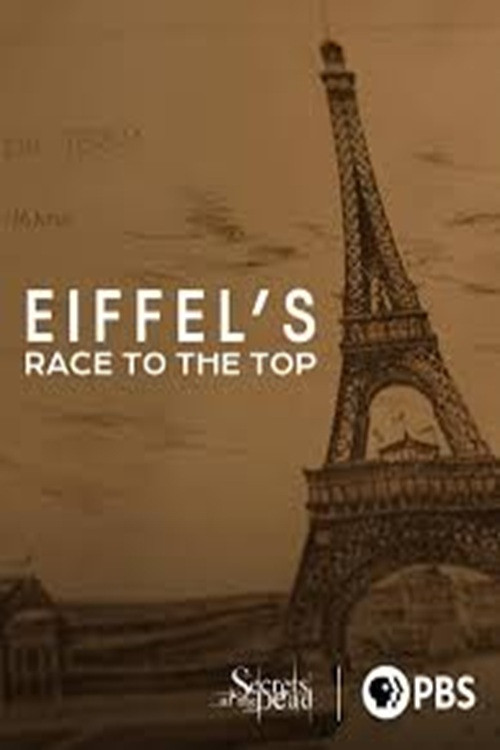
Behind the iconic Eiffel Tower lies the story of an incredible challenge to erect a thousand-foot tower that went far beyond a design competition, and marked a major turning point in engineering history. It was the beginning of radical transformation where iron was pitted against stone, engineering against architecture, and modern design against ancients. Press campaigns, lobbying, public conferences, denigration of opposing projects, bragging about big names - all participants engaged in a fierce battle without concession. Using 3D recreations, official sources (reports, letters, drawings...) and intimate archives obtained from their descendants, this film will bring to life this vertical race through a fresh and visual way to mark the centenary of Eiffel death.
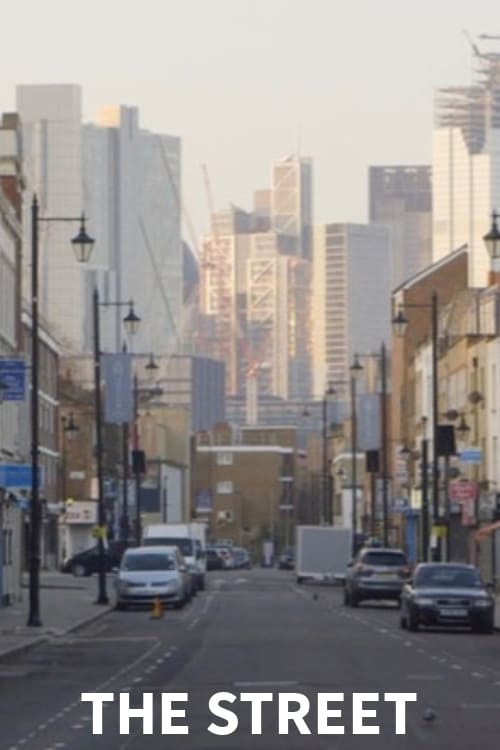
The baker, the pie-maker and the diminished long-term community of Hoxton Street face gentrification in this compelling portrait of a rapidly changing London.
They are young, all-American girls who enjoy horse riding, karate and Sherlock Holmes. But there's more to Brynne, Tess and Savannah than wholesome pursuits - they're exorcists. The girls believe much of the world's population is possessed by evil spirits which are causing addiction, depression and suffering. In a fight against the devil's army, they have been touring America performing public exorcisms on their believers. Now they are taking the fight to a city they think of as one of the most spiritually corrupt in the world - London. But what will Brits make of these evangelical American exorcists?
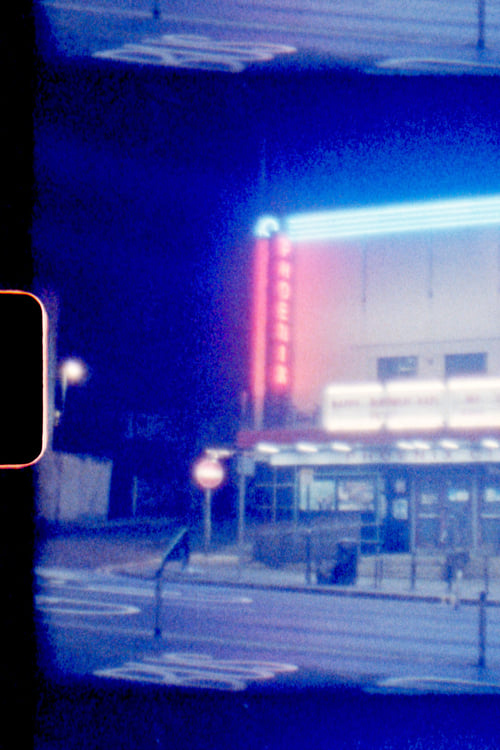
A fragmented collection of independent closed cinemas, in London during lockdown, captured on Super 8mm film.
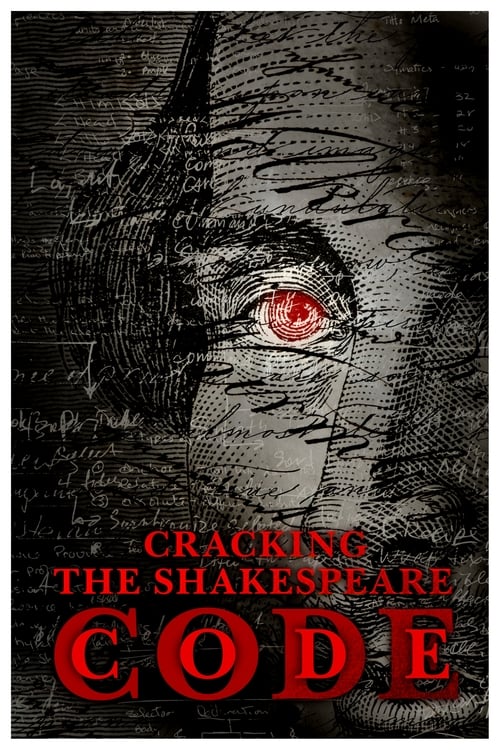
Norwegian researcher Petter Amundsen claims to have deciphered a secret code hidden in legendary playwright William Shakespeare's works that reveals a map leading to the location of certain treasures. British Shakespearean scholar Robert Crumpton embarks on a mission to prove he is spectacularly wrong. (A remake of “Shakespeare: The Hidden Truth,” including new discoveries.)
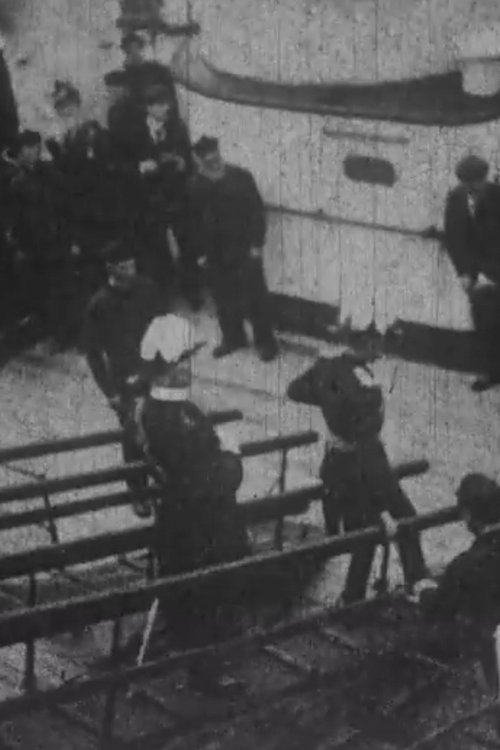
Actuality film. Late 19th century General Officer ranks and higher cross to a ship over a gangplank. As VIPs they meet some people which we don't get to see, then cross back again, getting caught in a crowd melée at the top of the stairs from the quayside.