No Cast found.
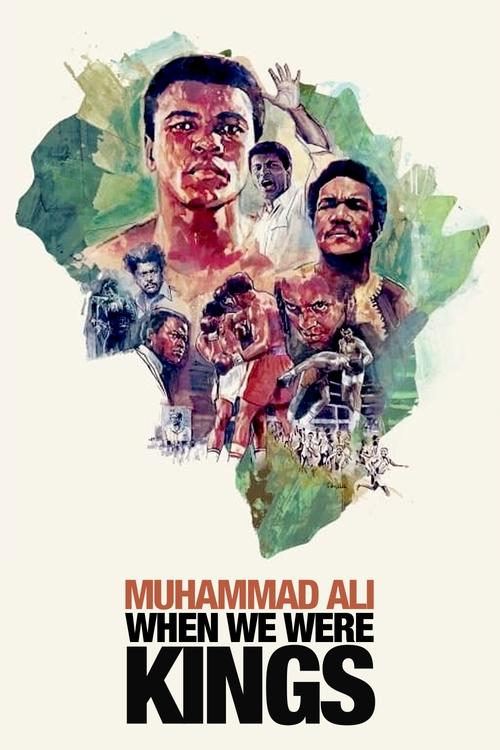
It's 1974. Muhammad Ali is 32 and thought by many to be past his prime. George Foreman is ten years younger and the heavyweight champion of the world. Promoter Don King wants to make a name for himself and offers both fighters five million dollars apiece to fight one another, and when they accept, King has only to come up with the money. He finds a willing backer in Mobutu Sese Suko, the dictator of Zaire, and the "Rumble in the Jungle" is set, including a musical festival featuring some of America's top black performers, like James Brown and B.B. King.
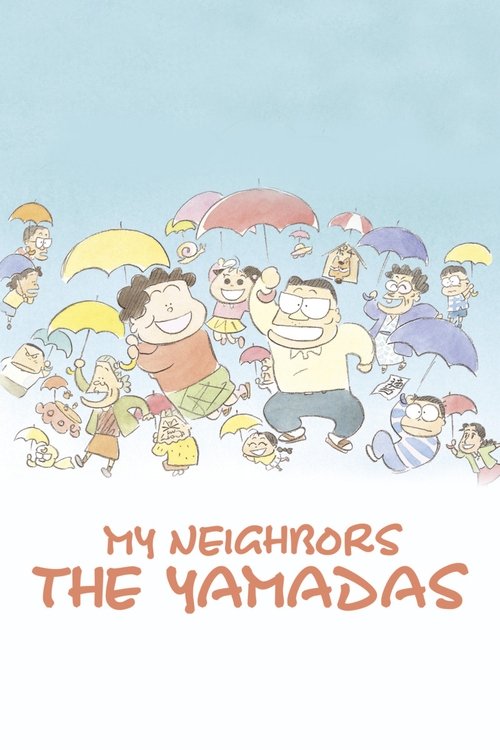
The Yamadas are a typical middle class Japanese family in urban Tokyo and this film shows us a variety of episodes of their lives. With tales that range from the humorous to the heartbreaking, we see this family cope with life's little conflicts, problems, and joys in their own way.
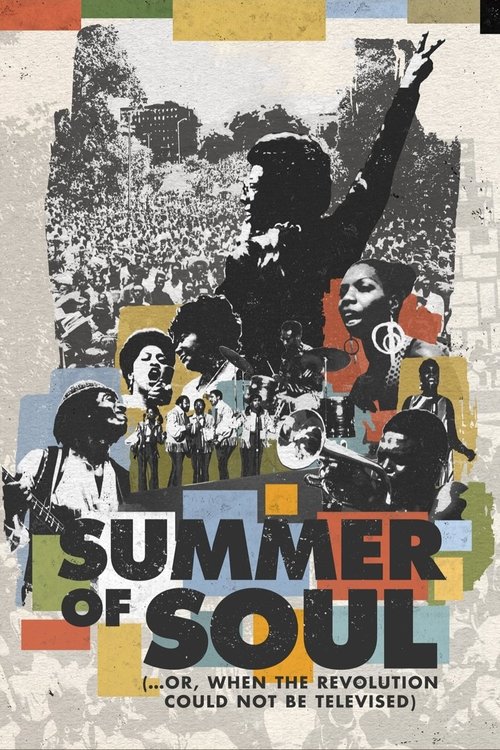
During the same summer as Woodstock, over 300,000 people attended the Harlem Cultural Festival, celebrating African American music and culture, and promoting Black pride and unity. The footage from the festival sat in a basement, unseen for over 50 years, keeping this incredible event in America's history lost — until now.
Festival panafricain d'Alger is a documentary by William Klein of the music and dance festival held 40 years ago in the streets and in venues all across Algiers. Klein follows the preparations, the rehearsals, the concerts… He blends images of interviews made to writers and advocates of the freedom movements with stock images, thus allowing him to touch on such matters as colonialism, neocolonialism, colonial exploitation, the struggles and battles of the revolutionary movements for Independence.
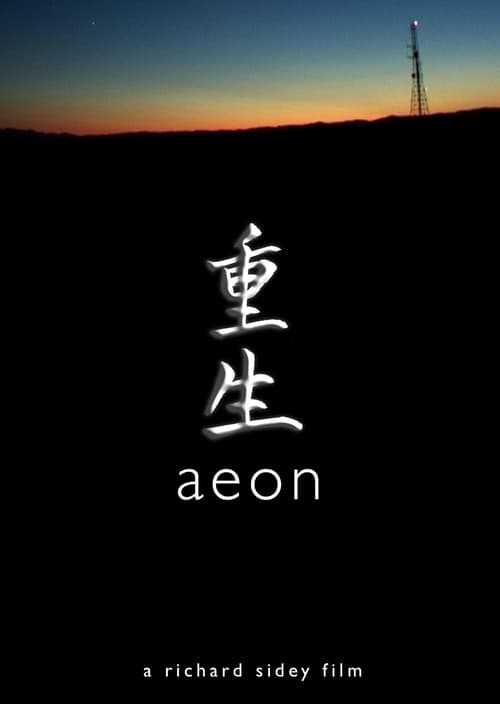
Dealing heavily with perceptions of time, Aeon documents the urban cityscape as Wellington transforms through a zen-influenced eternal cycle of birth, life, death and rebirth within a 24-hour period.
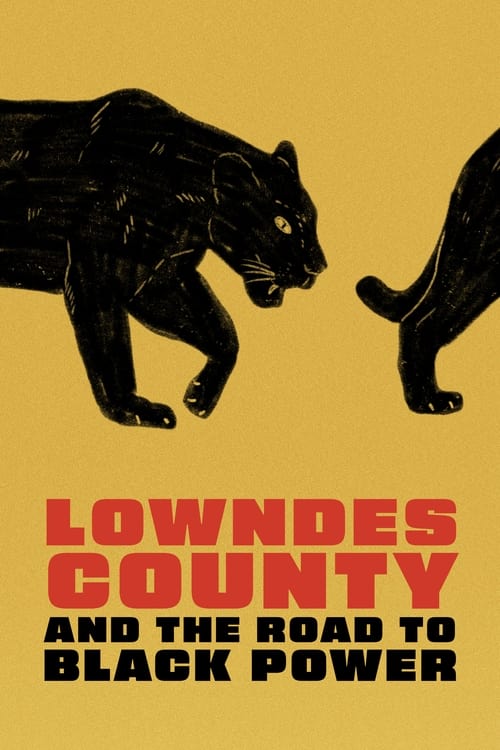
Through first person accounts and searing archival footage, this documentary tells the story of the local movement and young Student Nonviolent Coordinating Committee (SNCC) organizers who fought not just for voting rights, but for Black Power in Lowndes County, Alabama.
An examination of the Black Power movement in the late 1960s in the UK, surveying both the individuals and the cultural forces that defined the era. At the heart of the documentary is a series of astonishing interviews with past activists, many of whom are speaking for the first time about what it was really like to be involved in the British Black Power movement, bringing to life one of the key cultural revolutions in the history of the nation.
Beginning as a city-symphony of Newark streets, buildings, and people set to wordless chanting, The New-Ark quickly arrives at its political imperatives: Black Power must be accomplished through nationalism, and "a nation is organization." The film focuses on black education, urban public theater, and political consciousness-raising inside and outside of Spirit House - director Amiri Baraka's Black nationalist community center.
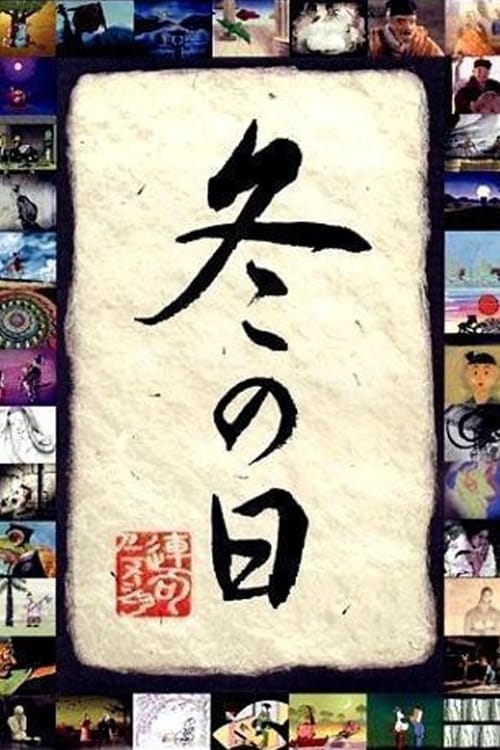
An animated film based on one of the renku (collaborative linked poems) in the 1684 collection of the same name by the 17th-century Japanese poet Bashō. The creation of the film followed the traditional collaborative nature of the source material – the visuals for each of the 36 stanzas were independently created by 35 different animators. As well as many Japanese animators, Kawamoto assembled leading names in animation from across the world. Each animator was asked to contribute at least 30 seconds to illustrate their stanza, and most of the sequences are under a minute (Yuriy Norshteyn's, though, is nearly two minutes long).
No overview available.
A poet and a spirit have an ongoing deal: Haiku for life.
Silvia needs to get rid of a rat that has invaded the kitchen where she works while dealing with the growing abuses of her boss Suzana.
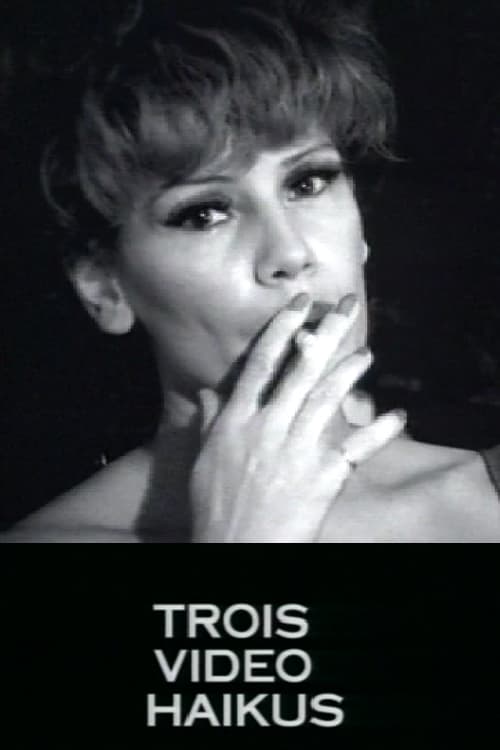
A collection of three short “video haikus” by Chris Marker. Yanka / Tchaika observes the Seine beneath a bridge; Owl Gets in Your Eyes features Catherine Belkhodja with an owl superimposed in flight; and Petite Ceinture pays homage to the Lumière brothers by filming empty train tracks along Paris’s disused railway.
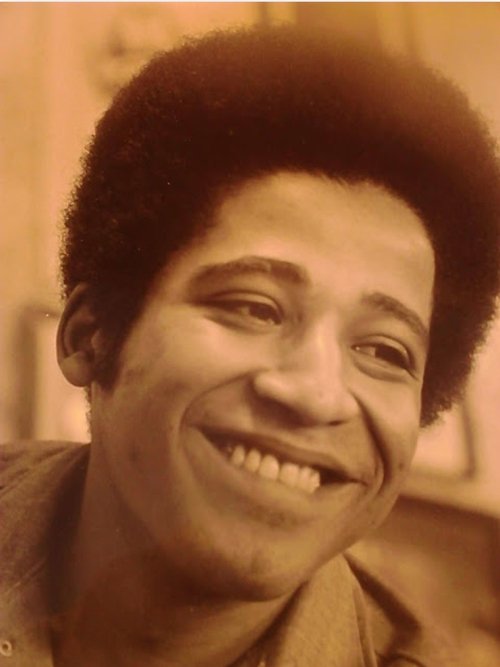
Courtesy of The Freedom Archives 1972, 28 min. This extraordinary video is from a 16mm film “work print” made in 1971–1972, and includes interviews with George Jackson, Georgia Jackson (George and Jonathan Jackson’s mother) and Angela Davis, while she was still in the Marin County Courthouse Jail, before her acquittal. We have not been able to identify the other prisoners. As you will see, the film has no titles or other credits. The discovery of such amazing, previously unknown historic materials always leaves us thrilled and in awe, deepening our understanding of those times and affirming the mission of the Freedom Archives.
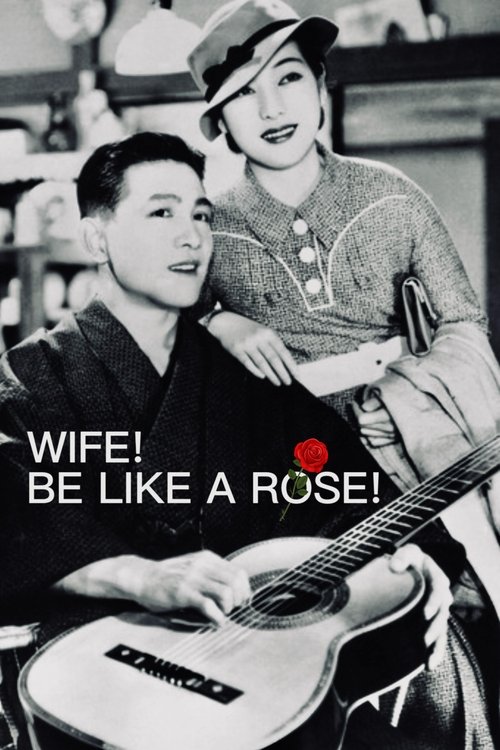
Kimiko, a Tokyo white-collar working girl, lives with her serious, intellectual, haiku-writing mother. Kimiko seeks to marry her boyfriend but needs her absent father to act as the go-between and negotiate the marriage. Kimiko travels and finds her father living with a second family.
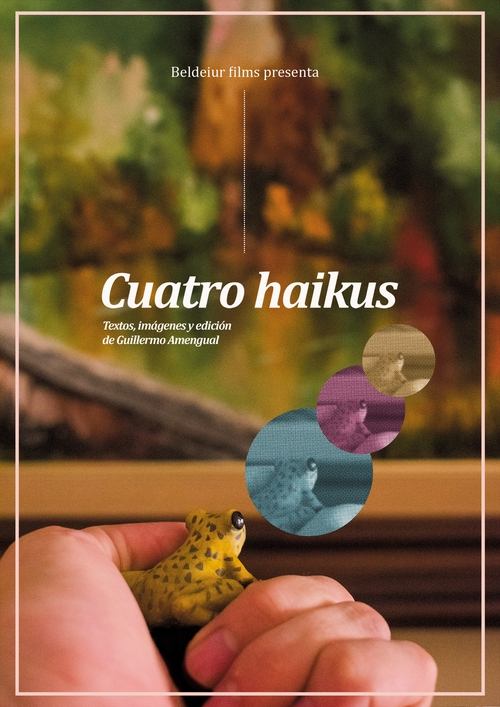
Twelve shots, four sequences. Each of them will try to evoke a feeling, a sensation, an idea, a landscape… just like the iconic and transcendental Japanese poems known as “Haiku”.
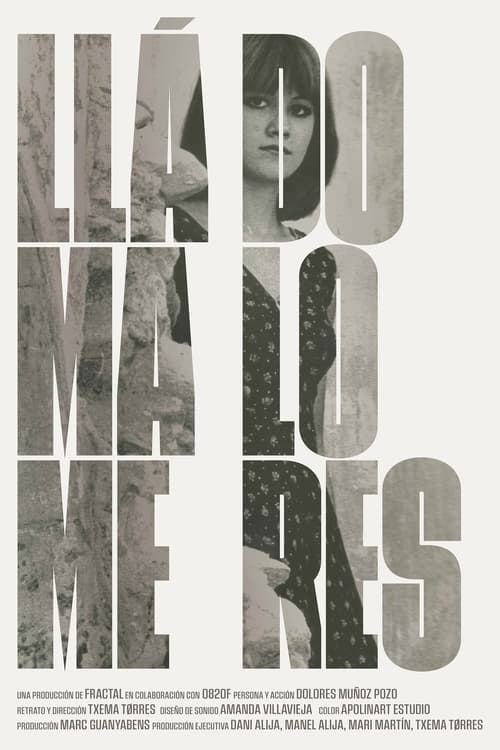
On the threshold of her old age, Dolores faces a wall full of memories.
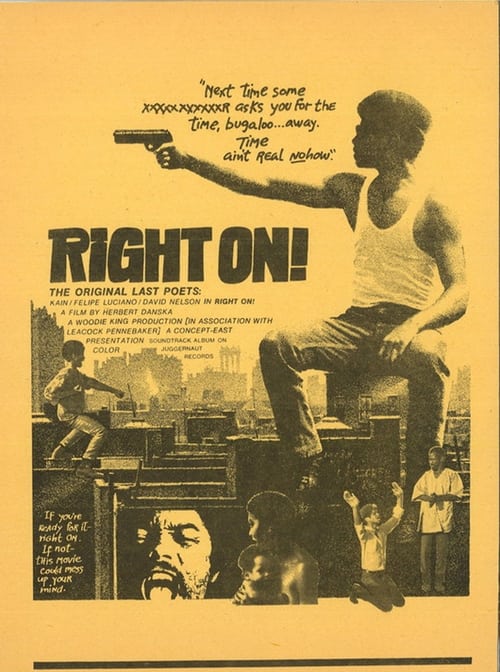
Filmed on the rooftops of lower Manhattan, this performance film features the original Last Poets performing 28 numbers adapted from their legendary Concept-East Poetry appearance at New York's Paperback Theater in 1969. Described as “a conspiracy of ritual, street theater, soul music and cinema."
After meeting one day, a shy boy who expresses himself through haiku and a bubbly but self-conscious girl share a brief, magical summer.
Trailer