This film examines how media empires, led by Rupert Murdoch's Fox News, have been running a "race to the bottom" in television news, and provides an in-depth look at Fox News and the dangerous impact on society when a broad swath of media is controlled by one person. Media experts, including Jeff Cohen (FAIR) Bob McChesney (Free Press), Chellie Pingree (Common Cause), Jeff Chester (Center for Digital Democracy) and David Brock (Media Matters) provide context and guidance for the story of Fox News and its effect on society. This documentary also reveals the secrets of Former Fox news producers, reporters, bookers and writers who expose what it's like to work for Fox News. These former Fox employees talk about how they were forced to push a "right-wing" point of view or risk their jobs. Some have even chosen to remain anonymous in order to protect their current livelihoods. As one employee said "There's no sense of integrity as far as having a line that can't be crossed."
In "Diana: The Mourning After" Christopher Hitchens sets out to examine the bogusness of "a nation's grief", tries to uncover the few voices of sanity that cut against the grain of contrived hysteria. His findings suggested that the collective hordes of emotive Dianaphiles sobbing in the streets were not only encouraged but emulated by the media. In the aftermath of Diana's death a three-line whip was enforced on newspapers and on TV, selling the sainthood line wholesale. The suspicion was that journalists, like the public, greeted the death as a chance to wax emotional in print, as a change from the customary knowing cynicism, to wheel out all those portentous phrases they'd been saving up for the big occasion. Sadly, they just seemed to be showboating; the eulogies, laments and tear-soaked platitudes ringing risibly hollow.
A young investigative journalist and his fiancée are brutally murdered in their home in Slovakia. Their deaths inspire the biggest protests in Slovakia since the fall of communism. The story takes an unexpected turn when a source leaks the secret murder case file to the murdered journalist’s colleagues. It includes the computers and encrypted communications of the assassination’s alleged mastermind, a businessman closely connected to the country’s ruling party. Trawling these encrypted messages, journalists discover that their country has been captured by corrupt oligarchs, judges, and law enforcement officials. A reckoning awaits.
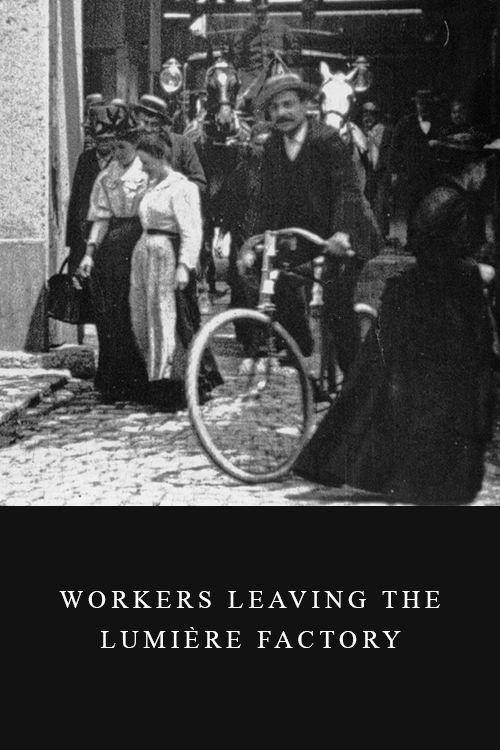
Working men and women leave through the main gate of the Lumière factory in Lyon, France. Filmed on 22 March 1895, it is often referred to as the first real motion picture ever made, although Louis Le Prince's 1888 Roundhay Garden Scene pre-dated it by seven years. Three separate versions of this film exist, which differ from one another in numerous ways. The first version features a carriage drawn by one horse, while in the second version the carriage is drawn by two horses, and there is no carriage at all in the third version. The clothing style is also different between the three versions, demonstrating the different seasons in which each was filmed. This film was made in the 35 mm format with an aspect ratio of 1.33:1, and at a speed of 16 frames per second. At that rate, the 17 meters of film length provided a duration of 46 seconds, holding a total of 800 frames.
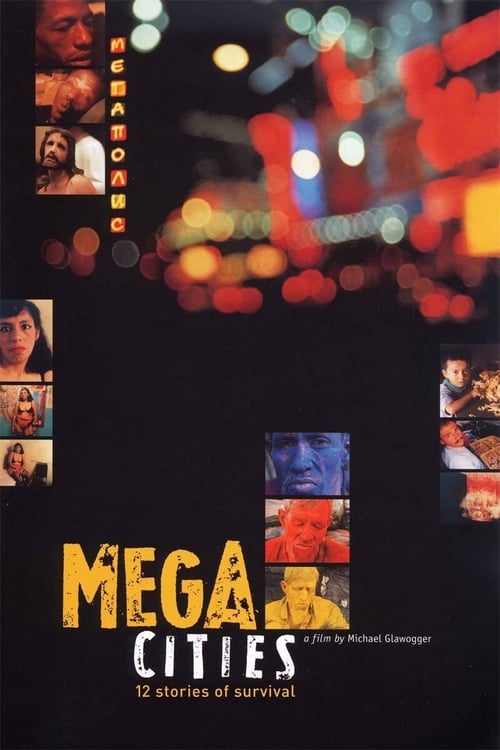
Megacities is a documentary about the slums of five different metropolitan cities.
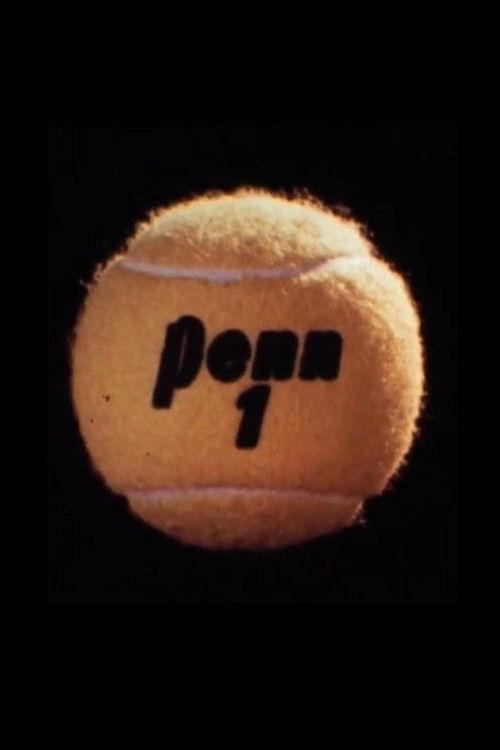
An insider's look on the making of Penn's tennis balls, from their creation in a factory to the final stages of quality control.
The concept of machine-made knit was known as early as the 1850s, but it was only during the 1920s that the quality of the material had improved. When the plant known as "Atlas" was introduced in 1931, the shop windows drew a lot of attention, and Aho & Soldan was ordered to make a promotional film. In this well-paced film, we see the jersey production step by step.
A short film following the release of journalist and activist Barrett Brown from prison, and his drive across Texas to a halfway house. 'Relatively Free' is an examination of Brown's return to a very different world, post the election.
"Was it the President who ordered the rivers to be six meters deep?" In 2008, under President Lee Myung-bak's administration, South Korea's Four Major Rivers Restoration Project turned the country's beautiful rivers into scenes of devastation. What were once pristine first-grade waters became lifeless rivers, choked with toxic green algae emitting foul odors. Crops irrigated with this contaminated water are now served on the table of Korean people. The government disguised a grand canal project as river restoration, and the media turned a blind eye — together enabling one of the greatest environmental destructions in Korean history. The consequences of this deception will be borne by future generations. To ensure that future generations can once again run freely along the rivers, we must act—now. We must make Korea's rivers flow again.
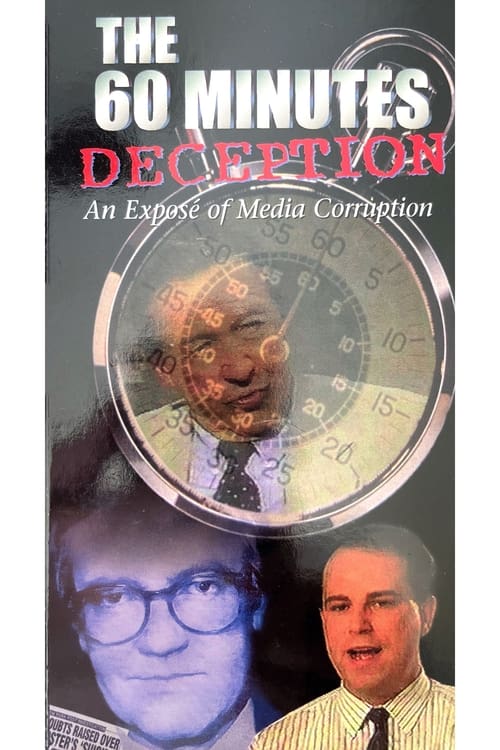
Should we believe everything we hear on the news? Can we trust the national media? Are we being fed the truth or an agenda? The 60 Minutes Deception takes you behind the scenes of one of America's most popular and longest running news magazine shows and reveals a shocking web of deceit! In The 60 Minutes Deception you will witness firsthand: How a dedicated and courageous journalist was viciously smeared by "60 Minutes" at the request of the White House. How Mike Wallace, the host of "60 Minutes," deliberately omitted crucial evidence and distorted interview responses through manipulative editing. Why the major news media refuses to report the truth about certain political scandals and the abuse of power. The 60 Minutes Deception is one of the most important and damaging expos�s ever produces, clearly showing the dishonest tactics used by the mainstream press in providing misinformation to the American people. Must viewing for all concerned Americans!
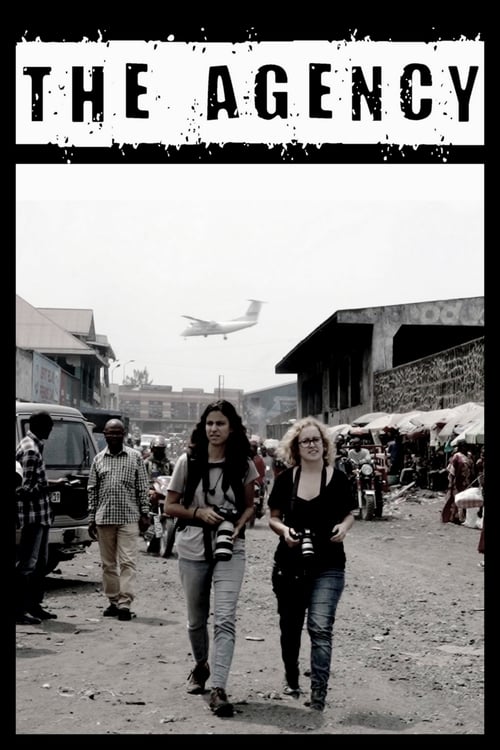
A look at the work of a group of reporters and photographers from EFE, a Spanish news agency founded in 1939, which is celebrating its eightieth anniversary. A journey around the world —Mexico, Congo, USA, Libya, France, Spain, China and the Chilean Patagonia— with the purpose of honoring all people who work in the shadows, tirelessly seeking the truth in the era of social networks and fake news.
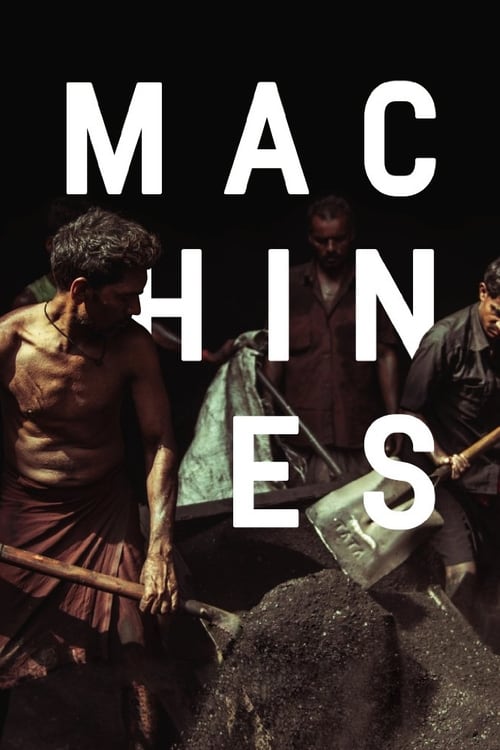
This portrayal of the rhythm of life and work in a gigantic textile factory in Gujarat, India, moves through the corridors and bowels of the enormously disorienting structure—taking the viewer on a journey of dehumanizing physical labor and intense hardship.
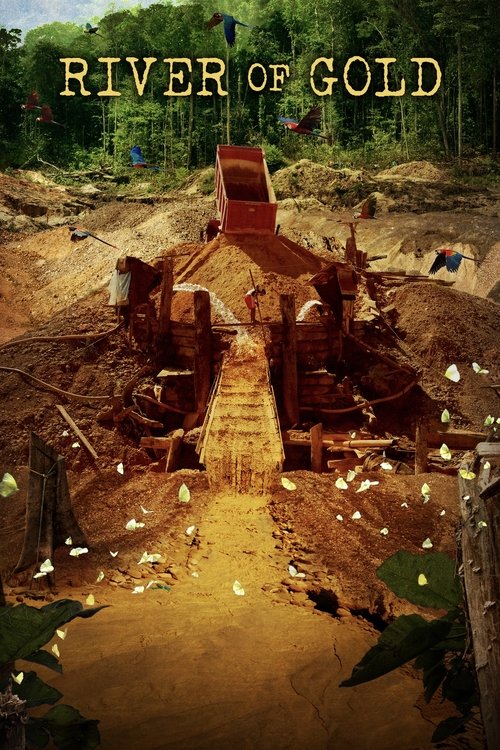
Narrated by Academy Award winners Sissy Spacek and Herbie Hancock, River of Gold is the disturbing account of a clandestine journey into Peru's Amazon rainforest to uncover the savage unraveling of pristine jungle. What will be the fate of this critical region of priceless biodiversity as these extraordinarily beautiful forests are turned into a hellish wasteland?
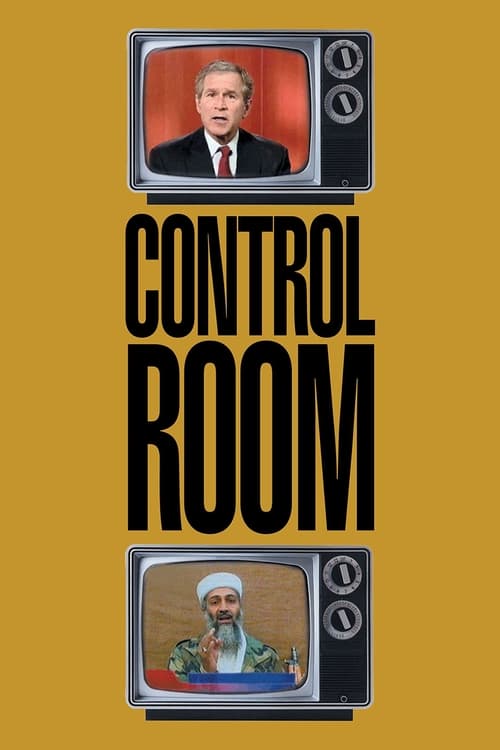
A chronicle which provides a rare window into the international perception of the Iraq War, courtesy of Al Jazeera, the Arab world's most popular news outlet. Roundly criticized by Cabinet members and Pentagon officials for reporting with a pro-Iraqi bias, and strongly condemned for frequently airing civilian causalities as well as footage of American POWs, the station has revealed (and continues to show the world) everything about the Iraq War that the Bush administration did not want it to see.
No overview available.
A total of 17 journalists have been fired since 2008, the beginning of LEE Myung-bak’s presidential term. They fought against the companies that they worked for succumbing to power and are now frustrated at reality where censorship of the press by authority has now become a norm. Can they continue their activities as journalists?
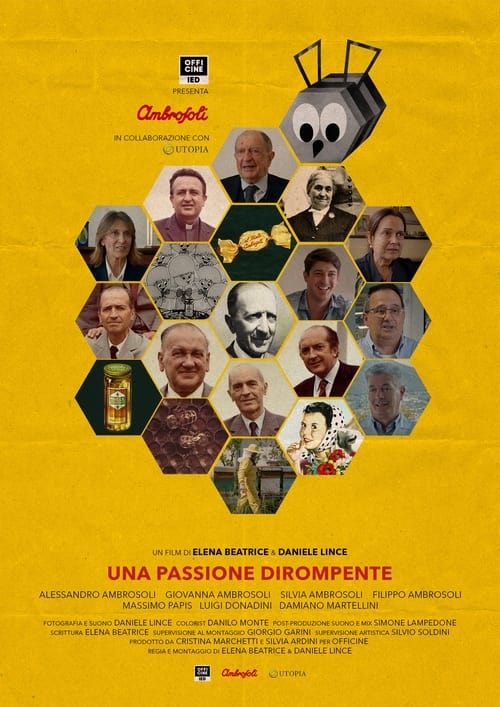
A journey through a century of Ambrosoli family history.
From the front lines of the bankrupt Chicago Tribune, to the vibrant local online publishing and start-up scene, pioneering journalists struggle to reinvent a storied, yet troubled industry. "Mashed Media" visits bloggers, independent publishers, hacker journalists, and social media mavens working in the trenches of Chicago, providing a rare and intimate look at the future of journalism now.
This documentary from 1980 depicts a factory community in China where over 6000 workers process, spin and weave raw cotton into 90 million yards of high-quality cloth per year. Also seen are the workers' residential, social, recreational and educational facilities, all located on factory property. The film presents an engrossing study of a lifestyle that is very different from that of the Western world.
No Cast found.
No Trailers found.