No Trailers found.
No Cast found.
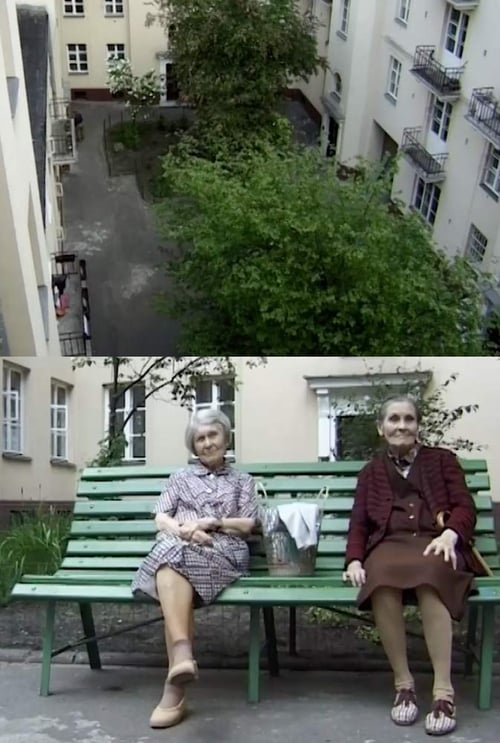
Two old sisters, living in the same Warsaw apartment, sit on a bench and talk. The 87-year-old elder one seems to care for the other reluctantly and treat her badly. The younger, who is said to be clumsier, has walking problems.
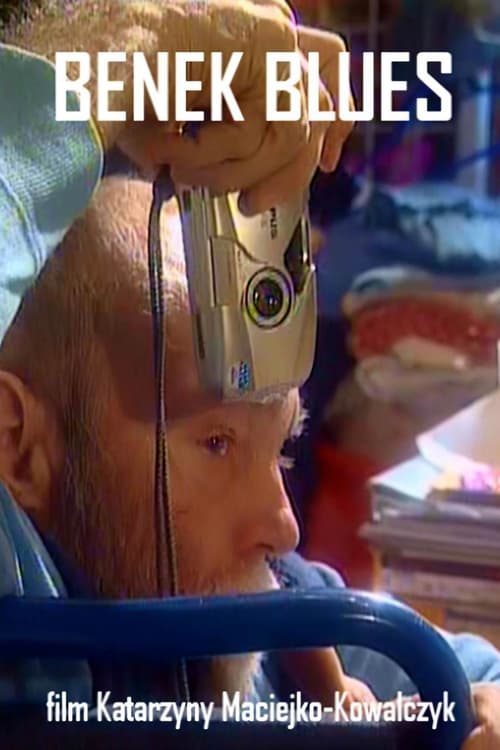
The action is placed in a cramped flat in Warsaw’s district of Ochota. A father and a son, both bedridden, live in a fascinating symbiosis. The son, a well‑known photographer Bernard ben Dobrowolski, is lying in bed because a chronic condition has deformed his body and immobilized him. The father, Dominik, has recently suffered from a stroke. Now they are taking care of each other and crowds of visitors move through their room.
An Indonesian student in London attempts to deal with the absurdity of confinement and immobility due to then-ongoing coronavirus lockdown by talking to his parents – who also face similar movement restrictions in Jakarta – over the phone.
The personal stories lived by the Uncle, the Father and the Son, respectively, form a tragic experience that is drawn along a line in time. This line is comparable to a crease in the pages of the family album, but also to a crack in the walls of the paternal house. It resembles the open wound created when drilling into a mountain, but also a scar in the collective imaginary of a society, where the idea of salvation finds its tragic destiny in the political struggle. What is at the end of that line? Will old war songs be enough to circumvent that destiny?
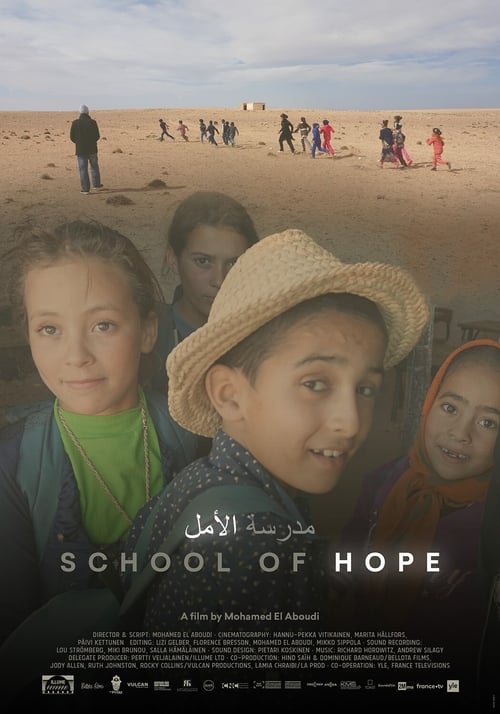
In the vast expanse of desert East of Atlas Mountains in Morocco, seasonal rain and snow once supported livestock, but now the drought seems to never end. Hardly a blade of grass can be seen, and families travel miles on foot to get water from a muddy hole in the ground. Yet the children willingly ride donkeys and bicycles or walk for miles across rocks to a "school of hope" built of clay. Following both the students and the teachers in the Oulad Boukais Tribe's community school for over three years, SCHOOL OF HOPE shows students Mohamed, Miloud, Fatima, and their classmates, responding with childish glee to the school's altruistic young teacher, Mohamed. Each child faces individual obstacles - supporting their aging parents; avoiding restrictions from relatives based on traditional gender roles - while their young teacher makes do in a house with no electricity or water.
The documentary follows the life of a blind couple who, despite social prejudice, decided to have a child. Ferike has a dream: when he grows up, he will collect the money for his parents’ surgery so that they can regain their eyesight and be able to see just like him. For the time being, he accompanies them in their daily life. He assists them everywhere: in a shop, on the way to work, in a museum or the zoo. The parents do their best to have the son enjoy his childhood just like his peers and, at the same time, not move too far away from them.
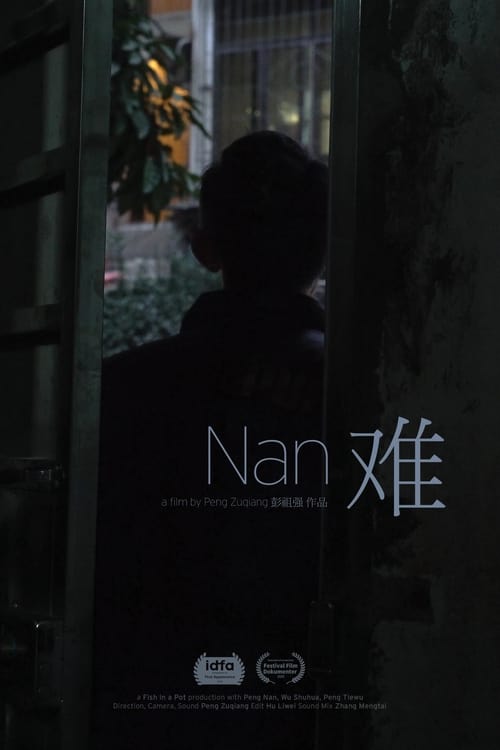
Peng Zuqiang chronicles the final two years his uncle Nan spends under the same roof as his elderly parents. Born with physical challenges, Nan requires constant care. Their world largely unfolds within the confines of their modest Chinese apartment, with only brief excursions for groceries or Nan's therapy sessions.
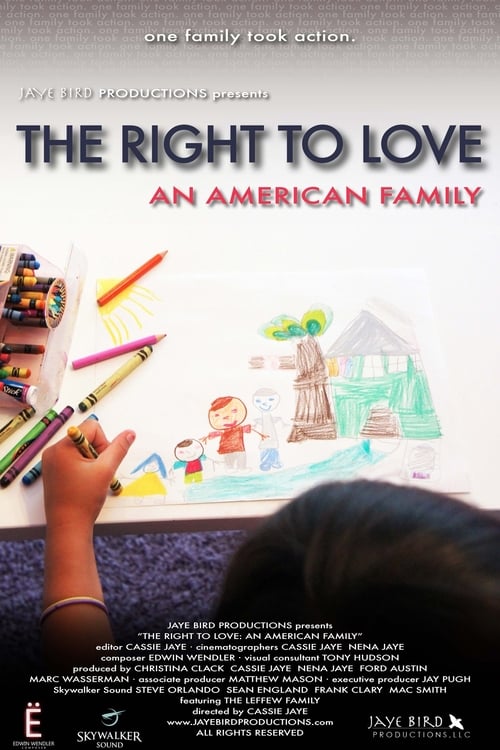
Chronicling one story of courage born out of the highly mediatized and controversial Prop 8 2008 election results in California. A Californian married gay couple and their two adopted children fight back against discrimination, ignorance and hate through home videos posted on their YouTube channel, Gay Family Values. As they pursue their American Dream, the opposing political, social and religious opinions that pervade society attempt to strip it from them.
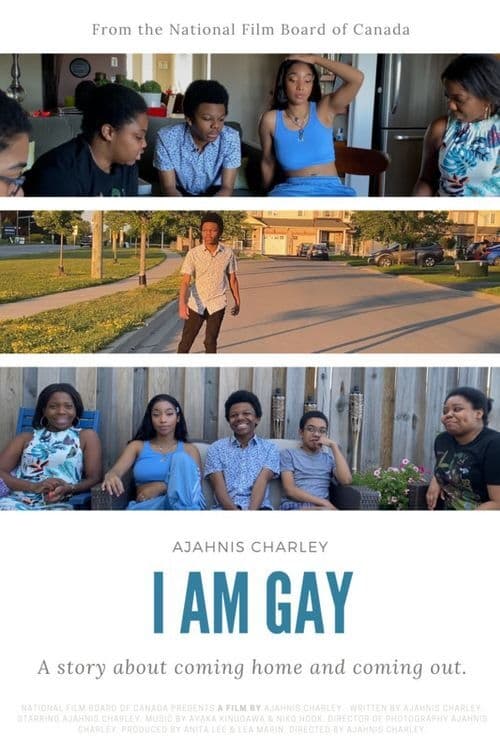
After working abroad for five years, filmmaker Ajahnis Charley returns home to Oshawa, Ontario, in the age of quarantine. In addition to reuniting with his family, he returns with a mission to share some deep personal truths. Surprising conversations ensue with his mother and three siblings creating, in this humorous and heart-wrenching story about our need to seek love and acceptance within our own families.
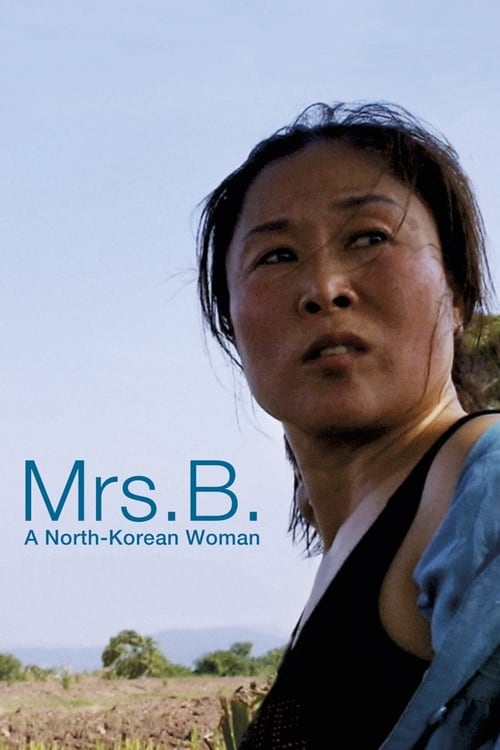
Portrait of Mrs. B., a tough charismatic North Korean woman who smuggles between North Korea, China and South Korea. With the money she gets, she plans to reunite with her two North Korean sons after years of separation.
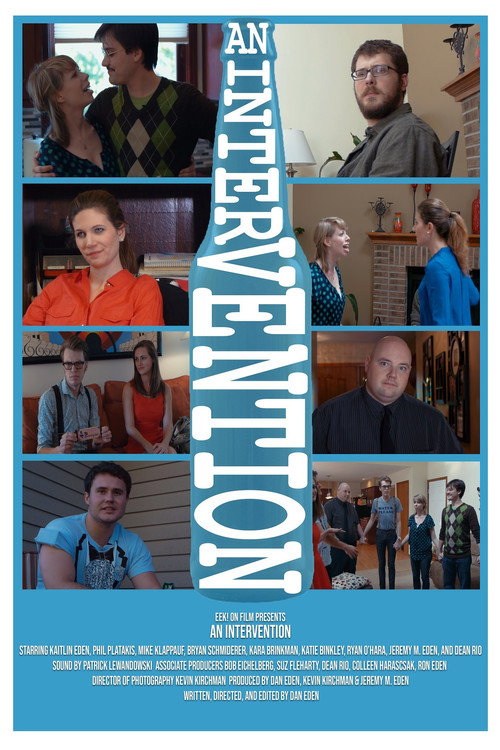
Chelsea Bledsoe and her husband Graig throw a surprise intervention for her old high school boyfriend, Henry, with a mismatched group of acquaintances from back in the day to fill out the guest list.
The mother of a child suffering from cancer struggles to maintain a normal life for her family. Stine is thirty-seven years old and the single mother of three girls. Her daughter Cecilie, now aged eleven, has had cancer since she was two. Cecilie has spent half her life in hospital and Stine along with her. Stine is fighting an unfair battle in unbearable chaos. At the same time, she insists on maintaining some sort of life for all three children.
In 1966, Deann Borshay Liem was adopted by an American family and sent from Korea to her new home in California. There, the memory of her birth family was nearly obliterated, until recurring dreams led her to investigate her own past, and she discovered that her Korean mother was very much alive. Bravely uniting her biological and adoptive families, Borshay Liem embarks on a heartfelt journey in this acclaimed film that first premiered on POV in 2000. First Person Plural is a poignant essay on family, loss and the reconciling of two identities.
What's it like starting a family when you're both transgender? This intimate film follows Hannah and Jake Graf on a journey through prejudice and surrogacy to birth during lockdown.
I was scrounging around the neighborhood for inspiration. Within a block from my apartment, I found a wild mushroom in the grass, and an advertisement for a psychic named Sara.
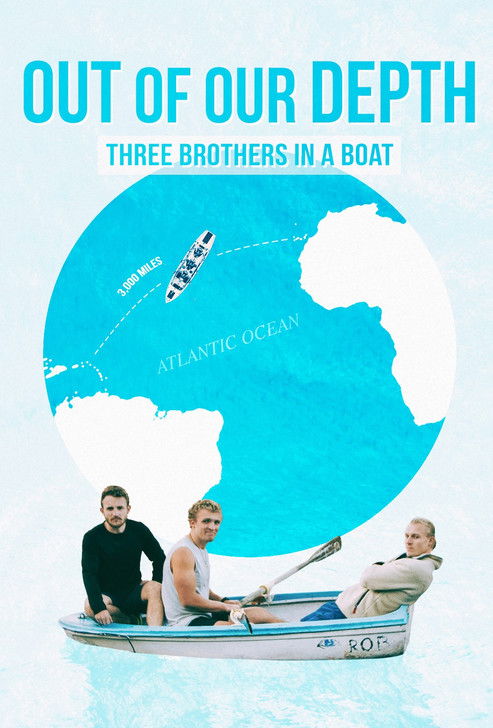
Three brothers with no rowing experience take on the world's toughest row: a 3,000 mile race across the Atlantic with 50ft waves, exhaustion, seasickness and your two siblings - how hard can it be?
Elizabeth Smart's harrowing abduction at 14 from her family's Utah home unfolds through her own words and never-before-seen material in this documentary.
The hairstyles of four Afro-descendant people from Mexican - Senegalese families, represent the starting point to reflect, through memories that emerge from their past and present, what it is like to live in México wearing a Black Crown and the consequences that implies.
Ruben and Gio have been recently adopted by Evelyn and Memo. The four of them try to create a home where the past, the bad and good stories, and the dreams in common for the future blend all together.
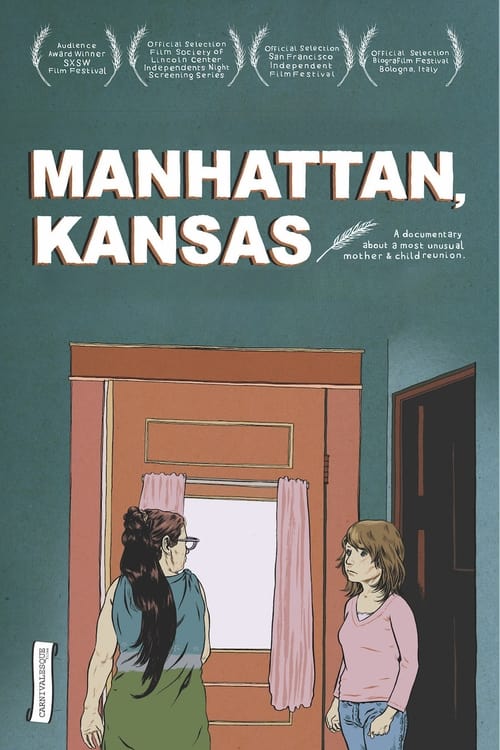
Filmmaker Evie Wray travels to rural Kansas in an attempt to reconnect with her mentally unstable mother, Evie, for the first time since Evie’s psychotic breakdown five years earlier. She finds a parent still chasing her demons, both real and imagined, struggling to make a career for herself as an abstract artist and searching for the Geodetic Center of the United States, the finding of which, Evie says, will bring about world peace.