No Trailers found.
No overview available.
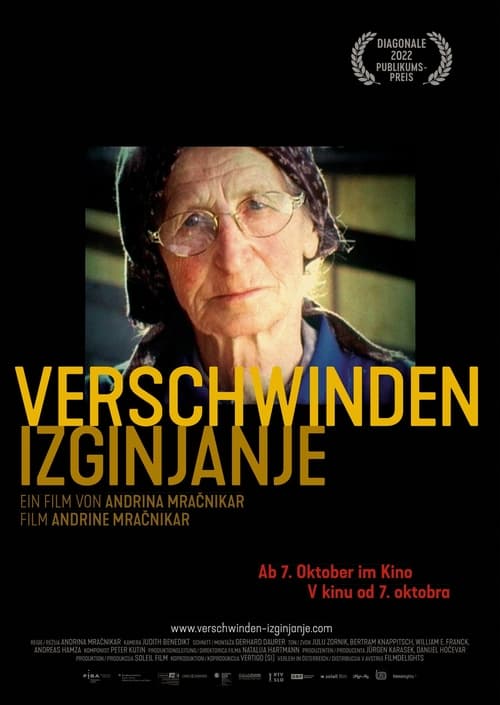
In southern Carinthia, about ninety percent of all inhabitants spoke Slovenian before 1910. Today it is on average a single digit percentage. In this very personal essay documentary, Andrina Mračnikar formulates a political urgency: What happens when one's mother tongue is taken away in everyday life. What must politicians do to counteract the disappearance of a language whose protection is enshrined in the Austrian constitution.
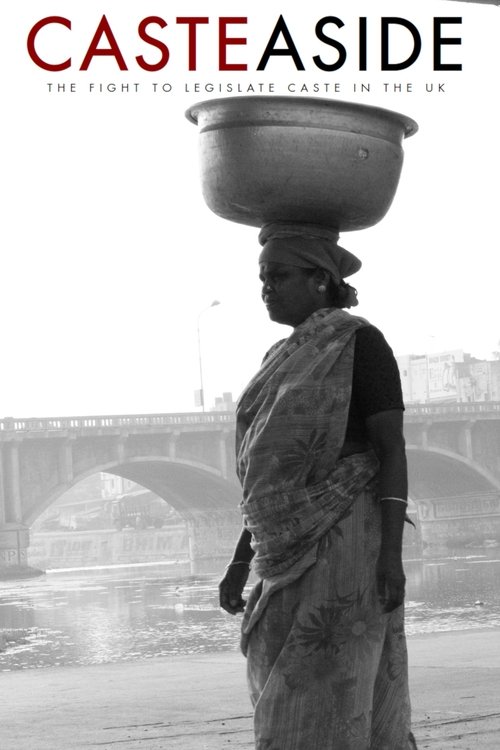
Caste Aside is a documentary about the British government's controversial decision on whether or not to introduce legislation against caste discrimination in the UK. Highlighting both sides of this heated debate, the documentary speaks to Dalit rights activists, Hindu community leaders, academics and lawyers, as well as those who say they have been discriminated against on the basis of their caste - here in Britain.
Retrospective featurette included with the 2014 Blu-ray by Arrow Video.
Retrospective interview with Joe Pantoliano included with the 2014 Blu-ray by Arrow Video.
Retrospective interview with Gina Gershon and Jennifer Tilly included with the 2014 Blu-ray by Arrow Video.
A documentary following the civil rights movement and how the media, in particular the burgeoning TV, was used to fight for equality in the 1960s. From Selma to Charlottesville, we also see how modern activists use today's technology to continue fighting injustice today.
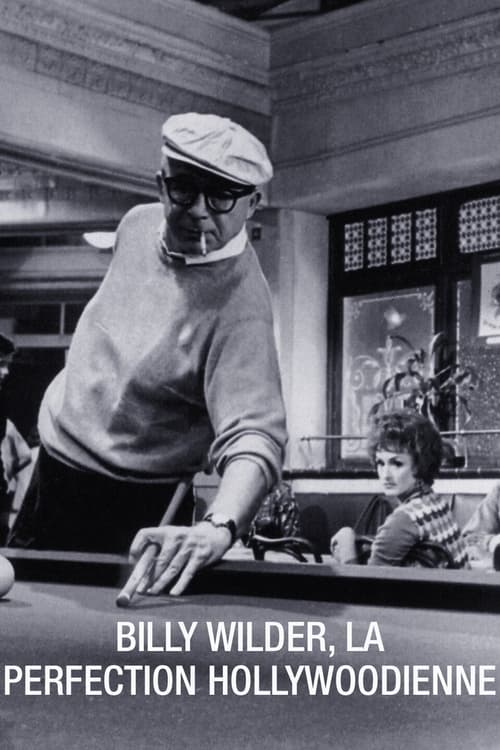
Biography on the famous writer-director, Billy Wilder.
American Aloha: Hula Beyond Hawai’i shows the survival of the hula as a renaissance continues to grow beyond the islands. With the cost of living in Hawai'i estimated at 27 percent higher than the continental United States, large numbers of Hawaiians have left the islands to pursue professional and educational opportunities. Today, with more Native Hawaiians living on the mainland than in the state of Hawai'i, the hula has traveled with them. From the suburbs of Los Angeles to the San Francisco Bay Area, the largest Hawaiian communities have settled in California, and the hula continues to connect communities to their heritage on distant shores.
The history of the Yakuza Eiga at the TOEI studio is roughly outlined. Real Yakuza and also their connections to the movie business are discussed, and many important actors and directors of the genres are interviewed. Former real yakuza boss turned actor Noboru Ando, Takashi Miike, Sonny Chiba and many more get a chance to speak.
Explore how one man's relentless drive and invention of the atomic bomb changed the nature of war forever, led to the deaths of hundreds of thousands of people and unleashed mass hysteria.
What it is like to have a younger sibling
Trust Me uses stories, facts and experts to explain how our lack of media literacy is hurting us and how the media is negatively affecting our perspective of the world. True stories of how mis-information can result in real problems are meant to provoke thought and action in viewers.
Commentator-comic Bill Maher plays devil's advocate with religion as he talks to believers about their faith. Traveling around the world, Maher examines the tenets of Christianity, Judaism and Islam and raises questions about homosexuality, proof of Christ's existence, Jewish Sabbath laws, violent Muslim extremists.
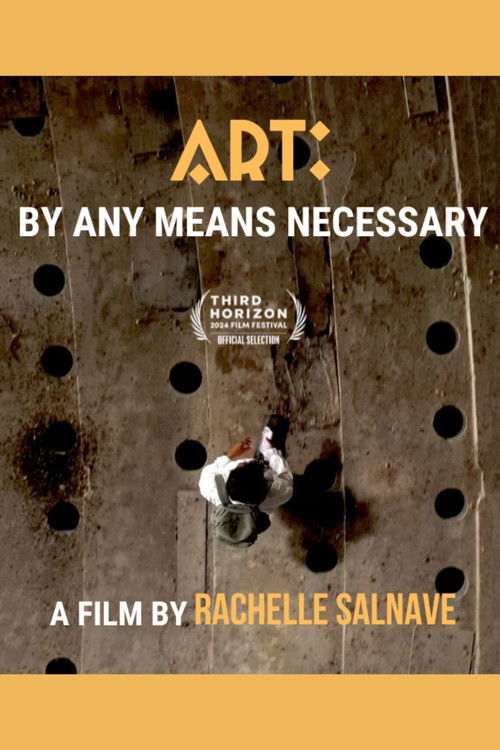
Follows the defiance of two art institutions in the Caribbean: one closed but squatted by artists, the other fighting to stay open. Against the backdrop of political strife, Haitian and Guadeloupean artists grapple with the concept of freedom in their battle to preserve their spaces.
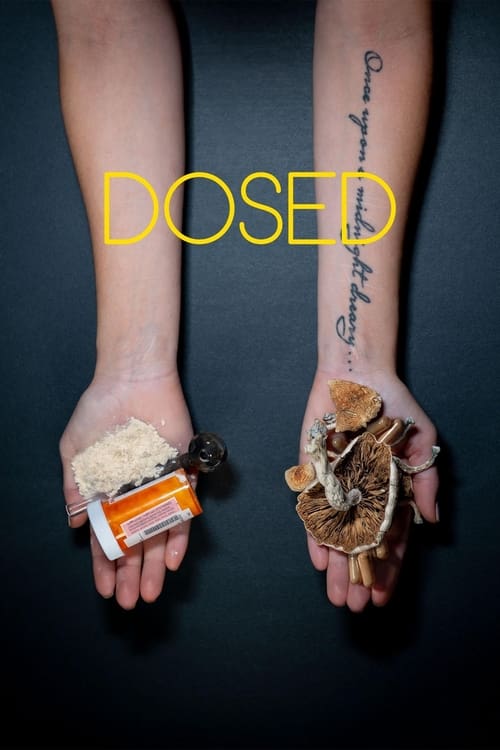
The documentary follows one woman's quest to overcome anxiety, depression, and opioid addiction through the use of psychedelic medicines.
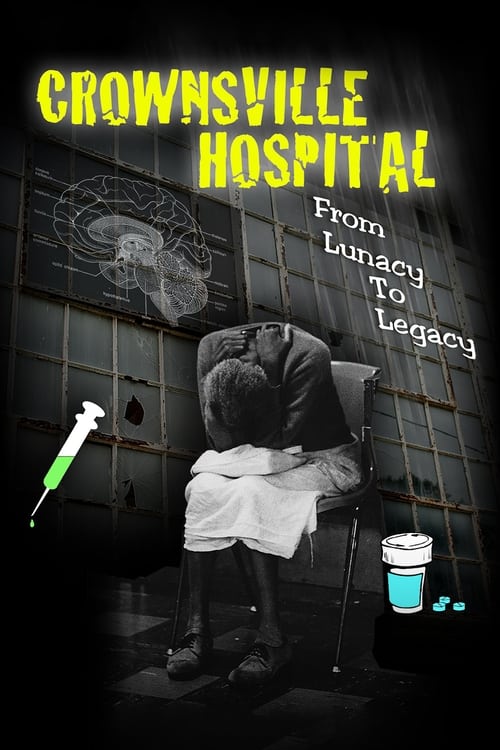
Crownsville Hospital: From Lunacy to Legacy is a feature-length documentary film highlighting the history of the Crownsville State Mental Hospital in Crownsville, MD.
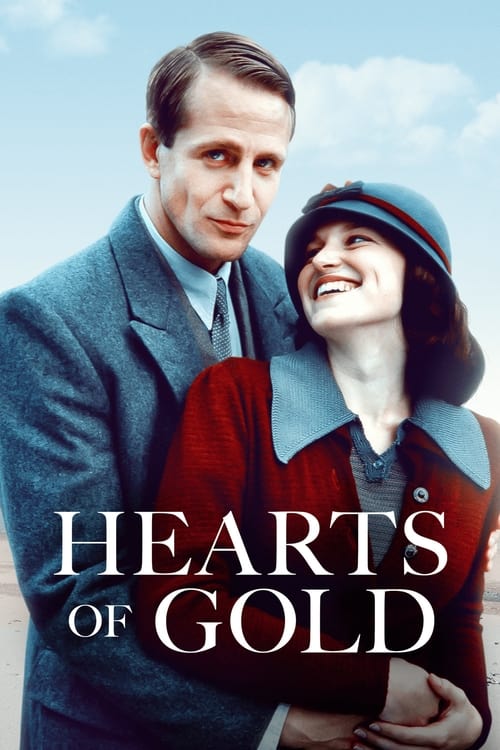
An old-fashioned love story set in the South Wales valleys during the 1930s. Well-to-do doctor Andrew joins his father's infirmary, and in miner's daughter Bethan finds a spirit lacking in his previous girlfriends. The two fall in love, but their differing backgrounds prove a major sticking point.
A family portrait in which the director profiles his grandmother, Odette Robert. Eustache includes in the film the conditions of its production — he is seated at the table with her, pours her some whiskey, speaks with the camera operator, manipulates the clapboard at the head and tail of the reels, and even takes a phone call. Robert, who was seventy-one, speaks rapidly and tells the story of her life, starting from her early childhood in villages in the Bordeaux region of France. A shorter version of the film ("Odette Robert") was edited in 1980 to be broadcast on television on TF1. The complete film only gained exposure in 2002, when it was salvaged by Boris Eustache, Thierry Lounas, João Bénard da Costa, Jean-Marie Straub, and Pedro Costa.
A musician's growth beyond a cult.
No Cast found.