Desktop Documentary
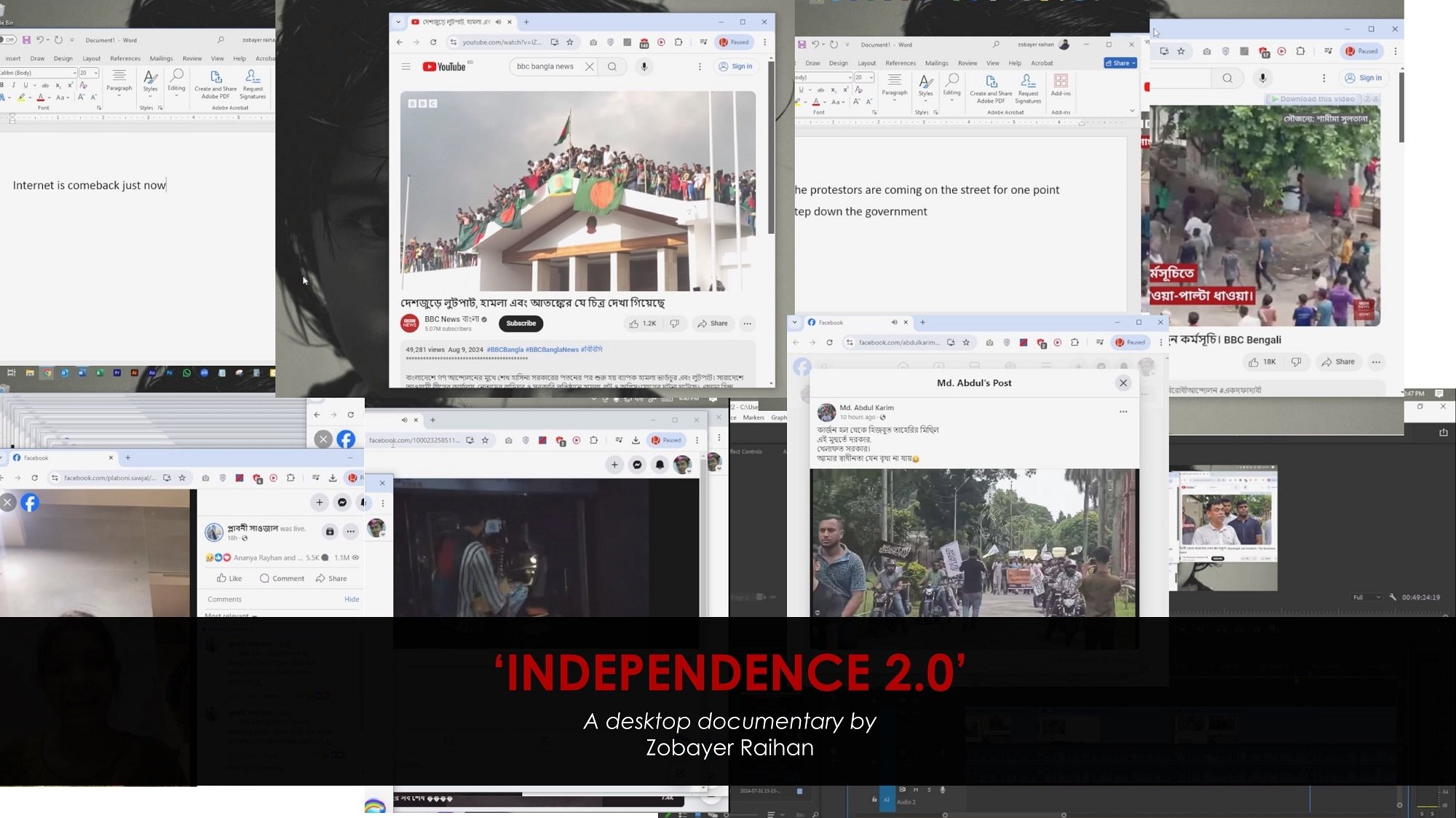
This desktop documentary portrays the student movement in July and August 2024, the fall of the Sheikh Hasina regime, and its aftermath.
No Trailers found.
Sheikh Hasina
Obaidul Qader
Nahid Islam
Mohammad Ali Arafat
A desktop documentary that focuses on the Golden Record that NASA sent into space in the late 1970s. The piece reflects on issues such as the power of scientific discourse to produce revisions of the world, the evolution of the concept of the archive and the resignification of borders in the rhetoric of space colonialism.
A film about the first benefit rock concert when major musicians performed to raise relief funds for the poor of Bangladesh. The Concert for Bangladesh was a pair of benefit concerts organised by former Beatles guitarist George Harrison and Indian sitar player Ravi Shankar. The shows were held at 2:30 and 8:00 pm on Sunday, 1 August 1971, at Madison Square Garden in New York City, to raise international awareness of, and fund relief for refugees from East Pakistan, following the Bangladesh Liberation War-related genocide.
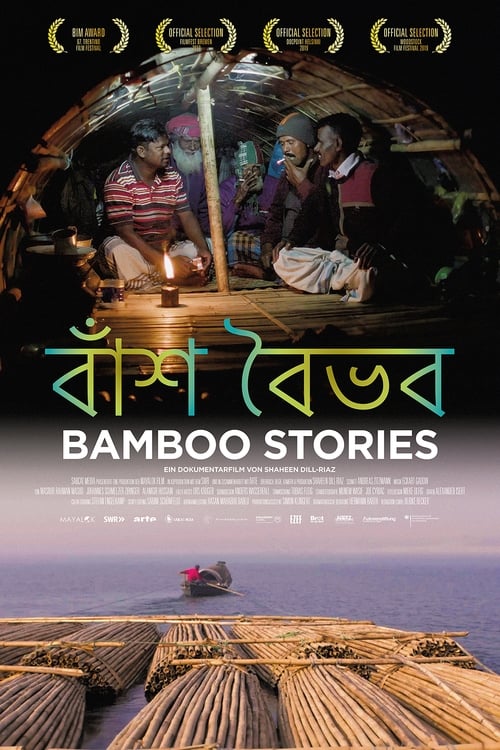
A group of men in North-Eastern Bangladesh are facing a dangerous mission. They are to conquer the river, with a 70 meter long raft. The ride is 300 kilometre long, always downstream. The freight: 25 000 bamboo trees. The men's path begins in the dense forests of the Sylhet region in North-Eastern Bangladesh. Millions of bamboo trunks are hacked down there and being slid down by the workers along the dangerous mountain-stream into the valley. The bamboos reach the river Kushiara through hundreds of these channels. Here, the trunks are bundled - a giant raft arises. Then the long journey begins.
In Bangkok, Thailand, women punch a clock and wait for clients in a brightly lit glass box; in the red-light district of Faridpur, Bangladesh, a madam haggles over the price of a teenage girl; and in the border town of Reynosa, Mexico, crack-addicted women pray to a deity named Lady Death.
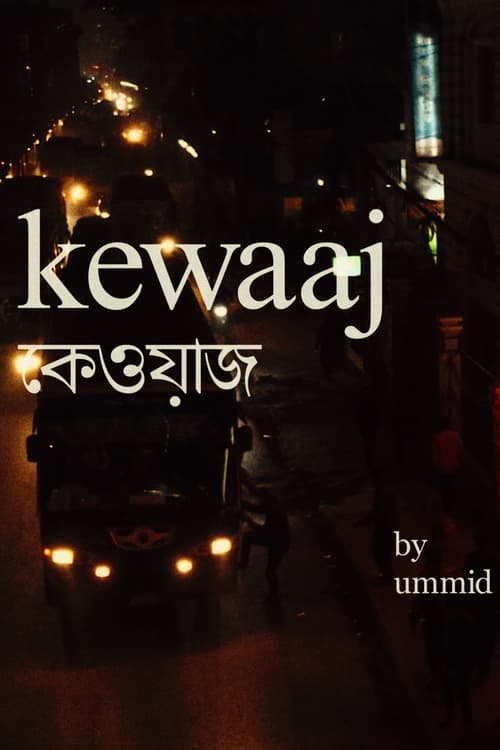
The word kewaaj (কেওয়াজ) is colloquially used to explain chaos, noisiness or annoyance. "Kewaaj" is an audiovisual attempt to give you a glimpse into how the people of Dhaka function in one of the most unliveable cities, according to the Global Liveability Index.
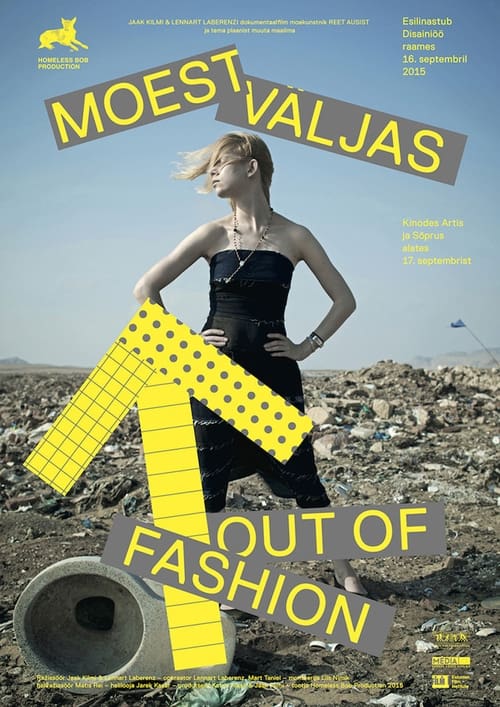
A documentary following an Estonian fashion designer Reet Aus on a global tour to explore the origin process and the environmental footprints of today's fast paced fashion industry. On the road the mission takes an unexpected turn towards trying to introduce her "upcycling" inspired product line to some of the major fashion retailers to increase awareness of the massive resource waste built into the current product lifecycle.
The Bangladesh cultural scene is dynamic, creative and on the up. With fashion designer Bibi Russell, art patron Nadia Samdani, the Britto Arts Trust and photographers Shahidul Alam and Munem Wasif.
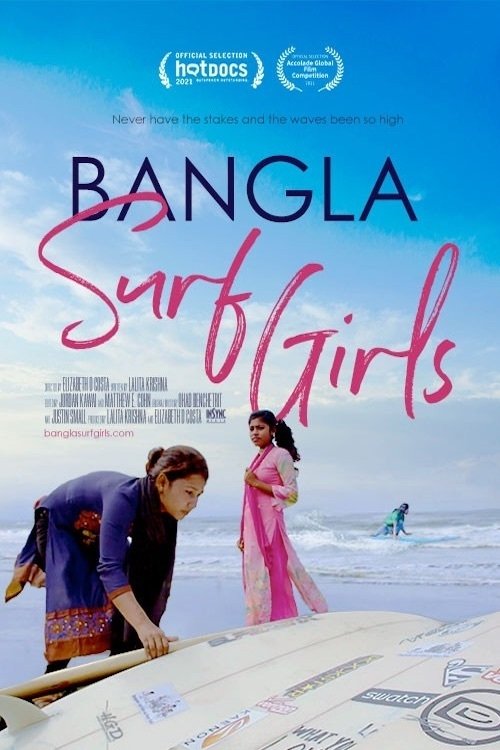
Three working-class teenage girls in a port city in Bangladesh escape daily hardships and stifling family lives by riding waves on their surfboards and grabbing hold of the fleeting and thrilling sense of freedom that brings.
Documentary about the politician Sheikh Mujibur Rahman.
What images do we associate with abortion and why? Where do these images and the emotional scripts in our head come from? How do they influence women who (want to) have an abortion, how do they shape the general discussion? Franzis Kabisch’s personal desktop documentary investigates these questions with great precision, clarity and humour (yes, humour, too!).
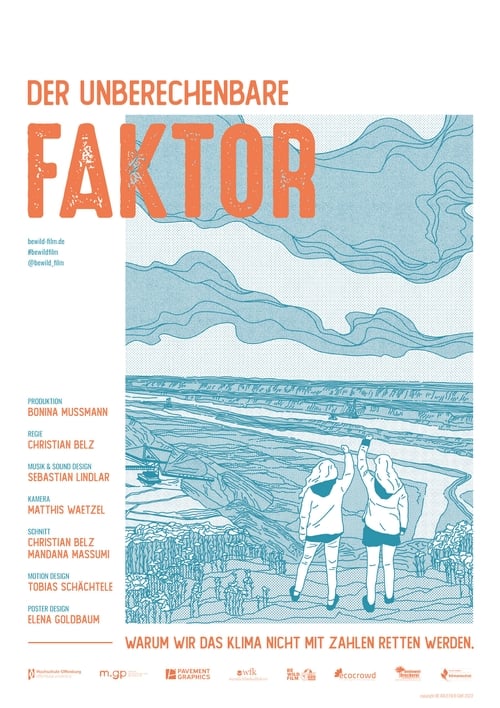
In today's climate debate, there is only one factor that cannot be calculated in climate models - humans. How can we nevertheless understand our role in the climate system and manage the crisis? Climate change is a complex global problem. Increasingly extreme weather events, rising sea levels, and more difficult living conditions - including for us humans - are already the order of the day. Global society has never faced such a complex challenge. For young people in particular, the frightening climate scenarios will be a reality in the future. For the global south, it is already today. To overcome this crisis, different perspectives are needed. "THE UNPREDICTABLE FACTOR" goes back to the origins of the German environmental movement, accompanies today's activists in the Rhineland in their fight against the coal industry and gives a voice to scientists from climate research, ethnology and psychology.
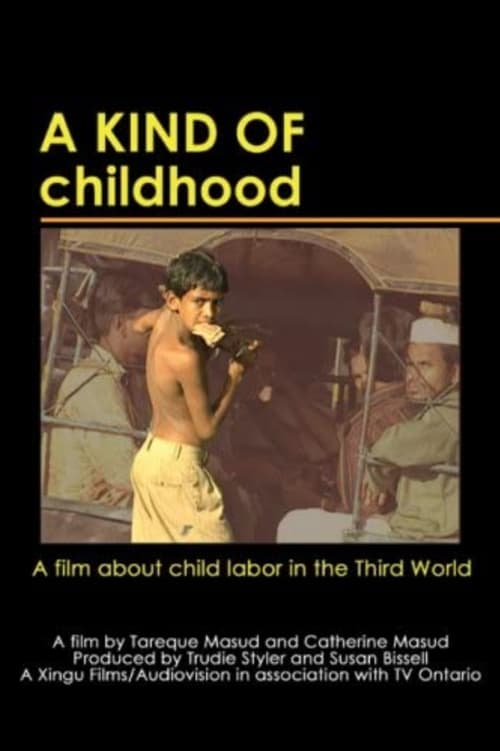
This is a film which challenges our notions of child labor. It peeks into a world where the concept of childhood as we know it has no meaning, where children support their parents, and where work is just another part of growing up. This is Dhaka, Bangladesh. Following several children over a period of six years, A KIND OF CHILDHOOD is an attempt to focus on the realities of child labor, with real children, their struggles and dreams.
March 25th 1971, a horrific 'Genocide' was unleashed on the unarmed civilians of East Pakistan. This was done by their own Pakistani Army. An estimated 3 million people were killed, 10 million people were displaced to India as refugees and 400,000 women and girls were raped by the Pakistani soldiers. But Pakistan was not alone in perpetrating this violence. The then-American president and the National Security Advisor were supporting the Pakistani dictator. The cold war triggered this geopolitical escalation. Finally, India pressurized by the 10 million refugees within its borders, went to war with Pakistan. and joining forces with the local rebels, the Mukti Bahini, helped liberate Bangladesh. Cradled in the blood of innocents, a new nation was born in the closing days of 1971. "Bay of Blood", brings this 50-odd-year-old story to life.
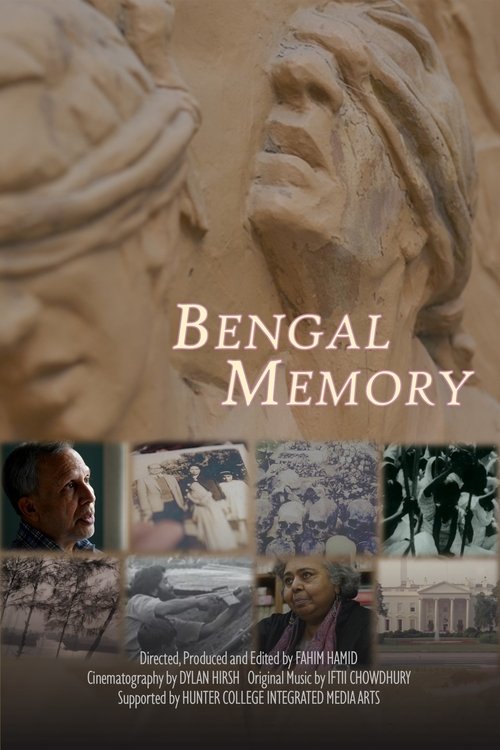
A Bangladeshi American undertakes a journey to learn about the liberation war in his native country, traveling there for the first time in nearly two decades, and uncovering the controversial role the U.S. played in a forgotten genocide that occurred there over 50 years ago. From 1971 to the present day, this is a story of Bangladesh’s independence, a family’s journey immigrating to America, and the cognitive dissonance of a person belonging to both homelands. Driven by interviews with his father and other family members, along with experts and witnesses, archival videos, declassified recordings, and animations, BENGAL MEMORY is a unique and untold oral history through a personal lens.
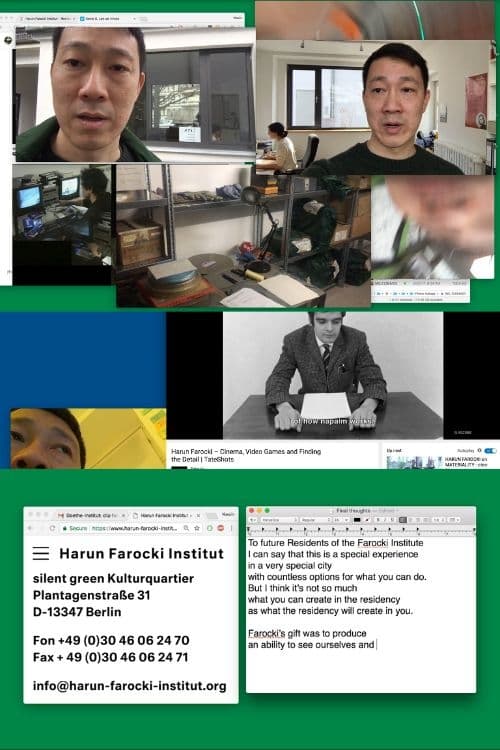
In this video I share my experience as the first Resident of the Harun Farocki Institut in Berlin during the winter of 2016-2017. Produced for the Goethe Institute.
A desktop documentary about the online afterlife of the late French filmmaker, Chris Marker.
Using film footage shot by the Genevese film director, Fernand Reymond, in Bangladesh in 1972, this documentary film describes the cyclone prevention programme drawn up by the governmental authorities and the League of Red Cross Societies. It particularly depicts the cyclone warning system set up to protect the population. (League Film Library Catalogue Supplement No. 2, p. 39)
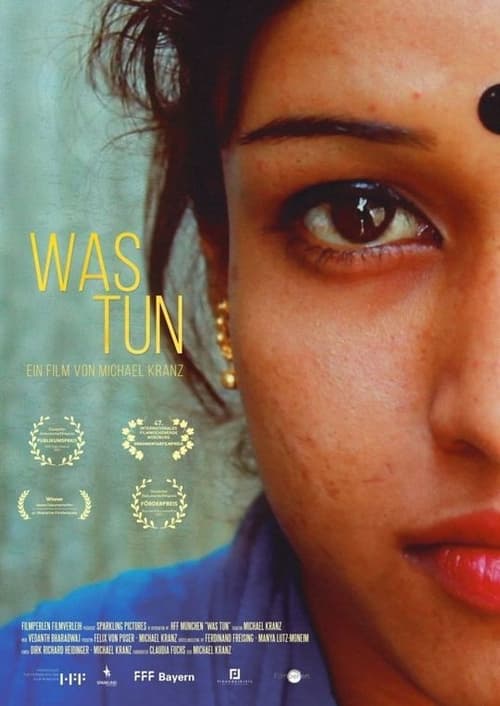
Faced with a documentary film that included an interview with a young girl forced into prostitution, Michael Kranz asked himself the apparently banal question of “what can be done?” He travelled to Bangladesh and began to search for the girl. A film that is both self-critical and critical of society about the desire to at least do something and not to simply and passively give in to the injustices in this world.
The search for René Descartes’ daughter Francine leads an internet user into the depths of an AI’s mental space. This intelligence generates limitless images from words given by humans, until it starts working by itself. An alternative, fleshless new world, containing all the world's memory, emerges.
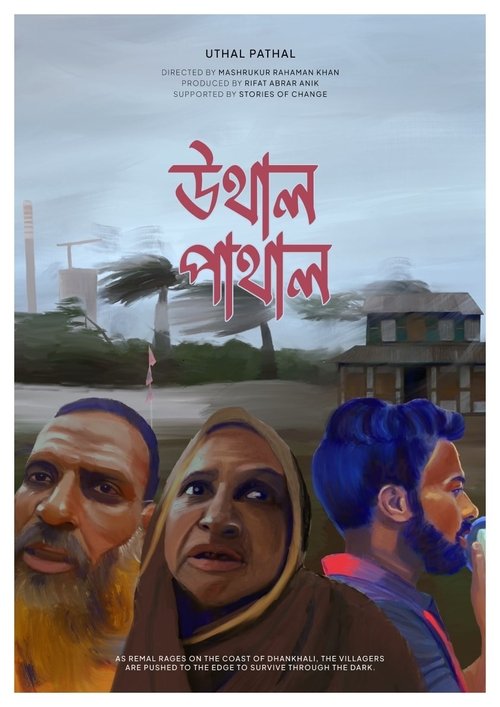
As Cyclone Remal approached, we arrived in Debpur village of Dhankhali Upazila, Bangladesh. What struck us immediately was the stark contrast between the official warnings of impending devastation and the villagers' apparent lack of preparedness. Over the following days, amidst the unfolding chaos, we documented the lives of individuals as they grappled with the imminent threat of destruction. The film captures the overbearing anxiety that grips entire communities in the face of an approaching cyclone. Through intimate encounters, and candid interviews, we witness firsthand the resilience and fear of those directly in Remal's path. Their voices echo the overwhelming power of nature and the human spirit in adversity.