WHO AM I, IF NOT WHO YOU WANT ME TO BE?
An experimental film that reflects on the past, encourages audiences to live in the present and look into the future with optimism.
No Trailers found.
The Narrator
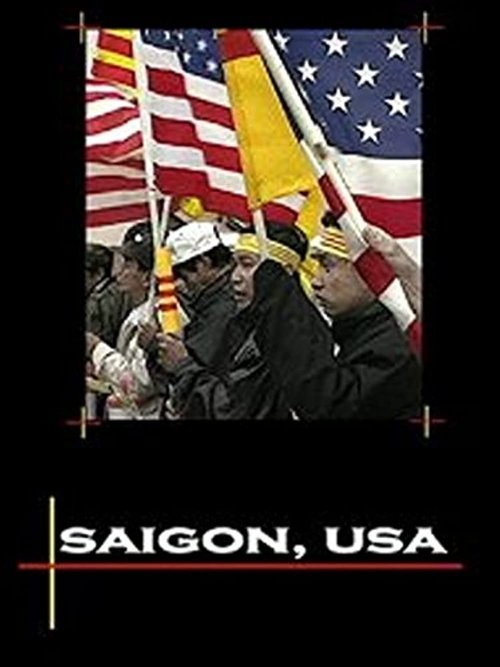
Since the fall of Saigon in 1975, Vietnamese refugees have built the largest Vietnamese community outside of Vietnam, in Orange County, California. In 1999, "Little Saigon" burst onto the national stage when a store owner displayed a poster of Ho Chi Minh, triggering protests by Vietnamese Americans struggling to reconcile their past demons with their present lives. Saigon, U.S.A. uses this moment to examine this community's changing identity and growing empowerment.
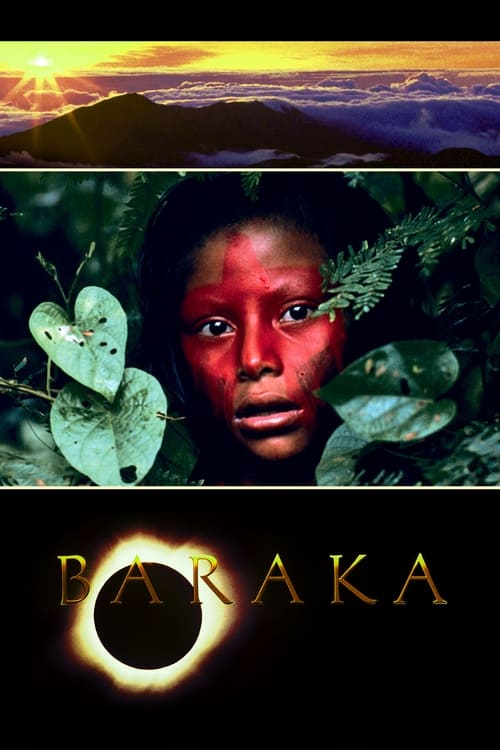
A paralysingly beautiful documentary with a global vision—an odyssey through landscape and time—that attempts to capture the essence of life.
Many migrants live in search of a mirror in which to recognize themselves; they are not from here, but they are not from there either. Los Williams / The Williams, a feature-length documentary, familiar and sporting, told in first-person by Iñaki and Nico Williams. Two brothers, footballers, Basques and "beltzas" or black, of Ghanaian descent, reveal their incredible tale across the two most crucial years of their lives. From their historic participation in the Qatar World Cup with two different selections, to the long-awaited victory of the Athletic Club in the Copa del Rey after 40 years, and Nico's triumph at the European Championship. Two international stars, face to face with their past and their future, through the conflicts that have marked their lives: racism, identity, frustration, ambition, and success.
The two-part documentary Pop & Passion tells of power and magic, but also of the pressure and excess that prevails in the pop business.
Sharing is a documentary that will show the process of building a video dance performed by four female artists who have a connection not only with blood, but also with dance.
What is a film if not a therapeutic act? Wa(te)r is a poetiс reflection on my 2022–2023 diary entries, poured from one medium to another. I uncovered countless water metaphors intertwined with life and death throughout these entries. I often revisit recurring dreams—one of floods, the other of war—that have haunted me since childhood. Water flows, and everything changes. It ties me to the very beginning, with my mother's hands bathing me, and to the very end, with suicidal despair. All I strive to express emerges from the water, my words engulfing themselves. In these times, water is the most precious resource, reliable conduit to memories, and promise of oblivion. Dedicated to my dear mother and her protective touch.
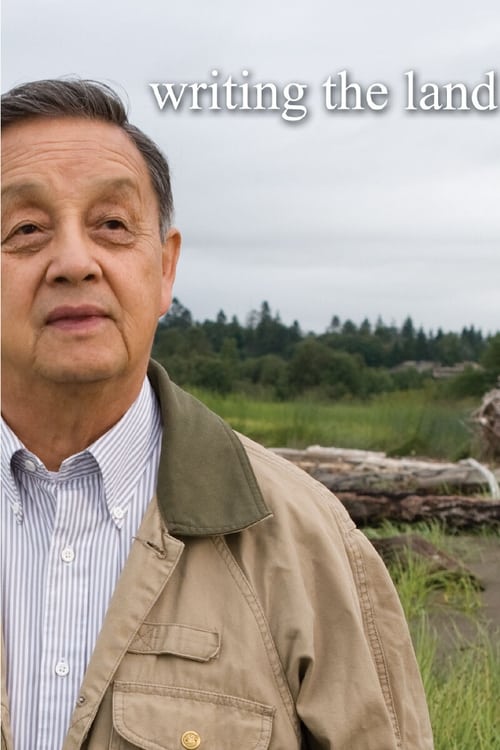
In this short documentary, a Musqueam elder rediscovers his Native language and traditions in the city of Vancouver, in the vicinity of which the Musqueam people have lived for thousands of years. Writing the Land captures the ever-changing nature of a modern city - the glass and steel towers cut against the sky, grass, trees and a sudden flash of birds in flight and the enduring power of language to shape perception and create memory.
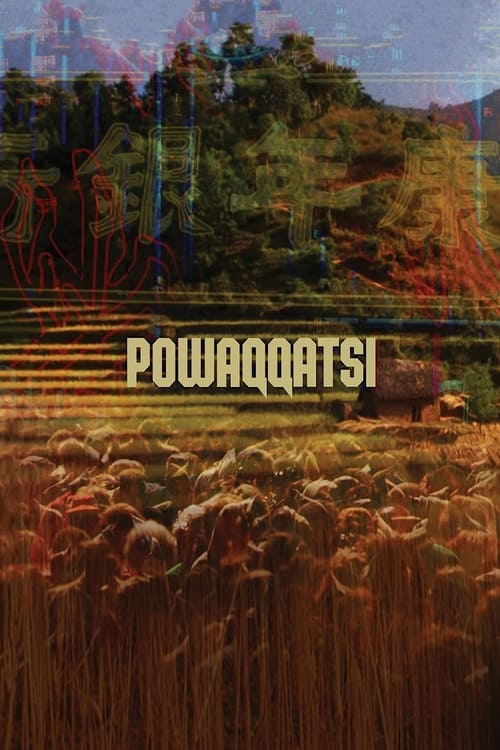
A visual montage portrait of our contemporary world dominated by globalized technology and violence.
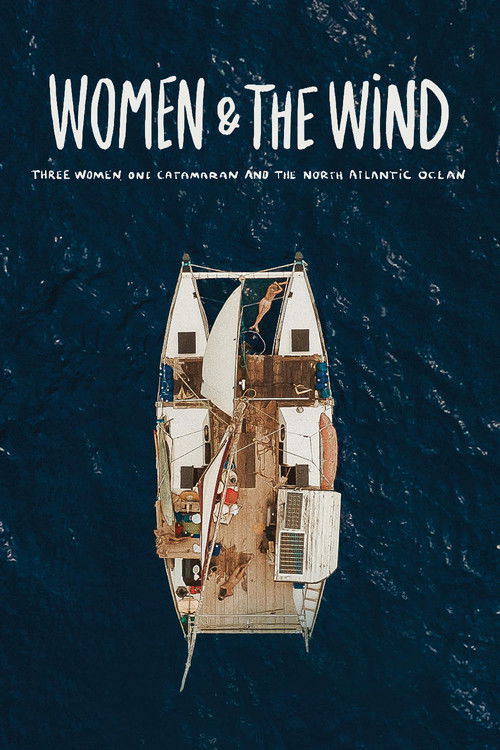
Shot over the course of 30 days at sea, filmmaker Alizé Jireh documents the group’s voyage across the North Atlantic—from moments of stillness and calm to the chaos of storms and setbacks. With an observational approach and an eye for the emotional and physical rhythms of life at sea, Jireh captures not just the external landscape, but the internal shifts that come with navigating the vast unknown.
How African artists have spread African culture all over the world, especially music, since the harsh years of decolonization, trying to offer a nicer portrait of this amazing continent, historically known for tragic subjects, such as slavery, famine, war and political chaos.
An exploration of technologically developing nations and the effect the transition to Western-style modernization has had on them.
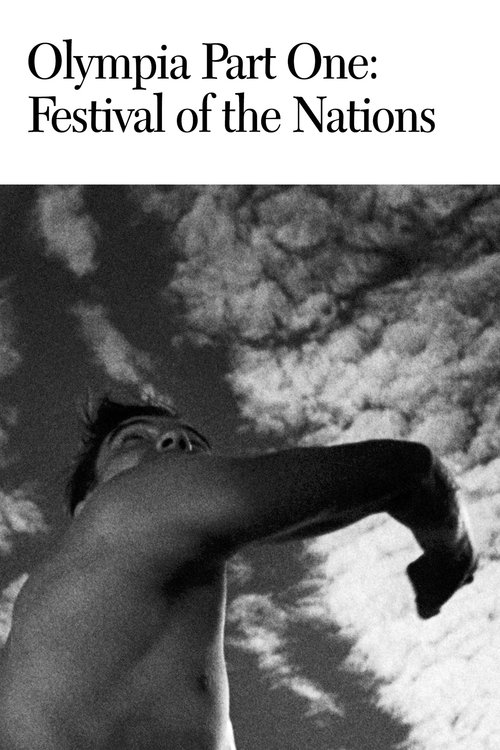
Starting with a long and lyrical overture, evoking the origins of the Olympic Games in ancient Greece, Riefenstahl covers twenty-one athletic events in the first half of this two-part love letter to the human body and spirit, culminating with the marathon, where Jesse Owens became the first track and field athlete to win four gold medals in a single Olympics.
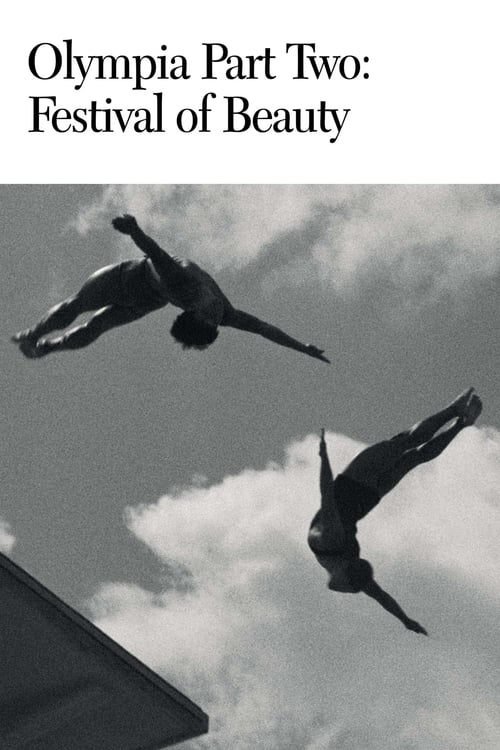
Part two of Leni Riefenstahl's monumental examination of the 1938 Olympic Games, the cameras leave the main stadium and venture into the many halls and fields deployed for such sports as fencing, polo, cycling, and the modern pentathlon, which was won by American Glenn Morris.
A day in the city of Berlin, which experienced an industrial boom in the 1920s, and still provides an insight into the living and working conditions at that time. Germany had just recovered a little from the worst consequences of the First World War, the great economic crisis was still a few years away and Hitler was not yet an issue at the time.
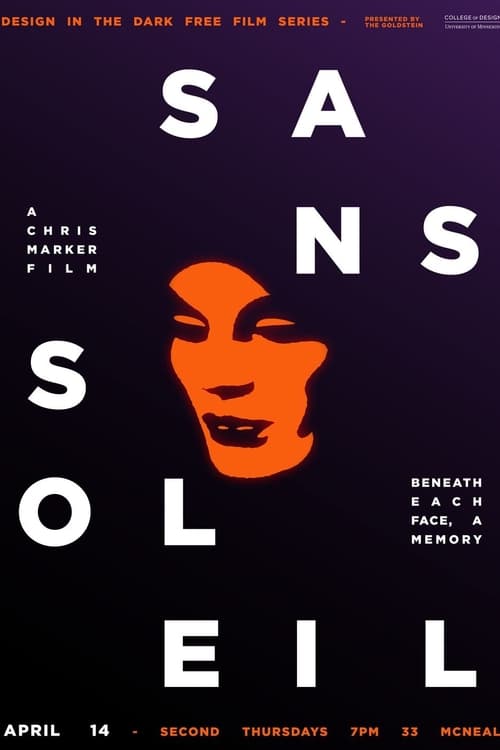
A woman narrates the thoughts of a world traveler, meditations on time and memory expressed in words and images from places as far-flung as Japan, Guinea-Bissau, Iceland, and San Francisco.
How the Fiddle Flows follows Canada's great rivers west along the fur-trading route of the early Europeans. The newcomers introduced the fiddle to the Aboriginal people they intermarried with along the way. A generation later, their mixed-blood offspring would blend European folk tunes with First Nations rhythms to create a rich and distinct musical tradition. From the Gaspé Peninsula, north to Hudson Bay and to the Prairies, How the Fiddle Flows reveals how a distinctive Metis identity and culture were shaped over time. Featuring soaring performances by some of Canada's best known fiddlers and step dancers and narrated by award-winning actress Tantoo Cardinal.
By letting go of the urge to control and embracing the unexpected, the creative process finds a new pulse. Thus, Gut Knows What Mind Does Not Understand aims to celebrate what emerges when we trust our intuition and the experiences the world offers us.
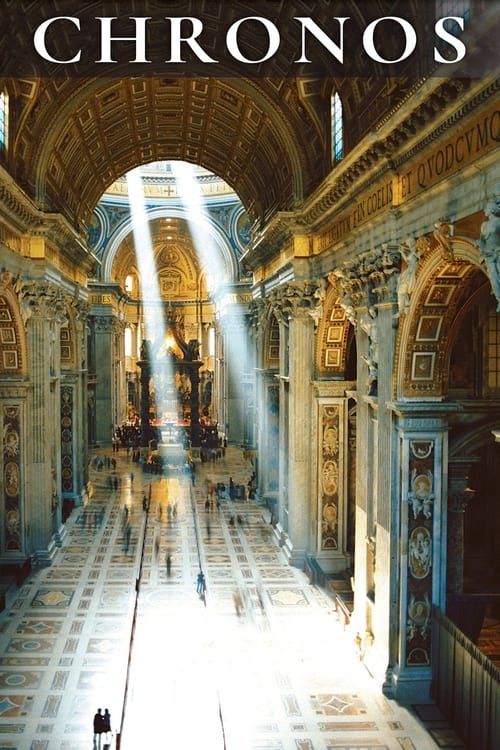
Carefully picked scenes of nature and civilization are viewed at high speed using time-lapse cinematography in an effort to demonstrate the history of various regions.
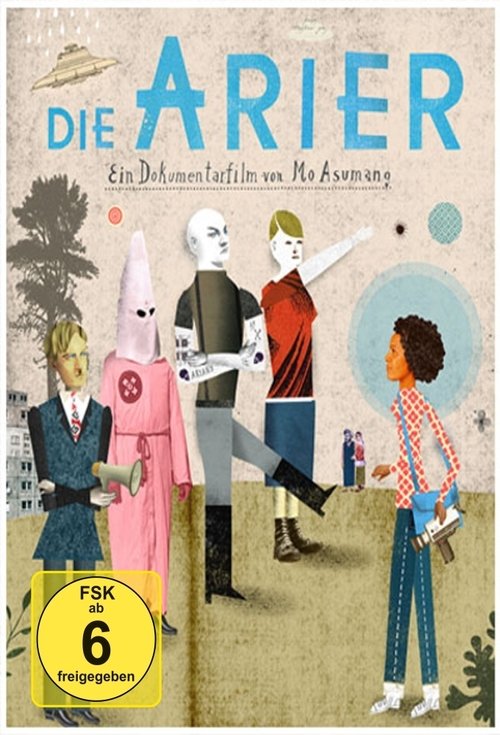
THE ARYANS is Mo Asumang's personal journey into the madness of racism during which she meets German neo-Nazis, the US leading racist, the notorious Tom Metzger and Ku Klux Klan members in the alarming twilight of the Midwest. In The ARYANS Mo questions the completely wrong interpretation of "Aryanism" - a phenomenon of the tall, blond and blue-eyed master race.
The rise and fall of Yugoslavian filmmaker Dušan Vukotić - the only Yugoslav Oscar-winner and one of the founding members of the Zagreb School of Animation - uncannily mirrors the tragic fate of his multiethnic country.