Six stories from Italian Islam
Six stories from Italian Islam. As in the rest of the country, in Bologna, intolerance and attempts at dialogue coexist, ghetto neighborhoods and second generations fighting, crime and everyday life.
Trailer
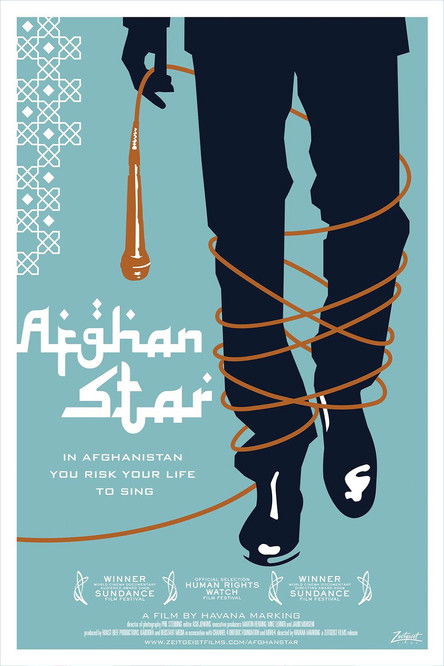
This documentary on the effect the talent competition "Afghan Star" has on the incredibly diverse inhabitants of Afghanistan affords a glimpse into a country rarely seen. Contestants risk their lives to appear on the television show that is a raging success with the public and also monitored closely by the government.
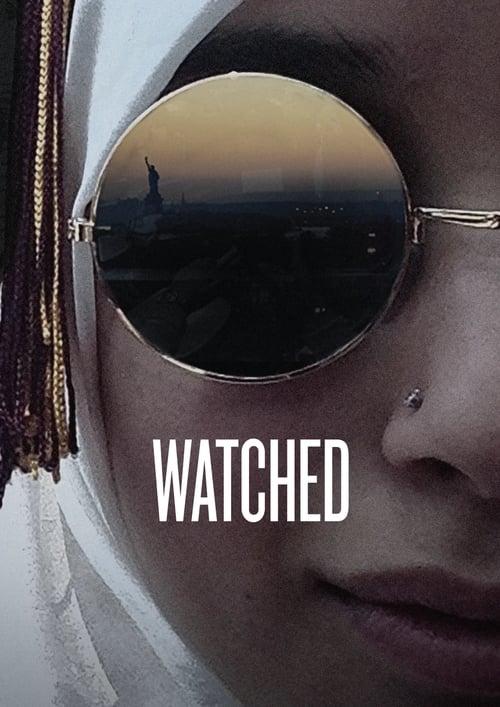
This short 19-minute documentary is an intimate and moving exploration of the profound and far-reaching impact of surveillance on Muslim American individuals and communities. Premiering at the 2017 Tribeca Film Festival, WATCHED is told through the personal experience of two women, both coming of age in New York. The film charts the devastating toll of surveillance and reveals the scars it leaves behind.
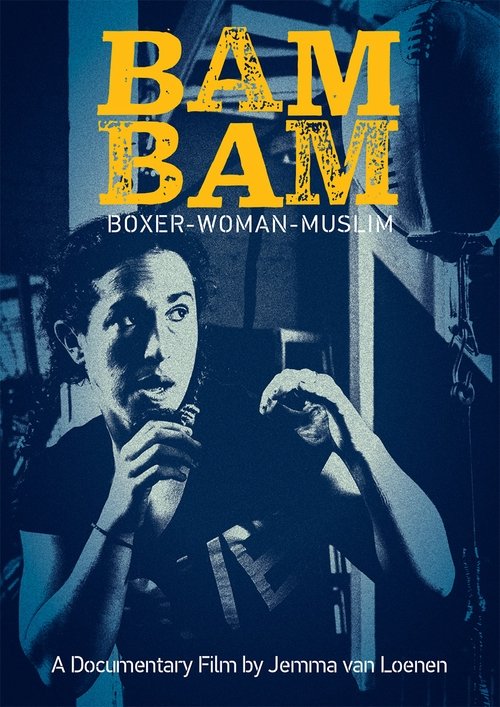
Muslim boxer, Bianca 'Bam Bam' Elmir, aims to be the first Australian to win a World Amateur Boxing Championship.
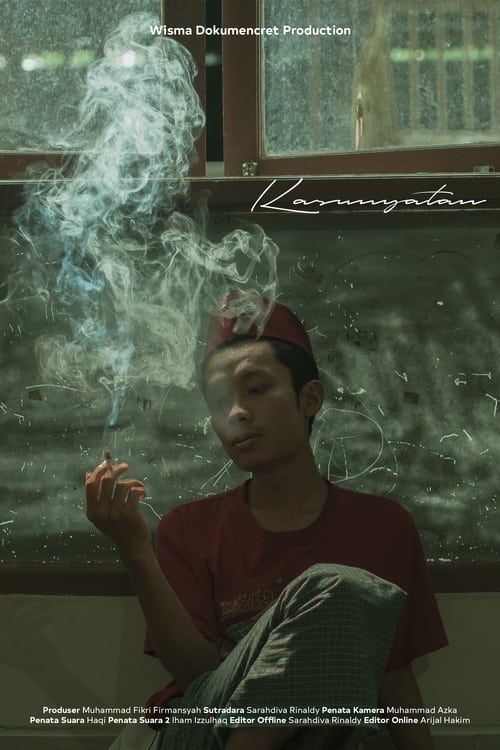
Abdul Rohman is a student and one of the caretakers in the Kaliopak Cultural Islamic Boarding School. He has spent these last two years there. Process of finding true self, peace, and knowledge, he found in this place. Kaliopak Cultural Islamic Boarding School has become a ‘savannah’ of knowledge and art for him. This space has helped him in the process of channeling his idealism in his ideology of thought and views on life.
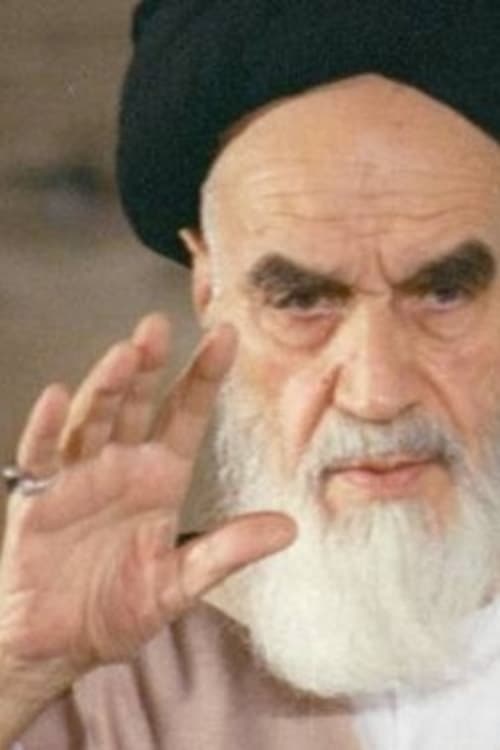
Oriana Fallaci, the Italian journalist who is noted for her provocative interviews, interviews the leader of the Islamic Revolution, the Ayatollah Ruhollah Khomeini, on Sept 12, 1979. For 10 days Oriana Fallaci waited in the holy city of Qum for her interview with the 79 year old Ayatollah, who is the de facto ruler of Iran. On Sept. 12, she was led into the Faizeyah religious school, where Khomeini holds his audiences. She was accompanied by two Iranians Nyho and Iran prime minster Banisadr who had helped set up the interview and who served as translators. Oriana Fallaci, barefoot, enveloped in a chador, the head to toe veil of the Moslem woman, was seated on a carpet, when the Ayatollah entered, and the recorded interview could begin.
A short film in which Quran verses are shown alongside images from terrorist attacks.
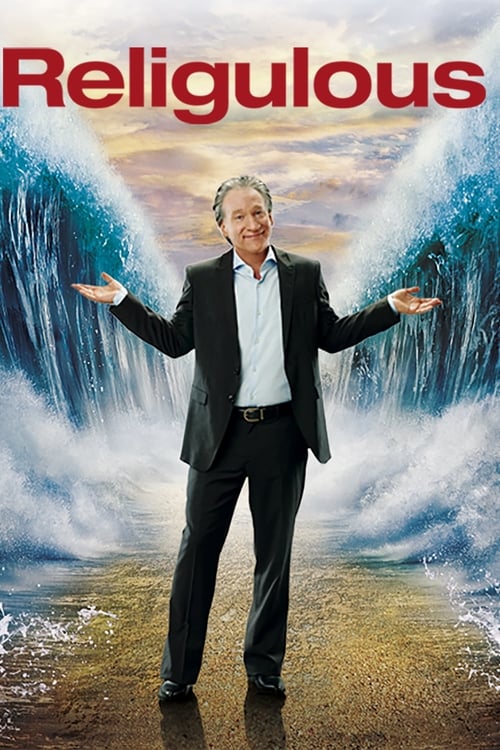
Commentator-comic Bill Maher plays devil's advocate with religion as he talks to believers about their faith. Traveling around the world, Maher examines the tenets of Christianity, Judaism and Islam and raises questions about homosexuality, proof of Christ's existence, Jewish Sabbath laws, violent Muslim extremists.
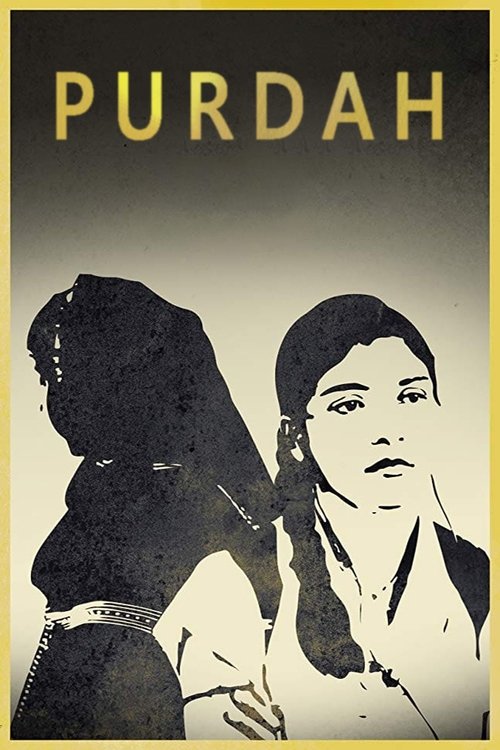
The inspiring story of a young Indian Muslim woman who trades her burka for dreams of playing on the Mumbai Senior Women's Cricket Team and how the harsh realities for women in her country creates an unexpected outcome for her own family, ultimately shattering and fueling aspirations.
Generation One is a short documentary that explores the perspectives of the American-born children of Arab Muslim immigrants as they navigate their two identities. The film follows the life of a Palestinian-American named Hamoody as he decides to leave his tight-knit Arab community and pursue his independence. With vignette interviews from five other Arab-Americans to supplement Hamoody's story and expound upon certain themes, Generation One sheds light on a range of unique challenges found between the hyphens.
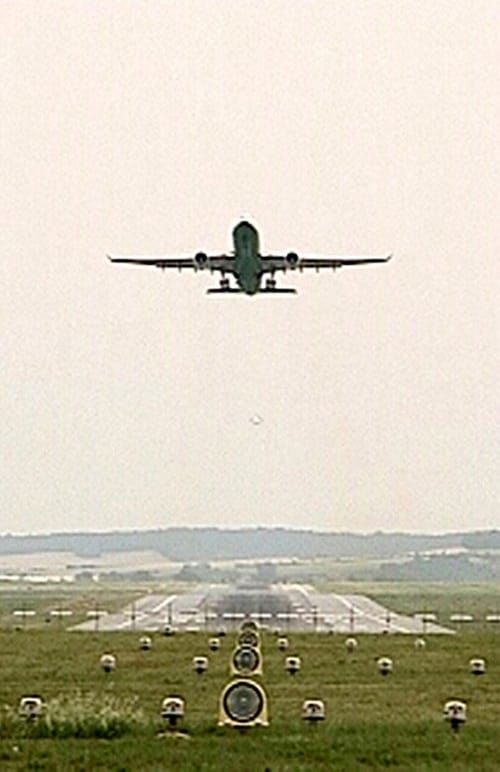
Flight Number 884 is a film about the wishes and desires of Muslim immigrants. Every year thousands of bodies of Turkish immigrants are flown back from Europe to small villages - villages they had left long ago. The film follows the dead body of a Muslim on its last journey from Vienna to a graveyard in Turkey.
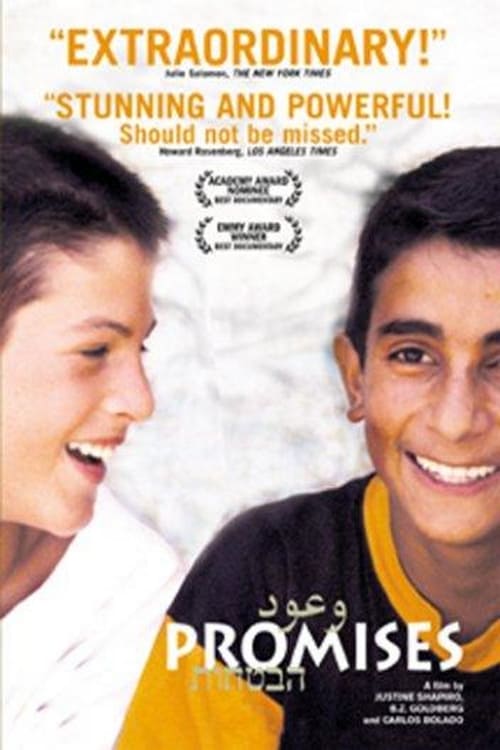
Documentarians Justine Shapiro and B.Z. Goldberg traveled to Israel to interview Palestinian and Israeli kids ages 11 to 13, assembling their views on living in a society afflicted with violence, separatism and religious and political extremism. This 2002 Oscar nominee for Best Feature Documentary culminates in an astonishing day in which two Israeli children meet Palestinian youngsters at a refugee camp.
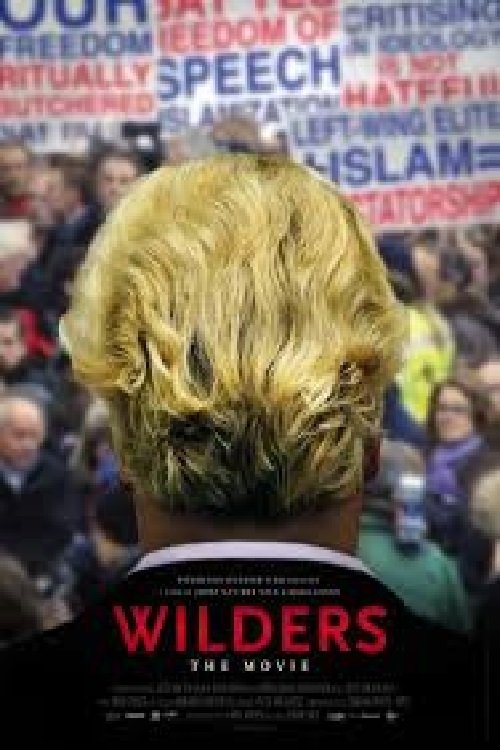
A look at the Geert Wilders effect.
An exploration of the work of a new generation of young Muslim artists, who use their work to explore issues of faith and identity and what it means to be Muslim and Australian in the 21st century.
For a gay filmmaker, filming in Saudi Arabia presents two serious challenges: filming is forbidden in the country and homosexuality is punishable by death. For filmmaker Parvez Sharma, however, these were risks he had to assume as he embarked on his Hajj pilgrimage, a journey considered the greatest accomplishment and aspiration within Islam, his religion. On his journey Parvez aims to look beyond 21st-century Islam’s crises of religious extremism, commercialism and sectarian battles. He brings back the story of the religion like it has never been told before, having endured the biggest jihad there is: the struggle with the self.
Filmed in Cordoba, Granada, Seville, and Toledo, this documentary retraces the 800-year period in medieval Spain when Muslims, Christians, and Jews forged a common cultural identity that frequently transcended their religious differences, revealing what made this rare and fruitful collaboration possible, and what ultimately tore it apart.
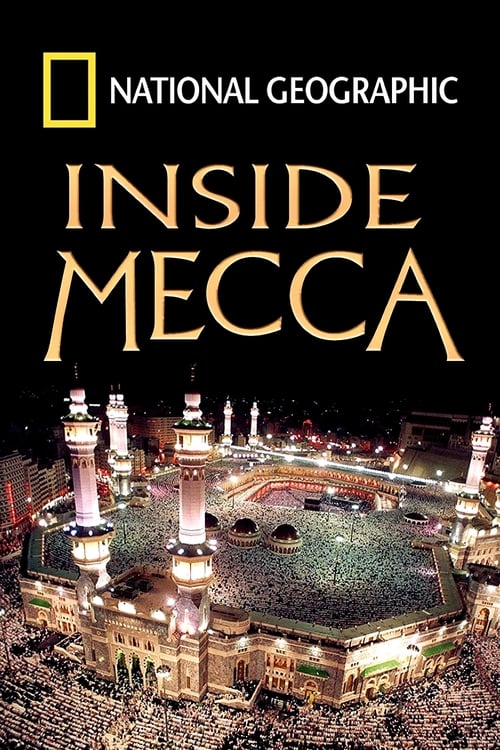
The events of the hajj have long remained veiled from non-Muslims, who are forbidden even to enter the holy city of Mecca. A team of Muslim filmmakers gained access to Islam's holiest place at the peak of the pilgrimage to document the holy event for National Geographic Television.
After the impressive Gulistan, Land of Roses (VdR 2016), the Kurdish filmmaker Zaynê Akyol returns with these conversations with imprisoned members of the Islamic State, alternating their words with aerial views of the countryside. An unexpected look at a far-reaching current political issue and a film whose subject matter and rhythm create an impressive cinematic object.
In the French music world, the beginning of the 2000s was marked by the arrival of a young rapper, Diam's. Over the course of three albums, she has become a phenomenon in France, as well as in many countries around the world. Diam's has won some of the most prestigious awards in French music, graced the covers of countless magazines, and sold millions of records. However, in 2010, at the height of her fame, Diam's made a life choice that shocked the French: she converted to Islam. How did a tortured and suicidal artist find her way to peace? For the first time Diam's, known to her family as Mélanie, tells us the real story.
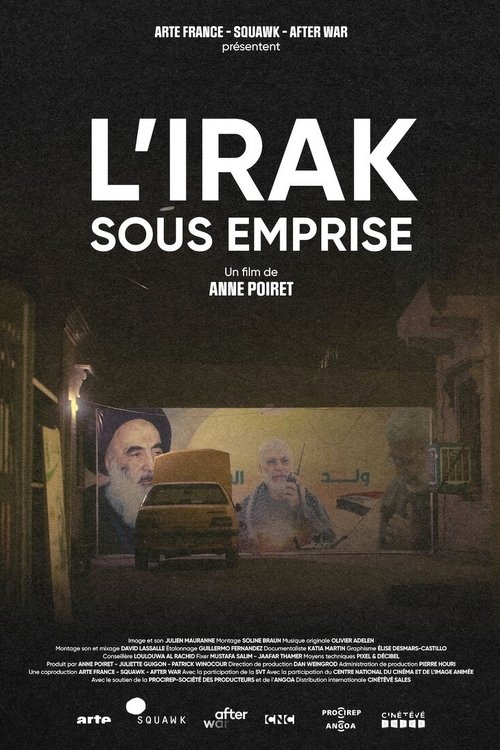
In 2014, when Mosul, Iraq's second largest city, fell to the Islamic State, the creation of dozens of factions was seen as the solution to organize the Shiite youth who had risen up en masse to fight Daesh and protect Baghdad, which was under threat. These factions were supposed to be a temporary force. In reality, they have never been demobilized, leading the Iraqi state into ever greater instability. How did they become so strategically important in post-Daesh Iraq?
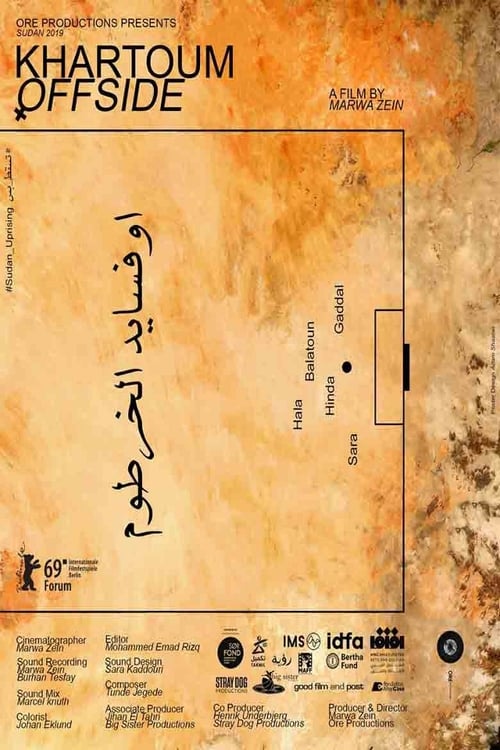
A group of exceptional young ladies in Khartoum are determined to play football professionally. They are prepared to defy the ban imposed by Sudan's Islamic Military government and they will not take no for an answer. Their battle to get officially recognized as Sudan's National Woman's team is fearless, courageous and often laughable. But their struggle is unwavering. Through the intimate portrait of these women over a number of years we follow their moments of hope and deception. Despite the National Football Federation getting FIFA funds earmarked for the women's teams, this team continues to be marginalized. However, there is a new spark of hope when the elections within the federation could mean real change of the entire system.