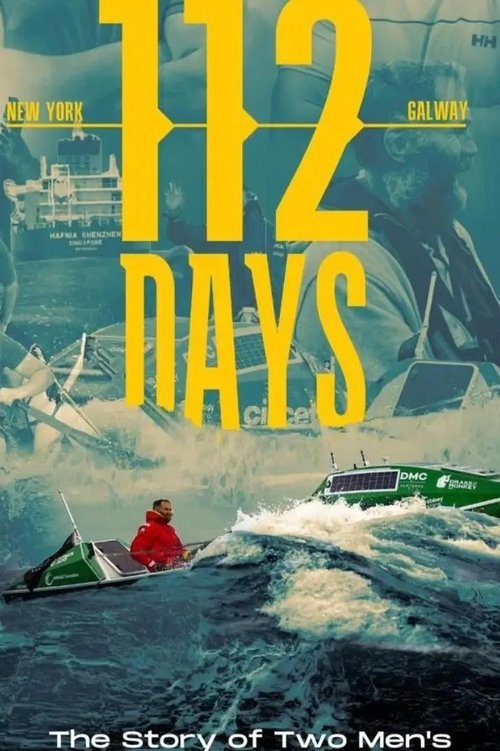
The Story of Two Men's Extraordinary Attempt to Row the Atlantic
Documentary that follows Damian Browne and Fergus Farrell as they attempt the impossible: traversing the unforgiving Atlantic Ocean in a small two-person rowboat.
Trailer
No Cast found.
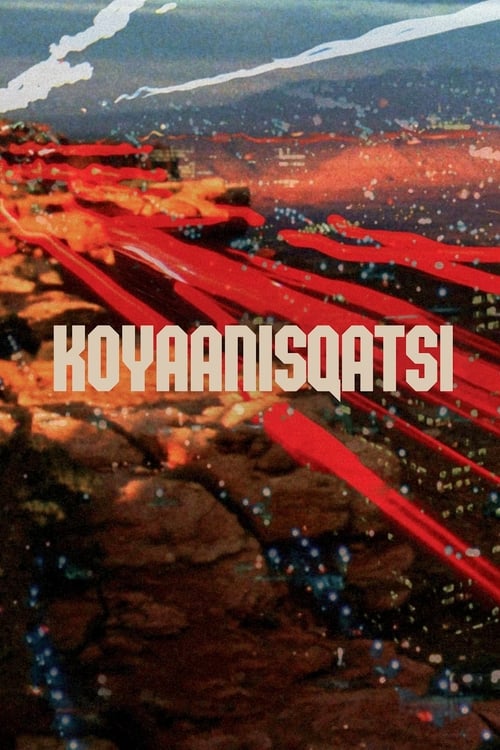
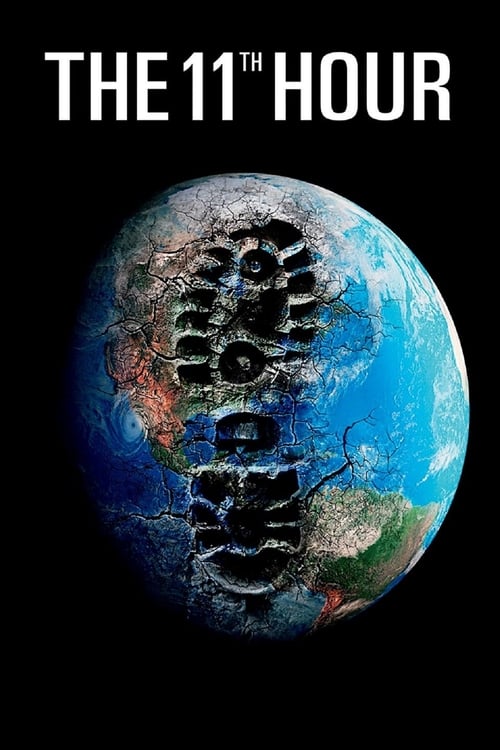
Takes us to locations all around the US and shows us the heavy toll that modern technology is having on humans and the earth. The visual tone poem contains neither dialogue nor a vocalized narration: its tone is set by the juxtaposition of images and the exceptional music by Philip Glass.
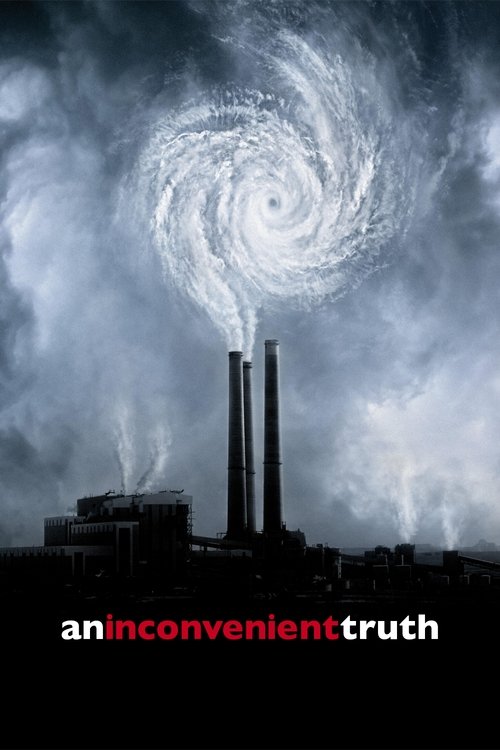
A documentary on Al Gore's campaign to make the issue of global warming a recognized problem worldwide.
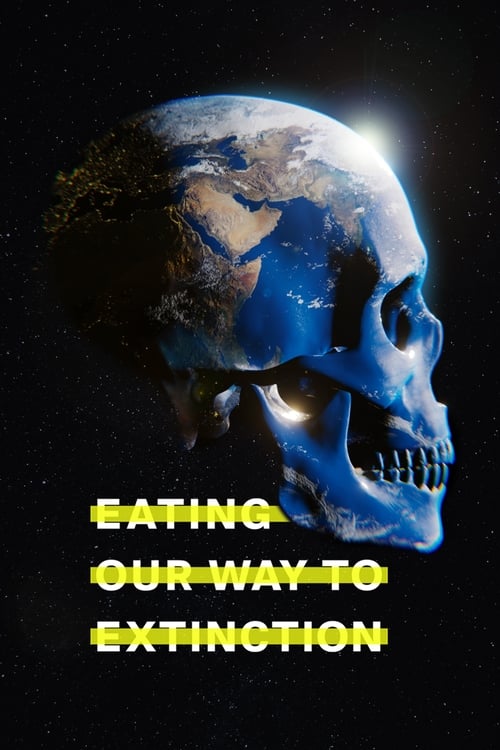
With searing insight that shines light in dark corners, EATING OUR WAY TO EXTINCTION is a compelling feature documentary that opens the lid on the elephant in the room no one wants to talk about. Confronting and entertaining, this documentary allows audiences to question their everyday choices, industry leaders and governments. Featuring a wealth of world-renowned contributors including Sir Richard Branson and Tony Robbins, it has a message of hope that will empower audiences.
A look at the state of the global environment including visionary and practical solutions for restoring the planet's ecosystems. Featuring ongoing dialogues of experts from all over the world, including former Soviet Prime Minister Mikhail Gorbachev, renowned scientist Stephen Hawking, former head of the CIA R. James Woolse
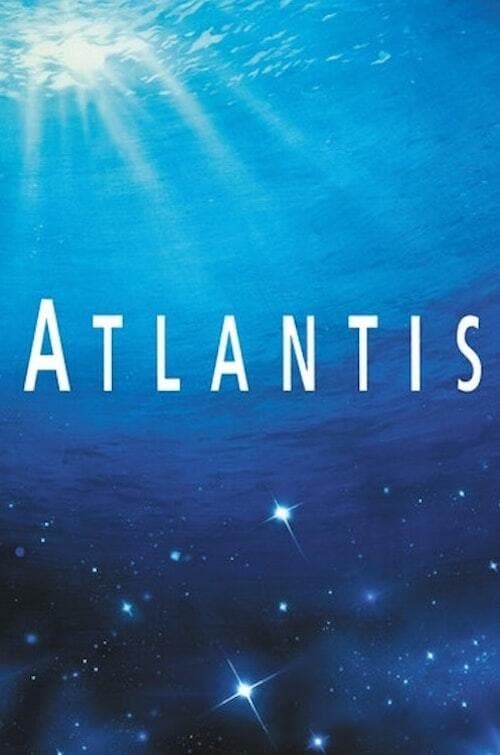
Atlantis is filmmaker Luc Besson's celebration of the beauty and wonder of the world beneath the sea, expanding upon themes touched on in his film The Big Blue. Combining stunning underwater cinematography and a hypnotic score by Eric Serra, Besson's singular vision defies dialogue or narrative structure to explore ocean life as you've never seen it before. Following the colossal success of The Big Blue, Luc Besson crisscrossed the world's seas and oceans to film the beauty and diversity of marine life: from the giant octopuses of Vancouver to the manta rays of the Pacific (New Caledonia), and the grey sharks of Tahiti. A film with no actors or sets other than the underwater world. A breathtaking view of marine species: sharks, dolphins, manatees, octopuses. An exploration of the seabed in the Bahamas, the Galapagos, Vancouver, and Tahiti.
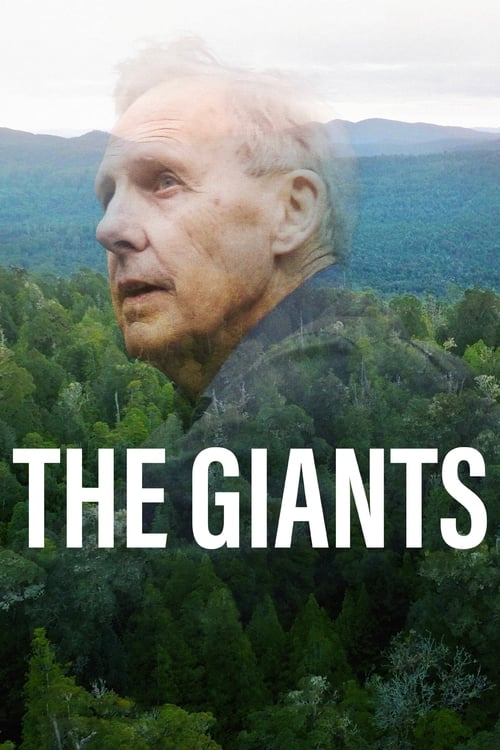
A portrait of environmental folk hero & gay icon Bob Brown, who took green politics to the center of power. His story is interwoven with the life cycle of the ancient trees he's fighting for.
Wisconsin's tribe's ongoing fight to protect Lake Superior for future generations. "Bad River" shows the Bad River Band of Lake Superior Chippewa's long history of activism and resistance in the context of continuing legal battles with Enbridge Energy over its Line 5 oil pipeline. The Line 5 pipeline has been operating on 12 miles of the Bad River Band's land with expired easements for more than a decade. The Band and the Canadian company have been locked in a legal battle over the pipeline since 2019.
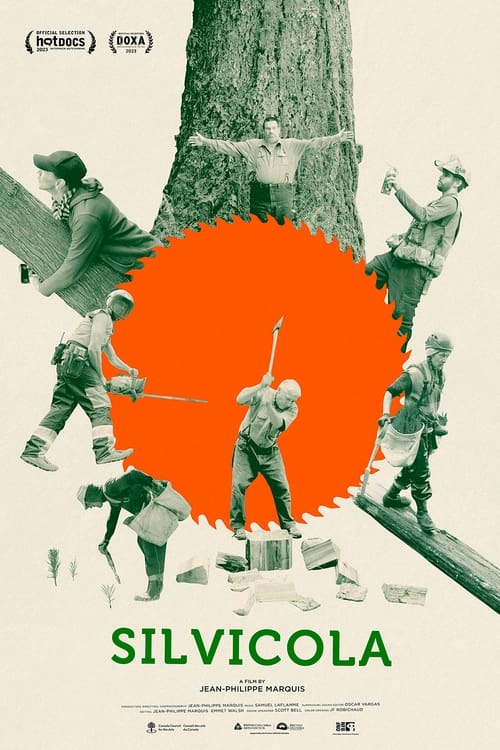
The human impact on forests is explored through breathtaking vistas and poignant vignettes set in Canada's Pacific Northwest. Those who rely on this precious resource highlight the tensions and dilemmas between commodification and conservation.
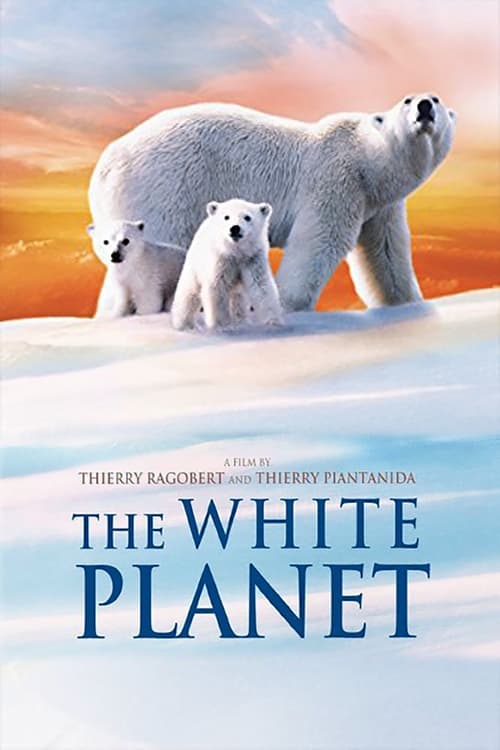
The White Planet or in French, La Planète Blanche, is a 2006 documentary about the wildlife of the Arctic. It shows interactions between marine animals, birds and land animals, especially the polar bear, over a one year period. The fragility of the Arctic is hinted at as a reason to prevent climate change. It was nominated for the Documentary category in the 27th Genie Awards in 2007.
No overview available.
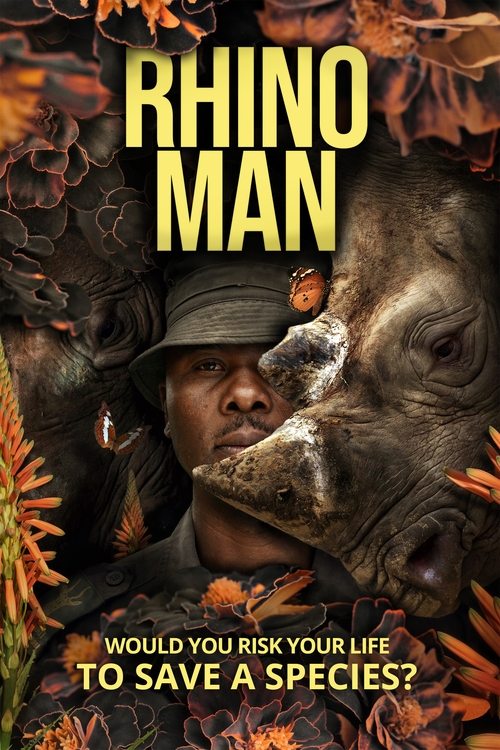
RHINO MAN follows the courageous field rangers who risk their lives every day to protect South Africa's rhinos from being poached to extinction.
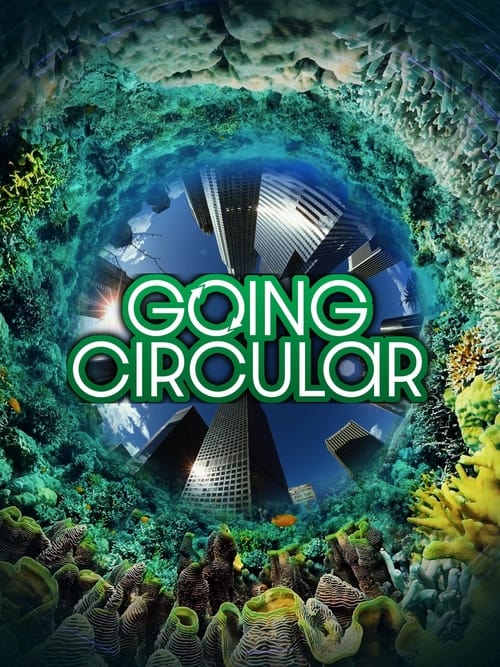
Going Circular unlocks the secrets to an innovative concept called circularity -- an economic system that eliminates waste and saves the planet’s resources. The film tells the story of four visionaries from around the world - 102-year-old inventor Dr. James Lovelock, biomimicry biologist Janine Benyus, designer Arthur Huang, and financier John Fullerton - whose extraordinary experiences changed the way they think about humanity’s future. Each of their stories leads them to a fundamental reassessment of what our food, our cities, our financial system, even our fashion industry could look like if we create, produce, and distribute within Earth's natural boundaries.
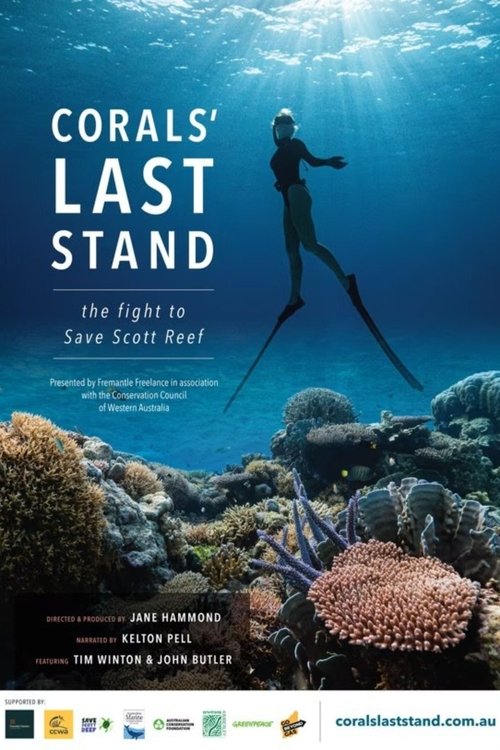
Perched on the edge of the continental shelf, 300km from the Australian mainland lies Scott Reef. This ancient coral atoll, isolated for millions of years from other reef systems and mainland influences, has developed its own sub populations of unique species. Formed more than 15 million years ago Scott Reef is home to more than 1200 species including endangered seas snakes, green turtles and spectacular corals. Endangered pygmy whales and other rare cetaceans stop at Scott Reef on their annual migrations to feed on the abundant krill. It is one of only a few spots along the west coast of Australia where krill can be found in sufficient quantities to replenish the needs of these large creatures. But Scott Reef is under threat.
As the impact of the climate crisis intensifies each year, both Steven Fuller and Yellowstone face an unprecedented threat to their future — one that could forever change one of North America's last great wildernesses.
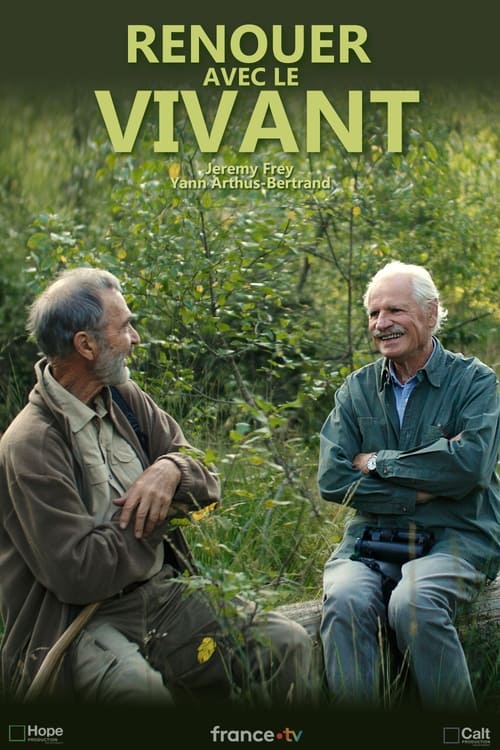
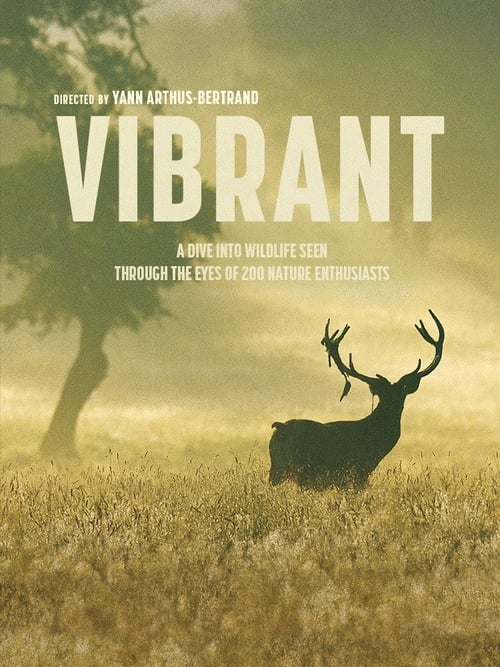
From infinitely small to super-predator, from the earthworm to the whale, from the blade of grass to the giant tree, Vibrant takes you on a journey to discover the biodiversity one country can host. Through the breathtaking natural environments of France, it is an exploration of the pyramid of life. It is also, and above all, an opportunity to marvel at these species capable of a thousand feats, subtly connected to each other and of which the human being is an integral part. A link that we have too often forgotten and that it is time to reweave.