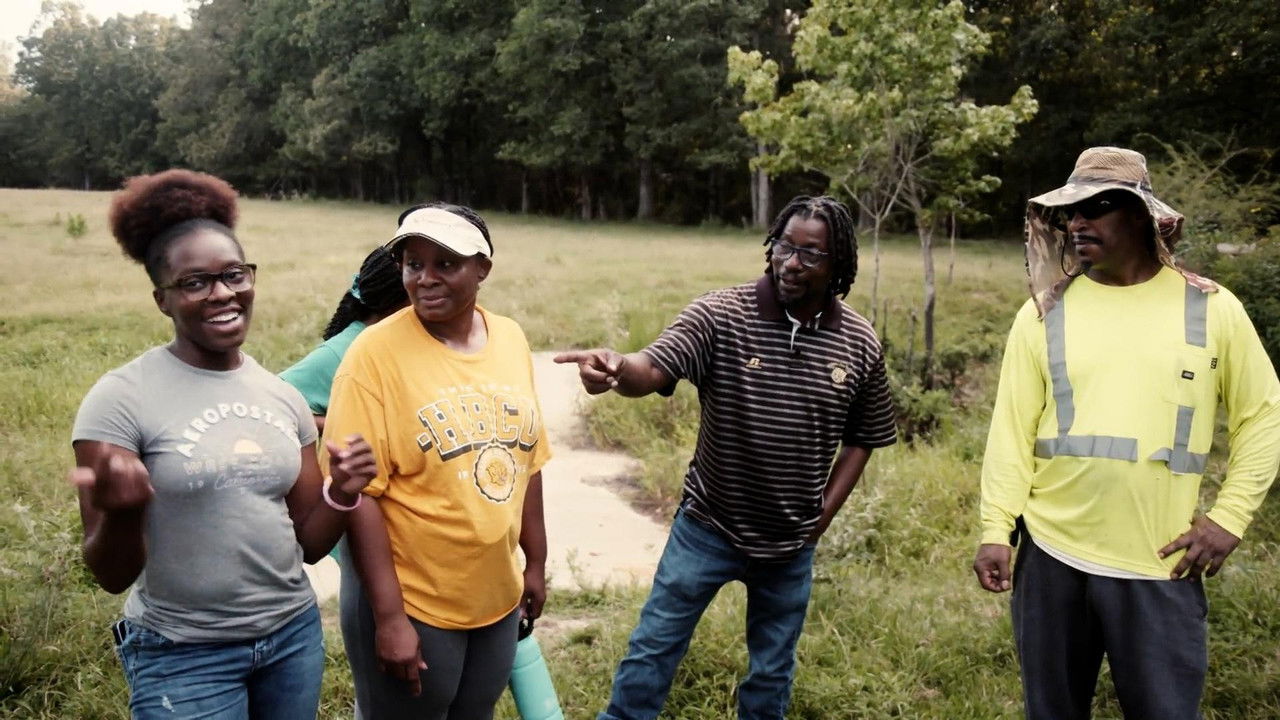
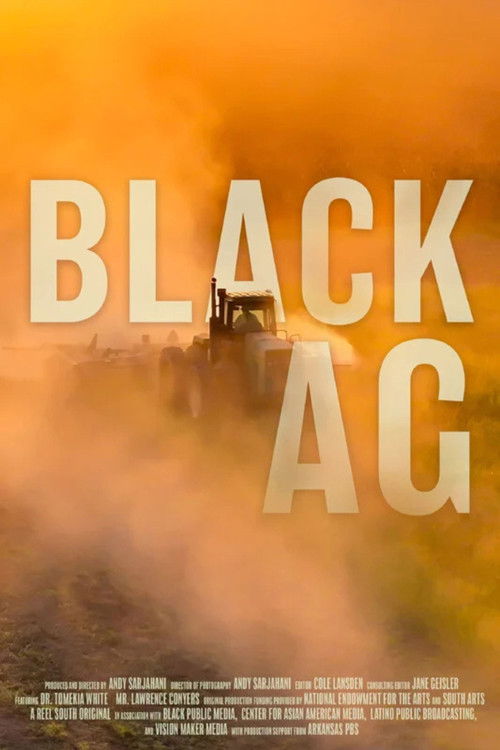
Just two generations removed from sharecropping, Dr. Tomekia White redefines agriculture for the black community in Arkansas as she develops farming practices that protect a dwindling water supply.
No Cast found.
No Trailers found.
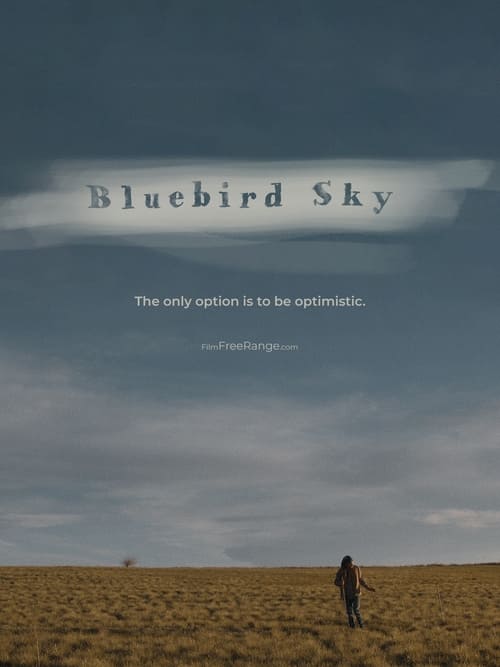
Danny and Annaliese are attempting to start a regenerative livestock farm in Boulder County, Colorado. Their story is one example of young farmers entering into this aging profession. The film explores the challenges of making it as farmers, the value of supporting a local food system, and how to approach long term change.
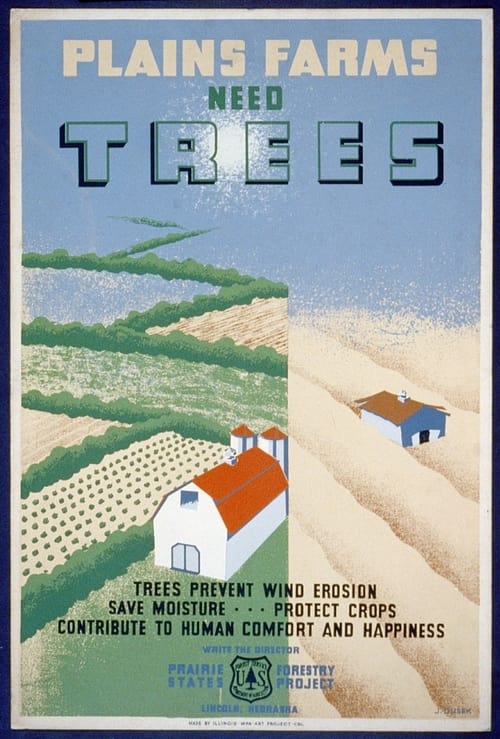
This short film serves as a cautionary tale to farmers who recklessly cut down trees on their land. When prairie farmers engaged in this practice to facilitate plowing, they discovered that the trees had served as windbreaks protecting top soil from erosion. The Dominion Department of Agriculture's experimental station at Indian Head, Saskatchewan, cultivated acres of young trees for distribution to farmers.
King Corn is a fun and crusading journey into the digestive tract of our fast food nation where one ultra-industrial, pesticide-laden, heavily-subsidized commodity dominates the food pyramid from top to bottom – corn. Fueled by curiosity and a dash of naiveté, two college buddies return to their ancestral home of Greene, Iowa to figure out how a modest kernel conquered America. With the help of some real farmers, oodles of fertilizer and government aide, and some genetically modified seeds, the friends manage to grow one acre of corn. Along the way, they unlock the hilarious absurdities and scary but hidden truths about America’s modern food system in this engrossing and eye-opening documentary.
In barely a century, French peasants have seen their world profoundly turned upside down. While they once made up the vast majority of the country, today they are only a tiny minority and are faced with an immense challenge: to continue to feed France. From the figure of the simple tenant farmer described by Emile Guillaumin at the beginning of the 20th century to the heavy toll paid by peasants during the Great War, from the beginnings of mechanization in the inter-war period to the ambivalent figure of the peasant under the Occupation, From the unbridled race to industrialization in post-war France to the realization that it is now necessary to rethink the agricultural model and invent the agriculture of tomorrow, the film looks back at the long march of French peasants.
The people, the scenery and the industrial traditions of the Stroud valley and the growth of the woollen industry.
Local, organic, and sustainable are words we associate with food production today, but 40 years ago, when Fran and Tony McQuail started farming in Southwestern Ontario, they were barely spoken. Since 1973, the McQuails have been helping to build the organic farming community and support the next generation of organic farmers. This is a documentary about the McQuails that explores the very real ways their farm has contributed to the long term ecological viability of agriculture in Ontario. It is a call to action for all those who believe there is a better way to take care of our planet and feed the world.
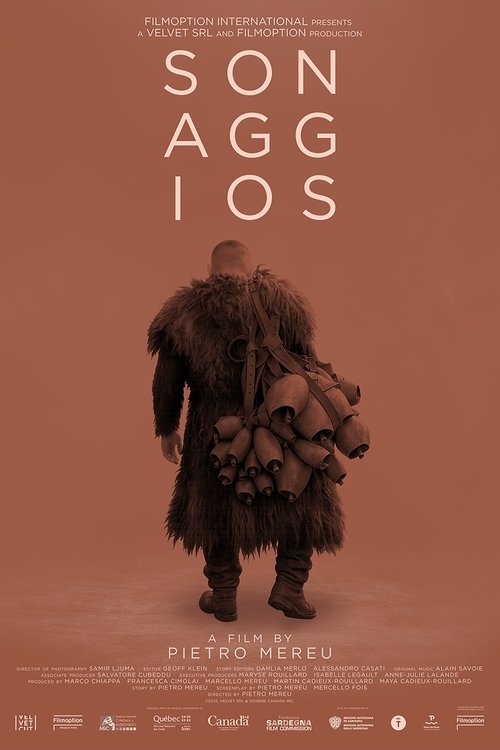
In the Sardinian town of Tonara, where the ancient art of crafting cowbells teeters on the edge of extinction, a family battles to preserve their heritage, passing down skills to a new generation while grappling with personal struggles and the pull of modernity. English subtitles.
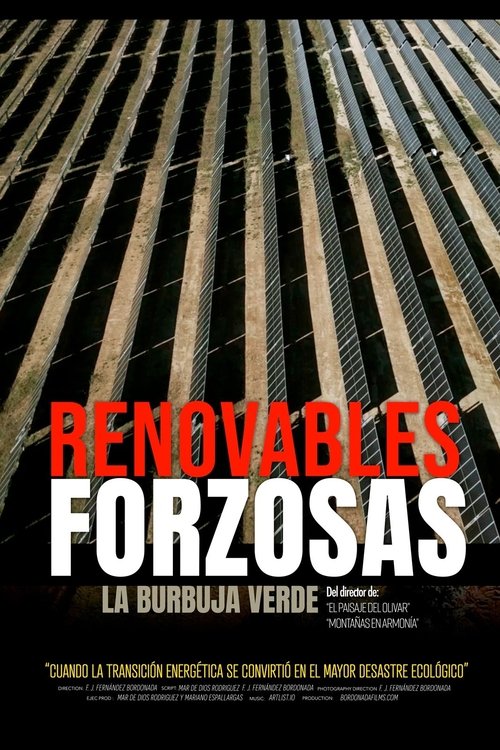
In Lopera (Jaén), the ecological transition has turned into a nightmare: centuries-old olive groves are being uprooted to make way for massive photovoltaic plants, in an unfair battle between powerful corporations and the local community. Through firsthand testimonies, striking visuals, and an analysis of the current energy model, Forced Renewables reveals how progress, when poorly planned and disconnected from rural life, can lead to an unprecedented ecological, social, and economic disaster.
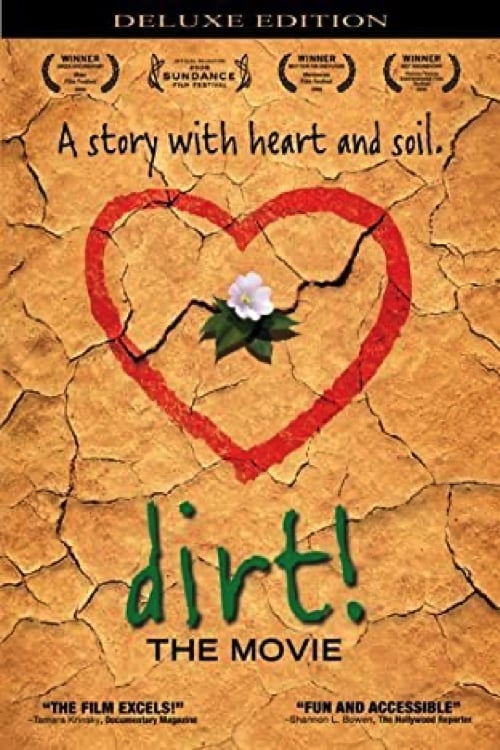
A look at man's relationship with Dirt. Dirt has given us food, shelter, fuel, medicine, ceramics, flowers, cosmetics and color --everything needed for our survival. For most of the last ten thousand years we humans understood our intimate bond with dirt and the rest of nature. We took care of the soils that took care of us. But, over time, we lost that connection. We turned dirt into something "dirty." In doing so, we transform the skin of the earth into a hellish and dangerous landscape for all life on earth. A millennial shift in consciousness about the environment offers a beacon of hope - and practical solutions.
From the Black Earth is a collaboration between Bristol based company Cables and Cameras, and a local farmer Humphrey Lloyd. Employing both lucid speakers and poetic camera work, the film poses stark questions such as; why does food poverty exist in a nation of plenty, and why are people of colour so under represented not only in our countryside and farms, but in the environmental movement more broadly? By giving a platform to people of colour who are connecting with nature and working the land, this short documentary starts to unpick these questions...
The film shows the connection between agricultural overproduction in Europe and hunger in Brazil.
This 10-minute short documentary exploring the shifting state of the American poultry industry was preserved in 2015 from an original nitrate print. More information is available on the film's page in the National Film Preservation Foundation's website, where this version can be found featuring original music by Michael D. Mortilla.
This short documentary illustrates rural French Canadian life in the early 1940s. The film follows Alexis Tremblay and his family through the busy autumn days as they bring in the harvest and help with bread baking and soap making. Winter sees the children revelling in outdoor sports while the women are busy with their weaving, and, with the coming of spring young and old alike repair to the fields once more to plough the earth in preparation for another season of varied crops. One of the first NFB films to be produced, directed, written and shot by women.
No overview available.
Rose, a young filmmaker looking for work, embarks on a retraining course to become a farmer. An initiatory tale that questions our relationship with the land, with art, and with the role of the filmmaker as an observer of our world.
Patrick Kielty explores the untold story of Harry Ferguson and Henry's Ford's remarkable handshake agreement and how it led to a $250 million lawsuit.
For almost three years, nature filmmaker and ecologist David Cebulla has been observing wild Common hamsters. He not only tries to learn more about the species, but also documents why hamsters are globally threatened with extinction. David travels from the western border of the distribution area in France via Germany, Poland, Austria and Hungary to the eastern border of the distribution area in the Kazakh steppe. In the process, he manages to capture some unique and fantastic images. But during the project, it becomes increasingly difficult to find animals living in the wild.
The Gintoftgaard farmstead has been run by the Petersen family for 16 generations. Many people have lived and loved here, fought for their place in society, and adapted – in good times and in bad, in poverty and in wealth. Traces of them can be found in some corners; in others, there’s only dust. A farm looks back on its history.
The silent majority is the Costa Rican peasantry, which has been the object of traditional contempt and which has manifested itself in various forms: unfair salary compensation, bad prices for their agricultural products, financing difficulties, land grabs, precarious housing and educational conditions. health. Precariousness, peasant migrations and the depletion of the agricultural frontier are also analyzed in the film.
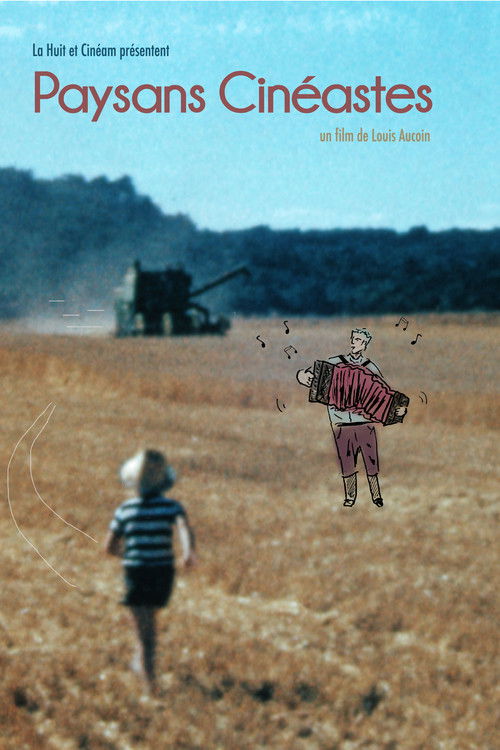
Farmers in the Île-de-France region, they filmed life on the farm, working in the fields, and family and village celebrations on 8 mm or Super 8 film. From the 1950s to the 1980s, these testimonies unfold a history of rural life: we move away from a peasant and family model to industrial agriculture for export. Through these family images, I attempt to answer my own questions about our agricultural future. In the 1950s, the land of Île-de-France fed us.