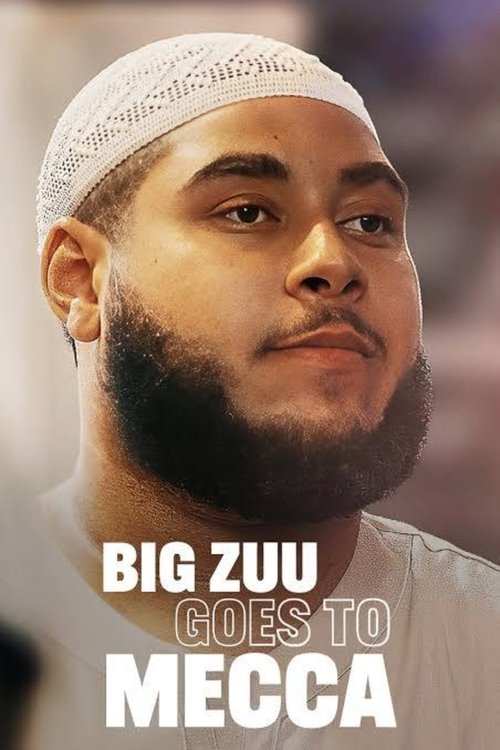
Chef and rapper Big Zuu makes a pilgrimage to Mecca on a personal spiritual journey to try and understand more about his faith and what it means to be 'a good Muslim'.
No Trailers found.
Throughout the Islamic world, each year hundreds of women are shot, stabbed, strangled or burned to death by male relatives because they are thought to have “dishonoured” their families. They may have lost their virginity, refused an arranged marriage or left an abusive husband. Even if a woman is raped or merely the victim of gossip, she must pay the price. Crimes of Honour documents the terrible reality of femicide – the belief that a girl’s body is the property of the family, and any suggestion of sexual impropriety must be cleansed with her blood. We meet women in hiding from their families, a brother who describes his reasons for killing the sister he loved, and a handful of women who have committed themselves to the protection of young women in danger of losing their lives.
How to combine modernity and fundamentalist Islam. "Saudi Solutions" is a unique and revealing documentary about the lifestyles and attitudes of ambitious career womenin conservative Saudi Arabia - the only country in the Arabworld where women are obliged to cover themselves inabayas and aren't allowed to drive cars. Because of the strong influence of fundamentalist Islam on society, filmingis severely restricted in Saudi Arabia. With unique access to the Kingdom, Backlight had the opportunity to film the daily routines of Saudi working women. This documentaryfeatures a top gyneacologist, a TV news anchor woman, a photographer, and a university professor. It also introducesthe wealthy Prince Al-Waleed, who passionately promotes the acceptance of women into the workforce. He kindly invitesBacklight to his luxury desert camp, but there are no women to be found - only thousands of men.
No overview available.
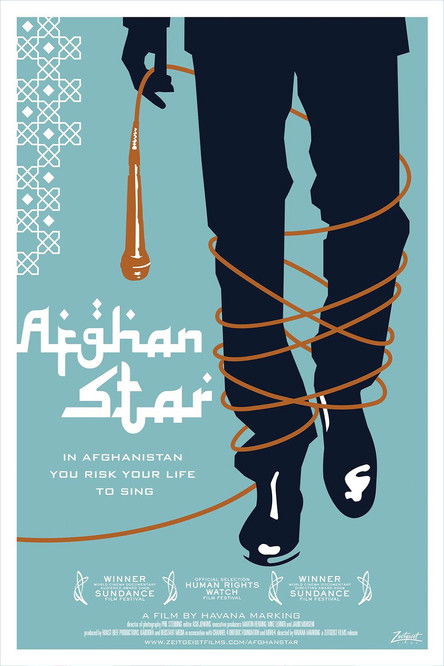
This documentary on the effect the talent competition "Afghan Star" has on the incredibly diverse inhabitants of Afghanistan affords a glimpse into a country rarely seen. Contestants risk their lives to appear on the television show that is a raging success with the public and also monitored closely by the government.
In the French music world, the beginning of the 2000s was marked by the arrival of a young rapper, Diam's. Over the course of three albums, she has become a phenomenon in France, as well as in many countries around the world. Diam's has won some of the most prestigious awards in French music, graced the covers of countless magazines, and sold millions of records. However, in 2010, at the height of her fame, Diam's made a life choice that shocked the French: she converted to Islam. How did a tortured and suicidal artist find her way to peace? For the first time Diam's, known to her family as Mélanie, tells us the real story.
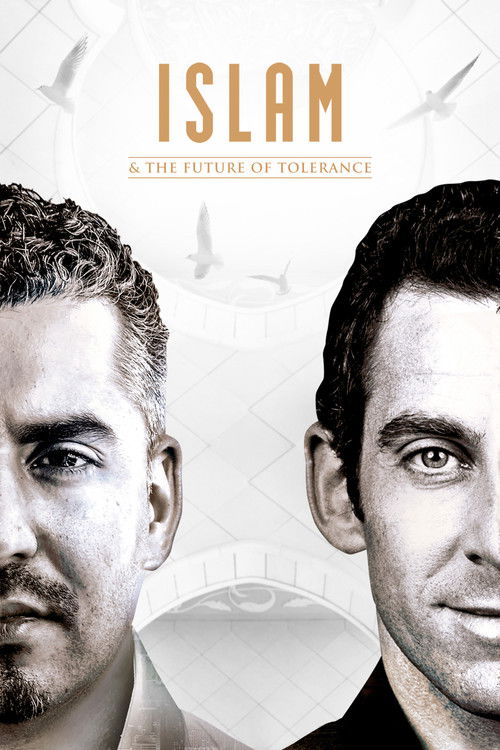
In the thick of a controversial war of ideas, two enlightening figures, Sam Harris, an atheist and a critic of religion, and Maajid Nawaz, an Islamist-turned-liberal activist, partake in an engaging dialogue on the state of Islam, its potential reform, the militant ideology of Islamism, and where all this lays in a secular world.
When one thinks of the American Deep South, the image of veiled Muslim students strolling the University of Alabama campus is the last thing that comes to mind. VOICES OF MUSLIM WOMEN FROM THE US SOUTH is a documentary that explores the Muslim culture through the lens of five University of Alabama Muslim students. The film tackles how Muslim women carve a space for self-expression in the Deep South and how they negotiate their identities in a predominantly Christian society that often has unflattering views about Islam and Muslims. Through interviews with students and faculty at Alabama, this film examines representations and issues of agency by asking: How do Muslim female students carve a space in a culture that thinks of Muslims as terrorists and Muslim women as backward?
Life on the road in India, showing the traffic, people and animals.
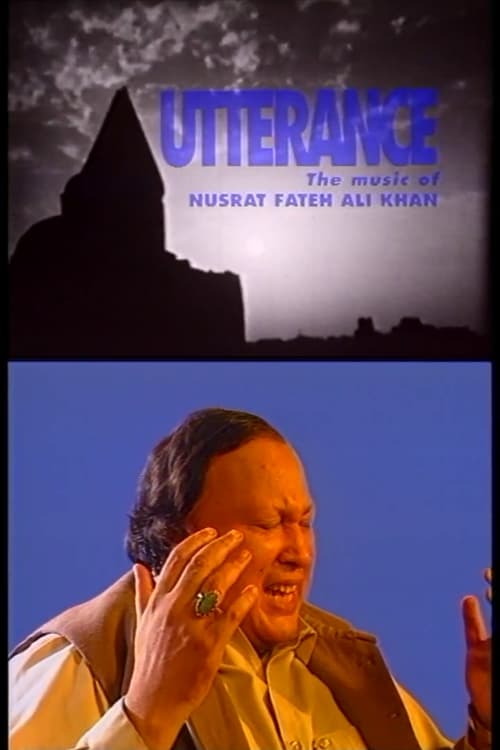
Short documentary about Pakistani musician, Nusrat Fateh Ali Khan (1948-1997), leading exponent of Sufi devotional qawwali singing.
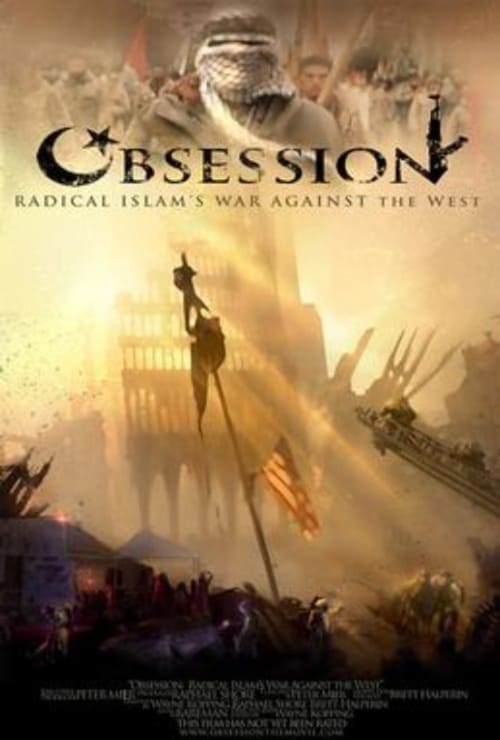
Obsession is a film about the threat of Radical Islam to Western civilization. Using unique footage from Arab television, it reveals an 'insider's view' of the hatred the Radicals are teaching, their incitement of global jihad, and their goal of world domination.
Using performance to inspire critical reflection, Promised Paradise delivers fascinating and revealing insight into the social and religious undercurrents dominating Indonesian society today and the Muslim world at large.
In Pakistan, veils hide one of the country's most terrible secrets. Driven by revenge, jealousy or sexual non-co-operation some men subject their wives to horrific attacks with acid that is freely available in the street. Completely disfigured, the victims are often ostracized by their families and become prisoners in their own home. This chilling documentary is a terrifying insight into the shattered lives of these women.
A short film in which Quran verses are shown alongside images from terrorist attacks.
Documents the long and arduous journey made by Muslims every year, from North Africa to Mecca. Footage inside the city was filmed by a Muslim crew.
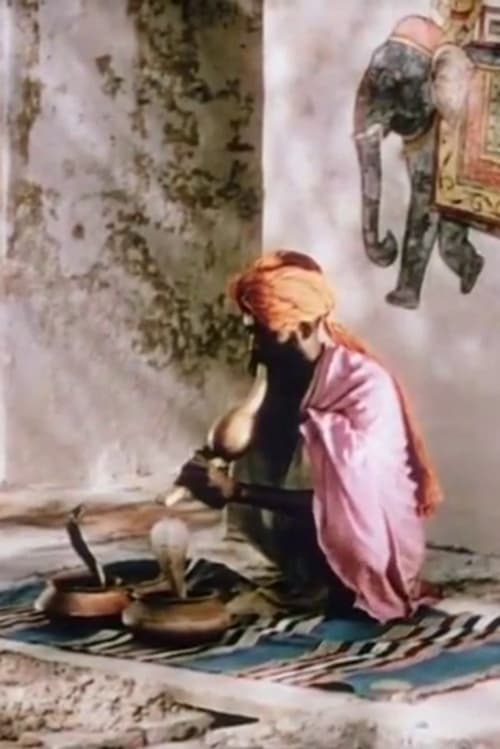
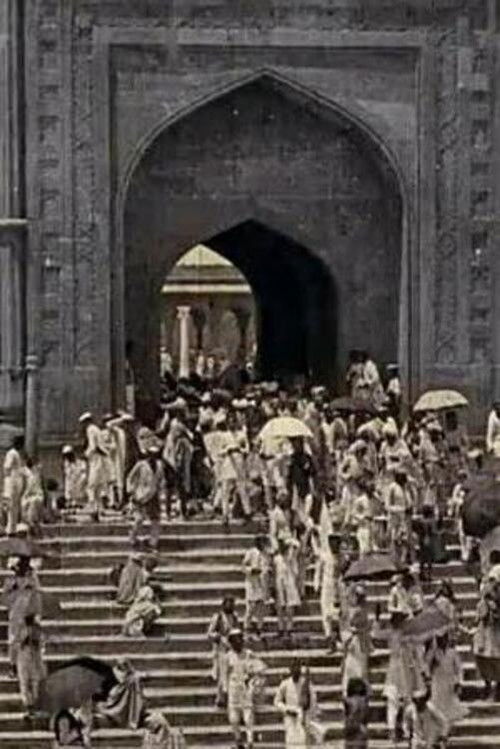
Rare stencil-coloured images of early 20th century Delhi during a Muslim festival.
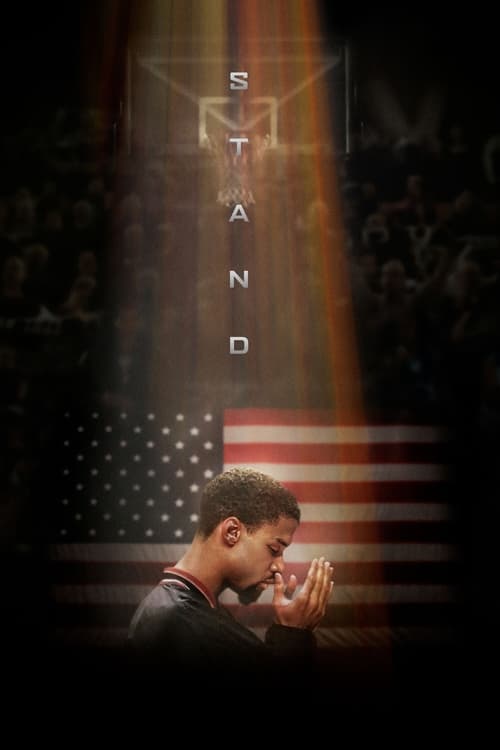
Raw and unflinching examination of the courageous life of basketball star and social justice activist Mahmoud Abdul-Rauf. Born Chris Jackson, he overcame tremendous adversity to reach the NBA and found his true calling when he converted to Islam. His decision not to stand for the national anthem, however, turned him from prodigy to pariah. Told candidly by Abdul-Rauf himself more than 20 years later it’s the remarkable story of one man who kept the faith and paved the way for a social justice movement.
Challenging the Western view that Islam inherently represses women’s rights, journalist Samira Ahmed travels across the world examining Islamic customs as they relate to women. In this two-part series, Ahmed explores whether current Islamic customs such as polygamy, honor killings, and requiring women to wear the hijāb (veil) are actually rooted in the Quran.
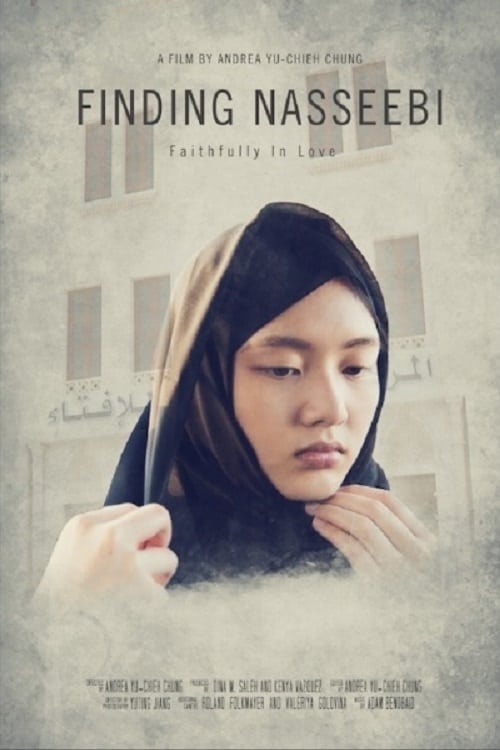
A soul-searching filmmaker sets out to make a documentary about the United Arab Emirates' Islamic hotline center, where scholars answer questions and guide people towards the right path according to the Quran. As a friendship blossoms with one of the scholars, the filmmaker's relationship with a Muslim boyfriend makes her question her beliefs and the integrity of her film. This self-reflexive documentary follows one woman's journey to understand Islam and to love, regardless of differences in faith.
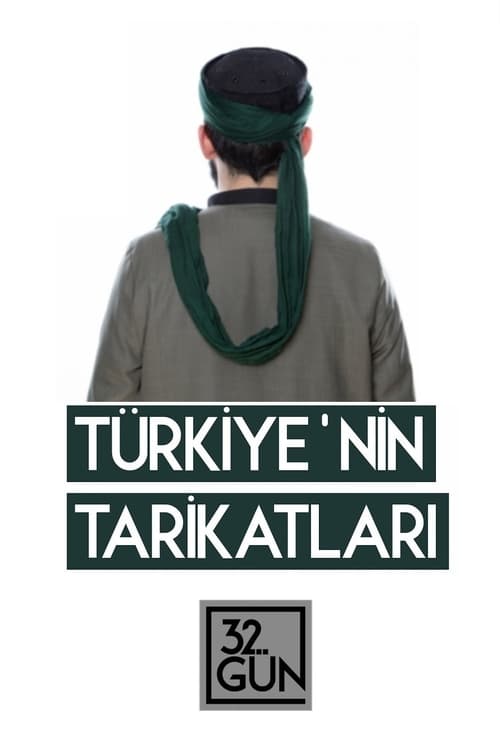
We feel as if we are discovering Turkey for the first time. All of a sudden, we came across a Türkiye with imam marriage and congregations. Actually, that Türkiye has always existed, but we seem to be ignoring it. Especially the iftar dinner given by Prime Minister Erbakan to the leaders of the sect suddenly increased the discussions even more. Sects are a danger to the Republic for some of us, and star people for peace in the country according to others. Regardless, the truth of sects is now a part of our lives. Tonight we will open a 2-part sects file. How many sects are there in Turkey? Who participates, how and why? How do they enter and what do they do? What are the advantages of being a cult member? How many members do sects have? Is Türkiye about to surrender to the sects? Here you will find answers to hundreds of more questions like these. Rıdvan Akar joined various sects. He studied the positive and negative aspects of the sects world. A beautiful file has emerged...
In this sequel to "My brother the Islamist," we continue to follow Robb Leech as the tries to understand his stepbrother's journey and transformation from middle-class boy to convicted terrorist.
Self - Presenter