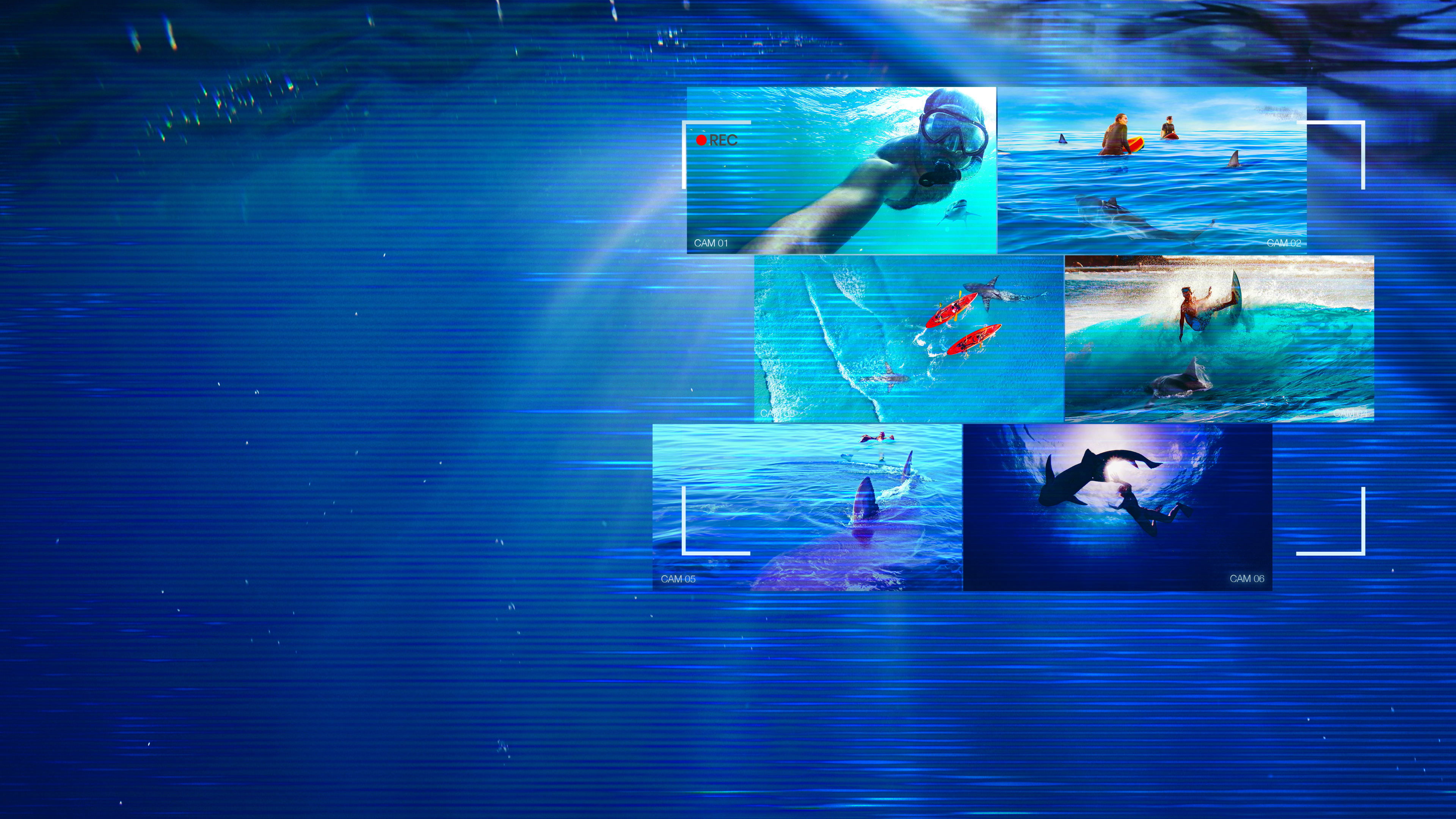
Terrifying footage of real life shark encounters is analyzed by experts with hopes of gaining new understanding of how sharks interact with humans.
A showcase for breathtaking shark behaviour, covering a wide variety of species across the coastal waters of the US.
No overview available.
Explores the life of local Martha's Vineyard legend, Craig Kingsbury, and his impact on the production of Steven Spielberg’s classic movie
Driven by passion fed from a life-long fascination with sharks, Rob Stewart debunks historical stereotypes and media depictions of sharks as bloodthirsty, man-eating monsters and reveals the reality of sharks as pillars in the evolution of the seas.
See the world's first MRI scan of a great white shark as Ultimate Shark reveals the extreme engineering and predatory abilities of one of nature's most near perfect predators. Hear firsthand accounts of people who survived harrowing encounters, including a surfer who was bitten on the arm and leg, towed by the surfboard ankle strap and miraculously escaped only with minor injuries. National Geographic demystifies the true motives and power behind their behavior.
Peter Gimbel and a team of photographers set out on an expedition to find and film, for the very first time, Carcharodon carcharias—the Great White Shark. The expedition lasted over nine months and took the team from Durban, South Africa, across the Indian Ocean, and finally to southern Australia.
A journey into the land of sharks. The old myth of swimming killing machines is put against the true nature of those rather peaceful hunters, whose evolution ended in biological perfection millions of years ago. We accompany expeditions of Dr. Eugenie Clark and Rodney Fox, who have studied sharks since the 1950's.
A behind the scenes look on Jaws The Revenge with interviews from the cast and crew.
Attack of the Red Sea Sharks investigates why sharks killed three people in less than a year in the coastal waters of Red Sea resorts. Multiple witnesses captured the gruesome attacks, with the videos quickly going viral, sparking confusion and hysteria. Are these attacks part of a growing trend that is becoming more common worldwide? A team of scientists launches a global pursuit to answer that question and find ways to prevent future attacks.
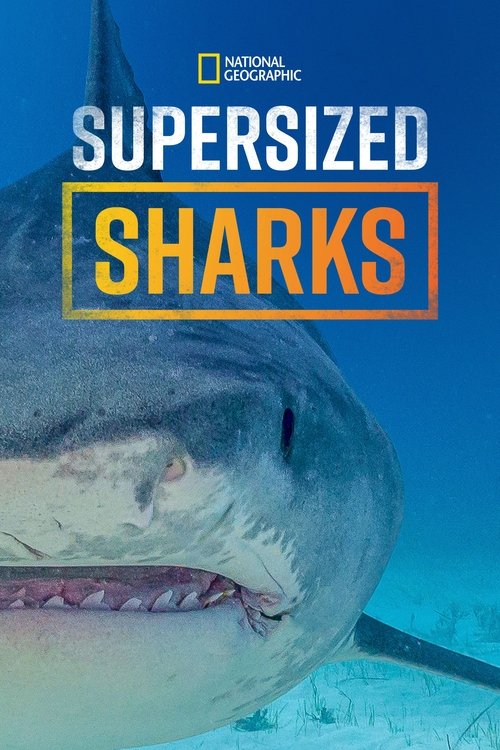
Ultra-athlete and shark advocate Ross Edgley goes head-to-head against four of the ocean’s most formidable sharks. He’s won the world record for the world’s longest assisted stage sea swim of nearly 1,800 miles but now Ross is pushing himself even further and testing his speed, strength, endurance, and digestive system. In four jaw-dropping shark challenges, Ross attempts a G-force turn like a hammerhead, a polaris jump out the water like a white shark, to out swim the mako — the world’s fastest shark — and finally, he tries to feast like a tiger shark.
Norfolk Island, 800 miles off the coast of Australia, is home to some of the largest tiger sharks in the world. As strange as it sounds, some think this small island in the middle of the South Pacific has become like a drive-thru burger joint for tiger sharks to gorge on meat. For the first time, scientists are diving in to answer why there are so many huge tigers there. Shark biologists Lauren Meyers, Charlie Huveneers and Adam Barnett lure the giants to their boat to investigate and make a surprising discovery.
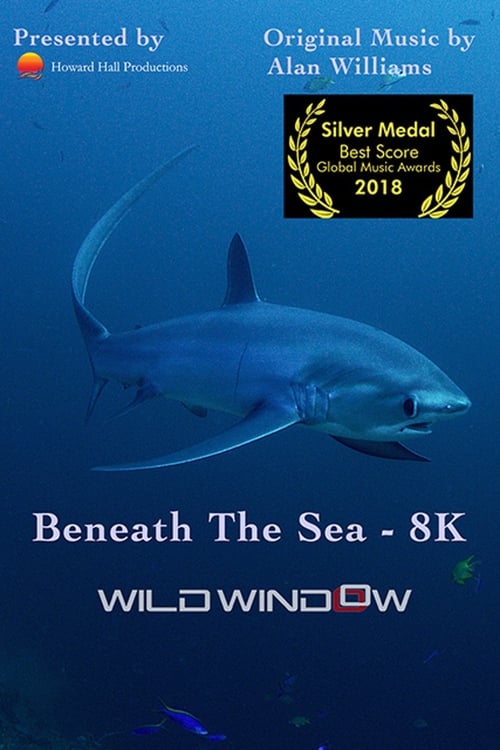
This films reveals the extraordinary variety of life found in the vast blue expanses of the open ocean. Here, all the action takes place in a 10 metre deep band of water, just under the surface. Many species use this section of water to migrate and hunt while others use ingenious ways to stay hidden where there appears to be no shelter.
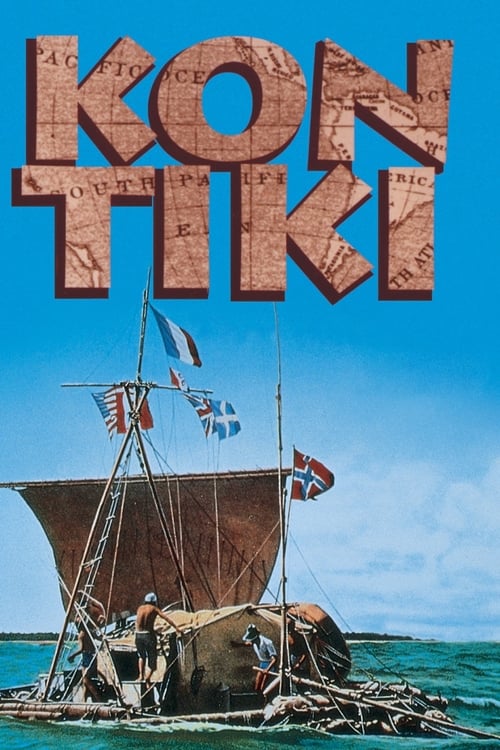
"Kon-Tiki" was the name of a wooden raft used by six Scandinavian scientists, led by Thor Heyerdahl, to make a 101-day journey from South America to the Polynesian Islands. The purpose of the expedition was to prove Heyerdal's theory that the Polynesian Islands were populated from the east- specifically Peru- rather than from the west (Asia) as had been the theory for hundreds of years. Heyerdahl made a study of the winds and tides in the Pacific, and by simulating conditions as closely as possible to those he theorized the Peruvians encountered, set out on the voyage.
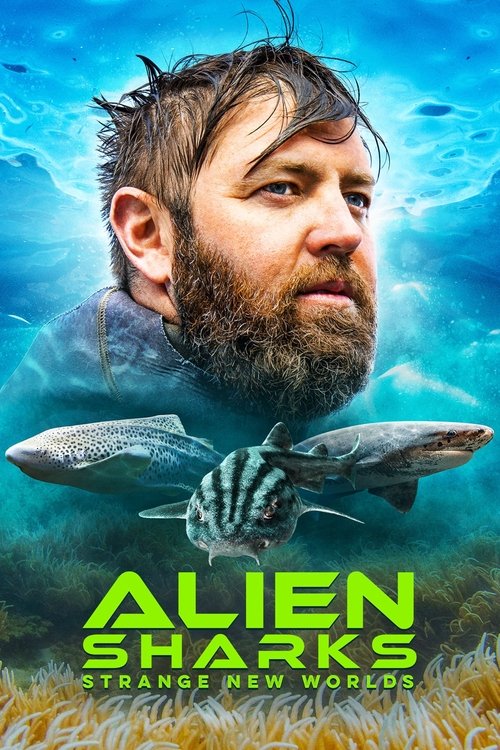
Forrest Galante explores stunning kelp forests and ocean depths never seen by humans to study the unusual sharks around the tip of South Africa.
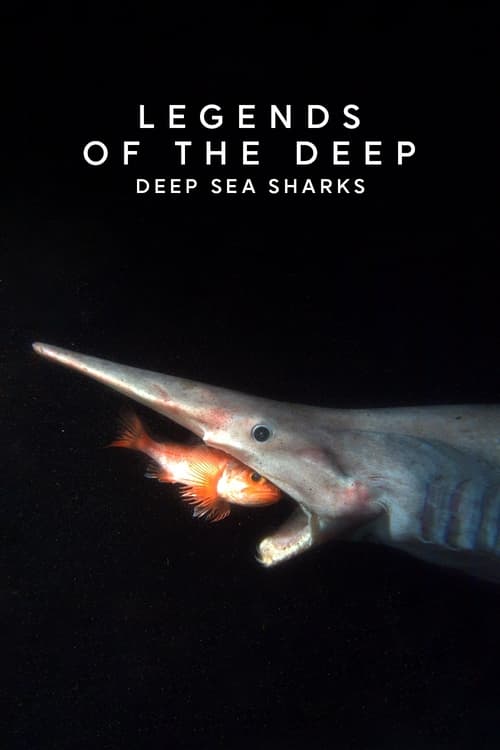
Groundbreaking documentary which follows a Japanese-led team of scientists as they attempt to shed light on the mysterious world of deep sea sharks. Only 50 specimens of the newly discovered 'megamouth' have ever been sighted. Over four years, scientists and film crews voyaged in midget submarines into the depths of Suruga Bay and Sagami Bay to film them. Prehistoric 'living fossil' sharks such as bluntnose sixgill sharks, goblin sharks and frilled sharks also lurk in the depths. As part of the investigation, a sperm whale carcass was placed at the bottom of the sea to attract these sharks, which were then studied and observed from the submersible vessels. Revealing in detail the previously unknown behaviour of deep sea sharks, the film unravels another of the intriguing mysteries of our planet's biodiversity.
Bertie heads to South Africa for his most audacious mission yet. The wild waters here are a hotspot for one of the ocean’s most famous and feared predators, the great white shark. Diving in the shallows without a cage, Bertie will attempt to film these huge sharks. By entering their domain, he discovers the challenges they face on our rapidly changing planet.
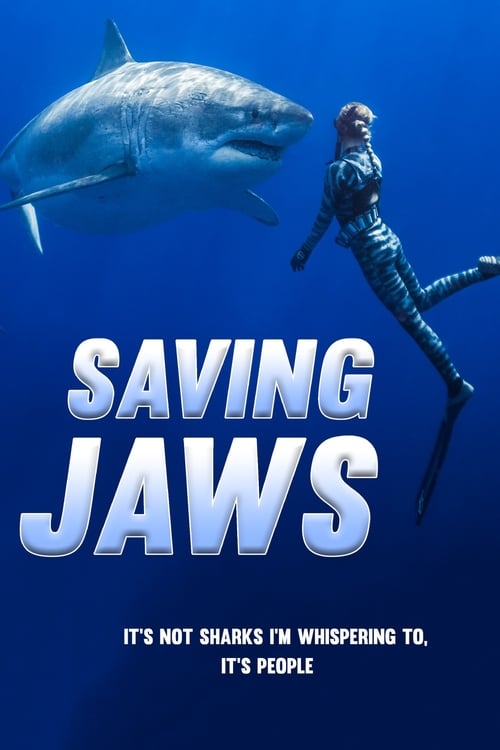
OCEAN RAMSEY attributes her unparalleled connection with sharks to over a decade of research, but many are convinced it is something more... The media has dubbed her "The Shark Whisperer". Battling a looming extinction, Ocean and her team of marine biologists will travel the globe for 12 months, conducting research and expanding their conservation efforts. From renowned scientists and PHDs, to elite athletes and celebrities, "The Shark Whisperer" will lead humans from all walks of life out of their element and into the deep... free-diving with some of the worlds most dangerous sharks. Her goal: To give the world the opportunity to see sharks the way she does.
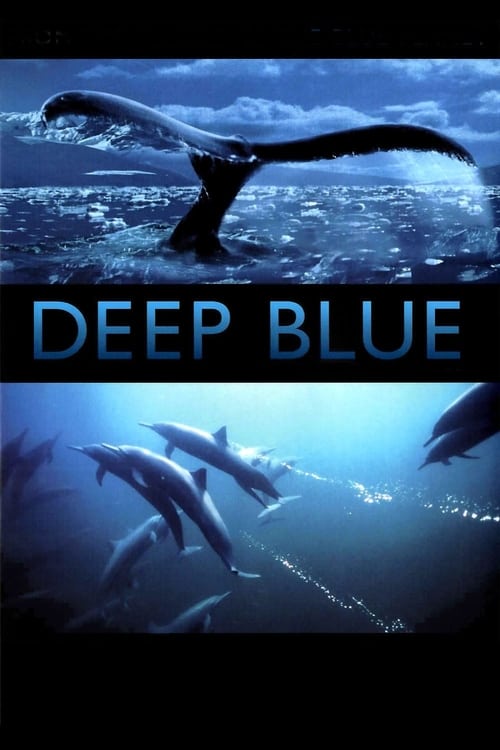
Deep Blue is a major documentary feature film shot by the BBC Natural History Unit. An epic cinematic rollercoaster ride for all ages, Deep Blue uses amazing footage to tell us the story of our oceans and the life they support.
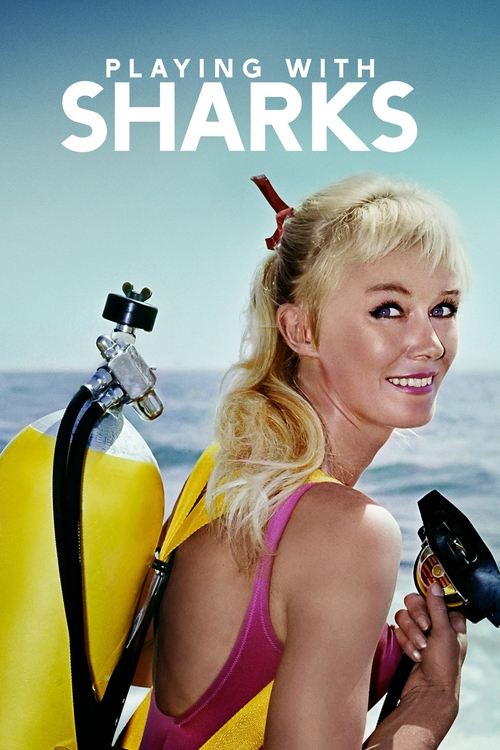
Valerie Taylor is a shark fanatic and an Australian icon – a marine maverick who forged her way as a fearless diver, cinematographer and conservationist. She filmed the real sharks for Jaws and famously wore a chainmail suit, using herself as shark bait, changing our scientific understanding of sharks forever.
No Trailers found.
No Cast found.